
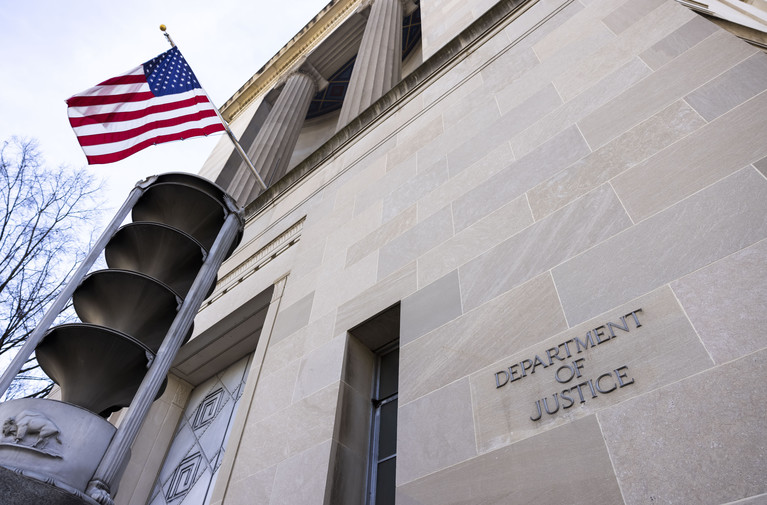
Managing Antsy Clients Who Think They Can Cut the Line in Trump’s DOJ
August 11, 2025 – The dismissal of corruption charges against New York City Mayor Eric Adams in late 2024 has sparked a surge of optimism among some legal clients, particularly those facing federal investigations, who believe they can leverage connections to expedite or dismiss cases in Donald Trump’s Department of Justice (DOJ). These “antsy” clients, as described in a recent Law.com article, expect their lawyers to bypass standard legal processes by tapping influential contacts from Trump’s first administration (2017–2021). This trend has given rise to a “cottage industry” of individuals claiming special access to DOJ officials, complicating the work of attorneys. Below, we explore strategies for managing such clients, drawing on legal insights and practical advice for attorneys navigating this unique challenge.
Understanding the Client Mindset
The expectation that lawyers can “cut the line” stems from a perception that Trump’s DOJ, reshaped in his second term starting January 2025, may be more receptive to influence or leniency, particularly for high-profile or politically connected clients. Seth DuCharme, a former principal associate deputy attorney general under Trump’s first administration and now a partner at Bracewell LLP, noted in Law.com that “clients and potential clients are hopeful that a lawyer, particularly a former senior government official, has the ability to leapfrog and skip normal process” to secure faster or favorable outcomes. This mindset is fueled by:
- High-Profile Precedents: The dismissal of Eric Adams’ case, attributed to DOJ policy changes under Trump, has led some clients to believe similar outcomes are attainable through connections.
- Political Climate: Trump’s return to office, coupled with executive actions targeting legal accountability (e.g., orders against law firms accused of “weaponizing” the justice system), creates an impression of a more negotiable DOJ.
- Cottage Industry Claims: Individuals falsely claiming insider access to DOJ officials exploit client anxiety, promising quick resolutions for hefty fees, as reported by Law.com on August 11, 2025.
Challenges for Attorneys
Managing these clients poses unique challenges:
- Unrealistic Expectations: Clients may demand immediate results, unaware that DOJ processes, even under a Trump administration, remain governed by legal protocols and bureaucratic timelines.
- Ethical Risks: Attorneys face pressure to engage in or appear to endorse questionable practices, risking violations of professional conduct rules, such as Model Rule 8.4 (prohibiting conduct prejudicial to the administration of justice).
- Reputational Damage: Associating with “fixers” or promising undue influence can harm a firm’s credibility, especially if clients feel misled when results fall short.
- Client Frustration: As noted in Forbes (web:8), difficult clients often expect outcomes beyond what’s feasible, leading to strained relationships or loss of business if expectations aren’t managed.
Strategies for Managing Antsy Clients
Drawing from legal industry insights, including Law.com (web:0), Forbes (web:8), and Hona (web:11), here are effective strategies for attorneys to manage clients expecting to bypass DOJ processes:
- Set Clear Expectations Upfront
- Communicate Process Realities: Explain the DOJ’s investigative and prosecutorial framework, emphasizing that even with a favorable administration, cases follow structured timelines (e.g., grand jury reviews, plea negotiations). For example, the average federal fraud case takes 12–24 months to resolve, per DOJ data.
- Contract Explicitly: As advised by Forbes (web:8), establish clear “rules of engagement” in client agreements, outlining what’s within scope (e.g., legal advocacy) and what’s not (e.g., leveraging personal connections for undue influence). This prevents misunderstandings about outcomes.
- Educate on Risks: Warn clients about the dangers of engaging “fixers” who claim DOJ access, noting that such arrangements can trigger additional scrutiny or charges, such as obstruction of justice (18 U.S.C. § 1503).
- Express Empathy and Validate Concerns
- Acknowledge Anxiety: As suggested in Hona (web:11), validate clients’ frustrations by saying, “I understand you’re anxious about the timeline and outcome, and we’re committed to pursuing every legal avenue.” This builds trust without promising unrealistic results.
- Avoid Defensiveness: Forbes (web:8) recommends approaching clients with curiosity, letting them vent without interruption to understand their concerns, such as fears of prolonged investigations or financial loss.
- Reframe the Relationship as Collaborative
- Engage Clients in Solutions: Forbes (web:8) suggests reframing conflicts as collaborative problem-solving. For example, ask, “What specific outcomes are you hoping for, and how can we align those with legal realities?” This shifts focus from “cutting the line” to achievable goals.
- Highlight Proactive Steps: Outline concrete actions, like filing motions to suppress evidence or negotiating plea deals, to demonstrate progress without implying shortcuts. For instance, DuCharme noted that legitimate advocacy within DOJ channels remains the most effective approach.
- Leverage Transparency and Communication
- Regular Updates: Provide frequent, transparent updates on case progress to reduce client anxiety, as advised by Hona (web:11). For example, a monthly status report detailing DOJ interactions or discovery milestones keeps clients informed.
- Name the Issue: If clients push for unethical shortcuts, Forbes (web:8) suggests addressing it directly: “I notice you’re focused on expediting this through contacts. Let’s discuss why that may not be feasible and explore stronger legal strategies.”
- Know When to Walk Away
- Assess Fit: If a client insists on unethical practices, consider terminating the relationship, as recommended by Forbes (web:8). Hona (web:11) suggests discussing mutual responsibilities and, if unaligned, referring the client elsewhere: “It seems our approaches aren’t aligned. I can recommend another firm better suited to your needs.”
- Protect Reputation: Fenwick & West’s current MDL litigation (LegalNewsFeed, Bloomberg Law) underscores the risks of being associated with clients’ misconduct, as the firm faces allegations of enabling FTX’s fraud. Attorneys must avoid similar entanglements.
Considerations for NRIs and Global Clients
NRIs or international clients facing DOJ investigations (e.g., for financial crimes or FCPA violations) may also seek to “cut the line” due to cultural perceptions of influence-based systems. Attorneys should:
- Clarify U.S. Legal Norms: Explain that DOJ processes are not swayed by informal connections, unlike some jurisdictions. For example, FCPA cases involve rigorous evidence review, with settlements averaging $130 million in 2024, per DOJ reports.
- Facilitate Payments: NRIs can pay legal fees via NRE/NRO accounts or international cards, ensuring compliance with FEMA regulations. Retainers for federal defense cases typically start at $50,000–$100,000, depending on complexity.
- Address Jurisdictional Issues: Advise on extradition risks or cross-border implications, as DOJ’s global reach (e.g., through MLATs) can affect clients abroad.
Ethical and Practical Guardrails
- Avoid Influence Peddling: Attorneys must adhere to ABA Model Rule 1.2(d), which prohibits assisting clients in conduct known to be illegal or fraudulent, such as bribing officials or misrepresenting case status.
- Document Advice: Maintain detailed records of client communications rejecting unethical requests, protecting against future claims of complicity.
- Seek Peer Support: As suggested in APA (web:7), consult colleagues for advice on handling difficult clients while respecting confidentiality, reducing the risk of missteps under pressure.
Conclusion
Managing antsy clients who expect to bypass DOJ processes in Trump’s administration requires a delicate balance of empathy, transparency, and firm boundaries. By setting realistic expectations, validating concerns, and focusing on legitimate legal strategies, attorneys can maintain trust and ethical integrity. The rise of a “cottage industry” promising insider access underscores the need to educate clients about the risks of such schemes. As the legal landscape evolves under Trump’s DOJ, attorneys must navigate these pressures with professionalism, ensuring compliance with legal standards while protecting their reputation and clients’ interests.
Sources: This article draws on Law.com (web:0), Forbes (web:8), Hona (web:11), and related legal industry insights (web:6, web:7).