
Imagine pouring years into building a national mass tort powerhouse, only for a single state law to slam the door on your cross-border revenue streams and client pipelines. That’s the high-stakes gamble facing Los Angeles powerhouse Wisner Baum, whose attorneys just fired a preemptive legal salvo to derail California’s sweeping ban on fee-sharing with out-of-state firms backed by non-lawyers.
For plaintiff lawyers, legal marketers, and interstate firm operators nationwide eyeing mass tort attorney sues California, fee-sharing ban challenge, and AB 931 lawsuit trends, this federal filing has surged in Google searches like a Roundup verdict payout. These red-hot queries spotlight a brewing showdown over the future of contingency fee models in a $50 billion mass tort arena, where Arizona’s innovative ownership rules clash with California’s ironclad ethics code—potentially reshaping how firms chase cases from Camp Lejeune water woes to Zantac cancer claims.
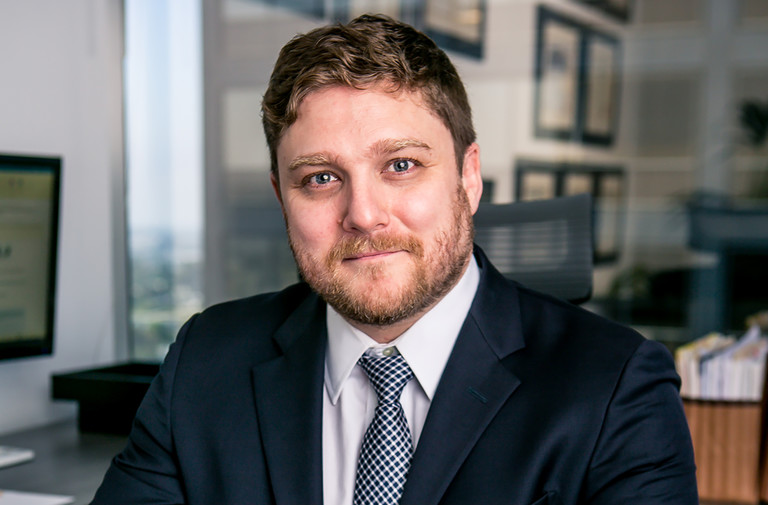
The drama unfolded last Tuesday in the U.S. District Court for the Central District of California, where R. Brent Wisner—co-founder of Wisner Baum and a principal in Phoenix-based Eleos Law—teamed up with his firms to sue the State Bar of California and Attorney General Rob Bonta. At the heart of the 28-page complaint: Assembly Bill 931, signed into law by Gov. Gavin Newsom in October and set to kick in Jan. 1, 2026. AB 931 bars Golden State attorneys from splitting contingency fees—typically 33% to 40% of recoveries—with out-of-state “alternative business structures” (ABS) that let non-lawyers hold ownership stakes or influence decisions.
Wisner, a 15-year veteran of toxic tort battles who helped secure a $4.5 billion settlement against Monsanto for its Roundup weedkiller, isn’t facing abstract threats. Eleos Law, his Arizona outfit licensed under that state’s pioneering 2021 ABS rules, funds its operations through a 5% slice of fees from Wisner Baum referrals. The portfolio? A staggering 9,400 Zantac cases alleging cancer links to the heartburn drug, plus 8,450 suits over heavy metals in baby food. Eleos handles lead generation, case vetting, and marketing muscle, funneling vetted clients westward to Wisner Baum’s L.A. litigators for the courtroom grind.
“AB 931 doesn’t just clip our wings—it grounds an entire ecosystem,” Wisner’s suit thunders, branding the law a First Amendment violation that stifles commercial speech and interstate commerce. Plaintiffs argue it discriminates against Arizona ABS firms while sparing in-state players, potentially axing Eleos’s viability and forcing Wisner Baum to “police” every referral source for compliance. Without injunction, they warn, California lawyers lose a competitive edge in the cutthroat mass tort market, where speedy client acquisition can mean millions in settlements.
Background on AB 931 reveals a classic California tug-of-war: innovation versus protectionism. Arizona’s ABS experiment, the first in the U.S., aims to inject capital into legal services, drawing investors like Burford Capital to fund high-risk plaintiff work. Proponents say it democratizes access to justice for underbanked firms tackling PFAS contamination or opioid crises. But California lawmakers, backed by the Consumer Attorneys of California (CAOC), fretted over “unfettered” non-lawyer influence eroding ethical safeguards—like avoiding conflicts or fee gouging.
The bill started broad, eyeing a total fee-sharing blackout with ABS outfits, even giants like KPMG’s new Arizona venture. Lobbying trimmed it to target contingency splits— the lifeblood of mass torts—sparing flat-fee or hourly arrangements. “It’s a scalpel to the throat of plaintiff innovation,” Wisner told Bloomberg Law, vowing to fight “tooth and nail” for models that amplify victim voices.
Legal scholars are weighing in with sharp divides. Erwin Chemerinsky, UC Berkeley’s constitutional law dean, called the suit “a slam-dunk on dormant Commerce Clause grounds” in a preliminary analysis for the Daily Journal, arguing California’s rules can’t extraterritorially dictate Arizona business models. “This is Reed v. Town of Gilbert for lawyers,” he quipped, nodding to a landmark speech case. On the flip side, CAOC president Craig Carlson fired back in a statement: “AB 931 shields clients from profit-driven referrals that prioritize volume over value—non-lawyer owners chase dollars, not justice.”
Social media’s lit up like a discovery dump. On X, #FeeSharingBan has trended among legal eagles, with a thread from @MassTortMaven— a pseudonymous plaintiff insider—garnering 2,500 likes: “CA’s playing goalie for Big Law while AZ firms level the field. Who’s really protecting the little guy?” Defense bar voices chime in too, one from @TortReformNow: “Finally, a check on the plaintiff factory farms churning cases for cash.” LinkedIn polls show 58% of mass tort pros siding with Wisner, citing stalled innovation in a field where firms like his notched $11 billion in verdicts last decade.
This isn’t Beltway bluster—it’s a gut check for American consumers and lawyers alike. Economically, mass torts pump $100 billion yearly into settlements, funding victim aid from Flint water funds to 3M earplug payouts. If AB 931 sticks, California firms could bleed market share to Texas or Florida hubs, hiking costs for in-state clients as referral networks fray. A 2025 American Bar Association survey pegs 45% of contingency cases as interstate; disruptions here could delay resolutions by 18 months, per one amicus tease from the National Association of Consumer Advocates.
Lifestyle ripples hit hard: Young associates at Wisner Baum, dreaming of partner tracks built on blockbuster dockets, face uncertainty—fewer leads mean leaner bonuses in a coastal COLA crunch. Politically, it’s red-vs.-blue fodder: Arizona’s libertarian lean on ABS clashes with California’s progressive guardrails, potentially landing before the Ninth Circuit amid 2026 ballot battles over corporate accountability. Tech angles? ABS funding could supercharge AI-driven case screening, spotting patterns in e-discovery mountains faster than human teams.
Sports fans might see echoes of the NFL’s salary cap wars—ABS as the “franchise tag” letting underdogs compete with elite squads. For everyday U.S. readers, especially in high-litigation states like California (home to 20% of national mass tort filings), this tests access to justice: Will a Wisner win flood courts with more robust plaintiff funding, or does the ban curb predatory lead-gen mills preying on the vulnerable?
Defendants haven’t flinched. Bonta’s office dismissed the suit as “premature fearmongering” in a filing, vowing to defend AB 931 as a bulwark against “unregulated profiteering.” The State Bar, tasked with enforcement, plans a January webinar on compliance, urging firms to audit partnerships now.
Wisner Baum seeks a preliminary injunction by December 20, teeing up a hearing that could freeze the law’s rollout. Discovery might unearth emails from CAOC lobbyists or ABS investment memos, exposing the sausage-making behind Sacramento’s ethics push.
This mass tort attorney sues California gambit over the fee-sharing ban challenge isn’t just a Wisner Baum solo act—it’s a clarion for AB 931 lawsuit warriors eyeing a multijurisdictional revolt, as similar ABS probes bubble in New York and Illinois. From L.A. courtrooms to Phoenix boardrooms, the stakes couldn’t be higher: a verdict here could rewrite the rules for who foots the bill on America’s next big tort wave.
In summary, Wisner Baum’s federal challenge to AB 931 lays bare tensions between state sovereignty and national legal fluidity, with constitutional hooks poised to sway the outcome. Looking ahead, a favorable ruling by spring 2026 could spark ABS copycats in blue states, injecting billions into plaintiff coffers while prompting ethics reforms nationwide—ensuring mass torts evolve as engines of equity, not enclosures for the elite.
By Sam Michael
Follow us on social media and subscribe for instant push notifications on breaking legal stories like the mass tort fee-sharing ban challenge—stay ahead of the curve!