
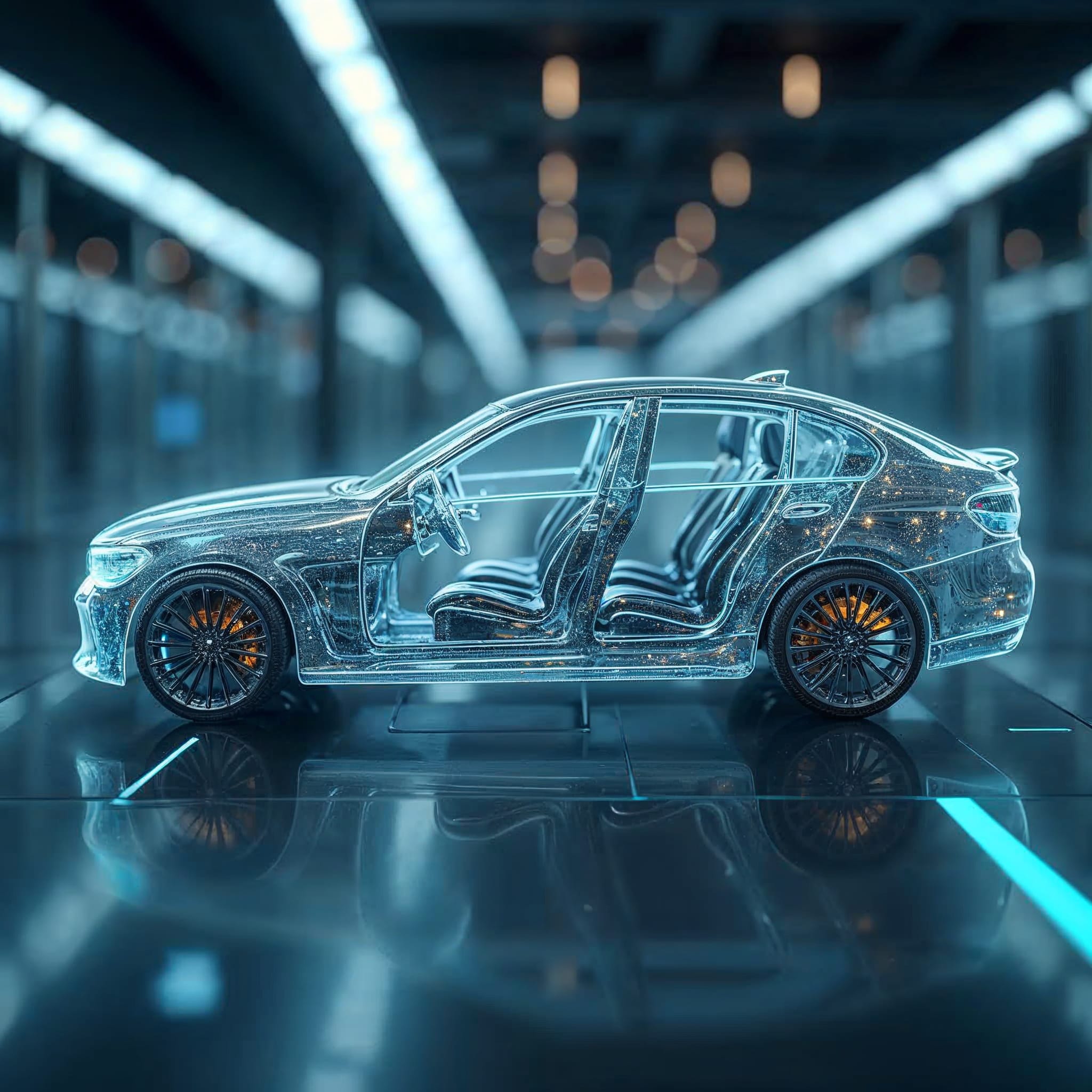
In the rapidly evolving landscape of automotive technology, hybrid and electric vehicles (EVs) have introduced a paradigm shift not just in how we power our cars, but also in how we drive them. One of the most fascinating and impactful innovations is regenerative braking, and its ultimate expression: one-pedal driving. This revolutionary approach to vehicle control transforms kinetic energy—typically lost as heat during traditional braking—back into usable electricity, significantly boosting efficiency and range. For newcomers, or even seasoned drivers making the switch, understanding and mastering one-pedal driving can feel like learning a new language. It promises not just a greener commute but also a smoother, more intuitive, and ultimately, a more engaging driving experience. This comprehensive guide will demystify one-pedal driving, explore its intricate mechanics within hybrid regenerative braking systems, provide practical tips for mastery, and illuminate its profound benefits for both drivers and the environment.
As we delve into the nuances of this technology, we will uncover how it redefines the interaction between driver and machine, offering a glimpse into the future of sustainable transportation. From the bustling city streets to winding country roads, mastering this technique can unlock unprecedented levels of efficiency and control, making every journey an opportunity to reclaim energy and reduce your carbon footprint. Join us as we decode the regenerative braking systems in modern hybrid vehicles and empower you to become a true master of one-pedal driving.
Decoding Regenerative Braking: The Heart of Modern Efficiency
To truly understand one-pedal driving, we must first grasp the fundamental concept of regenerative braking. At its core, regenerative braking is an energy recovery system. In traditional gasoline-powered cars, when you press the brake pedal, friction pads clamp down on spinning rotors, converting the vehicle’s kinetic energy into heat, which then dissipates into the atmosphere. This energy is simply lost. Hybrid and electric vehicles, however, harness this kinetic energy.
How Regenerative Braking Works
The magic happens thanks to the vehicle’s electric motor. When you lift your foot off the accelerator pedal, or sometimes when you lightly press the brake pedal, the electric motor reverses its function. Instead of drawing power from the battery to propel the wheels, the momentum of the vehicle turns the motor, effectively transforming it into a generator. This generator then produces electricity, which is fed back into the vehicle’s high-voltage battery pack. The act of generating electricity creates resistance, which in turn slows the vehicle down. This resistance is what provides the braking force you feel.
The intensity of this regenerative braking can vary greatly depending on the vehicle’s design, its current state of charge, and driver-selected settings. Some systems are very subtle, providing only a mild deceleration, while others can be quite aggressive, bringing the vehicle to a near-complete stop. This variability is key to the one-pedal driving experience, allowing drivers to modulate deceleration by simply varying the pressure on the accelerator pedal.
The Evolution of Regenerative Braking Technology
Regenerative braking isn’t a brand-new concept; it has been around in various forms for decades, notably in trains and trams. However, its integration into passenger vehicles became prominent with the advent of mass-produced hybrid cars like the Toyota Prius in the late 1990s. Early systems were relatively basic, primarily assisting with braking and slightly boosting battery charge. Over the past two decades, the technology has evolved significantly:
- Increased Efficiency: Modern systems can recover a much larger percentage of kinetic energy, sometimes up to 70-80% in ideal conditions.
- Improved Blending: The transition between regenerative braking and traditional friction braking (when more stopping power is needed) has become seamless, known as “brake blending.” Drivers often cannot tell which system is providing the braking force.
- Driver Customization: Many contemporary hybrids and EVs offer adjustable regenerative braking levels, allowing drivers to choose the intensity of deceleration.
- Integration with ADAS: Advanced Driver-Assistance Systems (ADAS) like adaptive cruise control now leverage regenerative braking to maintain distances, further enhancing efficiency and driver comfort.
This continuous refinement has paved the way for the sophisticated and intuitive experience of one-pedal driving that many modern electric and plug-in hybrid vehicles offer today.
What is One-Pedal Driving? Definition and Mechanics Explained
One-pedal driving is a specialized application of regenerative braking where the driver can largely control the vehicle’s speed, including acceleration and deceleration, using only the accelerator pedal. The traditional brake pedal is still present and fully functional for emergency stops or when more aggressive braking is required, but for most day-to-day driving, it becomes largely redundant.
How it Works in Practice
Imagine your accelerator pedal has a broader range of functions than just “go.” In a one-pedal driving system:
- Pressing the Pedal Down: Just like a conventional car, pressing the accelerator pedal propels the vehicle forward. The more you press, the faster you go.
- Lifting the Pedal: This is where the magic happens. Instead of coasting when you lift your foot, the vehicle immediately begins to slow down. The electric motor engages its regenerative braking function, turning the vehicle’s momentum into electricity and sending it back to the battery.
- Modulating Deceleration: The degree to which you lift your foot off the accelerator determines the intensity of the regenerative braking. A slight lift might result in gentle deceleration, akin to engine braking in a traditional car, while a complete lift can bring the vehicle to a swift, controlled stop.
The goal is to anticipate traffic flow and road conditions, allowing the driver to smoothly feather the accelerator pedal to manage speed. This technique minimizes the need to move your foot between the accelerator and the brake pedal, leading to a smoother, often less fatiguing, driving experience. It’s particularly effective in stop-and-go city traffic, where frequent braking and accelerating are common.
Levels of Regeneration and Brake Blending
Not all one-pedal driving experiences are identical. Vehicle manufacturers implement this technology with varying degrees of aggressiveness and customization:
- Adjustable Regeneration Levels: Many EVs and some hybrids offer multiple settings for regenerative braking. Drivers can often select “Low,” “Medium,” or “High” regeneration, or choose modes like “B” (Brake) in Toyota/Lexus hybrids or specific “one-pedal” modes in vehicles like the Nissan Leaf or Tesla models. A higher regeneration level means more aggressive deceleration when lifting off the pedal.
- Automatic Adaptation: Some advanced systems can dynamically adjust the regeneration intensity based on factors like terrain (e.g., more regen downhill), traffic conditions (e.g., increasing regen when following a slower car), or even navigation data.
- Brake Blending: This refers to the seamless transition between regenerative braking and friction braking. When the driver needs more stopping power than regeneration can provide (e.g., pressing the brake pedal harder), the vehicle’s computer seamlessly activates the conventional hydraulic brakes. The driver typically feels a continuous, smooth deceleration, unaware of which system is doing the work. This blending is crucial for both safety and driver comfort, ensuring that maximum stopping power is always available when required.
Understanding these nuances allows drivers to optimize their one-pedal driving technique for maximum efficiency and a truly personalized driving feel.
The Compelling Benefits of Mastering One-Pedal Driving
Beyond the initial novelty, mastering one-pedal driving offers a multitude of tangible advantages that contribute to a more efficient, economical, and enjoyable driving experience. These benefits extend from the immediate driving dynamics to long-term ownership costs and environmental impact.
1. Increased Energy Efficiency and Fuel Economy
This is arguably the most significant benefit. By converting kinetic energy back into electrical energy and storing it in the battery, regenerative braking significantly reduces energy waste. In a conventional car, every time you brake, that energy is lost as heat. With one-pedal driving, a substantial portion of that energy is recovered and reused. This directly translates to:
- Greater Range for EVs: For electric vehicles, more recovered energy means fewer charging stops and a longer driving range on a single charge.
- Improved Fuel Economy for Hybrids: Hybrid vehicles can rely less on their internal combustion engine, using more regenerated electricity, leading to better miles per gallon (MPG) figures and reduced fuel consumption.
- Optimized Energy Management: The system intelligently manages power flow, ensuring the battery is charged whenever deceleration occurs, maximizing the use of free, recovered energy.
2. Extended Lifespan of Mechanical Brakes
Since regenerative braking handles a significant portion of the deceleration, the traditional friction brakes are used less frequently and less intensely. This dramatically reduces wear and tear on brake pads and rotors. Drivers who master one-pedal driving often report their brake components lasting two, three, or even four times longer than in a conventional vehicle. This translates to:
- Reduced Maintenance Costs: Fewer brake pad and rotor replacements mean significant savings over the vehicle’s lifetime.
- Less Downtime: Your vehicle spends less time in the service shop for routine brake maintenance.
- Consistent Performance: Less stress on the mechanical brakes can help maintain their optimal performance when they are truly needed, such as in emergency situations.
3. Smoother, More Comfortable Driving Experience
One-pedal driving, once mastered, leads to a much smoother ride. The constant shifting of your foot between accelerator and brake can be jerky and fatiguing. With one-pedal driving:
- Seamless Deceleration: Gradual lifts of the accelerator pedal provide smooth, controlled deceleration without the abruptness that can sometimes accompany traditional braking.
- Reduced Driver Fatigue: Your right foot remains largely stationary on the accelerator, reducing physical effort, especially in stop-and-go traffic.
- Enhanced Passenger Comfort: Passengers experience fewer sudden lurches and stops, making for a more pleasant journey.
4. Enhanced Control and Anticipatory Driving
This driving style encourages a more anticipatory and proactive approach to the road. Instead of reacting to situations by slamming on the brakes, drivers learn to foresee changes in traffic and terrain, modulating their speed earlier and more smoothly. This leads to:
- Improved Situational Awareness: Drivers become more attuned to their surroundings, anticipating when to lift off the accelerator.
- Better Flow: The ability to gently slow down without immediate friction braking allows for better integration with traffic flow, reducing accordion effects.
- Greater Confidence: As drivers become proficient, they gain a deeper sense of control over their vehicle’s speed and energy management.
5. Environmental Impact
By maximizing energy efficiency and reducing the reliance on fossil fuels, one-pedal driving contributes to a greener planet:
- Lower Emissions: For hybrids, burning less fuel means lower greenhouse gas emissions. For EVs, maximizing range means more electric miles and less reliance on potentially fossil-fuel-generated electricity.
- Reduced Particulate Matter: Less use of friction brakes also means fewer brake dust particles (particulate matter) released into the air, which is a significant, though often overlooked, source of air pollution.
In essence, mastering one-pedal driving isn’t just about a new way to drive; it’s about embracing a more efficient, economical, and environmentally responsible mode of transportation.
Vehicles Featuring One-Pedal Driving: A Diverse Landscape
While the concept of regenerative braking is common in almost all hybrids and EVs, the full “one-pedal driving” experience—where the vehicle can come to a complete stop simply by lifting off the accelerator—is not universally available. It’s important to differentiate between vehicles with strong regenerative braking and those specifically designed for a true one-pedal operation.
True One-Pedal Driving Champions
These vehicles are engineered to allow the driver to largely forego the brake pedal for routine deceleration and stopping:
- Tesla Models (Model 3, Model Y, Model S, Model X): Tesla is perhaps the most well-known proponent of aggressive, adjustable one-pedal driving. Their systems are highly intuitive, allowing drivers to modulate speed from highway cruising down to a complete stop using only the accelerator.
- Nissan Leaf: Featuring its “e-Pedal” mode, the Leaf allows for genuine one-pedal driving, where the car can hold its position on a hill and come to a full stop without touching the brake pedal.
- Chevrolet Bolt EV/EUV: The Bolt offers a “Low” driving mode and a dedicated “Regen on Demand” paddle on the steering wheel, allowing drivers to engage strong regenerative braking for one-pedal driving.
- BMW i3: Known for its distinctive design, the i3 was one of the early pioneers of aggressive one-pedal driving, providing a strong regenerative force when lifting off the accelerator.
- Hyundai Ioniq 5 / Kia EV6: These newer platforms offer highly customizable regenerative braking levels, including an “i-Pedal” mode that enables full one-pedal driving, bringing the vehicle to a complete stop.
- Ford Mustang Mach-E: This electric SUV also offers a robust one-pedal driving mode that significantly enhances efficiency and driver comfort.
Hybrids with Enhanced Regenerative Braking
While many hybrids use regenerative braking to recharge their batteries, most do not offer the full one-pedal stopping capability. Instead, they provide enhanced deceleration when lifting off the accelerator or when selecting a specific “B” (Brake) mode or Low gear. The vehicle will slow down significantly, but typically requires the friction brakes for a complete stop. Examples include:
- Toyota Prius and other Toyota Hybrids (RAV4 Hybrid, Camry Hybrid): These vehicles primarily use regenerative braking in conjunction with conventional brakes. Their “B” mode provides stronger engine braking for downhill descents, increasing regeneration but not typically allowing for a full stop without the brake pedal. Some newer Toyota EVs (like the bZ4X) do offer one-pedal functionality.
- Honda Hybrids (CR-V Hybrid, Accord Hybrid): Similar to Toyota, Honda hybrids prioritize seamless blending of regenerative and friction braking. They often feature paddle shifters to adjust regeneration levels for more controlled deceleration, but rarely a true complete stop with just the accelerator.
- Older Plug-in Hybrids (PHEVs): Many first-generation PHEVs focused on maximizing electric range but had less aggressive one-pedal capabilities compared to dedicated EVs.
It’s crucial for prospective buyers to research the specific regenerative braking capabilities of any hybrid or EV they are considering. The level of “one-pedal” functionality can significantly impact the driving experience and the efficiency gains you can expect.
Tips and Techniques for Effective One-Pedal Driving Mastery
Mastering one-pedal driving is more about unlearning old habits than acquiring complex new skills. It requires a shift in mindset and a willingness to practice. Here are some essential tips and techniques to become proficient and maximize its benefits:
1. Practice in a Safe Environment
Begin your one-pedal driving journey in an empty parking lot or on quiet, familiar roads. This allows you to get a feel for how your vehicle responds to different accelerator pedal inputs without the pressure of heavy traffic. Experiment with varying degrees of lifting your foot to understand the deceleration rates.
2. Embrace Anticipatory Driving
One-pedal driving thrives on anticipation. Instead of waiting until the last moment to brake, start thinking several car lengths ahead. When you see a red light, a slowing vehicle, or an upcoming turn, begin to gradually ease off the accelerator much earlier than you would in a traditional car. This allows the regenerative braking system to work more efficiently and smoothly, recovering maximum energy.
3. Gradual Pedal Modulation is Key
Avoid abrupt lifting of your foot. Think of the accelerator pedal as a dimmer switch, not an on/off button. To slow down gently, lift your foot slowly. For quicker deceleration, lift it more decisively, but still in a controlled manner. The more smoothly you can modulate the pedal, the smoother your ride will be, and the more energy you will recover.
4. Utilize “B” Mode or Dedicated Regen Settings
Many vehicles offer specific modes or settings for enhanced regenerative braking:
- “B” Mode (Brake Mode) in Hybrids: If your hybrid has a “B” mode on the gear selector, it typically increases engine braking and thus regenerative braking, particularly useful for downhill stretches or when more deceleration is desired without touching the friction brakes.
- Adjustable Regeneration Levels: In many EVs, you can adjust the regeneration intensity via the infotainment system or steering wheel controls (e.g., paddles). Start with a moderate setting and gradually increase it as you become more comfortable. High regeneration levels offer the most pronounced one-pedal experience.
- Dedicated One-Pedal Modes: Vehicles like the Nissan Leaf’s e-Pedal or Tesla’s one-pedal drive setting are specifically designed for this purpose. Engage these modes to experience the full capability.
5. Understand When to Use Friction Brakes
While one-pedal driving is highly effective, the friction brakes are still essential and should be used when:
- Emergency Stops: Always be ready to press the brake pedal firmly in an emergency situation. Regenerative braking, while powerful, may not provide the maximum stopping force required to prevent an accident.
- Aggressive Deceleration: If you need to slow down quickly and regeneration isn’t sufficient, don’t hesitate to use the brake pedal. The vehicle’s brake blending system will seamlessly integrate friction braking.
- Coming to a Complete Stop on a Steep Incline (if not supported): Some one-pedal systems can hold a vehicle on a hill, but if yours doesn’t, or if you’re unsure, use the brake pedal to prevent rolling back.
- Slippery Conditions: In snow, ice, or heavy rain, aggressive regenerative braking might lead to a loss of traction. In such conditions, some drivers prefer to reduce regeneration intensity or rely more on the traditional brake pedal for finer control.
6. Monitor Your Energy Flow Display
Many hybrids and EVs have an energy flow display on the dashboard or infotainment screen. Pay attention to this display to visualize when energy is being recovered during deceleration. This visual feedback can help reinforce good one-pedal driving habits and show you exactly how efficiently you are driving.
By consistently applying these techniques, you’ll not only enhance your driving efficiency and comfort but also develop a deeper connection with your vehicle, transforming your daily commute into an exercise in energy conservation.
Challenges and Considerations for One-Pedal Driving
While one-pedal driving offers numerous advantages, it also presents a learning curve and specific considerations that drivers should be aware of. Understanding these challenges can help new users adapt more quickly and safely.
1. The Learning Curve
The most significant hurdle for most drivers is unlearning decades of traditional driving habits. Our muscle memory is conditioned to move the right foot between the accelerator and the brake. With one-pedal driving, that interaction changes, and it can take time to adjust:
- Initial Jerkiness: New drivers might initially experience jerky stops if they lift off the accelerator too abruptly. Smooth modulation requires practice.
- Hesitation to Use the Brake Pedal: Some drivers become overly reliant on one-pedal driving and hesitate to use the friction brakes even when necessary, which can be dangerous in critical situations.
- Foot Position Adjustment: Finding a comfortable and responsive foot position on the accelerator pedal that allows for precise modulation of both acceleration and deceleration can take time.
2. Emergency Braking Situations
This is a critical consideration. While one-pedal driving is effective for most deceleration, it is generally not designed for maximum emergency stopping power. In an emergency, your instinct (and the correct action) should always be to slam on the conventional brake pedal:
- Maximum Force: The friction brakes are engineered to provide the most rapid deceleration possible. Relying solely on regenerative braking in an emergency could result in longer stopping distances.
- Brake Blending: Modern systems are designed to seamlessly blend regenerative and friction braking when the brake pedal is pressed. So, even if you’re used to one-pedal driving, using the brake pedal will engage the full stopping power of the vehicle.
3. Cold Weather Impact on Regeneration
Battery chemistry is sensitive to temperature. In very cold weather, the vehicle’s battery may not be able to accept a high rate of charge from regenerative braking. This means:
- Reduced Regeneration Strength: The regenerative braking force may be significantly weaker until the battery warms up (either through driving or pre-conditioning).
- Increased Reliance on Friction Brakes: Drivers may find themselves needing to use the conventional brake pedal more frequently in cold conditions, impacting perceived one-pedal functionality.
- Warning Indicators: Many EVs provide a visual indicator (e.g., a dashed line on the power meter) to show when regeneration is limited due to cold temperatures.
4. Driver Preference and Comfort
Not everyone enjoys the feel of one-pedal driving. Some drivers prefer the traditional separation of accelerator and brake for a greater sense of control or familiarity. Fortunately, many vehicles that offer one-pedal driving also allow drivers to:
- Adjust Regeneration Levels: Drivers can choose a lower regeneration setting if the full one-pedal experience feels too aggressive.
- Disable One-Pedal Mode: Some vehicles allow the dedicated one-pedal mode to be turned off completely, reverting to a more conventional driving feel with milder regeneration.
5. Roll-Back on Inclines
Some early or less aggressive one-pedal systems might not be able to hold the vehicle completely stationary on a steep incline once it has stopped, potentially allowing it to roll back. Modern systems typically incorporate a “hold” function (often linked to the vehicle’s automatic parking brake) that prevents roll-back once the vehicle comes to a stop. Always be aware of your vehicle’s specific capabilities in this regard and be prepared to use the brake pedal.
By understanding these considerations, drivers can approach one-pedal driving with realistic expectations, adapt their techniques appropriately, and maximize the benefits while ensuring safety.
The Future of Regenerative Braking and One-Pedal Driving
As automotive technology continues its rapid advancement, regenerative braking and one-pedal driving are poised for even greater sophistication and widespread adoption. The integration of artificial intelligence, connectivity, and evolving battery technologies will redefine how we recover and utilize energy on the road.
1. Enhanced AI Integration and Predictive Regeneration
Future systems will likely leverage more advanced AI and machine learning to optimize regenerative braking dynamically. This could involve:
- Navigation-Based Optimization: Vehicles could use GPS data, real-time traffic information, and topographical maps to predict upcoming turns, hills, or stop signs, and automatically adjust regeneration levels for maximum efficiency long before the driver even perceives the need.
- Driver Behavior Learning: AI could learn individual driver habits and preferences, tailoring the one-pedal experience to be even more intuitive and personalized over time.
- Contextual Adaptation: Systems could automatically adjust regeneration based on weather conditions (e.g., reducing aggressive regen on slippery roads) or specific driving scenarios (e.g., more gentle regen in a school zone).
2. Vehicle-to-Grid (V2G) and Grid-Connected Opportunities
Regenerative braking generates electricity that is stored in the vehicle’s battery. In the future, this stored energy could become part of a larger energy ecosystem:
- Dynamic Energy Exchange: While V2G focuses on discharging the battery to the grid, the principle of energy flow suggests that smarter regeneration could play a role in optimizing local grid stability or even feeding excess power back to a home during peak demand, though this is a more distant concept for direct regenerative output.
- Smart Charging and Discharging: Regenerative braking already contributes to the vehicle’s state of charge; future systems might intelligently manage this input alongside grid charging to ensure optimal battery health and energy cost.
3. Wider Adoption Across Vehicle Segments
As the transition to electric vehicles accelerates, one-pedal driving will become a standard feature across a much broader range of cars, trucks, and even commercial vehicles. Its benefits in efficiency, maintenance, and driver comfort are too significant to be confined to premium EVs.
4. Seamless Integration with Advanced Driver-Assistance Systems (ADAS)
Current ADAS features like adaptive cruise control already utilize regenerative braking. In the future, this integration will become even tighter:
- Fully Autonomous Driving: For true Level 4 and 5 autonomous vehicles, regenerative braking will be a critical component of their energy management and smooth operation, ensuring passenger comfort and efficiency without human intervention.
- Enhanced Predictive Safety: Systems could use regeneration to preemptively slow down a vehicle if a potential hazard is detected, blending safety and efficiency.
5. Improved Battery and Motor Technology Synergy
Advances in battery chemistry will allow for faster and more efficient acceptance of regenerated power, even in extreme temperatures. Simultaneously, more efficient electric motors will further reduce energy losses during both propulsion and regeneration, making the entire system more effective. This synergy will lead to:
- Greater Regeneration Capacity: Batteries will be able to handle higher rates of charge from regeneration, meaning more kinetic energy can be converted back into electricity.
- Expanded Operating Window: Regenerative braking will be less impacted by external factors like cold weather, offering consistent performance.
The trajectory of regenerative braking and one-pedal driving points towards an increasingly intelligent, efficient, and user-friendly future, making driving not just a means of transport but an active participant in sustainable energy management.
Comparison Tables
Table 1: Traditional Braking vs. Regenerative Braking
| Feature | Traditional Friction Braking | Regenerative Braking (Hybrid/EV) |
|---|---|---|
| Mechanism | Friction between pads and rotors converts kinetic energy to heat. | Electric motor reverses, acts as a generator, converts kinetic energy to electricity. |
| Energy Outcome | Kinetic energy is lost as waste heat. | Kinetic energy is recovered and stored as electrical energy in the battery. |
| Primary Use | Sole means of slowing/stopping the vehicle. | Primary means of slowing/stopping (especially in one-pedal mode), supplemented by friction brakes. |
| Wear and Tear | High wear on brake pads and rotors, requiring regular replacement. | Minimal wear on friction brake components, extending their lifespan significantly. |
| Efficiency | Inefficient in terms of energy use; all braking energy is wasted. | Highly efficient; recoups a significant portion of braking energy, boosting range/MPG. |
| Driving Feel | Standard, familiar braking feel. Requires foot movement between pedals. | Can be adjusted from gentle to aggressive deceleration. Enables one-pedal driving for smoother control. |
| Noise Level | Can produce squealing or grinding noises when pads are worn. | Generally quiet, with occasional subtle motor whirring or no discernible noise. |
Table 2: Regenerative Braking Levels and Their Impact
| Regeneration Level/Mode | Description | Typical Deceleration Feel | Ideal Use Case | Impact on Efficiency |
|---|---|---|---|---|
| Low/Mild Regeneration | Gentle energy recovery when lifting off the accelerator, similar to engine braking in a gasoline car. Friction brakes are needed for most stops. | Subtle, gentle slowing; feels like coasting with a slight drag. | Highway cruising, light traffic, drivers new to EVs, or those preferring a traditional driving feel. | Moderate energy recovery, good for consistent speed without significant stops. |
| Medium/Standard Regeneration | More pronounced energy recovery, providing noticeable deceleration. Can often slow the vehicle significantly without friction brakes but may still require them for a full stop. | Noticeable slowing, drivers feel a definite push forward if not prepared. | Mixed driving conditions, urban driving with some stop-and-go, balancing comfort and efficiency. | Good energy recovery, a balance between performance and driver comfort. |
| High/Aggressive Regeneration (One-Pedal Drive) | Very strong energy recovery, designed to bring the vehicle to a complete stop simply by lifting off the accelerator. Often includes a “hold” function to prevent creep. | Strong, immediate slowing, requiring precise accelerator modulation. | Stop-and-go city traffic, heavy urban driving, maximizing energy recovery, downhill descents. | Maximum energy recovery, leading to the best possible range/fuel economy. |
| “B” Mode (Brake Mode) in Hybrids | Engages stronger engine braking and increased regeneration, primarily for downhill control and battery charging, but typically does not achieve a full stop without friction brakes. | Stronger engine braking, keeps speed in check on descents. | Long downhill stretches, mountain driving. | Improved energy recovery during descents, prevents brake fade. |
| “Regen on Demand” Paddle | A paddle on the steering wheel allows the driver to manually engage/vary the intensity of regenerative braking for specific moments. | Variable, driver-controlled deceleration. | Anticipating a quick slowdown, adding extra regen when desired, or fine-tuning deceleration. | Enhances situational energy recovery, gives driver more direct control. |
Practical Examples: One-Pedal Driving in Real-World Scenarios
Understanding one-pedal driving conceptually is one thing; seeing its application in everyday situations truly brings its benefits to light. Here are a few practical examples of how mastering this technique can transform your driving.
1. Navigating Stop-and-Go City Traffic
Consider a typical morning commute through a bustling city. In a conventional car, this would involve a constant dance between the accelerator and brake pedals: accelerate, brake, accelerate, brake. This is tiresome, wastes a lot of fuel/energy, and causes significant wear on your mechanical brakes.
With one-pedal driving, the experience is transformed. As traffic slows ahead, you simply ease off the accelerator pedal. Your vehicle smoothly decelerates, recovering energy, and might even come to a complete stop if you fully lift your foot. When traffic moves again, you just press the accelerator. This fluid motion drastically reduces driver fatigue, makes the ride smoother for passengers, and critically, captures energy that would otherwise be lost. You’ll notice your battery indicator staying healthier, and for hybrids, your fuel gauge barely moving in these conditions.
2. Descending a Steep Hill or Mountain Pass
Traditionally, driving down a long, steep hill means either constant light braking (leading to brake fade and wear) or downshifting to use engine braking (which still dissipates energy as heat). In a one-pedal capable vehicle, this becomes an opportunity to charge your battery.
As you begin your descent, you can set your regenerative braking to a higher level or engage a “B” mode. The vehicle will then use the momentum of the hill to aggressively generate electricity, effectively “engine braking” without an engine, and actively recharging your battery. You can maintain a safe speed down the incline without touching the friction brakes, all while extending your range. It’s like getting a free charge on your way down the mountain, turning what was once a wear-and-tear situation into an energy-generating one.
3. Anticipating Traffic Light Changes
Imagine approaching a traffic light that just turned red. In a traditional car, you’d coast a bit, then apply the brakes. With one-pedal driving, as soon as you see the light change or recognize the flow of traffic ahead indicates a stop, you can start gently lifting your foot off the accelerator much earlier. The vehicle begins to decelerate smoothly and efficiently. If timed correctly, you can often glide almost to a stop right as the light turns green, allowing you to seamlessly transition back to acceleration without ever coming to a full halt or touching the brake pedal. This minimizes energy loss and creates an incredibly smooth driving rhythm.
4. Maintaining Speed on the Highway with Minor Undulations
Even on the highway, one-pedal driving can be subtly beneficial. As you encounter minor inclines and declines, instead of constantly adjusting the accelerator or tapping the brake, you can simply modulate the accelerator pedal. Going slightly downhill? A slight lift of the foot allows regeneration to kick in, helping to maintain speed without over-accelerating and also recharging the battery. Approaching a slight rise? A gentle increase in pressure keeps your speed consistent. This nuanced control contributes to overall efficiency and a less tiring long-distance drive.
Case Study: A Driver’s Real-World Efficiency Gains
Consider Sarah, who switched from a conventional sedan to a Hyundai Ioniq 5 with one-pedal “i-Pedal” mode. Initially, she found the strong deceleration jarring. After a few weeks of conscious effort, practicing anticipation and smooth pedal modulation, she noticed significant changes:
- Her average energy consumption dropped by 15-20% on her daily commute.
- She reported feeling less stressed and more relaxed in heavy traffic, as her foot was no longer constantly shifting.
- Her brake pads, after 40,000 miles, showed minimal wear, whereas her previous car needed replacements around 25,000 miles.
These examples illustrate that one-pedal driving isn’t just a technical feature; it’s a driving philosophy that, when embraced, delivers tangible benefits across various driving conditions and impacts the entire ownership experience.
Frequently Asked Questions
Q: Is one-pedal driving safer than traditional driving?
A: One-pedal driving can contribute to safety in several ways. By keeping your foot on or near the accelerator pedal, it can potentially reduce reaction time to accelerate or decelerate smoothly, rather than shifting between pedals. It also encourages more anticipatory driving, as drivers learn to look further ahead and modulate speed earlier. However, it is crucial to remember that the traditional brake pedal is always there for emergency stops and should be used firmly and without hesitation in critical situations. Safety ultimately depends on the driver’s awareness, practice, and proper use of all vehicle controls.
Q: Does one-pedal driving completely replace the friction brakes?
A: No, one-pedal driving does not completely replace friction brakes. While it can handle the vast majority of day-to-day deceleration and stopping, the friction brakes are still essential for emergency situations or when maximum stopping power is required. Modern vehicles seamlessly blend regenerative braking with friction braking when you press the brake pedal, ensuring full stopping capability. Additionally, friction brakes are periodically engaged by the vehicle’s system to prevent rust buildup and keep them in optimal working condition.
Q: Can all hybrid vehicles do one-pedal driving?
A: Not all hybrid vehicles offer full one-pedal driving where the vehicle can come to a complete stop simply by lifting off the accelerator. While nearly all hybrids and EVs utilize regenerative braking to some extent, the intensity and functionality vary significantly. True one-pedal driving (often called “one-pedal drive,” “e-Pedal,” or “i-Pedal”) is more commonly found in dedicated electric vehicles (EVs) and some plug-in hybrids. Many traditional hybrids offer stronger regenerative braking in “B” (Brake) mode or when coasting, but still rely on the driver to use the friction brake for a full stop.
Q: How long does it take to get used to one-pedal driving?
A: The adjustment period for one-pedal driving varies from person to person. For some, it might click within a few drives, while others might take a couple of weeks or even a month to feel completely comfortable. It’s primarily about unlearning old habits and developing new muscle memory for precise accelerator pedal modulation. Starting in a safe, unpopulated area and gradually increasing your exposure to different driving conditions can help accelerate the learning process.
Q: Does one-pedal driving work well in all weather conditions?
A: One-pedal driving generally works well in most weather conditions, but there are some nuances. In very cold weather, battery chemistry can limit the rate at which the battery can accept charge, which may reduce the intensity of regenerative braking. This means the vehicle might rely more on friction brakes until the battery warms up. Similarly, on extremely slippery surfaces like ice or deep snow, aggressive regenerative braking could potentially lead to a loss of traction, much like abrupt traditional braking. Many vehicles automatically reduce regen intensity in such conditions, or drivers can manually select a lower regen setting for more predictable control.
Q: What is the “B” mode in some hybrid cars?
A: The “B” mode, often labeled “Brake” or “Low” on a hybrid’s gear selector, stands for “Brake” or “Engine Brake.” It is designed to enhance regenerative braking and provide more significant engine braking for situations like descending long hills. When engaged, the car’s electric motor acts as a more aggressive generator, recovering more energy and slowing the vehicle down more quickly than in standard “D” (Drive) mode. This helps prevent the friction brakes from overheating on descents and boosts battery charge. However, it typically does not offer the full stop capabilities of true one-pedal driving found in many EVs.
Q: Does one-pedal driving extend battery life in hybrids and EVs?
A: One-pedal driving itself doesn’t directly extend the overall lifespan of the high-voltage battery. Battery lifespan is primarily affected by factors like charging cycles, extreme temperatures, and overall battery management systems. However, by optimizing energy recovery, one-pedal driving helps to keep the battery within its optimal state of charge (SoC) more frequently, avoiding extreme discharge or overcharge. This contributes to healthier battery operation. Furthermore, by reducing peak power demands from the battery for acceleration (as you are recovering power more often), it can reduce stress on the battery, which indirectly supports its longevity.
Q: Can I turn off regenerative braking?
A: Most hybrid and electric vehicles do not allow you to completely turn off regenerative braking, as it’s a fundamental part of their efficiency and operation. However, many modern vehicles offer adjustable regeneration levels, allowing you to choose a “Low” or “Mild” setting that provides minimal deceleration when lifting off the accelerator, making it feel more like a traditional gasoline car coasting. Some vehicles might also have a dedicated “one-pedal drive” mode that can be toggled on or off, reverting to a more conventional braking experience.
Q: Is it more efficient to coast or use regenerative braking?
A: It is generally more efficient to use regenerative braking rather than coasting in a hybrid or EV for anything more than a very short, flat glide. When you coast in a traditional car, you are trying to maintain momentum without consuming fuel. In an EV or hybrid, coasting means kinetic energy is still gradually lost to air resistance and rolling resistance, and no energy is being recovered. Regenerative braking actively converts that kinetic energy into usable electricity for the battery, directly improving overall efficiency and range. The key is to use regenerative braking smoothly and anticipatorily, avoiding hard braking which still relies on friction.
Q: What happens if I need to stop suddenly while using one-pedal driving?
A: In a sudden stopping situation, your instinct and the correct action should always be to firmly press the traditional brake pedal. The vehicle’s control system is designed to seamlessly integrate both regenerative and friction braking when the brake pedal is depressed, providing maximum stopping power. While one-pedal driving is excellent for gradual deceleration and smooth stops, it may not offer the most aggressive stopping force for emergencies. Therefore, always be prepared to use the dedicated brake pedal for critical situations.
Key Takeaways: Your Path to One-Pedal Mastery
- Embrace the Shift: One-pedal driving fundamentally changes your interaction with the car, requiring unlearning old habits and adopting a more anticipatory style.
- Energy Recaptured: Regenerative braking converts kinetic energy, typically lost as heat, back into usable electricity, significantly boosting efficiency and extending range.
- Smoother, Quieter Rides: Mastering one-pedal control leads to a much smoother, more comfortable, and often quieter driving experience for both driver and passengers.
- Reduced Maintenance: Less reliance on friction brakes means significantly longer life for brake pads and rotors, saving you money on maintenance.
- Anticipation is Key: Smooth, early modulation of the accelerator pedal is crucial for maximizing energy recovery and driving fluidly.
- Not a Brake Replacement: The traditional brake pedal remains vital for emergency stops and situations requiring maximum deceleration.
- Practice Makes Perfect: Start in safe environments to get a feel for your vehicle’s regeneration characteristics and gradually increase confidence.
- Check Your Vehicle’s Features: Not all hybrids/EVs offer full one-pedal stopping; understand your car’s specific regenerative braking capabilities and settings.
- Environmental Impact: By driving more efficiently, you contribute to reduced fuel consumption, lower emissions, and less particulate matter from brake dust.
- The Future is Here: One-pedal driving is a key stepping stone towards more intelligent, efficient, and ultimately autonomous transportation systems.
Conclusion: Driving Towards a More Efficient Future
Mastering one-pedal driving is more than just learning a new technique; it’s an embrace of a smarter, more sustainable, and ultimately more enjoyable way to navigate the roads. As hybrid and electric vehicles become increasingly prevalent, the ability to effectively utilize regenerative braking and control your vehicle predominantly with a single pedal transforms the very essence of driving. It moves us away from wasteful energy dissipation and towards a philosophy of energy recovery, making every deceleration an opportunity to recharge and extend your journey.
From the significant gains in energy efficiency and the extended lifespan of critical vehicle components to the enhanced comfort and reduced fatigue for drivers, the benefits are undeniable. While there is an initial learning curve, the rewards for those who commit to mastering this innovative approach are substantial. It encourages a more anticipatory and engaged driving style, making you a more thoughtful and environmentally conscious operator of your vehicle.
The journey to mastering one-pedal driving is an exciting one, filled with continuous opportunities for improvement and discovery. As automotive technology continues to advance, we can only expect these systems to become even more intuitive, intelligent, and integrated into our daily lives. So, whether you’re a seasoned EV enthusiast or considering your first hybrid, taking the time to understand and practice one-pedal driving is an investment in a smoother, greener, and more efficient future on the road. Embrace the change, refine your technique, and become a true master of the modern driving experience.