
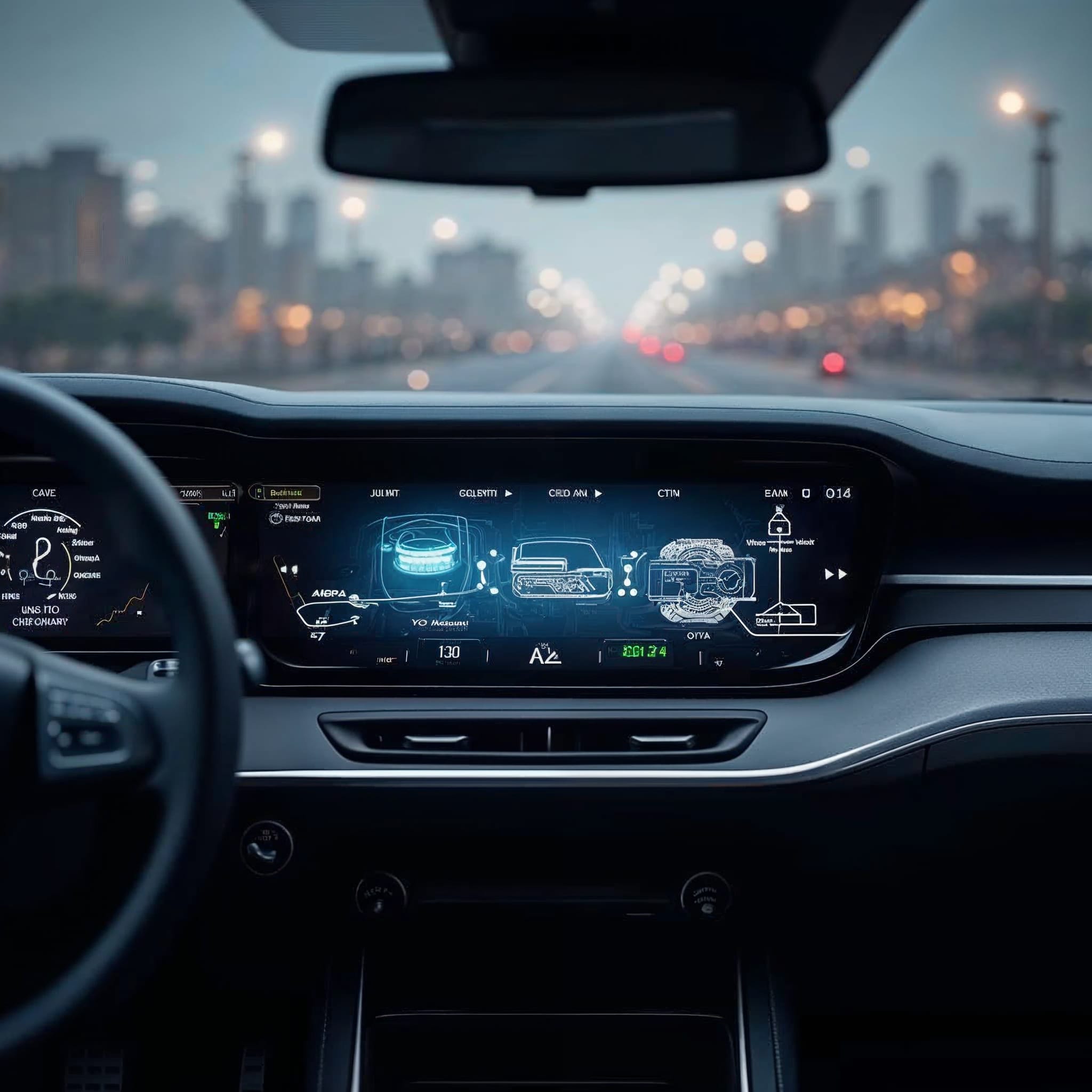
In the bustling heart of our modern cities, where the constant drone of traffic often defines the soundscape, a subtle revolution is taking place. This revolution isn’t heralded by loud proclamations or dramatic shifts, but by a gentle, almost imperceptible change in the rhythm of urban mobility. It’s the advent and widespread adoption of hybrid vehicles, ushering in an era where the journey through city streets can be characterized not by the roar of an engine, but by an uncanny silence and an unparalleled smoothness. Under the broad topic of ‘Quiet Operation and Smooth Acceleration: The Hybrid Driving Experience’, we delve into the specific advantages that hybrid cars offer to the urban driver. This isn’t just about saving on fuel; it’s about transforming the very essence of the daily commute, enhancing comfort, reducing stress, and contributing to a more peaceful urban environment for everyone. From the driver’s seat to the pedestrian on the sidewalk, the quiet hum of a hybrid car signals a new chapter in urban transportation, one where efficiency meets serenity, and technology delivers a truly refined driving experience.
Imagine gliding through a vibrant downtown, past historic buildings and bustling cafes, without a single combustion engine rumble interrupting the street’s natural sounds. Picture yourself pulling into your driveway early in the morning, your car a whisper, ensuring your neighbors remain undisturbed. These aren’t futuristic fantasies; they are the everyday realities for drivers of modern hybrid vehicles. The urban landscape, with its frequent stops, starts, and lower speed limits, is precisely where hybrid technology shines brightest, leveraging its electric motor capabilities to deliver a driving experience that is not only environmentally conscious but also deeply satisfying and remarkably quiet. This comprehensive exploration will uncover the technological underpinnings, the practical benefits, the environmental impact, and the evolving landscape of hybrid driving, offering a detailed look into why the urban hybrid driving advantage is becoming an increasingly compelling choice for discerning drivers worldwide.
The Dawn of Urban Tranquility: Understanding Hybrid Power
At the core of the urban hybrid driving advantage lies a sophisticated interplay between two distinct power sources: a traditional internal combustion engine (ICE) and one or more electric motors, complemented by a battery pack. This dual-source powertrain is what gives hybrid vehicles their unique characteristics, particularly their ability to operate in an almost silent electric-only mode at lower speeds, which is precisely what urban driving demands. Unlike conventional gasoline-powered cars that rely solely on fossil fuels, or pure electric vehicles (EVs) that require external charging, hybrids offer a blend of both worlds, optimizing power delivery and fuel consumption based on driving conditions.
The magic often begins the moment you start your hybrid vehicle. Instead of the familiar growl of an engine turning over, you might hear nothing at all, or perhaps a faint, futuristic hum. This is because many hybrids default to electric power for initial acceleration and low-speed cruising. As you navigate through parking lots, residential streets, or stop-and-go traffic, the electric motor can propel the vehicle entirely on its own, producing zero tailpipe emissions and, crucially, virtually no engine noise. This phenomenon is a game-changer for urban environments, dramatically reducing localized noise pollution and creating a more serene atmosphere within the cabin.
As speed increases or more power is required, for instance, when accelerating onto a main road or climbing a hill, the internal combustion engine seamlessly kicks in to provide additional thrust. Modern hybrid systems are engineered to manage this transition with incredible smoothness, making the shift between electric and gasoline power largely imperceptible to the driver and passengers. This intelligent energy management system continuously monitors driving conditions, battery charge, and driver input to determine the most efficient combination of power sources, optimizing for fuel economy and performance.
Another fundamental aspect of hybrid technology that contributes to its efficiency and smooth operation is regenerative braking. When a hybrid vehicle slows down or brakes, instead of simply dissipating kinetic energy as heat (as is the case with conventional friction brakes), the electric motor reverses its function, acting as a generator. This process captures kinetic energy and converts it back into electricity, which is then stored in the battery pack. This not only recharges the battery, extending the vehicle’s electric-only range and overall fuel efficiency, but also reduces wear and tear on the conventional brake pads, leading to lower maintenance costs over time. The feel of regenerative braking can take a little getting used to for some drivers, but it often contributes to a smoother deceleration experience, especially in stop-and-go city traffic.
Understanding these core mechanisms – the dual powertrain, electric-only mode, seamless transitions, and regenerative braking – is key to appreciating why hybrids are so well-suited for urban navigation. They are not merely cars with better fuel economy; they are sophisticated machines designed to deliver a quieter, smoother, and more refined driving experience, particularly in the challenging and often congested environment of the city.
The Symphony of Silence: A Deep Dive into Quiet Operation
The promise of quiet operation is perhaps the most compelling and immediately noticeable advantage of hybrid vehicles in an urban setting. While fuel efficiency is a significant long-term benefit, the sensory experience of gliding through city streets in near silence is profoundly impactful, both for the vehicle’s occupants and for the wider community. This absence of traditional engine noise transforms the driving experience from a utilitarian task into a calm, almost meditative journey.
For the driver and passengers, the reduction in cabin noise is a significant comfort enhancer. Imagine engaging in conversations without raising your voice, listening to music with pristine clarity, or simply enjoying the peaceful quiet during a solo commute. This reduction in ambient noise contributes to a less stressful driving experience, especially during peak hour traffic or prolonged journeys. The constant drone of an internal combustion engine, even a well-engineered one, can contribute to driver fatigue and stress over time. Hybrids mitigate this by relying on their electric motors at low speeds, where engine noise would typically be most pronounced and intrusive. The quietness also allows drivers to be more attuned to their surroundings, even though manufacturers are now mandated to include external sound generators for pedestrian safety at low speeds (an ironic, yet necessary, development).
Beyond the immediate cabin comfort, the quiet operation of hybrid vehicles has far-reaching implications for urban environments. Noise pollution is a serious concern in modern cities, contributing to stress, sleep disturbances, and even cardiovascular problems for residents. Every quiet hybrid car on the road contributes to a collective reduction in this pervasive problem. Think of residential streets, hospital zones, school areas, or even simply enjoying a cafe terrace – these spaces become more livable and enjoyable when the constant roar of passing traffic is replaced by a gentle whisper. This societal benefit, while harder to quantify in immediate financial terms, significantly enhances the quality of urban life.
The engineering behind this silence is multifaceted. It involves not just the electric motor itself, which inherently operates quietly, but also advanced soundproofing techniques in the vehicle’s chassis and cabin, designed to further isolate occupants from road noise and any subtle sounds from the engine when it does engage. Aerodynamic designs also play a role, minimizing wind noise at higher speeds, although the primary benefit in urban settings comes from the electric powertrain. Many hybrid manufacturers also focus on perfecting the transition between electric and gasoline power sources, ensuring it is not only smooth but also acoustically subtle. This attention to detail means that even when the engine does activate, it does so with minimal disruption to the cabin’s tranquility.
Furthermore, the increased adoption of hybrids can lead to a positive feedback loop within communities. As more quiet vehicles traverse city streets, the overall noise level decreases, making the quietness of individual vehicles even more noticeable and appreciated. This fosters a demand for quieter transportation solutions, encouraging further innovation and development in hybrid and electric vehicle technologies. The symphony of silence, therefore, is not just a personal luxury for the driver; it is a collective aspiration for a more peaceful and pleasant urban future.
Effortless Momentum: The Art of Smooth Acceleration
Beyond the quiet hum, another hallmark of the hybrid driving experience, especially in urban settings, is its remarkably smooth and responsive acceleration. This characteristic is largely attributable to the inherent properties of electric motors, which provide instant torque from a standstill. Unlike internal combustion engines that need to build up revolutions per minute (RPM) to reach their optimal power band, an electric motor delivers its full torque potential immediately upon activation. This translates into a feeling of effortless momentum, making stop-and-go city driving significantly less taxing and more enjoyable.
Picture yourself at a traffic light. As it turns green, a conventional gasoline car might hesitate slightly as the engine revs and the transmission shifts into gear. In contrast, a hybrid, often starting in electric mode, simply glides forward with immediate, seamless power. There are no lurching gear changes, no perceptible delays. This smooth, continuous power delivery is particularly advantageous in urban environments where quick, precise maneuvers are often required, whether it’s merging into traffic, changing lanes, or navigating tight spaces. The absence of traditional gear shifts also contributes significantly to the overall smoothness, as hybrids typically use continuously variable transmissions (CVTs) or electric drive systems that eliminate distinct gear ratios, providing an uninterrupted power band.
The feeling of responsiveness is not just about initial acceleration. It extends to situations where you need a burst of power while already in motion, such as overtaking a slower vehicle or quickly adjusting speed. The hybrid system’s ability to combine the immediate torque of the electric motor with the sustained power of the gasoline engine means there’s always ample power on demand, delivered without fuss or delay. This blended power delivery system optimizes performance for a wide range of urban driving scenarios, ensuring that the car feels nimble and capable, despite its focus on efficiency.
This effortless acceleration also has a subtle but significant impact on driver comfort and confidence. When a car responds predictably and smoothly to inputs, the driver feels more in control and less stressed. The jarring sensations of abrupt gear changes or hesitant acceleration, common in some conventional vehicles, are largely absent in a well-engineered hybrid. This contributes to a calmer driving demeanor, reducing the physical and mental fatigue associated with navigating dense urban traffic. Passengers also benefit from this smoothness, experiencing a more comfortable ride devoid of sudden jerks or lurches.
In essence, the smooth acceleration of a hybrid vehicle transforms the dynamic aspects of urban driving. It turns what can often be a frustrating and stop-start experience into a fluid and continuous motion. This characteristic, combined with the quiet operation, creates a holistic driving experience that is not only efficient and environmentally friendly but also inherently pleasurable and stress-reducing, perfectly aligning with the demands and desires of modern urban living.
Beyond Silence: Comprehensive Advantages of Urban Hybrids
While quiet operation and smooth acceleration are undeniable headline features of hybrid vehicles in the urban landscape, their advantages extend far beyond these sensory benefits. The integrated design of hybrid powertrains offers a suite of comprehensive benefits that impact everything from your wallet to the planet, making them an increasingly compelling choice for city dwellers.
Superior Fuel Efficiency in City Driving
One of the most widely recognized benefits of hybrids is their exceptional fuel economy, particularly in stop-and-go urban traffic. Conventional gasoline cars are least efficient when accelerating from a standstill and idling, as they consume fuel without moving. Hybrids, however, excel in these exact conditions. Their electric motors handle low-speed propulsion, and the engine can shut off entirely when the car is stopped at a light or in traffic. Furthermore, the regenerative braking system recaptures energy that would otherwise be lost, effectively giving the vehicle a “free” charge. This combination means hybrids often achieve significantly higher miles per gallon (MPG) ratings in city driving compared to their conventional counterparts, leading to substantial savings on fuel costs over time.
Reduced Emissions for Cleaner Air
The environmental impact of hybrid vehicles is a crucial advantage. By relying on electric power at lower speeds and optimizing engine operation, hybrids emit fewer greenhouse gases and pollutants compared to traditional gasoline vehicles. This is particularly important in urban areas, which often suffer from higher concentrations of air pollution due to dense traffic. Reduced tailpipe emissions contribute to cleaner air, improving public health and reducing the carbon footprint of individual drivers. Many cities are also introducing low-emission zones, and hybrids, especially plug-in hybrids (PHEVs), are often exempt or benefit from reduced charges, providing practical benefits for urban access.
Lower Running Costs Beyond Fuel
While fuel savings are prominent, hybrids can also offer other reductions in running costs. As mentioned, regenerative braking reduces wear on conventional brake pads, extending their lifespan and reducing the frequency of brake replacements. Some studies and owner experiences suggest that hybrids, particularly those from reputable manufacturers, can have robust powertrains designed for longevity. Moreover, many governments offer incentives for purchasing hybrid or low-emission vehicles, which can include tax credits, rebates, or reduced registration fees, further lowering the overall cost of ownership.
Enhanced Resale Value
As environmental consciousness grows and fuel prices remain volatile, the demand for fuel-efficient and eco-friendly vehicles continues to rise. This growing demand often translates into stronger resale values for hybrid cars. A well-maintained hybrid is likely to retain its value better than an equivalent conventional vehicle, providing a better return on investment when it comes time to upgrade or sell.
Integration of Advanced Safety and Technology
Hybrid vehicles are often at the forefront of automotive technology, incorporating advanced safety features and infotainment systems. Manufacturers frequently use hybrids as platforms to introduce their latest innovations, including adaptive cruise control, lane-keeping assist, automatic emergency braking, and sophisticated connectivity options. These features not only enhance safety but also contribute to a more convenient and enjoyable driving experience, further solidifying the hybrid’s position as a modern, forward-thinking vehicle choice.
In summation, the urban hybrid advantage extends far beyond the immediate sensory pleasures of quiet and smooth driving. It encompasses a holistic package of economic, environmental, and technological benefits that make them a smart and sustainable choice for navigating the complexities of city life.
Technological Innovations Shaping the Hybrid Future
The hybrid vehicle landscape is far from stagnant; it is a dynamic field of innovation constantly pushing the boundaries of efficiency, performance, and environmental responsibility. Recent developments and ongoing research are rapidly evolving hybrid technology, making these vehicles even more compelling for urban and suburban drivers alike. These advancements are not just incremental improvements but often represent significant leaps in powertrain efficiency, battery technology, and intelligent energy management.
The Rise of Plug-in Hybrid Electric Vehicles (PHEVs)
One of the most significant recent developments is the proliferation and refinement of Plug-in Hybrid Electric Vehicles (PHEVs). Unlike conventional “self-charging” hybrids that primarily use their engine and regenerative braking to recharge the battery, PHEVs feature larger battery packs and can be plugged into an external power source to charge. This allows them to offer a much greater electric-only range, typically between 20 to 50 miles or more, before the gasoline engine even needs to activate. For many urban commuters, this electric range is sufficient to cover their daily driving needs entirely on electricity, effectively turning their PHEV into a zero-emission EV for everyday use, with the gasoline engine serving as a range extender for longer trips. This dual capability offers the best of both worlds: electric driving for local commutes and the flexibility of gasoline for extended journeys without range anxiety.
Advanced Battery Technologies
Battery technology is at the heart of hybrid evolution. While Nickel-Metal Hydride (NiMH) batteries were common in early hybrids, Lithium-ion (Li-ion) batteries are now the standard, offering higher energy density, lighter weight, and improved performance. Research continues into next-generation battery technologies, such as solid-state batteries, which promise even greater energy density, faster charging times, enhanced safety, and longer lifespans. As these technologies mature, hybrid vehicles will be able to offer even longer electric ranges, quicker charging, and potentially smaller, lighter battery packs that don’t compromise cabin or cargo space.
Smarter Energy Management Systems
The “brain” of a hybrid vehicle, its energy management system, is becoming increasingly sophisticated. Modern systems use advanced algorithms to predict driving conditions based on navigation data, traffic information, and even driver behavior. For example, a hybrid might intelligently conserve battery charge if it knows a long stretch of highway driving is coming, then release that stored energy for maximum efficiency in an upcoming urban section. Some systems can even communicate with infrastructure, optimizing power usage based on traffic light timing or upcoming elevation changes. This predictive energy management further refines the seamless transition between power sources and maximizes fuel efficiency.
Vehicle-to-Grid (V2G) and Vehicle-to-Home (V2H) Potential
Looking further into the future, the integration of hybrid and electric vehicles into smart grids is a promising area. Vehicle-to-Grid (V2G) technology allows PHEVs and EVs to not only draw power from the grid but also to feed electricity back into it during periods of high demand, acting as mobile energy storage units. Similarly, Vehicle-to-Home (V2H) capabilities could allow a hybrid to power a home during an outage. While still in nascent stages for most consumer hybrids, the potential for these vehicles to become integral parts of a sustainable energy ecosystem is immense, offering additional utility beyond just transportation.
Regulatory Impacts and Innovation
Government regulations worldwide are increasingly pushing for lower emissions and higher fuel economy standards. This regulatory pressure acts as a powerful catalyst for automotive manufacturers to invest heavily in hybrid and electric vehicle research and development. This continuous innovation ensures that hybrid vehicles will remain at the forefront of efficient and environmentally friendly transportation, with new features and improvements being introduced regularly. The future of hybrids looks brighter and more integrated than ever, promising even greater advantages for urban drivers.
Addressing Common Misconceptions and Challenges
Despite their growing popularity and undeniable benefits, hybrid vehicles are sometimes subject to misconceptions and perceived challenges that can deter potential buyers. Addressing these concerns with accurate, up-to-date information is crucial for understanding the full scope of the urban hybrid advantage.
“Hybrid Batteries Don’t Last Long and Are Expensive to Replace.”
This is perhaps the most persistent myth. Modern hybrid batteries are designed to last the lifetime of the vehicle, often exceeding 150,000 to 200,000 miles, if not more. Manufacturers typically offer extensive warranties on hybrid components, including the battery, often for 8 years/100,000 miles or even 10 years/150,000 miles in some regions (e.g., California emissions warranty). While replacement costs can be significant, actual replacement is rare for most owners. Moreover, as battery technology advances, costs are decreasing, and repair options (e.g., replacing individual modules) are becoming more common than full battery pack replacements. Proper battery management systems within the car also prevent overcharging and deep discharging, significantly extending battery life.
“Hybrids Are Slow and Not Fun to Drive.”
Early hybrids might have been perceived as lacking power, but modern hybrids often deliver brisk acceleration, especially at city speeds, thanks to the instant torque of their electric motors. Many hybrids, particularly performance-oriented models or PHEVs, offer combined horsepower figures that rival or exceed conventional gasoline engines of similar size. The seamless acceleration and quiet operation often contribute to a more refined and enjoyable driving experience, rather than a dull one. While they might not be track-day champions, they are more than capable and often surprisingly agile in urban traffic.
“The Initial Cost of a Hybrid is Too High to Justify the Savings.”
It’s true that hybrids can sometimes have a higher upfront purchase price than comparable conventional gasoline vehicles. However, this initial premium is often offset by significant long-term savings. Factors to consider include:
- Fuel Savings: Dramatically lower fuel consumption, especially in city driving.
- Maintenance Savings: Reduced wear on brake pads due to regenerative braking.
- Government Incentives: Tax credits, rebates, or reduced fees depending on location.
- Resale Value: Often higher due to increasing demand for fuel-efficient vehicles.
When calculating the total cost of ownership (TCO) over several years, many hybrids prove to be more economical than their gasoline-only counterparts.
“Hybrid Technology is Too Complex and Hard to Maintain.”
While the underlying technology is sophisticated, from an owner’s perspective, maintaining a hybrid is largely similar to a conventional car. Regular oil changes, tire rotations, and fluid checks are still necessary. Specialized training is required for technicians to work on the high-voltage hybrid components, but most dealerships and many independent mechanics are now equipped and certified to handle hybrid service. The robust design and advanced diagnostics often mean that hybrids are, in many respects, as reliable as or even more reliable than conventional cars.
“What About the Environmental Impact of Battery Production and Recycling?”
The environmental footprint of battery production is a valid concern. However, manufacturers are continuously working to make battery production more sustainable, using renewable energy in factories and sourcing materials responsibly. Furthermore, hybrid batteries are highly recyclable. Dedicated programs are in place to recover valuable materials like lithium, cobalt, and nickel from end-of-life batteries, preventing them from ending up in landfills and reducing the need for virgin mining. The overall lifecycle emissions of a hybrid vehicle, including manufacturing and recycling, are generally significantly lower than those of a comparable conventional gasoline vehicle.
By debunking these common myths and addressing valid concerns, it becomes clearer that the challenges associated with hybrid ownership are often overstated or being actively mitigated by ongoing technological advancements and industry initiatives. The urban hybrid remains a smart, sustainable, and increasingly accessible choice.
The Hybrid Driver’s Perspective: A New Urban Lifestyle
Embracing a hybrid vehicle for urban navigation isn’t just about choosing a mode of transport; it’s about adopting a subtly different lifestyle, one that prioritizes calm, efficiency, and a connection to one’s surroundings. The everyday experiences of a hybrid driver in the city reveal a nuanced set of benefits that transform routine commutes into something more enjoyable and less stressful.
A Serene Commute: Reclaiming Peace and Quiet
For many urban drivers, the daily commute is a source of frustration, exacerbated by constant noise, gridlock, and the general cacophony of city life. The hybrid’s ability to operate in electric-only mode at lower speeds fundamentally alters this experience. The silence allows for a more contemplative drive, whether it’s reflecting on the day, enjoying a podcast without interference, or simply appreciating the sounds of the city that would otherwise be drowned out. Imagine driving home after a long day, and instead of battling engine noise, you’re enveloped in a quiet cabin, allowing you to decompress and transition smoothly from work to home life. This peace and quiet contribute significantly to reduced driver stress and improved mental well-being.
A Smoother Journey: Less Fatigue, More Enjoyment
The smooth acceleration and seamless transitions between power sources characteristic of hybrids make the driving experience less physically demanding. The absence of jarring gear changes or hesitant acceleration means less fatigue, especially in heavy traffic. This translates to a more comfortable ride for both the driver and passengers. For families, this can mean calmer children in the back seat, and for ride-share drivers, it can lead to more satisfied customers. The intuitive responsiveness of the hybrid powertrain also fosters a sense of effortless control, making urban navigation feel more like gliding than grinding.
Environmental Consciousness in Action
Driving a hybrid often comes with a sense of quiet satisfaction derived from knowing you’re making a positive environmental choice. The reduced fuel consumption and lower emissions contribute directly to cleaner air and a smaller carbon footprint. This sense of contributing to a more sustainable future can be a powerful motivator and a source of personal pride. Many hybrid drivers become more attuned to their driving habits, learning to maximize electric-only operation and regenerative braking, turning every trip into an exercise in eco-conscious efficiency. It’s a tangible way to participate in the global shift towards greener transportation.
Early Morning Departures and Late-Night Arrivals
A specific, yet highly valued, advantage for urban dwellers is the ability to move a hybrid vehicle silently. Needing to leave for work at 5 AM or returning late after an evening out no longer means disturbing sleeping family members or neighbors with a roaring engine. The silent departure or arrival in electric mode is a small courtesy that makes a big difference in residential areas, fostering better community relations and greater personal convenience.
Reduced Fuel Station Visits and Cost Savings
While not strictly about lifestyle, the practical benefit of fewer trips to the gas station significantly impacts daily routines. Urban driving, with its frequent stops and starts, is where hybrids truly shine in terms of fuel efficiency. This means more time saved, less money spent, and less interruption to your day. The cumulative effect of these small savings and conveniences adds up, contributing to a more relaxed and efficient urban lifestyle.
In essence, the hybrid driver’s perspective is one of thoughtful practicality and enhanced quality of life. It’s about enjoying the journey as much as the destination, contributing positively to the urban environment, and experiencing a form of mobility that is both advanced and inherently calming.
Comparison Tables
To further illustrate the tangible benefits of hybrid vehicles, especially in urban environments, let’s examine some key comparisons between different vehicle types and hybrid technologies.
Table 1: Hybrid vs. Conventional Gasoline Vehicle (Urban Driving Focus)
| Feature | Conventional Gasoline Car (ICE) | Full Hybrid Electric Vehicle (FHEV) |
|---|---|---|
| Quiet Operation | Engine noise always present, especially at low speeds and idle. | Near-silent in electric-only mode (EV mode) at low speeds and idle. Engine engages smoothly at higher speeds/demand. |
| Acceleration Smoothness | Can be jerky with gear shifts, especially in stop-and-go traffic; engine needs to rev. | Seamless, immediate torque from electric motor; smooth power delivery without perceptible gear shifts (often CVT). |
| Fuel Efficiency (City MPG) | Lower MPG due to idling and constant stop-starts wasting fuel. | Significantly higher MPG; electric motor handles low-speed propulsion and regenerative braking recaptures energy. |
| Emissions (Urban) | Higher localized emissions, especially during acceleration and idling. | Lower emissions, zero tailpipe emissions in EV mode; overall reduced carbon footprint. |
| Maintenance (Brakes) | Friction brakes bear full load; pads wear out faster in urban stop-and-go. | Regenerative braking reduces reliance on friction brakes, extending pad life. |
| Driver Stress Level | Can be higher due to noise, vibrations, and less smooth operation in traffic. | Lower due to quietness, smoothness, and less effort required for stop-and-go. |
| Environmental Impact | Greater contribution to urban air and noise pollution. | Reduced air and noise pollution; more eco-friendly urban mobility solution. |
Table 2: Types of Hybrid Vehicles: A Comparative Overview
| Hybrid Type | Electric Motor Role | Battery Size & Charging | Electric-Only Range | Primary Use Case Advantage |
|---|---|---|---|---|
| Mild Hybrid (MHEV) | Assists ICE with acceleration, allows engine stop/start, provides regenerative braking. Cannot propel car solely on electric power for extended periods. | Small battery (e.g., 48V system). Not externally chargeable. | Very limited (a few feet) or none. Primarily assists. | Entry-level electrification, modest fuel economy gains (especially city), smoother start/stop, lower cost. |
| Full Hybrid (FHEV) / Series-Parallel Hybrid | Can propel car independently on electric power, assist ICE, and provide regenerative braking. Engine also recharges battery. | Medium-sized battery. Not externally chargeable. | Typically 1-3 miles at low speeds (up to 30-40 mph). | Excellent urban fuel economy, significantly quieter urban driving, no range anxiety, lower emissions. Most common type. |
| Plug-in Hybrid (PHEV) | Can propel car independently on electric power for much longer distances. Assists ICE for more power, regenerative braking. | Larger battery. Externally chargeable via wall outlet or charging station. | Typically 20-50+ miles (fully electric mode). | Commutes largely on electricity, minimal/no gasoline use for daily driving, zero emissions for local trips, still has gasoline engine for long journeys. |
| Series Hybrid (Range-Extended EV) | Always powers the wheels. ICE acts solely as a generator to recharge battery when needed, not directly connected to wheels. | Large battery. Externally chargeable. | Variable, significant electric range (similar to PHEV or more). | Primarily electric driving experience, gasoline generator eliminates range anxiety, often smoother operation as ICE runs at optimal RPM. Less common for pure hybrids now. |
Practical Examples: Real-World Use Cases and Scenarios
The urban hybrid driving advantage isn’t just theoretical; it translates into tangible benefits and improved experiences in numerous everyday scenarios. These real-world applications underscore why hybrids are becoming an indispensable part of modern city living.
-
The Early Morning Departure:
Imagine leaving for work at 6 AM. In a conventional gasoline car, the ignition sequence and engine warm-up would likely be audible to sleeping family members or neighbors. With a hybrid, particularly a Full Hybrid or PHEV, the car can often start and pull out of the driveway in silent electric-only mode. The gentle hum of the electric motor is barely audible, ensuring you don’t disturb anyone and can start your day with a sense of calm and consideration.
-
Navigating Congested Downtown Traffic:
During rush hour, city centers become a symphony of honking horns and roaring engines, compounded by constant stopping and starting. A hybrid excels here. As traffic crawls and stops, the gasoline engine often shuts off completely, and the electric motor handles the constant slow-speed maneuvering. This means less engine noise, no idling emissions, and significantly better fuel economy compared to a conventional car perpetually burning fuel at a standstill. The smooth acceleration also makes these frequent stops and starts much less jarring, reducing driver fatigue.
-
Parking Lots and Garages:
Finding a parking spot in a busy city can be a chore. Maneuvering through multi-story parking garages, with their tight turns and echoing acoustics, amplifies engine noise in a conventional vehicle. A hybrid, operating silently in EV mode, transforms this experience. You can quietly search for a spot without adding to the noise, and the immediate torque from the electric motor makes low-speed, precise parking maneuvers effortless.
-
Driving Through Residential Neighborhoods and School Zones:
Safety and quiet are paramount in residential areas. When driving through streets lined with homes or near schools where children are playing, a hybrid’s quiet operation is a significant benefit. While most new hybrids are now mandated to emit a low-speed warning sound for pedestrian safety, it is far less intrusive than a combustion engine. This quieter presence contributes to a more peaceful environment for residents and a calmer, more attentive driving experience for you.
-
Urban Deliveries and Ride-Share Services:
For professionals like delivery drivers or ride-share operators, who spend their entire day navigating city streets, the benefits are compounded. The continuous cycle of stopping, idling, and starting means massive fuel savings over the course of a shift. The quiet, smooth ride also enhances passenger comfort, potentially leading to better reviews and a more pleasant working environment for the driver. Reduced maintenance on brakes further adds to the economic advantages for high-mileage users.
-
Visiting Outdoor Cafes and Parks within City Limits:
Cities often feature green spaces or lively outdoor dining areas where people gather. Driving through these areas in a hybrid allows you to pass by without disrupting the ambiance. Patrons at a sidewalk cafe can continue their conversations undisturbed, and those enjoying a moment of peace in a park aren’t subjected to sudden engine noise. It’s a subtle but meaningful contribution to the overall quality of urban public spaces.
-
Extended Waiting Times (e.g., Carpool Pick-up, Drive-Thru):
Whether waiting for a child after school, at a train station, or slowly moving through a drive-thru line, a conventional car would typically be idling, burning fuel, and producing emissions and noise. A hybrid can often keep its engine off, maintaining climate control and infotainment using battery power. This saves fuel, reduces emissions, and keeps the environment quiet for both the occupants and those around the vehicle.
These practical examples highlight how hybrid technology seamlessly integrates into and improves the fabric of urban life, offering tangible benefits that enhance convenience, comfort, and environmental responsibility for both drivers and the wider community.
Frequently Asked Questions
Q: How do hybrids achieve such quiet operation?
A: Hybrid vehicles achieve quiet operation primarily by leveraging their electric motor at low speeds and during idle. Unlike conventional gasoline engines that constantly run, hybrid electric motors operate silently and produce zero tailpipe emissions when functioning alone. The car’s intelligent energy management system will often prioritize electric power for starting, backing up, and cruising at urban speeds (typically up to 20-40 mph, depending on the model and battery charge). When the gasoline engine does engage, it’s often done seamlessly and quietly, thanks to advanced engineering and sound insulation. This significantly reduces noise pollution, especially in stop-and-go city traffic and residential areas.
Q: Are hybrids less powerful or slower than traditional gasoline cars?
A: This is a common misconception, especially rooted in experiences with earlier hybrid models. Modern hybrids are often surprisingly powerful and responsive. Electric motors provide instant torque from a standstill, allowing for brisk acceleration, particularly in city driving scenarios where immediate power is needed. While some hybrids prioritize fuel economy over raw performance, many newer models, including performance-oriented hybrids and plug-in hybrids, offer combined horsepower ratings that rival or exceed conventional gasoline engines of similar size. The seamless power delivery, often managed by a Continuously Variable Transmission (CVT) or similar system, also contributes to a feeling of effortless acceleration, making them feel agile and capable in urban traffic.
Q: What is the typical battery life of a hybrid vehicle, and is it expensive to replace?
A: Modern hybrid batteries are designed for longevity, typically lasting the entire lifespan of the vehicle, often 150,000 to 200,000 miles or more. Manufacturers usually provide extensive warranties on hybrid batteries, commonly 8 years or 100,000 miles, with some regions offering up to 10 years or 150,000 miles. While a full battery replacement can be expensive if needed outside of warranty, actual replacement is rare for most owners. Furthermore, advancements in technology have led to lower battery costs and the possibility of replacing individual modules rather than the entire pack, making repairs more affordable when necessary. Proper battery management systems also optimize charging and discharging cycles to extend battery health.
Q: Is maintenance for a hybrid vehicle more expensive or complicated than for a conventional car?
A: Generally, routine maintenance for a hybrid vehicle is similar to a conventional gasoline car, involving oil changes, tire rotations, and fluid checks. In some areas, hybrids might even incur lower maintenance costs. For instance, regenerative braking significantly reduces wear on traditional brake pads, extending their lifespan. While specialized training is required for technicians to service the high-voltage electrical components, most dealership service centers and many independent mechanics are now equipped and certified to handle hybrid repairs. The overall reliability of hybrid systems has also proven to be very high, often on par with, or exceeding, conventional vehicles.
Q: Do hybrids really save a lot on fuel, especially in the city?
A: Yes, hybrids are exceptionally good at saving fuel, particularly in city driving conditions. This is because their electric motors handle low-speed propulsion and the gasoline engine can shut off entirely when the car is stopped or coasting. Conventional cars are least efficient in stop-and-go traffic and while idling. Hybrids also utilize regenerative braking to capture energy lost during deceleration and store it in the battery, which further boosts efficiency. These features combined lead to significantly higher miles per gallon (MPG) ratings in urban driving compared to comparable conventional gasoline vehicles, resulting in substantial savings on fuel costs over time.
Q: What’s the main difference between a mild hybrid, a full hybrid, and a plug-in hybrid?
A:
- Mild Hybrid (MHEV): Has a small electric motor that primarily assists the gasoline engine during acceleration and enables a smoother auto start/stop function. It cannot propel the car solely on electric power for any significant distance. It offers modest fuel economy gains.
- Full Hybrid (FHEV): Features a more powerful electric motor and a larger battery. It can propel the car entirely on electric power for short distances (typically 1-3 miles) at low speeds. The gasoline engine and electric motor can work independently or together. It offers significant fuel economy improvements, especially in city driving.
- Plug-in Hybrid (PHEV): Equipped with an even larger battery that can be recharged by plugging into an external power source. PHEVs offer a much longer electric-only range (e.g., 20-50+ miles), allowing many commuters to drive entirely on electricity for their daily trips. They still have a gasoline engine for extended range, eliminating range anxiety.
Q: Are hybrids a safety risk for pedestrians because they are so quiet?
A: This is a legitimate concern. The near-silent operation of hybrids in electric mode at low speeds can indeed make them less audible to pedestrians, cyclists, and visually impaired individuals. To address this, many countries, including the US (NHTSA) and Europe (UNECE), have mandated that hybrid and electric vehicles emit a specific low-level warning sound when traveling at low speeds (typically below 18-19 mph). This Acoustic Vehicle Alerting System (AVAS) ensures that hybrids are still detectable by others in their vicinity, balancing quiet operation with pedestrian safety. The sounds are designed to be noticeable but not overly intrusive.
Q: What happens if a hybrid battery runs out of charge? Will the car stop working?
A: No, a full hybrid (FHEV) or plug-in hybrid (PHEV) will not stop working if its hybrid battery runs out of charge. The gasoline engine will simply take over as the primary power source, and it will also charge the hybrid battery. If the larger battery in a PHEV is depleted, it essentially operates like a full hybrid, using the gasoline engine and regenerative braking to keep the smaller hybrid battery topped up and assist propulsion. The car is always designed to seamlessly transition and keep you moving, ensuring you’re never stranded due to an empty hybrid battery.
Q: Is it worth buying a hybrid if most of my driving is on the highway?
A: The fuel economy advantage of hybrids is most pronounced in city driving, where the electric motor and regenerative braking are frequently utilized. On the highway, the gasoline engine is usually the primary power source, and the benefits of electric-only driving are minimal. However, hybrids still offer good highway fuel economy due to their efficient gasoline engines and aerodynamic designs, often benefiting from the electric motor assisting during acceleration or maintaining speed. While the city is where they truly shine, they generally still offer better or comparable highway MPG to non-hybrid counterparts, alongside the benefits of smooth acceleration and reduced emissions overall. For those with a mix of city and highway driving, the hybrid advantage is still significant.
Q: How are hybrid batteries recycled at the end of their life?
A: Hybrid vehicle manufacturers and specialized recycling companies have established robust programs for recycling end-of-life hybrid batteries. These batteries contain valuable materials like lithium, cobalt, nickel, and copper, which are recovered and reused in new batteries or other industries. The recycling process involves safely dismantling the battery packs, shredding the components, and then using chemical or metallurgical processes to extract the raw materials. This prevents hazardous materials from entering landfills and reduces the environmental impact associated with mining new resources. As the number of hybrid vehicles on the road grows, battery recycling infrastructure is continuously expanding and improving.
Key Takeaways
The urban hybrid driving advantage offers a compelling blend of benefits that redefine the experience of navigating city streets. Here are the core takeaways:
- Unparalleled Quietness: Hybrid vehicles significantly reduce noise pollution in urban environments, thanks to their ability to operate silently on electric power at low speeds. This creates a calmer cabin experience for occupants and a more peaceful city for residents.
- Effortless Smoothness: The instant torque of electric motors and seamless transitions between power sources provide incredibly smooth acceleration and braking, making stop-and-go city traffic less strenuous and more comfortable.
- Superior Urban Fuel Efficiency: Hybrids excel in city driving, utilizing electric power and regenerative braking to achieve significantly higher miles per gallon compared to conventional gasoline cars, leading to substantial fuel savings.
- Reduced Environmental Impact: Lower tailpipe emissions contribute to cleaner urban air and a reduced carbon footprint, aligning with global efforts for sustainable transportation.
- Advanced Technology Integration: Modern hybrids incorporate cutting-edge battery technologies, sophisticated energy management systems, and often advanced safety features, positioning them at the forefront of automotive innovation.
- Enhanced Quality of Life: Beyond the technical benefits, hybrids contribute to a less stressful, more serene, and environmentally conscious urban lifestyle for drivers and the community.
- Robust and Reliable: Addressing common misconceptions, modern hybrids are built for durability, with long-lasting batteries and comparable maintenance costs to conventional vehicles over their lifespan.
- Versatile Options: From mild hybrids to full hybrids and plug-in hybrids, a range of technologies exists to suit different driving needs and preferences, offering solutions from modest assistance to significant electric-only range.
Conclusion
The journey through our increasingly dense and dynamic urban landscapes demands more than just efficient transportation; it calls for a mode of mobility that respects the environment, enhances personal well-being, and contributes positively to the collective urban experience. The hybrid vehicle, with its distinctive blend of quiet operation and smooth acceleration, stands as a compelling answer to this call. It offers a profound transformation of the daily commute, shifting it from a noisy, often stressful ordeal to a serene, efficient, and deeply satisfying endeavor.
From the subtle hum as you pull out of your driveway in the morning, to the seamless glide through congested traffic, and the quiet arrival back home, the urban hybrid delivers an experience that is both technologically advanced and inherently calming. It’s a testament to ingenious engineering that allows us to move forward without the usual accompanying cacophony, saving fuel and reducing emissions without compromising on performance or comfort. As cities continue to grow and our collective environmental consciousness deepens, the advantages offered by hybrid driving will only become more pronounced and appreciated.
Embracing the urban hybrid driving advantage isn’t merely a practical choice; it’s a step towards a more thoughtful and sustainable urban lifestyle. It’s an investment in personal comfort, a contribution to cleaner air and quieter streets, and an affirmation that modern technology can indeed harmonize with our desire for peace and efficiency. The silent revolution on city streets is well underway, and for those ready to experience a calmer, smoother, and greener way to navigate the urban jungle, the hybrid car is ready to lead the way.