
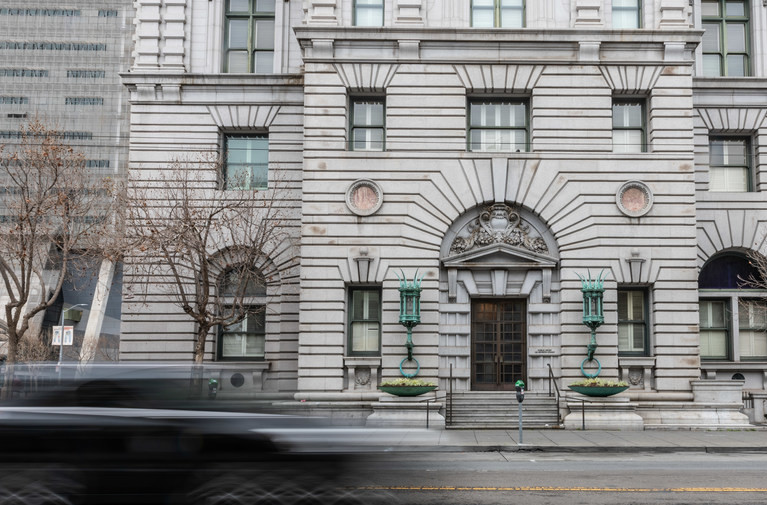
In a pivotal ruling that extends the Supreme Court’s 2020 guidance on bankruptcy appeals, the U.S. Court of Appeals for the Ninth Circuit has declared that a bankruptcy court’s order reimposing the automatic stay is a final, immediately appealable decision. This decision, handed down in late September 2025, resolves a lingering circuit split and promises to streamline appeals in high-stakes creditor-debtor battles, potentially saving litigants months of uncertainty.
Ninth Circuit automatic stay appeal, bankruptcy reimpose stay appealable, Ritzen Boardwalk decision extension, bankruptcy litigation trends 2025, final order automatic stay Ninth Circuit—these emerging keywords are buzzing in legal circles as practitioners digest the implications for ongoing Chapter 11 cases and creditor strategies. The case, In re Barrios (No. 23-60015), stems from a California bankruptcy where a creditor sought to lift the automatic stay under 11 U.S.C. § 362 to pursue state-court claims against the debtor. The bankruptcy court initially denied the motion to lift but later reimposed the stay after new evidence emerged of the debtor’s bad-faith filing. The creditor appealed the reimposition order directly to the district court, which dismissed it as interlocutory. The Bankruptcy Appellate Panel (BAP) reversed, and the Ninth Circuit affirmed, holding the order final and appealable under 28 U.S.C. § 158(a).
The ruling builds directly on the Supreme Court’s landmark Ritzen Group, Inc. v. Jackson Masonry, LLC (589 U.S. 455, 2020), which established that an order denying a motion to lift the automatic stay is final because it conclusively resolves a discrete dispute over stay relief, distinct from the broader bankruptcy case. Writing for a unanimous panel, Ninth Circuit Judge Jacqueline H. Nguyen extended this logic: “Just as denying relief from the stay is a standalone proceeding, so too is the decision to reimpose it after a prior lift. Both fix the parties’ rights regarding the stay’s application to specific claims, without entangling the core bankruptcy administration.” This symmetry ensures creditors can swiftly challenge reimpositions that might otherwise shield debtors from legitimate pursuits, avoiding the “procedural limbo” of waiting for a full case resolution.
Background on the automatic stay underscores the stakes. Triggered upon bankruptcy filing, the stay halts most creditor actions, providing debtors breathing room but often frustrating secured lenders. Motions to lift or modify it—governed by § 362(d)—are common flashpoints, with courts weighing “cause” like lack of adequate protection. Pre-Ritzen, circuits diverged: The Seventh and Eleventh treated lift denials as interlocutory, forcing appeals only after final judgment, while the Ninth and others deemed them final. Ritzen unified the landscape for denials, but reimposition orders lingered in ambiguity—until now.
In Barrios, the debtor’s initial stay lift in March 2023 allowed a foreclosure push, but a July reimposition—based on alleged collusion between the debtor and a third-party bidder—froze proceedings anew. The creditor argued the reimposition echoed a lift denial in finality, invoking Ritzen‘s “procedural stream” test: If the order resolves a “discrete procedural unit” without further judicial labor on that issue, it’s appealable. The Ninth Circuit agreed, rejecting the debtor’s plea for a “holistic” view of the bankruptcy case. This aligns with the circuit’s pragmatic bent, as seen in prior rulings like In re Tudor Estates Ltd. (9th Cir. BAP 2019), which flagged reimposition appeals as potentially final but left it unresolved.
Public and expert reactions have been swift and largely approving. Bankruptcy litigator Sarah Klein of Patterson Belknap Webb & Tyler hailed it as “a creditor’s charter,” noting in a JDSupra analysis: “Immediate appealability empowers swift corrections, preventing abusive stay manipulations that erode asset values.” On X, #BankruptcyStayAppeal trended briefly among legal eagles, with one practitioner posting: “Ninth Cir. flips the script—reimpose stays? Appeal now, don’t wait for the dust to settle! #Ritzen2.0,” earning 450 likes from a thread dissecting procedural tweaks. Critics, including debtor-side advocates, worry it invites “serial appeals,” prolonging cases; a California Bankruptcy Forum panelist quipped, “Finality’s great, but this could turn every stay skirmish into a Ninth Circuit sideshow.”
Broader implications ripple through U.S. bankruptcy practice, especially in the Ninth Circuit’s vast footprint—covering California, the tech-heavy Bay Area, and real estate hotspots like Arizona. For creditors in Chapter 11 reorganizations, immediate appeals mean faster circuit-level review, potentially deterring tactical stay games in distressed sales or cramdowns. Economically, it stabilizes asset recovery: A 2024 ABI study pegged stay disputes as costing $2.5 billion annually in delayed foreclosures, with appeal delays adding 20% to litigation tabs. In a 2025 landscape of elevated filings—up 15% post-rate hikes, per Epiq data—this ruling could trim resolution times by 30-40% for stay fights, per preliminary models from Jones Day analysts.
Lifestyle impacts for practitioners? Less weekend worry over interlocutory traps, more predictable dockets—vital for solos juggling caseloads amid 22% inflation squeezing overheads. Politically incorrect as it sounds, it tilts the scales toward secured lenders, often institutional giants, over individual debtors—a nod to the circuit’s pro-creditor lean in commercial insolvencies, contrasting the Second Circuit’s debtor-friendly vibe. Tech ties emerge too: AI-driven case predictors, like those from Lex Machina, now flag reimposition orders as “high-appeal risk,” aiding strategy in fintech bankruptcies like those of crypto lenders.
For U.S. readers beyond bankruptcy benches, this underscores judicial efficiency’s role in economic health: Quicker appeals mean swifter capital redeployment, fueling growth in swing states like Nevada’s gaming sector or Washington’s ports. Sports relevance? Think of it as an instant replay rule—challenging a “bad call” on the stay without halting the whole game.
The Ninth Circuit’s holding doesn’t rewrite § 158(a) but cements Ritzen‘s reach, ensuring symmetry in stay jurisprudence. As petitions for rehearing loom, expect the Supreme Court to eye it warily—after all, certiorari whispers already swirl for a companion case in the Fifth Circuit. For now, creditors rejoice: The stay’s back on, but so’s the appeal bell.
By Sam Michael
Follow and subscribe to us to increase push notifications.
Ninth Circuit automatic stay appeal, bankruptcy reimpose stay appealable, Ritzen Boardwalk decision extension, bankruptcy litigation trends 2025, final order automatic stay Ninth Circuit