Oil prices are holding near four-year highs above $100 a barrel as markets grapple with uncertainty over how—and when—the Strait of Hormuz might reopen, following reports that the Trump administration is willing to end military operations against Iran even if the vital waterway remains largely closed.
?️ Current Price Levels
As of March 31, 2026:
BenchmarkPrice (approx.)Significance
WTI (US crude) ~$103/barrel . First close above $100 since July 2022
Brent (global) ~$107–$113/barrel. Highest since July 2022; on track for record monthly gain
US retail gasoline ~$4.00/gallon Nearing the psychological $4 mark
Oil prices have surged roughly 50–60% since the war began on February 28, making this one of the steepest monthly increases in history.
? The Strait of Hormuz Situation
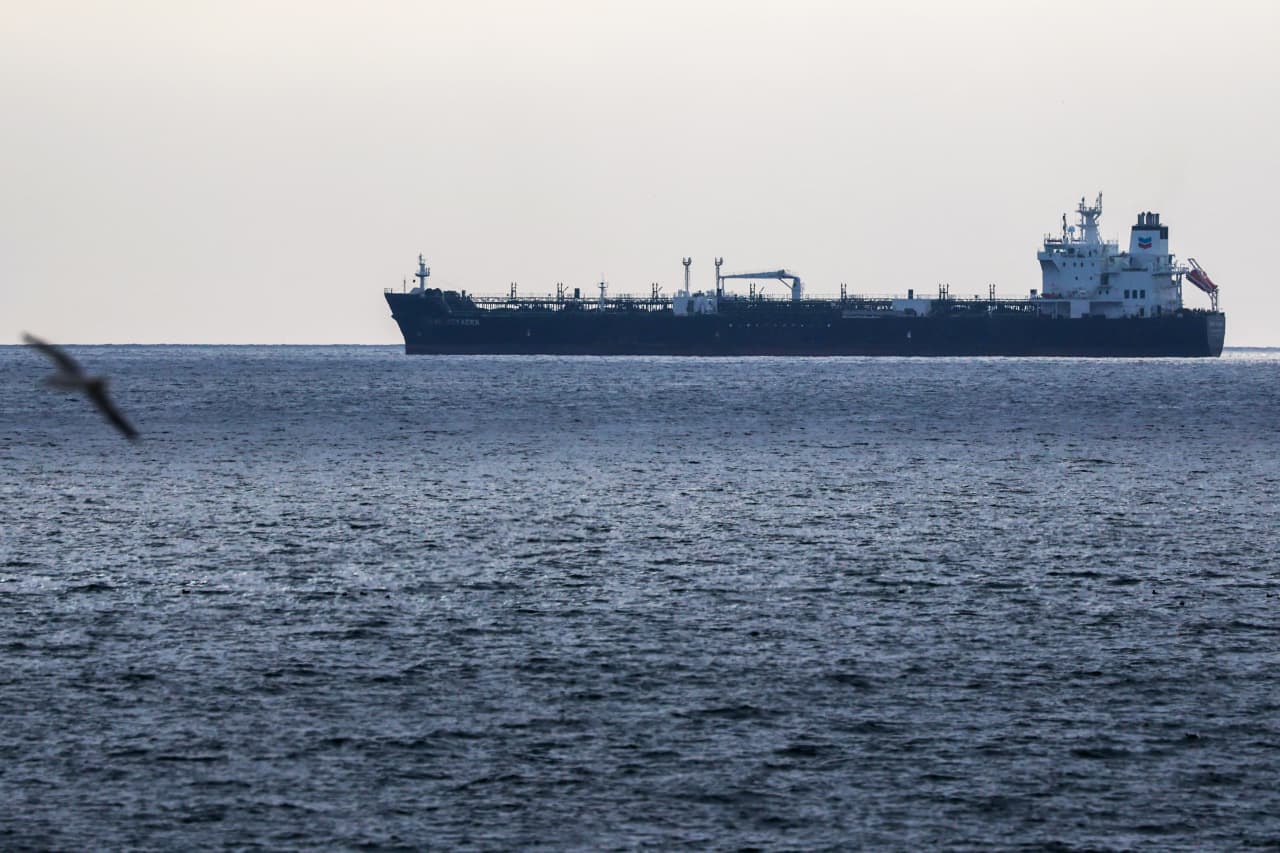
The Strait of Hormuz—a narrow chokepoint between Iran and Oman—normally handles about 20% of the world’s oil supply. Since the outbreak of the US-Israeli war with Iran, Tehran has effectively closed the strait to most commercial traffic, banning American and Israeli vessels while allowing a limited number of ships (including some from Pakistan, China, and Malaysia) to pass through approved routes.
Iran’s Parliamentary Security Committee has approved plans to impose tolls on vessels transiting the strait, asserting greater sovereign control over the waterway.
? The “Unclear Plan”—Why Markets Are on Edge
Markets are reacting to conflicting signals about how the Strait will reopen:
FactorDetails
Trump’s reported exit strategy. According to the Wall Street Journal, Trump told aides he is willing to wind down military operations even if the strait remains largely closed, after determining a full military reopening would extend beyond his 4-6 week campaign timeline.
US diplomatic approach Washington now aims to weaken Iran’s navy and missile stocks, then pressure Tehran diplomatically to restore trade flows—or push European and Gulf allies to take the lead on reopening.
Secretary of State Marco Rubio insists the strait will reopen “one way or another”—by Iranian compliance or by a US-led coalition—warning of “real consequences” if Iran maintains the closure.
Trump’s escalation threats. Trump has simultaneously threatened to “blow up” Iran’s oil wells, power plants, and Kharg Island (handling 90% of Iran’s oil exports) if the strait does not reopen.
? What This Means for Markets
The administration’s apparent shift toward prioritising de-escalation over immediate Strait reopening has actually eased some investor concerns—because it reduces the probability of a more escalatory scenario involving direct attacks on Iranian energy infrastructure. However, significant uncertainty remains:
- Analyst warning: Macquarie Group estimates Brent crude could hit $200 per barrel if disruptions continue through June
- Broader risks: Iran has also threatened to disrupt the Bab el-Mandeb Strait (Red Sea chokepoint handling ~12% of oil shipments), which would further strain global supply chains
- Supply chain impact: Tens of ships are stranded in the Gulf, and industries reliant on materials like fertiliser and helium are reporting shortages
? Bottom Line
Oil markets are currently caught between two competing narratives: US diplomatic efforts to pressure Iran into reopening the strait, and reports that Washington may accept a prolonged closure while focusing on other military objectives. Until there is clarity on whether the Strait will be reopened by force, diplomacy, or not at all, prices are likely to remain volatile and elevated above $100.
Are you interested in the potential impact on fuel prices or specific industry sectors?