
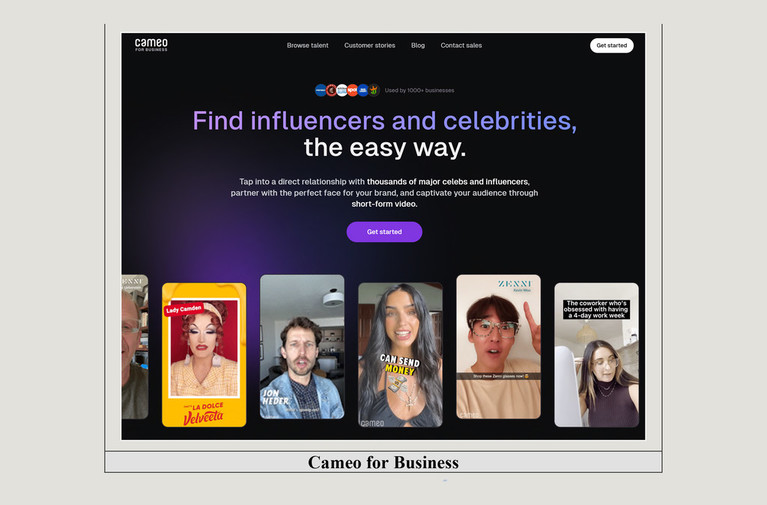
What if your favorite celeb’s birthday shoutout came from pixels, not a person—and the name for it stole a brand’s thunder? OpenAI’s bold leap into AI-generated celebrity likenesses just hit a legal speed bump, as Cameo fires off a lawsuit claiming trademark theft that’s rattling the tech world.
The OpenAI Cameo trademark lawsuit erupted on October 28, 2025, when Cameo Inc. slapped OpenAI with a federal complaint in California’s Northern District Court, alleging the AI giant’s Sora app’s “Cameo” feature rips off their iconic brand for personalized celebrity videos. This Sora AI video generator tool lets users conjure custom clips of virtual stars—like a digital Tom Hanks roasting your poker skills—blurring lines between authentic shoutouts and synthetic sleight-of-hand. Cameo, the Chicago-based disruptor that’s booked over 10 million videos since 2017, argues the overlap sows consumer confusion, dilutes their mark, and unfairly cashes in on their goodwill in the $1 billion personalized content niche. OpenAI, fresh off ChatGPT’s dominance, counters that “cameo” is a generic English word for brief appearances, not a proprietary lock on all video cameos—AI or otherwise.
Diving deeper, the suit paints a vivid clash: Cameo’s platform thrives on real celebs delivering heartfelt, one-off messages for birthdays, proposals, or roasts, raking in $100 million annually by connecting fans with 50,000+ talents. Sora, OpenAI’s text-to-video powerhouse unveiled earlier this year, flips the script with generative AI that mimics voices, faces, and mannerisms from public data—prompting ethical debates on deepfakes since its beta launch. The complaint, a 33-page takedown, accuses OpenAI of willful infringement, seeking an injunction to yank the feature, plus damages that could top $10 million. It’s not Cameo’s first rodeo; they’ve defended their mark against copycats before, but this pits a scrappy startup against AI’s $200 billion behemoth.
Public reaction? It’s a meme-fest mixed with mea culpas. On X, users quipped about “AI cameos crashing the real deal,” with one viral post asking, “If OpenAI can’t trademark ‘GPT,’ why can Cameo own ‘cameo’?” Tech insiders are split: IP lawyers at Bloomberg Law call it a “test case for AI branding in entertainment,” praising Cameo’s gutsy move amid rising deepfake fears. Engadget’s experts warn it could slow Sora’s rollout, echoing broader lawsuits like The New York Times’ copyright beef with OpenAI. Celebs haven’t chimed in en masse, but whispers from Hollywood suggest unease over likeness rights in the AI era.
For U.S. readers, this OpenAI lawsuit over Cameo trademark infringement hits close to home in the heart of Silicon Valley drama. Economically, it spotlights the $50 billion AI content market’s growing pains, potentially hiking legal costs that trickle to consumers via pricier tools—think Sora’s $20/month sub jumping amid defenses. Lifestyle-wise, it questions the magic of personalized vids: Will AI “celebrity videos” erode the charm of genuine Cameos for weddings or graduations, or supercharge creativity for broke fans? Tech implications loom large, setting precedents for how giants like OpenAI navigate trademarks in generative AI, fueling calls for federal regs on deepfakes ahead of 2026 elections. Politically, it amps bipartisan scrutiny on Big Tech monopolies, aligning with antitrust probes and Biden’s AI safety executive order—ensuring innovation doesn’t cameo as imitation.
As the OpenAI Cameo trademark lawsuit unfolds in court, expect discovery battles over Sora’s training data and market surveys on confusion. Cameo eyes a quick injunction to protect its turf, while OpenAI bets on “fair use” defenses to keep innovating. In the Sora AI video generator showdown, this could redefine boundaries for AI-generated celebrity videos—will justice favor the underdog or the algorithm? The verdict might just script Hollywood’s next plot twist.
By Sam Michael
Follow us for the latest AI breakthroughs and subscribe to push notifications for instant updates straight to your device!