
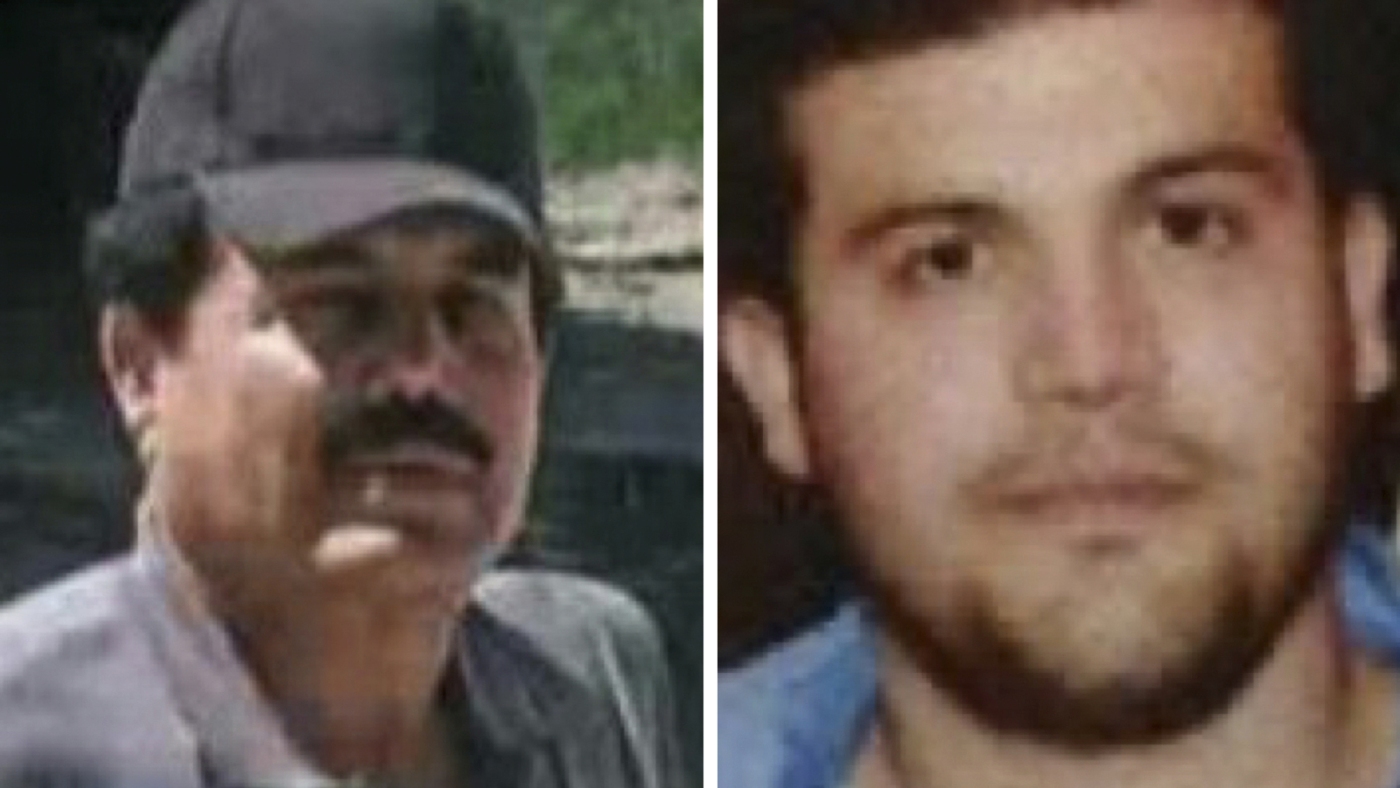
Plea Deal with Son of Drug Kingpin ‘El Chapo’ Details Shocking Abduction of Legendary Sinaloa Capo
In a dramatic courtroom revelation that reads like a cartel thriller, the son of infamous drug lord Joaquín “El Chapo” Guzmán has pleaded guilty, spilling details of a brazen ambush that delivered one of Mexico’s most wanted kingpins straight to U.S. authorities. This twist in the Sinaloa cartel’s internal war could reshape the multibillion-dollar drug trade flooding American streets.
The plea hearing unfolded Monday in federal court in Chicago, where Joaquín Guzmán López, 39, admitted to his central role in the abduction of Ismael “El Mayo” Zambada, the shadowy co-founder of the Sinaloa cartel who evaded capture for decades. Guzmán López, one of El Chapo’s four sons known collectively as “Los Chapitos,” faced charges of drug trafficking and continuing a criminal enterprise. He confessed to overseeing the shipment of tens of thousands of kilograms of narcotics—cocaine, fentanyl, methamphetamine, and heroin—into the United States over years.
According to the plea agreement, the abduction played out like a meticulously planned heist on July 25, 2024, near Culiacán, the Sinaloa state capital long considered the cartel’s heartland. Guzmán López allegedly lured Zambada to a clandestine meeting under the pretense of discussing business with local politicians—one of whom was later found murdered, adding a layer of sinister intrigue. Upon arrival, armed assailants in green military-style uniforms—presumed to be Los Chapitos’ enforcers—stormed the site. They burst through an open window, seized the 77-year-old Zambada, hooded him with a bag, and subdued him.
Zambada, drugged to ensure compliance, was then bundled onto a private plane and flown across the border to El Paso, Texas, where U.S. federal agents were waiting. The operation, prosecutors revealed, was Guzmán López’s bid to consolidate power within the fractured Sinaloa cartel, handing over his longtime rival as a potential bargaining chip with American law enforcement. This wasn’t just betrayal; it was a calculated power grab in a organization already reeling from El Chapo’s 2019 life sentence in a U.S. supermax prison.
The Sinaloa cartel, long the world’s most powerful drug trafficking syndicate, has been a thorn in the side of U.S. authorities for generations. Founded in the 1980s, it rose to dominance under El Chapo and Zambada, smuggling mountains of drugs through hidden tunnels, submarines, and corrupt officials. Zambada’s arrest marks a seismic shift: At his arraignment, he too pleaded not guilty, but the plea from Guzmán López could pressure him toward a deal of his own.
Legal experts are buzzing about the implications. “This plea doesn’t just expose the mechanics of the abduction; it lays bare the cartel’s internal rot,” said Mike Vigil, a former DEA chief of international operations. “Los Chapitos are playing a dangerous game, trading a partner for leniency, but it risks all-out war with Zambada’s loyalists.” Vigil, speaking to NPR, highlighted how such infighting often spills over borders, fueling violence in U.S. border towns.
Public reaction has been a mix of shock and dark fascination. On social media platforms like X, hashtags such as #ElChapoSonPlea and #SinaloaBetrayal trended overnight, with users dissecting the “Hollywood-level” plot. “From tunnel escapes to window ambushes—cartel drama never disappoints,” one viral post quipped, amassing thousands of likes. Mexican officials, however, expressed alarm. President Claudia Sheinbaum, who took office amid the fallout from these arrests, has deployed additional federal troops to Sinaloa to curb escalating turf battles that have claimed hundreds of lives since July 2024.
For Americans, the stakes couldn’t be higher. The Sinaloa cartel is the primary source of fentanyl pouring into the U.S., fueling a public health crisis that claimed over 100,000 overdose deaths last year alone. Guzmán López’s guilty plea to trafficking charges directly implicates him in that pipeline, potentially disrupting supply lines and offering a rare win for the DEA’s long war on cartels. Economically, it could stabilize border communities battered by cartel violence, while politically, it bolsters calls for tougher U.S.-Mexico cooperation on drug enforcement—echoed in recent congressional hearings.
From a lifestyle angle, this saga underscores the hidden costs of the opioid epidemic ripping through suburbs and cities nationwide. Families shattered by addiction now have a face to the suppliers: Not faceless kingpins, but sons inheriting empires of death. Technologically, the cartel’s use of private jets for abductions highlights how modern tools—from encrypted apps to aviation—supercharge their operations, challenging U.S. surveillance efforts.
Even sports fans might draw parallels to the high-stakes betrayals in boxing lore, given El Chapo’s own ties to figures like Julio César Chávez Jr. But more seriously, the abduction’s ripple effects could influence U.S. policy on immigration and trade, as safer supply routes for legal goods become entangled with illicit ones.
Guzmán López’s defense attorney, Jeffrey Lichtman—known for representing El Chapo—painted his client as a reluctant heir caught in family crossfire. “He’s cooperating fully to protect his future,” Lichtman told reporters post-hearing, hinting at a sentence far short of life imprisonment. Prosecutors, in turn, praised the plea as a “milestone” in dismantling the Guzmán faction.
As details emerge, questions linger: Will Zambada flip and testify? How deep does the betrayal run among Los Chapitos? And can this fracture finally hobble Sinaloa’s grip on the U.S. drug market? The answers could redefine the cartel’s future—and America’s endless fight against it.
In summary, Joaquín Guzmán López’s plea deal has cracked open the vault on El Mayo Zambada’s abduction, exposing raw ambition and treachery at the Sinaloa cartel’s core. With guilty admissions on massive drug trafficking and the violent handover of a legendary capo, this development signals potential fractures that U.S. authorities hope will weaken the organization’s hold. Looking ahead, expect intensified legal battles, heightened Mexican violence, and renewed diplomatic pushes for cross-border solutions to stem the fentanyl tide.
By Sam Michael
Follow and subscribe to us for push notifications on breaking cartel news and global crime updates.
SEO tags: El Chapo son plea deal, Sinaloa cartel abduction, El Mayo Zambada arrest, Joaquin Guzman Lopez guilty, drug trafficking Chicago court, Los Chapitos betrayal, fentanyl cartel impact US, Mexico cartel violence 2025