
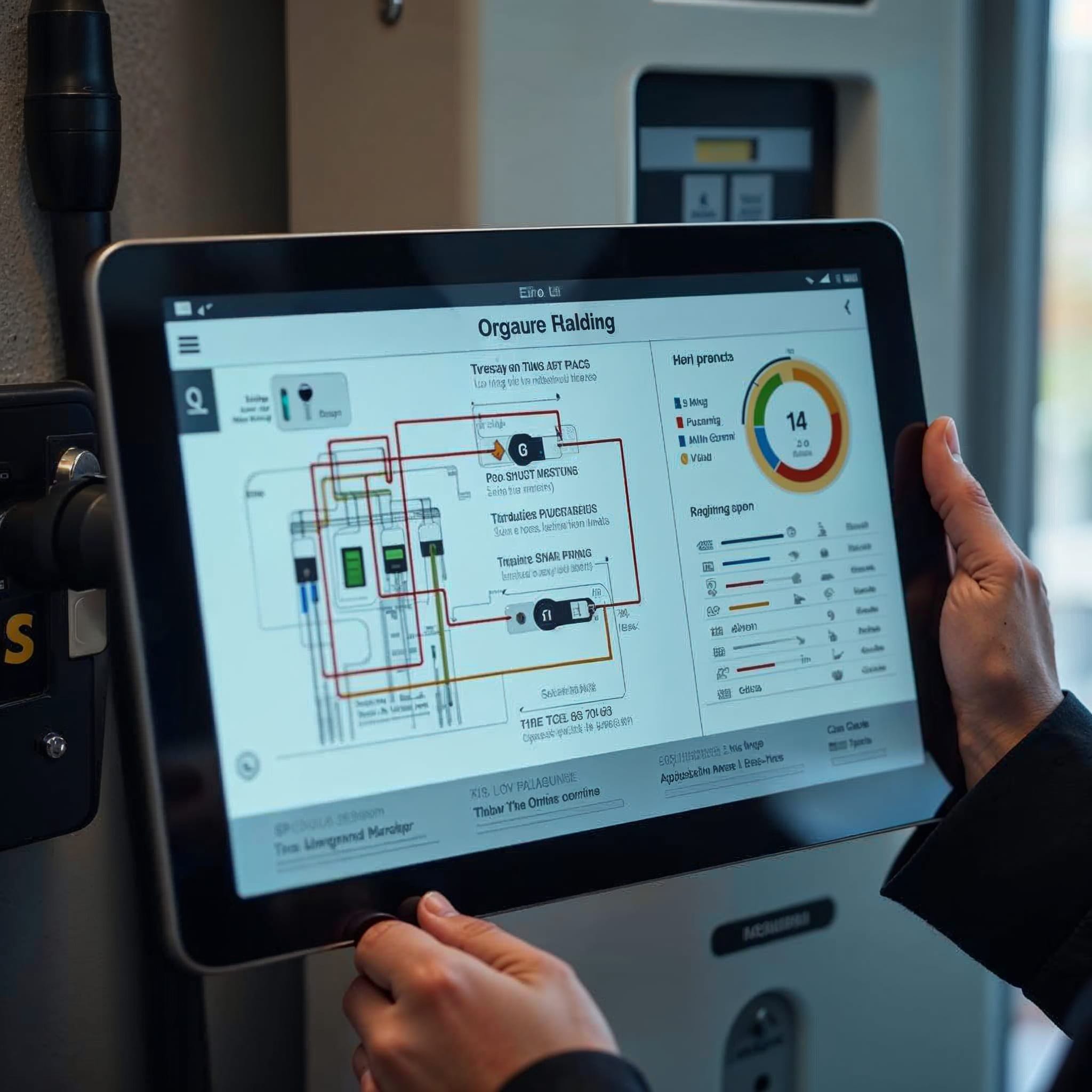
Welcome to the ultimate guide to understanding the financial aspects of setting up a reliable charging solution for your Plug-in Hybrid Electric Vehicle (PHEV) right in the comfort of your home. As PHEVs gain popularity for their blend of electric efficiency and gasoline range, ensuring convenient and cost-effective home charging becomes paramount. While the idea of simply plugging into a standard wall outlet might seem appealing, a professional installation of a Level 2 charger often unlocks the true potential of your PHEV, offering faster charging, greater convenience, and even long-term savings. However, the question of cost is often the first hurdle for many prospective owners.
This comprehensive article will delve deep into all aspects of professional PHEV charger installation costs. We will break down the various factors that influence the final price, from electrical panel upgrades to labor rates, permits, and specific equipment choices. Our goal is to equip you with the knowledge needed to budget effectively, understand what you are paying for, and make informed decisions that ensure your home charging setup is safe, efficient, and future-proof. Forget guesswork; let’s explore the real investment in powering your PHEV at home.
Understanding PHEV Charging Basics and Why Professional Installation Matters
Before we dive into costs, it is crucial to understand the different levels of charging available for your PHEV and why a professionally installed Level 2 charger is often the ideal choice for home use. PHEVs, by their nature, have smaller battery packs compared to pure Battery Electric Vehicles (BEVs), meaning they do not require the ultra-fast DC charging speeds often found at public stations. For home use, two primary levels are relevant: Level 1 and Level 2.
Level 1 Charging: The Basics
Level 1 charging uses a standard 120-volt AC household outlet. Your PHEV typically comes with a portable charging cord that plugs into any standard three-prong wall socket. This is often referred to as “trickle charging.”
- Speed: Extremely slow. It adds approximately 2-5 miles of range per hour of charging. For a typical PHEV with an electric range of 20-50 miles, a full charge can take anywhere from 4 to over 12 hours.
- Cost: Virtually free to set up, as it uses existing outlets. The only “cost” is the electricity consumed.
- Convenience: High, as it requires no special equipment or installation.
- Limitations: Its slowness can be a significant drawback. If you drive your PHEV beyond its electric range daily, Level 1 might not fully recharge your battery overnight, limiting your ability to maximize electric driving. It is best suited for minimal daily driving or occasional top-ups.
Level 2 Charging: The Preferred Home Solution
Level 2 charging uses a 240-volt AC circuit, similar to what powers large appliances like electric dryers or ovens. This requires specialized charging equipment, often called an EVSE (Electric Vehicle Supply Equipment), and professional installation.
- Speed: Significantly faster than Level 1. It typically adds 10-25 miles of range per hour, depending on the charger’s amperage and your PHEV’s onboard charger capacity. Most PHEVs can fully recharge their battery packs in 2-4 hours on a Level 2 charger.
- Cost: Involves an upfront investment for the charger unit and professional installation.
- Convenience: Exceptional. A fully charged battery every morning means you maximize your electric driving, reduce fuel consumption, and contribute less to emissions.
- Benefits:
- Maximize Electric Range: Ensures your PHEV battery is always ready to go, maximizing your fuel savings.
- Time Savings: Eliminates waiting hours for a charge, fitting seamlessly into overnight routines.
- Battery Health: Consistent, controlled charging can contribute to better long-term battery health compared to constant shallow discharges and slow recharges.
- Increased Home Value: A professionally installed EVSE can be an attractive feature for future homebuyers.
- Safety: Professional installation ensures compliance with electrical codes, mitigating fire hazards and electrical risks.
For PHEV owners, especially those who drive regularly and want to make the most of their vehicle’s electric capabilities, a Level 2 charger is an indispensable home amenity. The initial cost of professional installation is an investment that pays dividends in convenience, efficiency, and safety.
Factors Influencing Professional Installation Costs
The cost of professionally installing a Level 2 PHEV charger can vary significantly, ranging from a few hundred dollars to several thousand. This wide range is due to a multitude of factors specific to your home’s electrical system, location, and the type of charger you choose. Understanding these variables is key to anticipating your total expenditure.
1. Electrical Panel Capacity and Upgrades
This is often the most significant cost driver. A Level 2 charger typically requires a dedicated 240-volt circuit, drawing substantial amperage (e.g., 30-50 amps). Your home’s existing electrical panel must have sufficient capacity and available breaker space to accommodate this new load.
- Sufficient Capacity (Ideal Scenario): If your panel is relatively new, has ample unused breaker slots, and a main service rating of 100, 150, or 200 amps (common in modern homes), the cost will be lower. The electrician simply adds a new 240V breaker and runs wiring.
- Limited Breaker Space: If your panel is full but has sufficient overall capacity, the electrician might be able to install a tandem breaker (two circuits in the space of one) or consolidate some existing circuits to free up space. This adds a minor cost.
- Insufficient Overall Capacity (Costly Scenario): Older homes (built before the 1980s) often have 60-amp or 100-amp panels that may not have enough total capacity for an additional high-draw appliance like an EV charger without risking overloading the system. In this scenario, a full electrical panel upgrade (replacing the old panel with a new, higher-capacity one, e.g., 200 amps) becomes necessary. This is a substantial job, involving new wiring to the meter, utility coordination, and significant labor, which can easily add $1,500 to $4,000+ to the total cost.
2. Distance Between Panel and Charger Location
The further the charging station is from your main electrical panel, the more wiring and conduit will be required, increasing material costs and labor time. Longer distances also sometimes necessitate thicker gauge wiring to prevent voltage drop.
- Short Run (Minimal Cost): If the charger is installed on a wall directly adjacent to or very near your electrical panel (e.g., in an attached garage), costs are lower.
- Long Run (Moderate to High Cost): If the charger is in a detached garage, at the end of a long driveway, or on the opposite side of the house from the panel, the cost will increase due to extended wire runs, potentially requiring trenching for underground conduit if outdoor installation is chosen.
3. Installation Method: Hardwired vs. Plug-in
EVSEs can be either hardwired directly into your home’s electrical system or plug into a specific 240-volt outlet (like a NEMA 14-50 or 6-50). Both have pros and cons regarding cost and flexibility.
- Plug-in Charger: Requires the installation of a 240V outlet. This offers flexibility to easily replace or upgrade your charger in the future without an electrician. The outlet itself adds a small component cost, but installation labor is similar.
- Hardwired Charger: The EVSE is permanently connected to your home’s wiring. This can sometimes be slightly simpler for the electrician as it bypasses the need for an outlet, but replacing the unit requires an electrician. Some higher-amperage chargers are exclusively hardwired.
4. Outdoor vs. Indoor Installation
The location of the charger matters. Indoor installation (e.g., in a garage) is generally simpler and less costly. Outdoor installation requires specific weather-rated conduit, wiring, and a weatherproof enclosure for the charger, adding to material and labor costs. Trenching for underground wiring to an outdoor pedestal or a detached garage can be a significant expense.
5. Conduit Requirements
Depending on local codes and the installation path, wiring may need to be run through protective conduit (plastic or metal piping). This adds material cost and labor time for bending and securing. If the wiring is run through finished walls, additional patching and painting may be required, which might not be covered by the electrician.
6. Labor Rates and Regional Variations
Electrician labor rates vary significantly by geographic location, ranging from $75 to $150+ per hour. Metropolitan areas typically have higher rates than rural ones. The complexity of the job directly impacts the number of labor hours required.
7. Charger Unit Cost
The price of the EVSE itself is separate from installation costs but a crucial part of your total budget. Charger units range widely based on features, brand, and power output.
- Basic Chargers: A reliable 32-amp or 40-amp Level 2 charger can cost between $400 and $700.
- Smart Chargers: Chargers with Wi-Fi connectivity, app control, scheduling features, load management, and energy monitoring can range from $600 to $1,200+. These “smart” features can optimize charging schedules to take advantage of off-peak electricity rates, potentially saving money over time.
8. Permits and Inspections
Almost all permanent electrical installations require a permit from your local municipality or county. This ensures the work is up to code and safe. Permit fees are typically a few tens to a few hundred dollars. Following installation, an inspection by a city or county official is usually mandatory. Factor these administrative costs and potential delays into your planning.
By considering all these variables, you can begin to form a realistic expectation of the total cost for your professional PHEV charger installation.
Breakdown of Typical Installation Expenses
To provide a clearer picture, let’s break down the common components that make up the total cost of a professional PHEV charger installation. While specific figures will vary, these ranges offer a good benchmark.
- Electrical Panel Assessment and Basic Circuit Installation: $200 – $800
- This covers the electrician’s initial assessment of your panel, running a new dedicated 240V circuit (typically 40 or 50 amp), installing a new breaker, and basic wiring if your panel has sufficient capacity and available space, and the charger location is relatively close (e.g., within 10-20 feet).
- Includes labor for a few hours and basic materials like wiring (copper, 8-10 gauge), conduit (if needed for short, visible runs), and the breaker itself.
- Extended Wiring Runs and Conduit: Additional $100 – $500+
- If the distance from the electrical panel to the charger location is significant (e.g., 30+ feet), or if conduit is required for long stretches or outdoors, this cost increases.
- Outdoor-rated conduit and wiring are more expensive than indoor counterparts.
- Electrical Panel Upgrades (if necessary): $1,500 – $4,000+
- This is the most variable and potentially highest cost. If your existing panel is undersized (e.g., 60-amp or 100-amp service) or completely full with no room for a new circuit, a full panel upgrade to 200 amps may be required.
- This includes the cost of a new panel, main breaker, new wiring from the meter, labor for multiple hours or even a full day, and coordination with the utility company.
- Trenching and Outdoor Work: $500 – $2,500+
- If the charger is to be installed in a detached garage or an outdoor pedestal far from the house, trenching for underground conduit and wiring will be necessary.
- Costs depend on the length and depth of the trench, the type of soil, and whether it needs to go under concrete or asphalt.
- Permit and Inspection Fees: $50 – $300
- These are administrative fees charged by your local municipality to ensure the installation meets safety and electrical codes. The exact amount varies by location.
- EVSE (Charger Unit) Cost: $400 – $1,200+
- This is the cost of the actual charging unit itself, separate from installation. Prices vary based on brand, amperage (typically 32-48 amps for residential Level 2), and smart features (Wi-Fi, app control, load balancing).
- Miscellaneous Costs and Contingencies: $50 – $200+
- This can cover unexpected minor issues, specialized mounting hardware, or additional outlets if specified (e.g., a NEMA 14-50 outlet instead of hardwiring).
- It’s always wise to budget an extra 10-15% for unforeseen circumstances.
Combining these elements, a simple PHEV charger installation in a modern home with adequate electrical capacity and a short wiring run might cost $700 – $1,500 (plus the charger unit). A more complex installation requiring a panel upgrade or significant trenching could easily push the total to $3,000 – $6,000+ (plus the charger unit).
Permits, Inspections, and Regulatory Requirements
Navigating the bureaucratic side of PHEV charger installation is a non-negotiable step that ensures safety and compliance. Skipping permits and inspections is not only risky but can lead to significant problems down the line, including insurance issues, difficulty selling your home, and potential fines.
Why are Permits and Inspections Necessary?
- Safety: Electrical work, especially with high-voltage circuits, carries inherent risks. Permits and subsequent inspections by qualified building officials ensure that the installation adheres to the National Electrical Code (NEC) and local amendments, minimizing hazards like fires, electrocution, and damage to your home’s electrical system.
- Insurance Compliance: Most homeowner’s insurance policies require that any significant electrical modifications to your home be performed by licensed professionals and be up to code. Unpermitted work could void your coverage if an electrical incident occurs.
- Legal Compliance: It’s the law. Local jurisdictions mandate permits for electrical upgrades to maintain public safety standards.
- Resale Value: When selling your home, prospective buyers and their inspectors will scrutinize unpermitted work. Having proper documentation for your EVSE installation provides peace of mind and can even add value to your property.
The Typical Process
- Application: Your licensed electrician will typically handle the permit application process with your local city or county building department. This involves submitting plans outlining the scope of work, circuit diagrams, and equipment specifications.
- Fees: You will pay a permit fee, which varies by jurisdiction. This fee covers the administrative costs of reviewing the application and conducting the inspection(s).
- Installation: Once the permit is approved, the electrician proceeds with the installation according to the submitted plans and code requirements.
- Inspection: After the installation is complete but often before the final wall coverings are replaced (for “rough-in” inspections), a building inspector will visit your home to verify that the work was performed correctly and safely, adhering to all applicable codes. A final inspection might also be required.
- Approval: Upon successful inspection, the permit is closed, and you receive an official approval.
Recent Developments and Considerations
- Expedited Processes: Due to the surge in EV adoption, some municipalities are streamlining permit processes for EV charger installations to make it easier for homeowners. Check with your local building department or ask your electrician about any expedited programs.
- Utility Coordination: In some cases, especially if a full electrical panel upgrade is required, coordination with your local utility company might be necessary. This could involve scheduling power shut-offs or meter upgrades, adding a layer of complexity and potential scheduling delays.
- Load Management Systems: For homes with limited electrical capacity that want to avoid a full panel upgrade, some smart chargers and electricians can install “load management” or “load shedding” devices. These systems monitor your home’s total electricity consumption and dynamically adjust the charger’s power draw to prevent exceeding your main breaker’s capacity. While these systems add a cost (typically $300-$800 for the device and installation), they can be a cost-effective alternative to a panel upgrade for certain homes. Be sure to confirm that your local codes approve such systems.
Always ensure your chosen electrician is licensed and bonded, and that they will handle the entire permit and inspection process. This ensures your installation is not only safe and efficient but also legally compliant.
Choosing the Right PHEV Charger and Installer
The success and longevity of your home PHEV charging setup depend heavily on two critical choices: the charging unit itself and the professional who installs it. Making informed decisions here can save you money, frustration, and ensure optimal performance.
Selecting Your PHEV Charger (EVSE)
While the market is flooded with EVSE options, remember that PHEVs typically have smaller battery packs and often cannot accept extremely high charging rates (e.g., 80 amps) that some pure BEVs can. A 32-amp or 40-amp Level 2 charger is usually more than sufficient and cost-effective for a PHEV.
- Amperage (Power Output):
- Most PHEVs have an onboard charger that can handle 3.3 kW to 7.7 kW. A 32-amp (7.7 kW) charger is perfect for almost all PHEVs, providing a full charge in 2-4 hours.
- A 40-amp charger (9.6 kW) is also excellent but may be overkill for some PHEVs. However, it offers future-proofing if you upgrade to a pure EV later.
- A 50-amp circuit (which often supports a 40-amp charger for continuous use) is a common installation choice.
- Plug-in vs. Hardwired:
- Plug-in: Connects to a 240V NEMA 14-50 or 6-50 outlet. Offers flexibility to easily move or replace the unit. Requires the installation of the specific outlet.
- Hardwired: Permanently connected to your home’s electrical system. Some higher-amperage units are only available as hardwired. May offer a cleaner aesthetic.
- Cable Length: Consider where your vehicle will be parked and the location of the charger. Standard cables are 18-25 feet, but longer options exist.
- Smart Features:
- Wi-Fi Connectivity & App Control: Allows you to monitor charging status, schedule charging times (e.g., during off-peak hours), and track energy usage from your smartphone.
- Load Management: As discussed, essential for homes with limited electrical capacity, dynamically adjusting power to prevent overloads.
- Voice Assistant Integration: Some units integrate with smart home ecosystems (Alexa, Google Assistant).
- Safety Certifications: Ensure the EVSE is UL (Underwriters Laboratories) certified or has equivalent national safety certifications. This guarantees it meets stringent safety standards.
- Brand Reputation and Warranty: Opt for reputable brands known for quality and customer support. Check warranty periods.
Finding and Vetting a Professional Installer
This is arguably more critical than the charger itself. A poorly installed charger is a safety hazard and a potential money pit. Do your due diligence.
- Licensed and Insured Electrician:
- Always confirm your electrician is fully licensed in your state or municipality.
- Verify they carry adequate liability insurance and worker’s compensation insurance. This protects you from financial responsibility if an accident occurs on your property.
- Experience with EVSE Installations:
- While any licensed electrician can install an EV charger, one with specific experience in EVSE installations will be more familiar with the nuances, common issues, and specific code requirements for these devices.
- They might also be more knowledgeable about local incentives or utility programs.
- Get Multiple Quotes:
- Contact at least three different electricians for quotes. This allows you to compare pricing, proposed solutions, and professionalism.
- A reputable electrician will typically offer a free on-site estimate to accurately assess your electrical system and provide a detailed quote. Be wary of estimates given solely over the phone without an inspection.
- Detailed Written Estimates:
- Ensure the quote is comprehensive and clearly itemizes all costs: labor, materials (wire, conduit, breaker, outlet if applicable), permit fees, and any necessary electrical panel upgrades.
- Ask for a breakdown of the work involved.
- References and Reviews:
- Check online reviews (Google, Yelp, Better Business Bureau) and ask for references from previous EVSE installation clients.
- Look for positive feedback on professionalism, adherence to timelines, and clean work.
- Communication and Professionalism:
- Choose an installer who communicates clearly, answers all your questions patiently, and provides detailed explanations.
- A professional will arrive on time for appointments and present a clear understanding of the work.
- Permit Handling: Confirm that the electrician will handle all aspects of obtaining permits and coordinating inspections. This is a crucial indicator of a responsible professional.
By carefully selecting both your PHEV charger and your installer, you set yourself up for a safe, efficient, and hassle-free home charging experience that maximizes the benefits of your plug-in hybrid.
Long-Term Savings and Return on Investment (ROI)
While the upfront cost of professional PHEV charger installation might seem significant, it is crucial to view it as an investment with substantial long-term savings and a strong return on investment (ROI). The financial benefits extend beyond just reduced fuel costs.
1. Fuel Savings vs. Electricity Costs
This is the most obvious and immediate saving. By maximizing your electric driving range, you dramatically reduce your reliance on gasoline.
- Example: If your PHEV gets 40 miles of electric range, and you drive 30 miles daily, you could potentially use zero gasoline for your commute.
Suppose gasoline costs $3.50 per gallon, and your PHEV averages 40 MPG on gas. 30 miles of gas driving would cost approximately $2.63 ($3.50 / 40 MPG * 30 miles).
For electricity, if your utility rate is $0.15 per kWh and your PHEV consumes 0.3 kWh per mile (a common efficiency), 30 miles of electric driving would cost $1.35 (0.3 kWh/mile * 30 miles * $0.15/kWh).
This simple daily saving of over $1.00 can add up to hundreds of dollars annually, quickly offsetting your installation cost. - Off-Peak Charging: With a Level 2 charger and a smart charging unit, you can schedule charging during off-peak hours when electricity rates are lower, further amplifying your savings. Some utilities offer special EV charging rates.
2. Avoidance of Public Charging Fees
While public charging networks are expanding, they come with fees, which can sometimes be comparable to or even more expensive than gasoline, especially for fast DC chargers. Having a reliable home charging solution means you rarely need to rely on public charging, saving you money and time. Think of the convenience of waking up to a “full tank” every morning without paying public station premiums.
3. Reduced Vehicle Maintenance
Driving on electric power means less wear and tear on your internal combustion engine (ICE) components. This can lead to:
- Fewer oil changes
- Reduced brake wear (due to regenerative braking)
- Potentially longer lifespan for certain engine parts
While these savings are harder to quantify precisely, they contribute to a lower overall cost of vehicle ownership.
4. Potential for Increased Home Value
As electric vehicles become more mainstream, an installed Level 2 EVSE is increasingly seen as a desirable home amenity. For future buyers, this can be a significant selling point, as it removes the hassle and cost of installing one themselves, potentially adding to your home’s resale value.
5. Eligibility for Government Incentives and Rebates
Many governments (federal, state, local) and utility companies offer tax credits, rebates, or grants for EVSE purchases and installation. These programs can significantly reduce your net upfront cost, directly impacting your ROI timeline.
- Federal Tax Credit: As of recent developments, the U.S. federal tax credit for qualified home charging equipment (including parts and installation) can be up to 30% of the cost, capped at $1,000. This is a direct reduction in your tax liability.
- State and Local Programs: Many states offer their own tax credits or rebates. For example, some states might offer a $500 rebate for EVSE purchases.
- Utility Company Rebates: Local electric utility providers often have programs to encourage EV adoption, including rebates for smart chargers or installation costs. These can range from a few hundred dollars to over a thousand.
These incentives directly lower your out-of-pocket expenses, making the investment in home charging even more attractive.
Calculating Your ROI
To estimate your personal ROI, consider:
- Total Installation Cost: (Charger unit + Installation labor + Materials + Permits) – (All applicable incentives/rebates).
- Annual Fuel Savings: (Average daily gas cost avoided) x 365 days.
- Time to Payback: Total Installation Cost / Annual Fuel Savings.
For many PHEV owners, especially those with higher daily mileage, the payback period for a Level 2 charger can be surprisingly short, often within 1-3 years, not even accounting for the immense convenience and time savings. It’s a prudent investment that enhances your PHEV ownership experience while being financially sound.
Government Incentives and Rebates for PHEV Charger Installation
One of the most exciting aspects of investing in a home PHEV charger is the availability of various incentives and rebates that can significantly reduce your upfront costs. These programs, offered by federal, state, local, and even utility entities, are designed to encourage the adoption of electric vehicles and their supporting infrastructure. Staying informed about these opportunities is crucial for maximizing your savings.
Federal Tax Credit (USA)
The U.S. federal government offers a tax credit for alternative fuel vehicle refueling property, which includes home charging stations.
- What it is: A tax credit for 30% of the cost of qualified charging equipment and its installation, up to a maximum of $1,000.
- Eligibility: The charging equipment must be installed in your home and used to charge a qualified electric vehicle (including PHEVs). The property must be placed in service during the tax year.
- Key Detail: This credit has been extended multiple times and is currently active. Always check the latest IRS guidelines (Form 8911) or consult a tax professional for the most current information and eligibility requirements.
State-Level Programs
Many states have recognized the importance of promoting EV infrastructure and offer their own incentives. These vary widely by state but can include:
- Tax Credits: Similar to federal credits, some states offer a percentage of the installation cost or a flat amount as a tax credit.
- Rebates: State energy offices or environmental departments might offer direct rebates for the purchase of an EVSE or for installation services. These are often processed directly as a discount or reimbursement.
- Grant Programs: Less common for individual homeowners but sometimes available for multi-unit dwellings or workplace charging.
To find state-specific incentives, resources like the Department of Energy’s Alternative Fuels Data Center (AFDC) are invaluable. You can search by state for a comprehensive list of laws and incentives related to electric vehicles and charging.
Local and Municipal Programs
Some cities and counties also provide local incentives. These are often smaller in scope but can still contribute to your savings.
- Building Department Waivers: Occasionally, a city might waive permit fees for EV charger installations as an incentive.
- Local Grants: Community development funds or clean energy initiatives might offer specific grants.
Checking your local government website or contacting your city’s planning or energy department is the best way to uncover these hyper-local opportunities.
Utility Company Rebates and Special Rates
Electric utility companies are often significant players in promoting home EV charging due to their direct interest in electricity consumption.
- EVSE Rebates: Many utilities offer rebates for the purchase and/or installation of Level 2 chargers. These can range from $200 to over $1,000, sometimes covering a substantial portion of the cost.
- Time-of-Use (TOU) Rates: Utilities frequently offer special electricity rate plans for EV owners. These plans typically have lower rates during off-peak hours (e.g., overnight) when demand on the grid is lower. Using a smart charger to schedule charging during these hours can lead to significant operational cost savings.
- Demand Response Programs: Some utilities may offer incentives for allowing them to occasionally manage your charging (e.g., slightly reducing power during peak grid demand) in exchange for a credit or rebate.
It is highly recommended to visit your specific utility provider’s website or call their customer service department to inquire about their current EV programs and incentives.
How to Apply and Maximize Your Benefits
- Research Early: Start researching available incentives even before you purchase your PHEV or charger. Eligibility criteria can sometimes influence your choice of equipment or installer.
- Check Eligibility Requirements: Each program has specific rules regarding eligible equipment, installation methods, and applicant status. Read them carefully.
- Keep Detailed Records: Maintain all receipts for your charger purchase and professional installation services. You will need these for tax credits and rebate applications.
- Work with Your Electrician: A reputable electrician familiar with EV charger installations may be able to guide you on which incentives are applicable in your area and help with the necessary documentation.
- Stacking Incentives: In many cases, you can combine federal, state, and utility incentives, significantly reducing your out-of-pocket expenses. Confirm this with each program’s guidelines.
Leveraging these incentives can transform the initial cost of a professional PHEV charger installation from a barrier into a truly affordable and advantageous upgrade for your home and your eco-conscious driving habits.
Common Pitfalls and How to Avoid Them
While installing a PHEV charger at home is generally straightforward with professional help, there are several common pitfalls that homeowners can encounter. Being aware of these can save you time, money, and headaches.
1. Attempting DIY Installation Without Expertise
Pitfall: Believing that installing a Level 2 charger is a simple plug-and-play task or attempting to do it yourself without proper electrical knowledge, tools, and understanding of code requirements.
How to Avoid: Always hire a licensed and insured electrician. Electrical work, especially with 240-volt circuits, is dangerous if not performed correctly. Incorrect wiring can lead to fire hazards, electrical shocks, damage to your vehicle, or costly repairs to your home’s electrical system. The safety and expertise of a professional are worth the investment.
2. Overlooking Permit and Inspection Requirements
Pitfall: Proceeding with installation without obtaining the necessary permits from your local municipality or skipping the required post-installation inspection.
How to Avoid: Insist that your chosen electrician handles all permit applications and coordinates inspections. This ensures your installation is up to code, safe, and legally compliant. Unpermitted work can lead to fines, difficulties with insurance claims, and complications when selling your home.
3. Underestimating Electrical Panel Capacity Needs
Pitfall: Assuming your home’s electrical panel can handle a new Level 2 charger without a professional assessment. This can lead to frequent tripped breakers, an overloaded system, or costly surprises when the electrician discovers a panel upgrade is needed after work has begun.
How to Avoid: Get a professional on-site electrical assessment before purchasing a charger or committing to an installation. A good electrician will evaluate your panel’s current capacity, available space, and overall health. They will clearly communicate if an upgrade is necessary and include its cost in the quote.
4. Choosing the Wrong Charger for Your PHEV or Needs
Pitfall: Buying an overly powerful (and expensive) charger for a PHEV that cannot utilize its full capacity, or conversely, purchasing a charger that is too slow for your daily driving habits.
How to Avoid: Research your PHEV’s maximum AC charging rate (often found in the owner’s manual or manufacturer’s specifications). Most PHEVs max out at 3.3 kW to 7.7 kW. A 32-amp Level 2 charger (7.7 kW) is typically ideal and cost-effective. Consider your daily mileage and desired charging speed. Opt for smart chargers if you want to take advantage of off-peak electricity rates or need load management features.
5. Not Getting Multiple Quotes and Detailed Estimates
Pitfall: Settling for the first quote you receive or accepting a vague verbal estimate. This can lead to overpaying or hidden costs emerging later.
How to Avoid: Always obtain at least three detailed, written quotes from licensed and experienced electricians. Ensure the quotes itemize labor, materials, permit fees, and any potential upgrades (like a panel upgrade or trenching). Compare not just the price, but also the scope of work and the proposed solutions.
6. Neglecting Future-Proofing
Pitfall: Installing a minimal setup that might not meet your future needs, especially if you anticipate upgrading to a pure EV (BEV) or owning multiple EVs down the line.
How to Avoid: Discuss future needs with your electrician. While a 32-amp circuit is fine for a PHEV, installing a 50-amp circuit (allowing for a 40-amp charger, or even potentially higher with a different breaker) and heavier gauge wiring during the initial installation might be a small additional cost now but save significant money if you later want faster charging for a BEV. Consider dual-port chargers if you plan for two EVs.
7. Ignoring Available Incentives and Rebates
Pitfall: Paying full price for your charger and installation when federal, state, local, or utility incentives could significantly reduce your out-of-pocket expenses.
How to Avoid: Proactively research all available incentives before purchasing or installing. Check federal tax credit information, your state’s energy department website, your city’s planning office, and your local electric utility company’s website. Keep all receipts and documentation to claim these benefits.
By being vigilant about these common pitfalls, you can ensure your PHEV charger installation is a smooth, cost-effective, and safe process, providing you with years of reliable home charging.
Comparison Tables
To help visualize the differences and cost implications, here are two comparison tables: one contrasting Level 1 and Level 2 charging, and another breaking down typical installation cost ranges.
Table 1: Level 1 vs. Level 2 Charging for PHEVs – Key Differences
| Feature | Level 1 Charging (120V AC) | Level 2 Charging (240V AC) |
|---|---|---|
| Power Output (Typical) | 1.4 – 1.9 kW | 3.3 – 11.5 kW (Commonly 7.7 kW for PHEVs) |
| Charging Speed (Range per hour) | 2 – 5 miles | 10 – 25 miles (depending on PHEV & charger) |
| Time for Full PHEV Charge (20-50 miles EV range) | 4 – 12+ hours | 2 – 4 hours |
| Setup Cost (Hardware) | Virtually $0 (cord included with PHEV) | $400 – $1,200+ (for EVSE unit) |
| Installation Cost (Professional) | $0 (uses existing outlet) | $500 – $4,000+ (highly variable) |
| Electrical Requirements | Standard 120V household outlet (15-20 amp circuit) | Dedicated 240V circuit (30-60 amp circuit) |
| Required Permits/Inspections | No | Yes (for professional installation) |
| Best Use Case for PHEV | Minimal daily driving, occasional top-ups, emergency backup | Daily commuting, maximizing electric range, convenience |
Table 2: Breakdown of Professional PHEV Charger Installation Costs (Typical Ranges)
| Cost Component | Low Range ($) | High Range ($) | Description / Notes |
|---|---|---|---|
| EVSE (Charger Unit) | $400 | $1,200+ | Cost of the charging station itself (Level 2, 32A-48A). Varies by brand, features (smart, Wi-Fi), and power output. |
| Basic Installation Labor & Materials | $500 | $1,000 | Running a new 240V circuit (30-50 amp) from an existing, adequate electrical panel to a nearby garage/charger location (e.g., within 20 ft). Includes wire, conduit (if needed), breaker, labor. |
| Extended Wiring Runs / Complex Routing | +$100 | +$500+ | Additional costs for longer wire runs (e.g., 30-100 ft), difficult routing through walls, or extensive conduit work. |
| Outdoor Installation / Weatherproofing | +$200 | +$700 | Additional cost for outdoor-rated materials, weather-tight enclosures, and labor for proper sealing. |
| Trenching (for detached garages/pedestals) | +$500 | +$2,500+ | Significant additional cost for digging a trench for underground wiring, depends on length, depth, and ground type. |
| Electrical Panel Upgrade (if needed) | +$1,500 | +$4,000+ | Replacing an undersized or full electrical panel with a higher-capacity one. This is a major electrical job. |
| Permit & Inspection Fees | $50 | $300 | Mandatory fees from local municipality to ensure safety and code compliance. Varies by location. |
| Load Management System (Optional) | +$300 | +$800 | For homes with limited panel capacity, a smart device that dynamically balances load, potentially avoiding a full panel upgrade. |
| Estimated Total (Simple Install) | $900 | $2,200 | (Charger + Basic Install + Permit. No Panel Upgrade/Trenching) |
| Estimated Total (Complex Install) | $3,000 | $8,000+ | (Charger + Complex Install + Panel Upgrade/Trenching) |
Note: These ranges are estimates and can vary based on geographic location, specific electrician rates, and unforeseen site-specific conditions. Always obtain detailed quotes from multiple licensed electricians.
Practical Examples and Case Studies
Understanding the theoretical costs is one thing; seeing how they play out in real-world scenarios provides invaluable context. Here are a few practical examples representing different home charging installation situations for PHEV owners.
Case Study 1: The New Suburban Home – Ideal Scenario
Homeowner: Sarah, who just bought a new Honda CR-V Hybrid and lives in a modern suburban home built five years ago.
Situation: Her home has a 200-amp electrical panel with ample unused breaker space. Her attached garage, where she parks, is directly adjacent to the electrical panel on the interior wall. She wants to install a 32-amp Level 2 charger to fully charge her PHEV overnight.
- Electrical Panel: 200-amp service, plenty of space. No upgrade needed.
- Distance to Panel: Very short (less than 10 feet), minimal wiring and conduit.
- Charger Type: A reputable 32-amp Wi-Fi enabled charger.
Cost Breakdown:
- Charger Unit (e.g., ChargePoint Home Flex 32A): $600
- Basic Installation (labor, 240V breaker, wiring, minor conduit): $750
- Permit & Inspection Fees: $100
- Subtotal: $1,450
- Federal Tax Credit (-$1000 max): -$435 (30% of $1450)
- Net Out-of-Pocket Cost: $1,015
Outcome: Sarah’s installation was quick and relatively inexpensive. The electrician completed the job in half a day. She now enjoys daily electric driving, saving significantly on gas costs, and her car is always ready by morning.
Case Study 2: The Older Urban Home – Moderate Complexity
Homeowner: Mark, who drives a Toyota RAV4 Prime and lives in a 1970s urban townhouse.
Situation: His townhouse has a 100-amp electrical panel, which is generally sufficient but has only one available breaker slot. The parking spot is in a detached carport, about 30 feet from the house’s main panel. He prefers a hardwired 40-amp charger for faster charging and future-proofing.
- Electrical Panel: 100-amp panel, limited space. An electrician determined it could *just* handle a new 40-amp circuit without a full upgrade, but they needed to install a tandem breaker to free up space, and the house’s overall load needs careful monitoring. They recommended a smart charger with load management.
- Distance to Panel: 30 feet to a detached carport, requiring underground trenching across a small lawn section.
- Charger Type: A 40-amp hardwired smart charger with load management features.
Cost Breakdown:
- Charger Unit (e.g., Wallbox Pulsar Plus 40A): $750
- Basic Installation (labor, 240V breaker, wiring to trench): $900
- Trenching & Outdoor Conduit/Wiring (30 ft): $1,200
- Load Management Device: $400
- Permit & Inspection Fees: $150
- Subtotal: $3,400
- Federal Tax Credit (-$1000 max): -$1000
- State Rebate (e.g., $500 for EVSE): -$500
- Net Out-of-Pocket Cost: $1,900
Outcome: Mark’s installation was more involved due to the trenching and panel considerations. The electrician took a full day, including trenching and ensuring the load management system was correctly configured. Despite the higher initial cost, the combined incentives significantly reduced his outlay, and he now has a robust charging solution that ensures his RAV4 Prime is fully charged daily, maximizing its electric range and saving him trips to the gas station.
Case Study 3: The Rural Home – Complex Electrical Upgrade
Homeowner: David, who owns a Chrysler Pacifica Hybrid and lives in a rural farmhouse built in the 1950s.
Situation: His home has an original 60-amp electrical panel, which is clearly insufficient for a new Level 2 charger. He wants a standard 40-amp plug-in charger located in his attached garage, about 15 feet from the panel.
- Electrical Panel: Old 60-amp panel, completely full and undersized. Full 200-amp panel upgrade required.
- Distance to Panel: Short, but the new panel installation is extensive.
- Charger Type: A robust 40-amp plug-in charger.
Cost Breakdown:
- Charger Unit (e.g., Grizzl-E Classic 40A): $650
- Full Electrical Panel Upgrade (200A panel, new meter connection, labor, wiring): $3,800
- Installation of NEMA 14-50 outlet and wiring from new panel: $600
- Permit & Inspection Fees: $250
- Subtotal: $5,300
- Federal Tax Credit (-$1000 max): -$1000
- Utility Rebate (e.g., $400 for panel upgrade/EVSE): -$400
- Net Out-of-Pocket Cost: $3,900
Outcome: David’s installation was the most expensive, primarily driven by the mandatory electrical panel upgrade. This was a multi-day job involving utility coordination for a temporary power shut-off. However, the panel upgrade was also a significant improvement to his entire home’s electrical infrastructure, not just for the charger. With the rebates, the net cost was manageable, and he now has a safe, high-capacity electrical system and reliable, fast charging for his PHEV, which greatly enhances its utility for his family’s needs.
These examples illustrate how specific home conditions and choices can dramatically influence the total cost of a professional PHEV charger installation. Always get detailed quotes specific to your situation.
Frequently Asked Questions
Q: Do I really need a professional to install my PHEV charger? Can I do it myself?
A: For Level 1 charging (standard 120V outlet), you typically do not need professional installation, as your PHEV comes with a portable charger that plugs directly into an existing outlet. However, for Level 2 charging, professional installation by a licensed and insured electrician is not only highly recommended but often legally required. Level 2 chargers use 240-volt circuits, which are high-voltage and high-amperage. Improper installation can lead to severe safety hazards, including electrical fires, electrocution, damage to your vehicle, and non-compliance with local electrical codes. A professional ensures the work is safe, up to code, and properly permitted, which is crucial for your home’s safety and insurance validity.
Q: How long does a typical professional PHEV charger installation take?
A: The duration of a professional PHEV charger installation varies depending on the complexity of the job. A straightforward installation in a modern home with adequate electrical panel capacity and a short wiring run to an attached garage might take an electrician 2-4 hours. More complex installations involving longer wire runs, extensive conduit work, or minor electrical panel modifications could take 4-8 hours. If a full electrical panel upgrade is necessary, this can extend the project to 1-2 full days, sometimes even longer if utility coordination for power disconnection is required. Your electrician should provide a time estimate along with their cost quote.
Q: Will installing a PHEV charger increase my home’s electricity bill significantly?
A: Yes, charging your PHEV at home will increase your electricity consumption and, consequently, your electricity bill. However, for most PHEV owners, the increase is typically offset by significant savings on gasoline. The exact increase depends on your PHEV’s battery size, how often you charge, how much you drive on electric power, and your local electricity rates. Many homeowners find that their total transportation costs (electricity + remaining gas) are lower than their previous pure-gasoline vehicle costs. Utilizing smart chargers to charge during off-peak hours (if your utility offers time-of-use rates) can also help manage and reduce electricity costs.
Q: What is the difference between a hardwired charger and a plug-in charger? Which is better for a PHEV?
A: A hardwired charger is permanently connected directly to your home’s electrical system, much like an electric oven. A plug-in charger connects to a dedicated 240-volt outlet (typically a NEMA 14-50 or 6-50), similar to how an electric dryer plugs in. For PHEVs, either option is generally suitable. Plug-in chargers offer flexibility, allowing you to easily replace or move the unit. Hardwired chargers might offer a slightly cleaner aesthetic as there’s no visible outlet, and some higher-amperage units are exclusively hardwired. The choice often comes down to personal preference, specific charger models, and what your electrician recommends for your setup. Both require professional installation of the dedicated 240V circuit.
Q: What if my electrical panel is too old or too small?
A: If your home’s electrical panel is too old (e.g., 60-amp service) or does not have enough capacity or available space for a new 240-volt circuit, a professional electrician will inform you that a panel upgrade is necessary. This involves replacing your existing panel with a new, higher-capacity one (typically 200-amp service). While this adds significant cost to the installation, it’s a crucial and often mandatory upgrade for safety and functionality. It also future-proofs your home for other high-draw appliances. Some homes with 100-amp panels might be able to use a smart charger with load management features to avoid a full upgrade, depending on overall home consumption and local codes.
Q: Are there any ongoing maintenance costs for a home PHEV charger?
A: Generally, home PHEV chargers (EVSEs) require very little ongoing maintenance. They are designed to be durable and weatherproof (if installed outdoors). Key things to consider are keeping the charging cable tidy and free from damage, ensuring the plug or connector is clean, and occasionally checking for any visible wear or tear. Smart chargers might require occasional software updates, which are typically handled automatically via Wi-Fi. The primary “ongoing cost” is the electricity used for charging, which you pay through your regular utility bill.
Q: Can I use the same charger for different PHEV models or even a pure EV in the future?
A: Yes, almost all Level 2 home chargers use the universal J1772 connector (also known as Type 1), which is standard for North American electric vehicles, including PHEVs and pure EVs (BEVs). This means that a charger you install for your current PHEV will be compatible with virtually any other PHEV or BEV you might own in the future, regardless of brand. The only consideration might be the charger’s power output; while a 32-amp charger is perfect for most PHEVs, a pure EV with a larger battery might benefit from a 40-amp or 48-amp charger for even faster charging. However, your existing 32-amp charger would still work, just at a slightly slower rate for a larger battery.
Q: How do I find a qualified electrician for PHEV charger installation?
A: Start by asking for recommendations from friends, family, or colleagues who have had EV chargers installed. You can also search online directories for licensed electricians in your area, specifically looking for those with experience in EVSE installations. Reputable charger manufacturers or your PHEV dealership might also have lists of preferred installers. Always check licenses, insurance, read reviews, and get multiple detailed, written quotes before making a decision. Ensure they are familiar with local permitting and inspection requirements.
Q: What’s the typical payback period for a professionally installed Level 2 PHEV charger?
A: The payback period, or the time it takes for your fuel savings to offset the installation cost, varies widely but can be surprisingly short. For many PHEV owners, especially those who drive regularly and maximize their electric range, the payback can be anywhere from 1 to 3 years. Factors influencing this include the total installation cost (after incentives), your daily mileage, your PHEV’s electric efficiency, and local gasoline and electricity prices. The greater the difference between gasoline and electricity costs in your area, and the more you drive on electric, the faster your payback.
Q: What are “smart charging” features and are they worth the extra cost?
A: Smart charging features typically include Wi-Fi connectivity, app control, scheduled charging, energy monitoring, and sometimes load management. These features allow you to:
- Schedule Charging: Charge your PHEV during off-peak electricity hours when rates are lower, saving money.
- Monitor Energy Usage: Track how much electricity your PHEV consumes, giving you insights into your fuel savings.
- Remote Control: Start, stop, or adjust charging from your smartphone.
- Load Management: Crucial for homes with limited electrical capacity, these systems dynamically reduce the charger’s power draw if your home’s total electricity consumption approaches the panel’s limit, potentially avoiding costly panel upgrades.
For many, the convenience, cost savings (from off-peak charging), and potential for avoiding electrical upgrades (with load management) make the extra cost for a smart charger well worth the investment, providing a better overall charging experience.
Key Takeaways
- Professional Installation is Essential for Level 2: For safety, efficiency, and compliance, always use a licensed and insured electrician for Level 2 PHEV charger installation.
- Costs Are Highly Variable: Expect costs to range from under $1,000 to over $6,000 (plus the charger unit), depending heavily on your home’s electrical panel, distance to the charger, and need for upgrades.
- Electrical Panel is Key: Your home’s electrical panel capacity is the biggest factor influencing cost. An upgrade can add $1,500-$4,000+.
- Permits Are Mandatory: Never skip local permits and inspections. They ensure safety and legal compliance, protecting your home and investment.
- PHEVs Don’t Need Max Power: Most PHEVs are sufficiently served by a 32-amp Level 2 charger; a 40-amp unit offers good future-proofing for potential pure EV upgrades.
- Leverage Incentives: Actively seek out federal tax credits, state rebates, and utility programs to significantly reduce your net out-of-pocket costs.
- Get Multiple Quotes: Always obtain detailed, itemized quotes from at least three different electricians to compare pricing and proposed solutions.
- Long-Term Savings are Significant: The upfront investment pays off through substantial fuel savings, avoided public charging fees, and potential increase in home value.
- Smart Chargers Offer Value: Features like Wi-Fi connectivity, app control, and load management can enhance convenience, optimize charging costs, and even mitigate the need for costly panel upgrades.
- Avoid Common Pitfalls: Steer clear of DIY attempts, overlooking permits, and underestimating electrical needs to ensure a smooth and safe installation process.
Conclusion
Investing in a professionally installed Level 2 charger for your Plug-in Hybrid Electric Vehicle is one of the most impactful decisions you can make to enhance your ownership experience. While the initial costs can appear daunting, understanding the various factors that influence the price, from electrical panel capacity to labor rates and specific charger features, empowers you to budget effectively and make informed choices.
More than just an expense, a home PHEV charger is a strategic investment. It liberates you from reliance on public charging, maximizes your vehicle’s electric range, significantly reduces your gasoline consumption, and contributes to a greener lifestyle. When you factor in the robust government incentives, state rebates, and utility programs designed to encourage EV adoption, the net cost often becomes surprisingly manageable, with a clear and compelling return on investment through ongoing fuel savings.
By prioritizing safety through licensed professionals, understanding the permit process, and carefully selecting the right equipment for your needs, you are not just installing a charger; you are upgrading your home’s infrastructure and embracing the future of sustainable transportation with confidence. Don’t let the initial cost deter you from unlocking the full potential of your PHEV. Take the first step today by obtaining detailed quotes from qualified electricians and start enjoying the unparalleled convenience and economic benefits of home charging.