
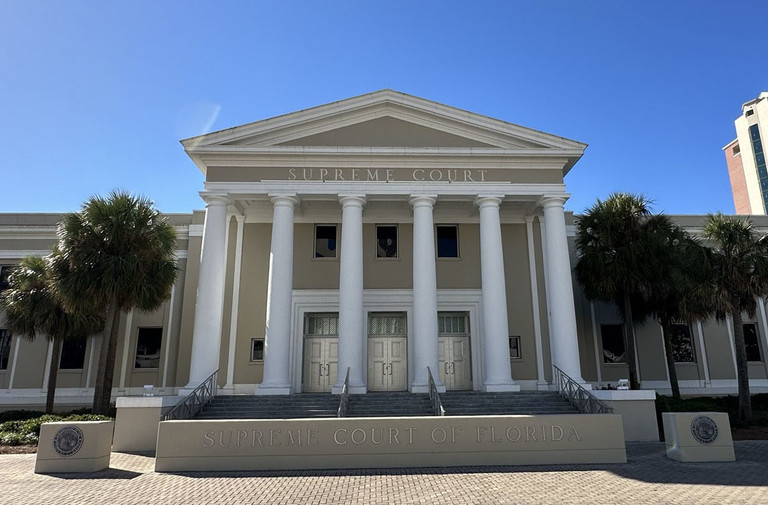
Florida Public Overwhelmingly Backs Slashing ABA’s Control Over Law Schools: Path to Cheaper, Innovative Legal Training?
In a seismic shift for aspiring lawyers across the Sunshine State, overwhelming public feedback has flooded Florida’s courts, demanding a dramatic cut—or total elimination—of the American Bar Association’s longstanding stranglehold on legal education. This surge of voices could reshape how the next generation enters the legal field, making it more accessible amid rising tuition woes.
Florida’s legal community buzzes with debate over ABA accreditation requirements, as the state Supreme Court weighs reforms to the Florida Bar admission rules. Trending searches like law school reform, ABA controversy, and legal education access spike as over 20 public comments pour in, mostly favoring reduced reliance on the ABA’s stamp of approval. Since 1992, only graduates from ABA-accredited schools could sit for the Florida Bar Exam, a policy now under fire for stifling innovation and jacking up costs.
The push gained steam in March 2025 when Chief Justice Carlos G. Muñiz assembled a high-powered workgroup, led by former Justice Ricky L. Polston, to scrutinize this setup. Initially due September 30, the deadline stretched to October 31 after a wave of input from lawyers, students, and scholars. Critics, including state Attorney General James Uthmeier, lambast the ABA as a “brazenly political operation” pushing “woke ideology” that hikes barriers to entry and punishes non-traditional programs.
Uthmeier didn’t mince words in his filing, likening the ABA’s influence to handing the keys to the American Civil Liberties Union. “It fixes prices, stifles innovation, and none of that’s good for Florida’s legal talent pool,” he argued, calling for rival accreditors to break the monopoly. This echoes broader conservative gripes, from the Trump administration’s 2025 snub of ABA judicial reviews to similar probes in Texas and Ohio.
Public reactions tell a vivid story. Tom Taylor, a Naples resident and recent Purdue Global Law grad from a non-ABA online program, shared his frustration. As a long-time Floridian, he faces the absurdity of taking the Connecticut Bar Exam just to practice locally. “It’s a barrier that ignores modern life—working pros need flexible paths, not rigid gatekeeping,” Taylor vented, highlighting how five Purdue peers aced Indiana’s exam despite lacking the ABA nod.
Echoing affordability woes, Jasmine Williams, another Purdue student with advanced degrees in cybersecurity, crunched the numbers. Non-ABA options clock in under $100,000 total, half the tab at traditional spots. “This isn’t about lowering standards; it’s about opening doors for motivated folks who can’t drop everything for full-time campus life,” she insisted, nodding to federal loan caps and states like California that embrace dual accreditation.
Not everyone’s on board. Barry Currier, ex-ABA accreditation chief and University of Florida Law dean, defends the system as a bulwark for quality. “The ABA Council operates independently—it’s not some partisan puppet,” he clarified, pushing for a unified national framework to ease interstate moves. The National Association for Law Placement (NALP) chimed in with stark warnings: Ditching ABA ties could torpedo careers, as 98% of 2024 bar passers hailed from accredited schools, and big firms favor them for 30% of entry gigs.
Veteran voices add nuance. Franklin Harrison, ex-chair of Florida’s Board of Bar Examiners, admits the ABA feels “out of touch” but praises its rigor. “Non-ABA grads often flop on exams, saddling kids with debt they can’t shake,” he cautioned, citing dismal passage rates. On the flip side, Tampa attorney Robert Vessel, a Navy vet, rails against the ABA’s diversity push as “dumbing down merit for equity’s sake.”
This June, the Supreme Court doubled down, ordering the Florida Bar to halt delegate picks for the ABA’s policymaking House—a move tying into Pam Bondi’s federal critique of the group as an “activist outfit.” With over 114,000 lawyers under its wing, the Bar swiftly pledged policy tweaks.
For everyday Americans, the stakes ripple far beyond courtrooms. Cheaper legal training could flood Florida with diverse attorneys, easing access to justice in underserved areas and curbing the $200,000-plus debt trap that deters middle-class dreamers. Politically, it fuels the red-state revolt against perceived liberal overreach in professions, potentially inspiring copycat laws nationwide. Economically, more lawyers mean sharper business advice for startups; lifestyle-wise, flexible online degrees let parents and workers chase callings without uprooting lives.
Yet risks loom: Weaker standards might dilute bar passage—Florida’s 12 schools churn out 2,000 grads yearly, all ABA-backed—and crimp mobility, as 70% of young attorneys job-hop within three years, often crossing state lines. As the workgroup digests this chorus, Florida stands at a crossroads, balancing tradition against tomorrow’s needs.
Looking ahead, expect fireworks by Halloween’s report drop. If reforms stick, Florida could pioneer a leaner legal ladder, boosting ABA accreditation debates and Florida Bar evolution while challenging the ABA controversy head-on. Watch for ripple effects in law school reform and broader legal education access—a win for innovation, or a gamble on quality?
By Sam Michael
Follow and subscribe to us today—turn on push notifications for instant updates on Florida’s hottest legal shifts and never miss a beat!