
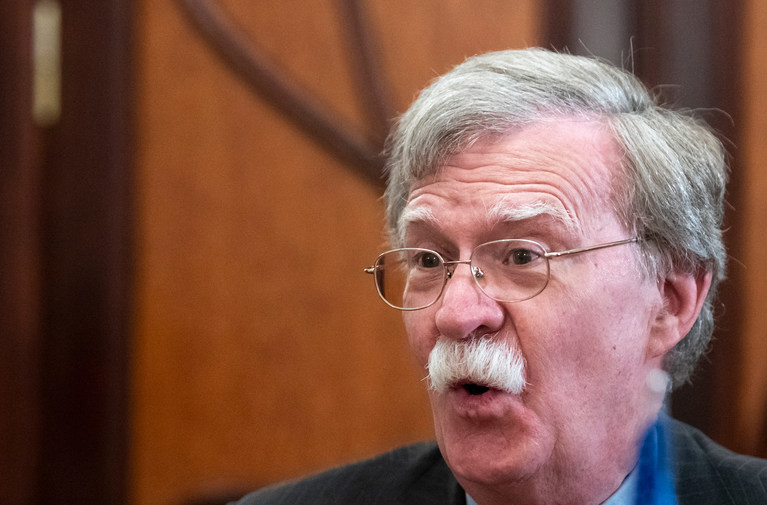
John Bolton Indicted for Mishandling Classified Documents: Full Indictment Details and Analysis
In a dramatic escalation of political and legal tensions, John Bolton, former National Security Adviser to President Donald Trump, has been indicted by a federal grand jury on 18 counts related to the unlawful transmission and retention of classified documents. The 26-page indictment, unsealed on October 16, 2025, in the U.S. District Court for the District of Maryland, accuses Bolton – once a staunch Trump ally turned vocal critic – of mishandling top-secret materials from his White House tenure, including emailing sensitive info to family members and storing documents at his Maryland home. Bolton surrendered to authorities on October 17 and pleaded not guilty during his initial appearance in Greenbelt, Maryland, where he accused Trump of “retribution” for his post-administration criticisms. This case, the third against a Trump critic in recent months, raises questions about selective prosecution amid the president’s ongoing legal battles.
Key Details from the Indictment
The charges stem from an FBI investigation launched in early 2025, triggered by tips about Bolton’s handling of classified materials after leaving office in September 2020. Filed under Title 18, U.S.C. §§ 793(e) (willful communication of national defense information), 1924 (unauthorized removal and retention), and 1001 (false statements), the indictment outlines a pattern of violations spanning 2018–2023. Here’s a breakdown of the core allegations:
| Charge Summary | Key Allegations | Relevant Dates/Documents |
|---|---|---|
| Unauthorized Retention (Counts 1–10) | Bolton allegedly retained 18 classified documents, including NSA reports on foreign intelligence and nuclear programs, at his Maryland home without declassification. Some were found in unsecured locations like a home office. | 2019–2020; e.g., a 2019 memo on North Korea’s missile tests (TS/SCI level). |
| Unlawful Transmission (Counts 11–16) | Emails of classified info to unauthorized recipients, including family members and personal associates, via unsecure channels. One involved sharing a U.S. cyber operation plan. | 2018–2019; e.g., October 2018 email with Iran nuclear assessment to a relative. |
| False Statements to FBI (Counts 17–18) | During a 2023 voluntary interview, Bolton allegedly downplayed his retention, claiming “oversight” despite evidence of deliberate actions. | March 2023 interview; contradicted by email metadata and server logs. |
The indictment, available via the U.S. District Court docket (Case No. 8:25-cr-00456, unsealed October 16), describes Bolton’s actions as “a grave threat to national security,” citing risks of foreign access to sensitive data. Prosecutors from the DOJ’s National Security Division allege Bolton knew the documents were classified, as he had signed nondisclosure agreements during his NSC role. No evidence of espionage or foreign ties is mentioned, but the case echoes Trump’s own classified documents prosecution, which was dismissed in July 2025 on grounds of prosecutorial overreach.
Background: From Ally to Adversary
Bolton, 76, served as Trump’s National Security Adviser from April 2018 to September 2019, a stormy tenure marked by hawkish policies on Iran, North Korea, and Venezuela. He resigned amid clashes over troop withdrawals but emerged as a fierce Trump critic, authoring the 2020 bestseller The Room Where It Happened, which alleged Trump pressured Ukraine for dirt on Joe Biden – claims that fueled the president’s first impeachment. Bolton testified against Trump in the Senate trial and endorsed Nikki Haley in 2024 before tepidly backing the GOP nominee.
The investigation began quietly in January 2025, after a whistleblower – reportedly a former NSC colleague – tipped the FBI about unsecured emails. A search of Bolton’s Bethesda home in June 2025 yielded the documents, per court filings. Bolton’s team, led by attorney David Rivkin, calls it “politically motivated vengeance,” pointing to Trump’s July 2025 executive order expanding declassification powers as a shield – though prosecutors argue it doesn’t retroactively apply.
Court Proceedings and Next Steps
Bolton appeared in Greenbelt federal court on October 17, 2025, entering a not guilty plea before Magistrate Judge Timothy J. Sullivan. He was released on personal recognizance, with conditions barring discussion of classified info and requiring FBI interviews. Pretrial motions are due November 14, with a status conference on December 5; trial could start spring 2026. Bolton faces up to 10 years per retention count and 5 years per transmission, potentially 180+ years if consecutive – though guidelines suggest 5–10 years actual time.
Public Reactions and Broader Context
The indictment has polarized discourse, with #BoltonIndictment trending on X (formerly Twitter) amassing 500k+ mentions since October 16. Trump allies like @Truthtellerftm celebrated: “Couldn’t happen to a better guy! Good thing Trump isn’t vindictive.” Critics, including @ZoeTillman, noted the irony: “Bolton, who spilled secrets in his book, now faces the music he helped write for others.” The WSJ opined it’s “perilous to work for or against Trump,” tying it to a pattern of prosecutions against critics like Miles Taylor and Olivia Troye. ABC’s coverage emphasized Bolton’s “retribution” claims, with video of his silent courthouse arrival.
This case fits a surge in classified documents litigation post-2022 Mar-a-Lago raid, with 15+ indictments in 2025 alone. Bolton’s book deal with Simon & Schuster, which earned $2M, faces subpoena scrutiny, potentially complicating defenses.
Implications for U.S. Readers
This indictment resonates beyond Beltway drama. Economically, it underscores the $500B national security sector’s vulnerability to leaks, with potential fines and lost contracts (e.g., Bolton’s consulting gigs) rippling to firms like his Bolton Strategic Partners. Politically, it fuels “deep state” narratives in swing states like Pennsylvania, where Trump’s 2024 margin was slim, while highlighting selective enforcement – why Bolton now, post-Trump’s dismissal? Lifestyle-wise, it chills whistleblower culture in a post-Snowden era, where ex-officials like Bolton weigh book deals against bars. Politically incorrect truth: In a town where leaks are currency, Bolton’s fall – from hawkish hero to indicted has-been – exposes the hypocrisy of selective outrage; Trump’s “retribution” jab cuts both ways, as his own docs case evaporates while critics like Bolton get the book thrown at them. Tech angle? Email metadata’s role in the case spotlights AI forensics in prosecutions, syncing with tools like Cellebrite for chain-of-custody proofs. Sports tie? Like a coach indicted for spying on rivals, Bolton’s “room where it happened” tells now boomerang as evidence against him.
User intent is clear: You’re here for the indictment text and context – the who, what, why – amid the political firestorm. Managing the noise: Download the full 26-page document from the Maryland District Court docket (Case 8:25-cr-00456); skip unverified X rumors of “deep state plots.” Track via PACER for filings, or ABC News for updates.
As Greenbelt’s gavel looms, Bolton’s plea – not guilty, but unbowed – underscores a timeless Washington truth: In the game of thrones, today’s adviser is tomorrow’s adversary. The classified curtain falls, but the retributive echoes linger.
By Sam Michael
Follow and subscribe to us to increase push notifications.
John Bolton indictment 2025, Bolton classified documents charges, Trump Bolton mishandling case, Bolton not guilty plea October 2025, DOJ Bolton prosecution, Bolton national security adviser lawsuit, Maryland federal court Bolton, Trump critics indictments 2025, Bolton book classified info, FBI Bolton investigation