
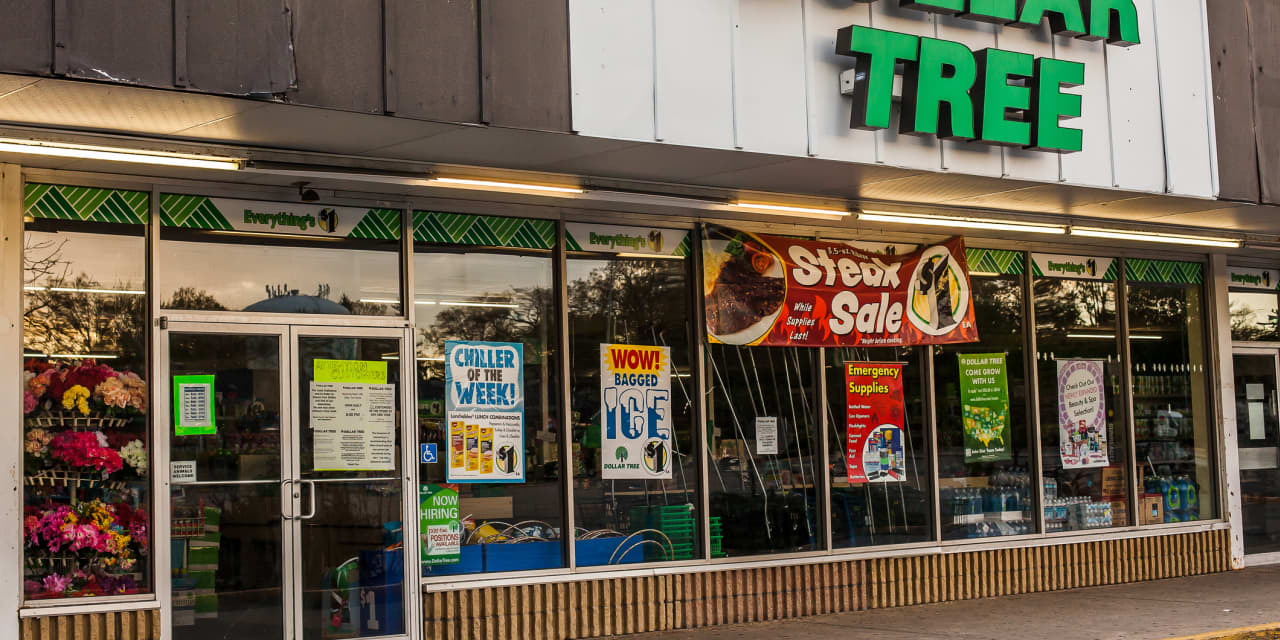
Imagine pulling up to a Dollar Tree in your Tesla, loading your cart with $1.25 snacks and $5 home decor, then zipping out with a basket full of bargains that rival Amazon’s deals. Sounds absurd? Not in 2025’s economy, where the ultra-frugal mindset has hooked high-earners like never before. In a jaw-dropping earnings revelation that’s flipping retail scripts, Dollar Tree disclosed that the majority of its newest shoppers hail from households raking in six figures annually—proving that even the wealthy are hunting value amid relentless inflation.
For budget-savvy Americans from coastal suburbs to heartland enclaves searching Dollar Tree high-income shoppers 2025, affluent customers Dollar Tree trend, and why rich people shop at dollar stores, this bombshell has surged in Google trends like a Black Friday stampede. These viral queries spotlight a seismic shift in consumer behavior, where economic pressures are blurring class lines and turning discount chains into must-hits for everyone from tech execs to middle managers, as U.S. households grapple with a 3.2% CPI uptick that’s eroded savings faster than a summer sale.
The numbers don’t lie, and they’re anything but pedestrian. During its third-quarter earnings call this week, Dollar Tree CEO Mike Creedon dropped the mic: The chain welcomed 3 million more households year-over-year, with a staggering 60% of those incremental shoppers from homes earning over $100,000 annually. That’s right—most new faces aren’t the stereotypical penny-pinchers but affluent adventurers trading down from pricier spots like Target or Whole Foods. Another 30% came from middle-income brackets ($60,000-$100,000), rounding out a diverse influx that’s juiced comparable sales by 4.5% despite a slight 0.3% traffic dip. Creedon called it a “powerful growth driver,” noting these high-rollers are building bigger baskets on fewer trips, eyeing impulse buys like trendy $3 candles or bulk snacks that scream “guilty pleasure without the guilt.”
This isn’t a one-quarter fluke; it’s a pattern etched in Dollar Tree’s turnaround playbook. Back in Q1, the retailer snagged 2.6 million fresh customers, with executives pinpointing high-income households as the rocket fuel—many earning north of $125,000. Even in 2023’s fiscal close, 3.4 million newbies skewed upscale, per PYMNTS Intelligence, as inflation gnawed at disposable income across the board. The secret sauce? Dollar Tree’s bold pivot to “multi-price” stores—now over 3,500 locations stocking goodies up to $7—catering to aspirational tastes without ditching the $1.25 core. Think artisanal-ish cleaning supplies or seasonal decor that feels elevated, not economy-bin desperate.
Retail analysts are geeking out over the mechanics. Neil Saunders of GlobalData told Retail Dive that while core low-income loyalists remain hooked (and increasingly reliant amid food stamp squeezes), the high-end influx signals “trade-in” fever—affluents swapping premium for practical as grocery bills balloon 5% year-over-year. Scott Mushkin of R5 Capital echoed this on Yahoo Finance, highlighting how 60% of Q3’s new blood from $100K+ earners is “the majority” reshaping the chain’s demographics. It’s a virtuous cycle: Bigger tickets from bigger wallets boost margins, funding fresher assortments that lure even more.
Social media’s ablaze with relatable rants. On X, #DollarTreeGlowUp threads are popping, with one viral post from a Bay Area marketer: “Six-figure salary, but my $1.25 impulse buys at Dollar Tree are my therapy. Who needs therapy?” TikTok duets show “rich people Dollar Tree hauls,” tallying millions of views, while Reddit’s r/personalfinance debates if it’s “smart” or “sad”—consensus? Smart, with users sharing hauls that saved $50 on holiday wrap versus Etsy. A 2025 PYMNTS survey backs the vibe: 73% of $100K+ earners admit inflation’s outpacing paychecks, pushing 41% to discount dives monthly.
For everyday U.S. readers, this saga’s a mirror to the money crunch hitting every zip code. Economically, it’s a boon for Dollar Tree’s $30 billion empire—Q3 revenue topped estimates at $7.5 billion, with full-year profit guidance hiked to $7.40-$7.80 per share—but a wake-up for rivals like Dollar General, where low-end erosion looms. Politically, it fuels 2026 chatter on wage stagnation and tariff threats, as Creedon nods to resilient demand for “discretionary” like $5 decor amid holiday squeezes. Lifestyle perks? High-earners report “thrill of the hunt” dopamine hits, turning errands into treasure quests—perfect for busy parents stocking party favors without the markup.
Tech angles intrigue too: Dollar Tree’s app now flags “affluent exclusives” like limited-edition gadgets, while AI-driven inventory predicts upscale whims. Sports fans? It’s like a luxury box fan sneaking into nosebleeds for the view—same game, smarter spend.
Creedon envisions this as “overtime” fuel: As trip frequency climbs among six-figure shoppers, expect deeper penetration into urban enclaves with pop-up “premium dollar” zones. “We’re not just surviving inflation; we’re thriving on it,” he quipped.
These Dollar Tree high-income shoppers 2025 insights aren’t just retail trivia—they’re affluent customers Dollar Tree trend harbingers, decoding why rich people shop at dollar stores in a world where value trumps vanity. From Tesla trunks to checkout lines, the message is clear: Bargains know no bracket.
In summary, Dollar Tree’s upscale shopper surge underscores a resilient retail pivot amid economic headwinds, blending affordability with aspiration to capture wallets across the spectrum. Looking ahead, anticipate 2026 expansions like $10 tiers and app-exclusive bundles, potentially doubling high-income traffic and solidifying the chain as America’s go-to value vanguard—proving that in tough times, even the elite embrace the dollar.
By Sam Michael
Follow us on social media and subscribe for instant push notifications on breaking retail stories like Dollar Tree’s rich shopper boom—stay savvy and save big!