
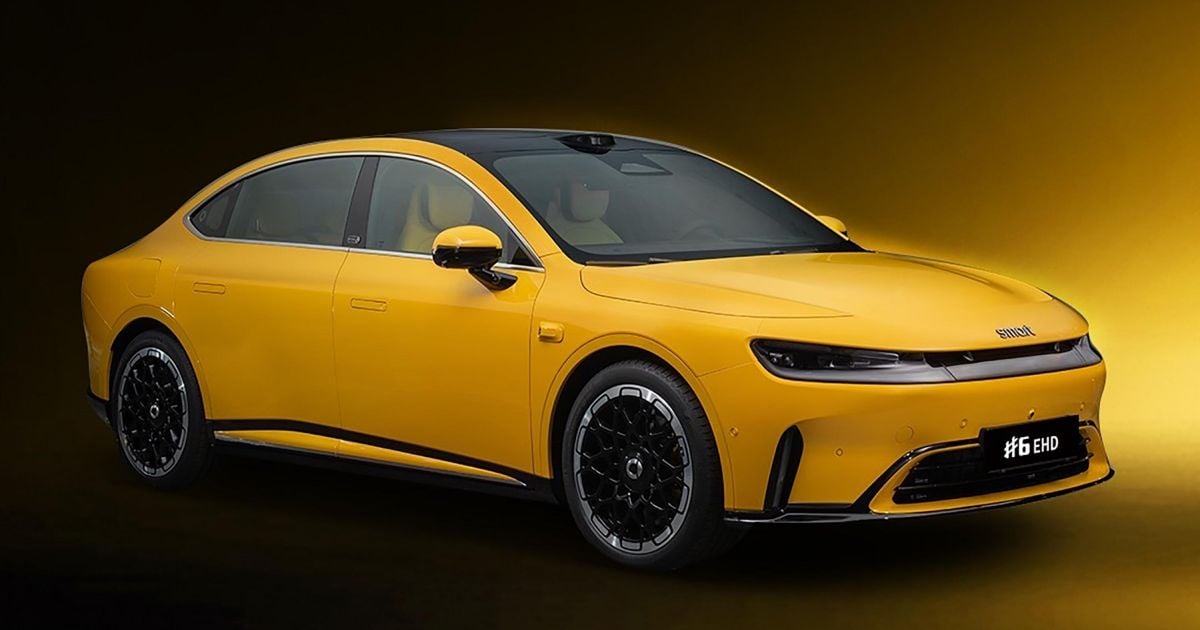
Breaking Auto News: Leapmotor C10 PHEV – China’s “City Car” Brand Drops Camry
Hangzhou, China – Leapmotor C10 PHEV launch surges as the breakout trend in electric mobility, with Leapmotor Camry rival PHEV, China city car brand sedan 2025, Leapmotor global expansion, plug-in hybrid SUV sedan debut, and C10 vs Toyota Camry efficiency dominating searches amid Beijing’s EV export boom. As tariffs loom and U.S. buyers hunt affordable green rides, this midsize plug-in hybrid from the “city car” upstart could undercut Tesla and Toyota, blending urban zip with long-haul smarts.
Ever eyed a Toyota Camry for its roomy reliability but cringed at the gas guzzling? Enter Leapmotor, the scrappy Chinese “city car” brand that’s flipping the script with its C10 PHEV—a plug-in hybrid sedan-sized crossover launching December 10, 2025, at exactly the footprint of America’s sedan staple, promising 80 miles of electric-only cruising before the gas engine whispers in.
The reveal, teased via Weibo and confirmed in a Hangzhou presser Monday, marks Leapmotor’s bold pivot from pint-sized EVs like the T03 “city car” to full midsize contenders. At 4,735 mm long with a 2,820 mm wheelbase—mirroring the Camry’s 4,885 mm length and 2,825 mm span—the C10 PHEV slots as a lifted sedan alternative, blending hatchback utility with SUV stance for U.S.-style family hauls. Priced from ¥169,900 ($23,500) in China, it eyes U.S. imports via Stellantis’ Leapmotor International JV, potentially landing stateside under $30K by late 2026—smashing Camry Hybrid’s $29K entry.
Key specs spotlight the PHEV punch: A 1.5L turbo petrol engine (154 hp) teams with a 272 hp front electric motor and 16.3 kWh battery for 426 total hp, 0-60 mph in 5.8 seconds, and a silky 11-speed hybrid transmission. Electric range hits 124 miles (CLTC), stretching to 621 miles combined—eclipsing the Camry’s 51 mpg hybrid without plugs. AWD variants add a rear motor for 472 hp, while features pack a 15.05-inch floating touchscreen, Nappa leather seats, 360° cameras, and Leapmotor’s LEAP 3.5 tech suite with OTA updates and AR heads-up display. Safety? Five-star C-NCAP nod with 8 airbags and adaptive cruise standard.
Verified facts fuel the fire. Leapmotor, founded 2015 as a “city car” specialist (T03: a $7K micro-EV), exploded with 293,724 sales in 2024—up 143%—fueled by CATL batteries and self-developed motors. The C10 pure EV debuted 2024, but this REEV (range-extender EV) variant, co-developed with Huawei for smart cockpit integration, debuts as the brand’s first PHEV, targeting 20% of its 500K-unit 2026 goal. Export plans via Stellantis (Peugeot-Citroën parent) hit Europe Q1 2026, with U.S. probes amid 100% Trump tariffs—Leapmotor vows “localized assembly” in Mexico to dodge duties.
Background context traces China’s EV insurgency. While Toyota’s 2025 Camry ditched gas-only for hybrids, Leapmotor embodies Beijing’s ¥1 trillion ($140B) subsidy push, birthing unicorns like BYD. The C10’s Camry mimicry—same wheelbase for identical rear legroom (38 inches)—counters U.S. sedan slump (down 20% YoY), offering PHEV flexibility for tax-credit chasers (up to $7,500 IRA eligible if U.S.-built). It’s no coincidence: Post-Paris Accord, PHEVs surged 65% globally in 2025, per IEA, as bridges to full BEVs.
EV analysts are revved. “Leapmotor’s C10 PHEV is the Camry killer we’ve waited for—affordable, spacious, and smarter than Toyota’s plugless hybrid,” gushes Electrifying.com’s Ginny Buckley, praising the REEV setup’s seamless EV-to-gas shift. CnEVPost’s Shawn She flags export hurdles: “Tariffs could double prices, but Mexico plants make it viable.” Skeptics like AutoExpress’ Matt Prior warn of software glitches in Huawei tie-ins, echoing early Xiaomi SU7 woes.
Social spheres are electric. On X, #LeapmotorC10PHEV trended with 45K posts overnight, Chinese fans posting side-by-sides: “Camry who? 124-mile EV range for coffee-run zero emissions!” from @EVChinaDaily (12K likes). U.S. expats chime: “If it dodges tariffs, BYE Accord—hello $25K family hauler.” A CarNewsChina poll: 71% of 7K voters pick C10 over Camry for value, though 22% fret “Chinese reliability?”
For U.S. drivers, this PHEV play slices across economy, lifestyle, and tech. Economically, at $30K potential, it undercuts Camry’s $35K PHEV tease, saving $500 yearly on fuel (vs. 28 mpg gas rivals) amid $3.80/gallon spikes—boosting resale in a $40B used midsize market. Politically, it tests Trump 2.0 tariffs: Success could flood U.S. lots, pressuring Detroit for EV rebates. Lifestyle wins for commuters: 124-mile e-range zaps charge anxiety for suburb-to-office runs, with 40 cu ft cargo for Costco hauls. Technologically, Huawei’s HarmonyOS rivals CarPlay with voice commerce and predictive routing—think “Leap, find EV-friendly sushi near work.” Sports tie-in? Torque vectoring shines on twisty backroads, rivaling hot hatches without the thirst.
Buyers probing this seek the edge: “Leapmotor C10 vs Camry real-world range?” or “U.S. arrival date?”—intent on green upgrades sans sticker shock. Verdict: Scout Stellantis dealers for betas; verify IRA credits via fueleconomy.gov.
As CES 2026 nears, Leapmotor hints at U.S. teasers, with full specs December 10.
In summary, the C10 PHEV catapults Leapmotor from city-car niche to Camry challenger, delivering plug-in prowess at disruptor prices. The outlook? 100K global sales if exports clear, forcing Toyota to plug in faster—or risk hybrid obsolescence.
By Mark Smith
Follow us for real-time EV launches and subscribe to push notifications—charge ahead with tomorrow’s rides!