
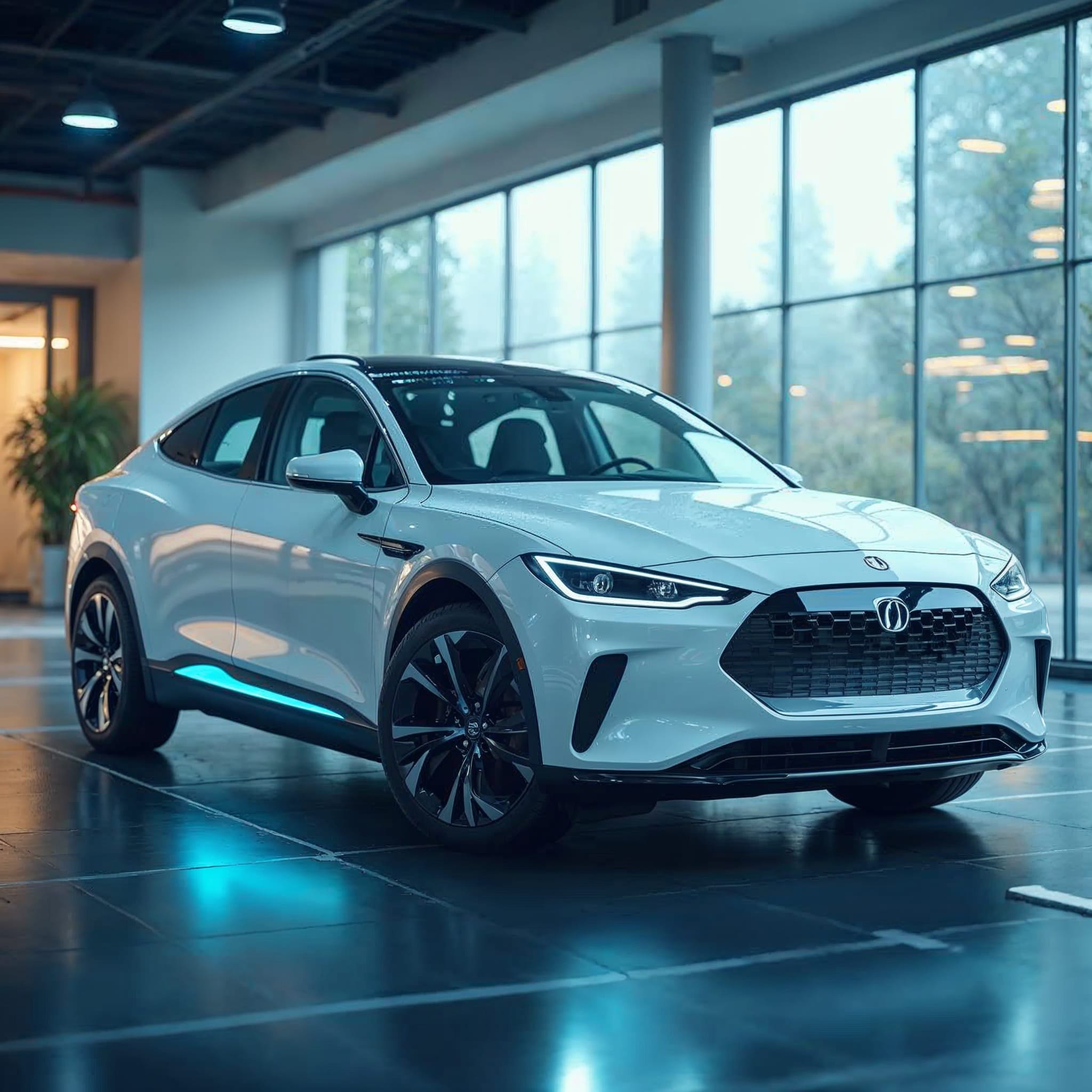
Welcome to Demystifying Common Myths About Hybrid Electric Car Ownership, where we tackle the most prevalent misconceptions surrounding eco-friendly vehicles. Today, we’re diving deep into a topic that often generates significant anxiety among potential and current hybrid car owners: the lifespan and replacement costs of the hybrid battery. For years, narratives have circulated, painting a grim picture of exorbitant replacement bills and premature battery failures, often deterring individuals from embracing hybrid technology. Is there truth to these fears, or are they largely exaggerated myths?
This comprehensive guide aims to peel back the layers of misinformation, providing you with an accurate, data-driven understanding of hybrid car batteries. We will explore everything from the technological advancements that have made these batteries incredibly durable, to the practical factors influencing their longevity, and a clear breakdown of actual replacement options and costs. Our goal is to empower you with knowledge, helping you make informed decisions and dispelling the lingering doubts that often overshadow the undeniable benefits of hybrid vehicle ownership.
Prepare to discover that the reality of hybrid battery ownership is far more reassuring and economically viable than many assume. Let us embark on this journey to uncover the real truth.
Understanding Hybrid Battery Technology and Its Evolution
The heart of any hybrid vehicle is its battery system, which works in conjunction with a conventional internal combustion engine to deliver improved fuel efficiency and reduced emissions. But not all hybrid batteries are created equal, and understanding their underlying technology is crucial to appreciating their impressive longevity.
Nickel-Metal Hydride (NiMH) Batteries: The Workhorses of Early Hybrids
For many years, Nickel-Metal Hydride (NiMH) batteries were the industry standard for hybrid vehicles. Pioneered by models like the Toyota Prius and Honda Insight, NiMH batteries proved to be a reliable and robust choice. They offer a good balance of power output, energy density, and cycle life for the demands of a hybrid powertrain. Importantly, they are also quite tolerant of wide temperature ranges, which is a significant advantage for automotive applications.
One of the key characteristics of NiMH batteries in hybrid applications is how they are managed. Hybrid cars typically operate these batteries within a narrow state-of-charge (SoC) window, usually between 40% and 80%. This prevents them from being fully discharged or overcharged, which are two of the primary stressors that can accelerate battery degradation. This clever management strategy is a major reason why many early hybrid vehicles with NiMH batteries are still on the road today, performing admirably after well over a decade.
Lithium-Ion (Li-ion) Batteries: The Modern Powerhouses
In recent years, Lithium-Ion (Li-ion) battery technology has become increasingly prevalent in hybrid vehicles, especially in newer models and plug-in hybrids (PHEVs). Li-ion batteries offer several advantages over NiMH:
- Higher Energy Density: They can store more energy in a smaller and lighter package, contributing to better fuel economy and often allowing for longer electric-only ranges in PHEVs.
- Greater Power Output: They can deliver and accept charge more quickly, which is beneficial for regenerative braking and rapid acceleration.
- Lower Self-Discharge Rate: They hold their charge for longer periods when the vehicle is not in use.
While Li-ion batteries are excellent, they do require more sophisticated thermal management systems to operate optimally and prevent overheating, which can shorten their lifespan. Modern hybrid vehicles equipped with Li-ion batteries feature advanced liquid cooling or air cooling systems to maintain ideal operating temperatures, further enhancing their durability and longevity. The continuous development in Li-ion chemistry also means these batteries are becoming more robust and cost-effective over time.
The Sophistication of Battery Management Systems (BMS)
Regardless of the chemistry, the unsung hero behind the impressive longevity of hybrid batteries is the Battery Management System (BMS). This sophisticated electronic brain monitors every aspect of the battery pack, including:
- Individual cell voltage.
- Overall pack voltage.
- Current input and output.
- Temperature at various points within the pack.
- State of charge (SoC).
The BMS works tirelessly to:
- Prevent overcharging and over-discharging.
- Balance the charge across individual cells to ensure uniform performance.
- Manage thermal conditions, activating cooling or heating systems as needed.
- Protect the battery from short circuits and other electrical faults.
- Report diagnostic information and warn the driver of potential issues.
This active management is critical because it ensures the battery operates within its safest and most efficient parameters, significantly extending its useful life beyond what might be expected from a typical consumer battery.
Factors Influencing Hybrid Battery Lifespan
While hybrid batteries are engineered for durability, several factors can influence their actual lifespan in real-world conditions. Understanding these can help owners maximize their battery’s performance and longevity.
Climate and Temperature Extremes
Temperature is perhaps one of the most significant external factors affecting battery life. Both excessively hot and extremely cold conditions can stress battery chemistry. Prolonged exposure to high temperatures can accelerate chemical degradation within the battery cells, leading to a reduced capacity and shorter overall life. Conversely, very cold temperatures can temporarily reduce a battery’s power output and efficiency, though the long-term damage is typically less severe than from heat.
This is why advanced thermal management systems in modern hybrids are so crucial. They work to keep the battery within an optimal operating temperature range, mitigating the effects of environmental extremes. For owners in very hot climates, parking in the shade or a garage when possible can offer additional protection.
Driving Habits and Usage Patterns
How a hybrid vehicle is driven also plays a role. While hybrid batteries are designed to handle frequent charge and discharge cycles, extremely aggressive driving that involves constant rapid acceleration and heavy braking can put more stress on the battery than smooth, moderate driving. Frequent short trips might also be less ideal than longer, more consistent drives, as the battery may not have ample opportunity to reach its optimal operating temperature and charge levels.
However, it is important to emphasize that modern hybrid systems are incredibly resilient. They are engineered to withstand typical driving patterns for the average motorist. The impact of driving habits on lifespan is usually secondary to factors like temperature and manufacturing quality.
Vehicle Age and Mileage
Naturally, as with any component in a vehicle, age and mileage contribute to wear and tear. A battery that has undergone thousands of charge and discharge cycles over many years will inevitably show some signs of degradation, even if minor. Most hybrid batteries are designed to last for the entire service life of the vehicle, which typically ranges from 10 to 15 years or 150,000 to 200,000 miles, if not more. High-mileage examples often demonstrate that the technology holds up remarkably well over extended periods.
Maintenance and Software Updates
While hybrid batteries themselves are largely maintenance-free, proper overall vehicle maintenance is still important. Ensuring that the hybrid system’s cooling components (if applicable) are clean and functioning correctly can help maintain optimal battery temperatures. Additionally, keeping the vehicle’s software up to date is crucial. Manufacturers frequently release software updates that can optimize battery management algorithms, improving efficiency and potentially extending lifespan. Regular servicing at authorized dealerships or reputable independent shops ensures these updates are applied and the system is functioning optimally.
Typical Lifespan Expectations and Manufacturer Warranties
One of the biggest anxieties surrounding hybrid vehicles revolves around the battery’s lifespan. However, the reality is far more reassuring than the myths suggest. Hybrid batteries are engineered for exceptional durability, often outliving other major components of the vehicle.
Manufacturer Warranties: A Strong Indicator of Confidence
Hybrid vehicle manufacturers stand firmly behind their battery technology, offering substantial warranties that reflect their confidence in the product’s longevity. While specific terms can vary by manufacturer and region, a typical hybrid battery warranty in the United States is:
- Standard Warranty: 8 years or 100,000 miles, whichever comes first.
- Enhanced Warranty (California and CARB States): In states that follow California Air Resources Board (CARB) regulations (currently 17 states plus the District of Columbia), the warranty is often extended to 10 years or 150,000 miles. This applies to several hybrid models from various manufacturers.
These warranties cover significant degradation or outright failure of the hybrid battery pack. It’s rare for a hybrid battery to fail within this warranty period, speaking volumes about its inherent reliability. This also provides peace of mind for original owners, knowing that a costly replacement is covered during the most common ownership period.
Real-World Observations and Case Studies
Beyond the warranty period, real-world data paints an even more impressive picture. Numerous hybrid vehicles, particularly popular models like the Toyota Prius, Honda Insight, and Ford Fusion Hybrid, are frequently observed to exceed 200,000 or even 300,000 miles on their original battery packs. Some anecdotal evidence suggests even higher mileage for meticulously maintained vehicles.
Consider the case of taxi fleets, which often utilize hybrid vehicles due to their fuel efficiency and durability. These cars accumulate immense mileage under demanding conditions, and their hybrid batteries consistently demonstrate remarkable resilience. This high-mileage performance in commercial settings serves as a powerful testament to the robust engineering of these components.
It’s important to differentiate between a battery “failure” and “degradation.” Over time, like any rechargeable battery, a hybrid battery’s capacity will gradually diminish. This might manifest as a slight decrease in fuel economy or a shorter electric-only range. However, this degradation is typically slow and gradual, often remaining within acceptable parameters for many years beyond the warranty, without requiring immediate replacement. The vehicle’s onboard computer will usually alert the driver with a specific “check hybrid system” warning only when degradation reaches a point that significantly impairs performance or safety.
Signs of a Failing Hybrid Battery
While hybrid batteries are exceptionally durable, they are not immortal. Knowing the warning signs of a weakening or failing battery can help you address issues proactively and avoid being stranded.
Reduced Fuel Economy
One of the earliest and most common indicators of a degrading hybrid battery is a noticeable decrease in fuel efficiency. The hybrid system relies on the battery to assist the engine, particularly during acceleration and at lower speeds. If the battery can no longer hold as much charge or deliver power efficiently, the internal combustion engine will have to work harder and more frequently, leading to higher fuel consumption. This change might be subtle at first, but if you track your mileage, a consistent dip could be a red flag.
Warning Lights on the Dashboard
Your vehicle’s sophisticated Battery Management System (BMS) is designed to monitor the health of the hybrid battery continuously. If it detects a significant issue, such as individual cell degradation, an imbalance in voltage, or a fault within the system, it will illuminate warning lights on your dashboard. Common indicators include:
- “Check Engine Light” (CEL): While generic, it can sometimes be triggered by hybrid system faults.
- “Master Warning Light”: A general caution light, often accompanied by a more specific message.
- “Hybrid System Warning Light”: This is the most direct indicator of a problem within the hybrid powertrain, specifically related to the battery or its associated components.
- “Battery Light”: Though typically for the 12V auxiliary battery, in some systems, it might also indicate a broader charging system issue that could involve the hybrid battery.
When these lights appear, it is crucial to have your vehicle diagnosed by a qualified hybrid technician promptly. They can read the specific error codes (DTCs) that pinpoint the exact nature of the problem.
Decreased Power and Acceleration
The hybrid battery provides an essential power boost, especially during acceleration. If the battery is failing, you might experience a noticeable reduction in the vehicle’s overall power and responsiveness. The car might feel sluggish, struggle to climb hills, or accelerate more slowly than usual. This is because the engine is compensating for the battery’s inability to provide its usual assistance.
Fluctuating Battery Indicator on the Dashboard
The energy monitor or battery indicator on your dashboard typically shows the hybrid battery’s state of charge. A healthy battery will show a relatively stable state of charge, cycling within its optimal operating window (e.g., 40-80%). If you observe erratic behavior, such as the indicator rapidly jumping from full to empty, or staying consistently very low despite driving, it could be a sign that the battery is struggling to hold and deliver charge effectively. This is often an indicator of individual “dead” cells or sections within the battery pack.
Unusual Noise from the Battery Cooling Fan
Many hybrid vehicles use a cooling fan to regulate the temperature of the hybrid battery, especially during demanding conditions or in hot weather. If this fan starts running excessively loud, more frequently than usual, or for prolonged periods, it could indicate that the battery is overheating. An overheating battery is often a symptom of degradation, as struggling cells generate more heat. It could also point to a fault in the cooling system itself, which in turn stresses the battery.
Replacement Options and Costs: Debunking the High-Cost Myth
The specter of a prohibitively expensive hybrid battery replacement is perhaps the most enduring myth in the hybrid car ownership narrative. While it’s true that a new battery can be a significant investment, the landscape of options and the actual costs are far more nuanced and often less daunting than commonly believed. Moreover, the costs have been steadily decreasing over the past decade.
New Hybrid Batteries: The Premium Option
Opting for a brand-new hybrid battery from the original equipment manufacturer (OEM) is generally the most expensive route. These batteries come directly from the car maker, are identical to the one installed at the factory, and typically include a fresh warranty from the manufacturer. The cost can vary significantly depending on the vehicle model, battery chemistry (NiMH or Li-ion), and labor rates in your region.
While providing the ultimate peace of mind and performance, a new OEM battery might not always be the most cost-effective solution, especially for older vehicles where its cost could approach a significant percentage of the car’s market value.
Refurbished Hybrid Batteries: The Popular and Practical Choice
Refurbished batteries have emerged as a highly popular and practical alternative to new ones. These are original OEM battery packs that have undergone a rigorous reconditioning process. Specialized companies:
- Inspect the entire pack: Identifying weak or failed individual cells.
- Replace faulty cells: Only the degraded cells are swapped out with tested, healthy ones.
- Rebalance the pack: Ensuring all cells work harmoniously.
- Test extensively: The entire refurbished pack is put through stress tests to verify its performance and capacity.
Refurbished batteries offer several compelling advantages:
- Significantly lower cost: Typically 30-60% less than a new OEM battery.
- Environmental benefit: Extends the life of existing components, reducing waste.
- Often come with a warranty: Reputable refurbishers provide warranties, usually ranging from 1 to 3 years, offering good protection.
This option provides excellent value, restoring the vehicle’s performance and fuel economy at a fraction of the cost of a new battery, making it a viable solution for many hybrid owners, especially for vehicles outside of their original warranty period.
Reconditioned/Rebuilt Hybrid Batteries: A Budget-Friendly Option
Similar to refurbished but often with less extensive processing, reconditioned or rebuilt batteries typically involve isolating and replacing only the severely degraded modules within a battery pack. While this can be the most budget-friendly option, the quality and longevity can vary more widely depending on the provider. It’s crucial to choose a highly reputable specialist for this service to ensure proper cell balancing and testing. Warranties for reconditioned batteries might be shorter, but they offer a way to get an older hybrid back on the road economically.
Installation: Dealer vs. Independent Repair Shops
Installation costs can also vary. Dealerships typically charge higher labor rates but offer factory-trained technicians and genuine OEM parts. Independent hybrid specialists, on the other hand, often have competitive labor rates and significant expertise in hybrid systems, sometimes even offering specialized refurbished battery services. Always get multiple quotes and ensure the repair shop has experience with hybrid vehicle high-voltage systems.
Extending Your Hybrid Battery’s Life: Practical Tips
While hybrid batteries are built to last, a few proactive measures can help maximize their lifespan and maintain optimal performance for even longer.
- Practice Smooth Driving: Avoid excessively aggressive acceleration and heavy braking. Smooth, gradual inputs reduce stress on the battery, as sudden power demands and regenerative braking cycles are more intensive. Drive within the speed limits and anticipate traffic to reduce unnecessary stops and starts.
- Avoid Extreme Temperatures When Parking: Whenever possible, park your hybrid in a shaded area or a garage, especially during hot summer months or extremely cold winters. This helps the battery stay within its optimal operating temperature range, reducing the workload on its thermal management system and slowing down chemical degradation.
- Regular Vehicle Maintenance: Adhere to your manufacturer’s recommended service schedule. This ensures that the engine, transmission, and hybrid system components, including any cooling systems for the battery, are in good working order. Clean battery cooling air filters, if your model has them, are crucial for preventing the battery from overheating.
- Keep the 12V Auxiliary Battery Healthy: While not the main hybrid battery, the 12V auxiliary battery is responsible for powering the car’s computer systems, which in turn manage the high-voltage battery. A weak 12V battery can cause the hybrid system to malfunction or even prevent it from starting, indirectly affecting the perception of the main battery’s health. Replace it as recommended, typically every 3-5 years.
- Avoid Prolonged Storage Without Use: If you plan to store your hybrid for an extended period (several weeks or months), follow the manufacturer’s guidelines. Often, it involves ensuring the hybrid battery is at a moderate state of charge (e.g., 50-60%) and occasionally starting the vehicle or driving it for a short period to allow the system to cycle. Prolonged deep discharge can be detrimental.
- Stay Up-to-Date with Software: Manufacturers occasionally release software updates that can optimize the battery’s performance and management algorithms. Ensure your vehicle’s software is current during routine service visits. These updates can enhance efficiency and extend longevity.
- Mind Your Tire Pressure: While seemingly unrelated, properly inflated tires reduce rolling resistance, which means the engine and hybrid system work less to propel the car. This can subtly reduce the demands placed on the hybrid battery, contributing to overall system efficiency.
By incorporating these simple yet effective habits into your ownership routine, you can significantly contribute to the long and healthy life of your hybrid car’s battery, ensuring years of reliable and efficient driving.
The Environmental Aspect: Recycling and Second Life
As hybrid and electric vehicles become more common, questions about the environmental impact of their batteries, particularly at the end of their automotive life, are increasingly pertinent. The good news is that significant progress has been made in battery recycling and developing “second-life” applications.
Battery Recycling: Closing the Loop
Hybrid and EV batteries are not simply discarded in landfills. They contain valuable and often scarce materials such as nickel, lithium, cobalt, and copper, making them prime candidates for recycling. Specialized facilities are designed to safely dismantle and process these high-voltage batteries to recover these precious metals.
- Material Recovery: Recycling processes can recover a high percentage of the raw materials, reducing the need for new mining and lowering the overall environmental footprint of battery production.
- Hazardous Waste Management: Proper recycling prevents potentially hazardous chemicals from contaminating the environment.
- Growing Industry: As the volume of end-of-life batteries increases, the battery recycling industry is expanding rapidly, with innovative technologies constantly being developed to improve efficiency and recovery rates.
Most reputable dealerships and independent hybrid repair shops have established channels for sending spent batteries to certified recycling facilities, ensuring they are handled responsibly.
Second-Life Applications: Giving Batteries a New Purpose
Even when a hybrid battery’s capacity degrades to the point where it’s no longer optimal for automotive use (e.g., below 80% of original capacity), it often still retains significant energy storage capability. This has led to the development of “second-life” applications, where these batteries are repurposed for less demanding roles.
Common second-life uses include:
- Stationary Energy Storage: Batteries from hybrid and electric vehicles can be assembled into larger packs to store energy from renewable sources like solar panels or wind turbines. They can then discharge this stored energy during peak demand or when renewable generation is low, providing grid stability.
- Backup Power Systems: For homes or businesses, repurposed batteries can serve as reliable backup power during outages.
- Off-Grid Solutions: In remote areas, they can power homes or small communities that are not connected to the main electricity grid.
This concept of second life significantly enhances the sustainability profile of hybrid batteries. It extends their utility beyond their primary automotive function, maximizing their value and further reducing their environmental impact before they eventually enter the recycling stream. This innovative approach demonstrates a commitment to a circular economy, ensuring that valuable resources are utilized to their fullest potential.
Comparison Tables
Table 1: Hybrid Battery Chemistry Comparison
| Feature | Nickel-Metal Hydride (NiMH) | Lithium-Ion (Li-ion) |
|---|---|---|
| Common in | Older hybrids (e.g., Toyota Prius Gen 1-3, Honda Insight Gen 1-2) | Newer hybrids, most Plug-in Hybrids (PHEVs), all Battery Electric Vehicles (BEVs) |
| Energy Density | Lower (Heavier and larger for same energy) | Higher (Lighter and smaller for same energy) |
| Power Output | Good for hybrid demands | Excellent, can deliver higher power more quickly |
| Thermal Management | Less critical, often air-cooled (passive or active) | More critical, often liquid-cooled (active) |
| Cost (per kWh) | Generally lower (for new production) | Historically higher, but rapidly decreasing |
| Self-Discharge Rate | Higher (loses charge faster when idle) | Lower (holds charge longer when idle) |
| Environmental Aspects | Recyclable, less controversial materials than early Li-ion | Recyclable, ongoing efforts to improve material sourcing and recycling efficiency |
| Typical State of Charge (in Hybrid) | Managed within a narrow 40-80% window for longevity | Managed within a wider or full range, depending on hybrid type (HEV vs. PHEV) |
Table 2: Estimated Hybrid Battery Replacement Costs (Popular Models)
Note: Costs are estimates and can vary significantly based on vehicle year, specific model, battery type, regional labor rates, and the chosen replacement option. Always obtain a direct quote from a reputable service provider. Prices for refurbished/reconditioned batteries often include core exchange.
| Vehicle Model (Example Year) | New OEM Battery (Parts Only) | New OEM Battery (Installed) | Refurbished Battery (Installed) | Reconditioned Battery (Installed) |
|---|---|---|---|---|
| Toyota Prius (2004-2009 Gen 2) | $2,200 – $3,000 | $3,000 – $4,500 | $1,500 – $2,500 | $1,000 – $1,800 |
| Toyota Prius (2010-2015 Gen 3) | $2,500 – $3,500 | $3,500 – $5,000 | $1,800 – $2,800 | $1,200 – $2,000 |
| Honda Insight (2010-2014) | $1,800 – $2,500 | $2,500 – $3,800 | $1,200 – $2,000 | $800 – $1,500 |
| Ford Fusion Hybrid (2010-2012) | $3,000 – $4,000 | $4,000 – $5,500 | $2,000 – $3,500 | $1,500 – $2,500 |
| Lexus RX 400h (2006-2008) | $4,000 – $5,500 | $5,000 – $7,000 | $2,500 – $4,000 | $1,800 – $3,000 |
| Hyundai Sonata Hybrid (2011-2015) | $2,500 – $3,500 | $3,500 – $5,000 | $1,800 – $3,000 | $1,200 – $2,200 |
Practical Examples: Real-World Scenarios
Let’s look at a few real-world scenarios to illustrate the practical implications of hybrid battery lifespan and replacement costs.
Case Study 1: The High-Mileage Taxi Fleet
Imagine a taxi company in a bustling city that operates a fleet of 2012 Toyota Prius vehicles. Each car accumulates an average of 50,000 miles per year, primarily in stop-and-go traffic, which is a demanding environment for any vehicle. After 7 years, many of these vehicles have clocked between 300,000 and 350,000 miles. At this point, some of the original NiMH battery packs start showing signs of significant degradation: a noticeable dip in fuel economy, and occasional “check hybrid system” lights. For the taxi company, replacing these batteries with new OEM units would be financially prohibitive, given the remaining resale value of the vehicles. However, reputable local hybrid specialists offer refurbished battery packs for around $1,800-$2,500 installed, often with a 2-year warranty. This cost is a fraction of what a new car would be, and it allows the company to extend the useful life of a reliable, fuel-efficient vehicle by another 2-4 years, making it a very economically sound decision.
Case Study 2: The Concerned Private Owner
Sarah owns a 2015 Honda Insight with 120,000 miles on the odometer. She bought it new and has always enjoyed its fuel efficiency. Lately, she’s noticed her average MPG has dropped from 40 MPG to around 35 MPG, and the car feels a bit more sluggish on highway merges. Her “check hybrid system” light has also come on intermittently. Her Honda dealer quoted her $3,500 for a new OEM battery replacement, including labor. While still a significant sum, it’s considerably less than the cost of a new car. However, Sarah also contacted an independent hybrid repair shop that offered a quality refurbished battery with a 3-year warranty for $1,800 installed. After comparing the warranties and the reputation of the independent shop, Sarah chose the refurbished option. Her Insight’s fuel economy returned to normal, and the car’s performance was restored, all at a cost that felt much more manageable than she initially feared, effectively giving her car a new lease on life without breaking the bank.
Case Study 3: The Premature Failure Exception
Mark purchased a used 2018 Ford Fusion Hybrid with 60,000 miles on it. Unbeknownst to him, the car had spent its first few years in an extremely hot climate and had been neglected in terms of service. At 70,000 miles, just outside the standard 8-year/100,000-mile warranty period, the hybrid battery completely failed, triggering constant warning lights and significantly impacting drivability. Because the car was still relatively young in terms of age and mileage, Mark explored a new OEM battery replacement from a Ford dealership, which was quoted at $5,000-$6,500 installed. This was a tough pill to swallow. While he could have opted for a refurbished unit for less, the dealer emphasized the benefits of a new battery’s longer warranty and guaranteed performance for a vehicle he intended to keep for many more years. This scenario highlights that while rare, premature failures can occur due to specific environmental factors or lack of maintenance, and the choice between new and refurbished options becomes a careful balance of cost, longevity, and peace of mind.
These examples underscore that battery replacement is not an immediate death sentence for a hybrid. With multiple viable and increasingly affordable options, owners can make informed decisions that align with their budget and vehicle’s remaining lifespan, often extending the life of their hybrid for many more years of efficient service.
Frequently Asked Questions
Q: How long do hybrid car batteries actually last?
A: Modern hybrid car batteries are designed for exceptional longevity, often outlasting the rest of the vehicle. While manufacturer warranties typically range from 8 years/100,000 miles to 10 years/150,000 miles (especially in CARB states), real-world data shows that many hybrid batteries can easily last 150,000 to 200,000 miles or even more. It’s not uncommon to see hybrid vehicles with over 250,000 or 300,000 miles still running on their original battery packs. Factors like climate, driving habits, and proper maintenance can influence the exact lifespan, but the overall trend indicates remarkable durability.
Q: Is hybrid battery replacement as expensive as everyone says?
A: The perception of hybrid battery replacement being prohibitively expensive is largely a myth, especially in recent years. While a brand-new OEM (Original Equipment Manufacturer) battery can range from $3,000 to $7,000 (including labor), several more affordable options exist. Refurbished batteries, which are reconditioned OEM units with healthy cells, are widely available for $1,500 to $3,500 installed, often with good warranties. Reconditioned or rebuilt options can be even cheaper. The market has matured, providing competitive and cost-effective solutions that make hybrid battery replacement a financially viable decision for many owners.
Q: What’s the difference between a new, refurbished, and reconditioned hybrid battery?
A: A new hybrid battery is a brand-new unit directly from the vehicle manufacturer, identical to the one installed at the factory, typically with a full OEM warranty. A refurbished battery is an original OEM battery pack that has been professionally disassembled, had weak or failed individual cells replaced with healthy ones, and then reassembled and tested to meet performance standards. It usually comes with a warranty from the refurbisher. A reconditioned or rebuilt battery is similar but might involve less extensive cell replacement or testing, focusing on getting the pack operational at a lower cost. Quality can vary more widely with reconditioned units, so choosing a reputable provider is crucial.
Q: Will my hybrid car completely stop working if the battery dies?
A: Not necessarily. If the high-voltage hybrid battery significantly degrades or fails, your car will likely still be able to run on its gasoline engine. However, you will notice a significant decrease in fuel economy, reduced power, and possibly a “limp mode” where the vehicle’s performance is restricted to prevent further damage. Warning lights on your dashboard will certainly illuminate. While you might be able to drive it for a short period, it’s strongly recommended to get it serviced immediately, as continued driving with a failing hybrid battery can cause stress on other powertrain components.
Q: Do I need to “condition” my hybrid battery by regularly draining and recharging it?
A: No, this is a common misconception and typically applies more to older consumer electronics batteries (like NiCd). Modern hybrid car batteries, particularly NiMH and Li-ion chemistries, are managed by sophisticated Battery Management Systems (BMS). The BMS actively optimizes charging and discharging cycles, often keeping the battery within an ideal state-of-charge window (e.g., 40-80%) to maximize its lifespan. Attempting to manually drain or overcharge the battery would actually be detrimental and could shorten its life or cause damage. Simply drive your hybrid as intended; the car’s system will take care of the battery.
Q: What factors shorten a hybrid battery’s lifespan?
A: The primary factors that can shorten a hybrid battery’s lifespan include:
- Extreme Temperatures: Prolonged exposure to very hot or very cold climates, especially without adequate thermal management, can accelerate degradation.
- Aggressive Driving: Frequent rapid acceleration and hard braking put more stress on the battery’s charge/discharge cycles.
- Lack of Maintenance: Neglecting general vehicle maintenance, especially for battery cooling systems (like dirty air filters), can lead to overheating.
- Prolonged Disuse: Storing a hybrid vehicle for very long periods without occasionally running it can lead to a deep discharge, which can be harmful.
- Manufacturing Defects: Though rare, inherent defects can lead to premature failure, usually covered under warranty.
Q: Can I replace a hybrid battery myself?
A: It is generally not recommended for the average car owner to replace a hybrid battery themselves. Hybrid battery packs operate at very high voltages (typically 100V-300V or more), which pose a significant electrocution risk. Specialized training, safety equipment, and diagnostic tools are required to safely handle and replace these components. Improper installation can also lead to serious damage to the vehicle. It’s best to entrust hybrid battery replacement to certified technicians at a dealership or a reputable independent hybrid repair shop.
Q: Does replacing the hybrid battery affect the car’s resale value?
A: A recently replaced hybrid battery, especially if it’s a new OEM or a high-quality refurbished unit with a solid warranty, can actually enhance a used hybrid’s resale value. It demonstrates that a major component has been addressed, offering the next owner peace of mind regarding future maintenance costs for that specific part. While the car’s overall age and mileage will still be primary determinants, a new or recently serviced battery can be a strong selling point, particularly for older, high-mileage hybrids.
Q: What should I do if my “check hybrid system” light comes on?
A: If your “check hybrid system” light illuminates, it’s important not to ignore it. While it doesn’t always mean immediate battery failure, it indicates a problem within the hybrid powertrain. You should:
- Drive Cautiously: Avoid aggressive driving.
- Monitor Performance: Pay attention to any changes in fuel economy or power.
- Seek Diagnosis: Take your vehicle to a qualified hybrid technician as soon as possible. They have the specialized diagnostic tools to read the specific error codes and pinpoint the exact issue, which could be anything from a faulty sensor to a degrading battery module.
Q: Are hybrid batteries environmentally friendly? What happens to old batteries?
A: Yes, hybrid batteries are designed with environmental considerations in mind. The manufacturing process does have an impact, but this is offset by the reduced emissions and improved fuel economy over the vehicle’s lifetime. Crucially, old hybrid batteries are not simply thrown away. They are highly recyclable, with specialized facilities recovering valuable materials like nickel, lithium, and cobalt for reuse. Furthermore, many batteries that are no longer suitable for automotive use are given a “second life” in stationary energy storage applications, like powering homes or businesses, before eventually being recycled. This “cradle-to-cradle” approach significantly reduces their environmental footprint.
Key Takeaways
- Hybrid Battery Longevity is Excellent: Hybrid batteries routinely last 150,000-200,000+ miles, often exceeding manufacturer warranties and the overall lifespan of other major vehicle components.
- Advanced Technology Extends Life: Sophisticated Battery Management Systems (BMS) and improved battery chemistries (Li-ion) contribute to their durability.
- Replacement Costs Are Manageable: The myth of prohibitive replacement costs is outdated. New, refurbished, and reconditioned options offer a range of price points, with refurbished batteries providing excellent value and warranty.
- Early Warning Signs Exist: Decreased MPG, warning lights, and reduced power are common indicators of battery degradation, allowing for proactive intervention.
- Maintenance Matters: While the battery itself is low-maintenance, overall vehicle care and software updates contribute to its longevity.
- Environmental Responsibility: Hybrid batteries are largely recyclable, and “second-life” applications for grid storage are increasingly common, enhancing their sustainability.
- Peace of Mind is Warranted: Strong manufacturer warranties provide significant protection for new car buyers.
Conclusion
The journey through the real truth about hybrid car battery lifespan and replacement costs reveals a narrative far more positive and reassuring than the common myths suggest. Hybrid battery technology, meticulously engineered and continuously refined, has proven its mettle over decades and millions of miles. These robust power sources are designed to last, often outperforming expectations and demonstrating remarkable resilience under diverse driving conditions.
The specter of exorbitant replacement costs, a frequently cited deterrent, has also been effectively demystified. The automotive aftermarket has matured significantly, offering a spectrum of cost-effective solutions—from highly reliable refurbished units to budget-friendly reconditioned options—that make hybrid battery replacement a financially sound decision, rather than a reason to discard an otherwise perfectly functional vehicle. This market diversity ensures that hybrid owners have practical choices that extend the life of their vehicles for many more years of efficient, eco-conscious driving.
Ultimately, hybrid cars represent a compelling blend of fuel efficiency, lower emissions, and now, proven long-term reliability, even when considering their most complex component. Understanding the true nature of hybrid battery longevity and the evolving landscape of replacement options empowers consumers to embrace hybrid technology with confidence, dispelling outdated fears and embracing a more sustainable and economically sensible mode of transportation. The real truth is that hybrid batteries are not a liability, but a testament to innovation and a cornerstone of a cleaner automotive future.