
Introduction: A New Era of Calm on the Road
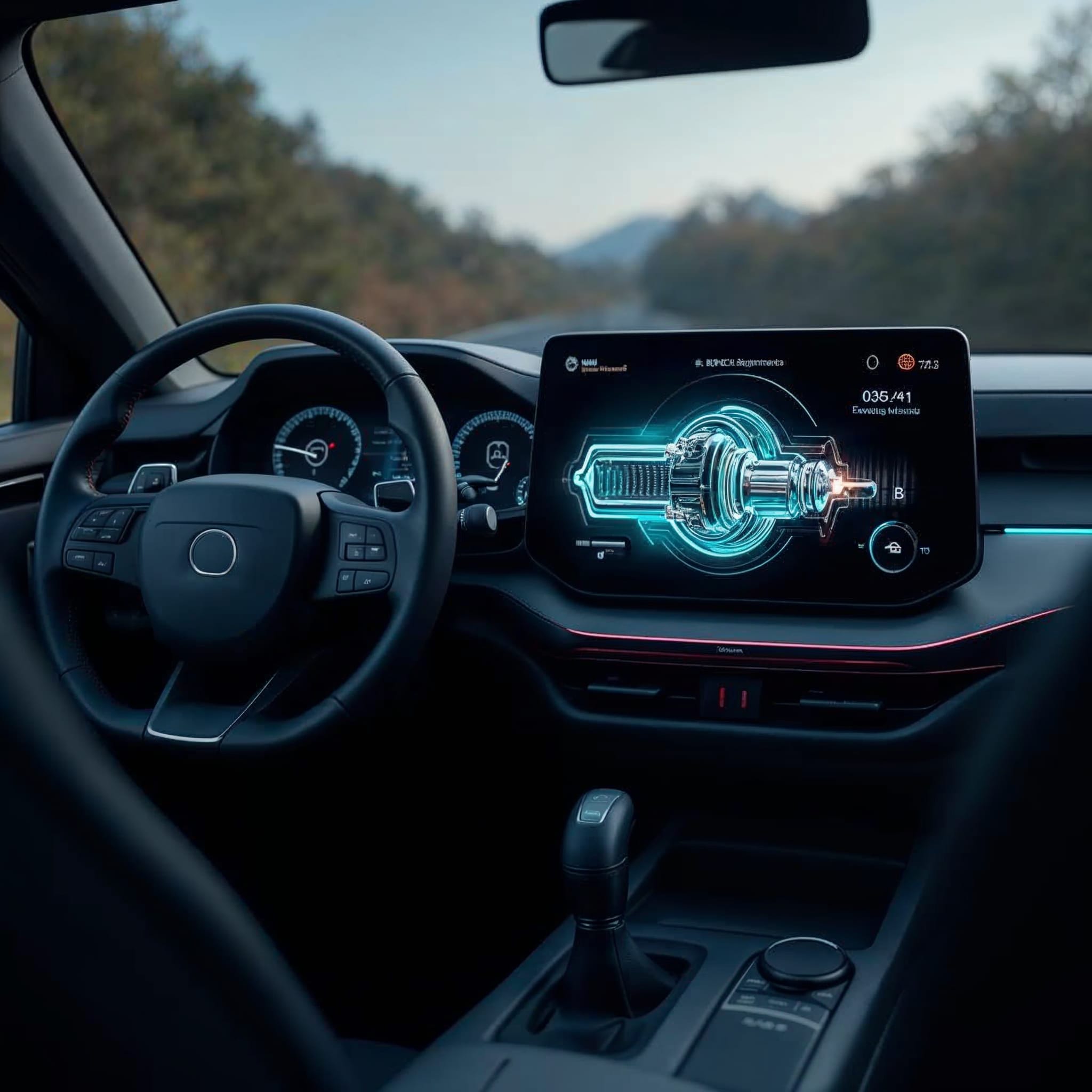
In an increasingly noisy and fast-paced world, the automobile industry has been on a relentless quest to deliver not just efficiency and performance, but also an unparalleled sense of calm and refinement. This pursuit has led to a silent revolution on our roads, spearheaded by hybrid vehicles. Gone are the days when a powerful engine necessarily meant a roaring symphony; today, the most compelling driving experiences are often defined by their quiet operation and remarkably smooth acceleration. Under the broad topic of “Quiet Operation and Smooth Acceleration: The Hybrid Driving Experience,” this post delves into the profound serenity that hybrid vehicles offer, exploring the intricate engineering and visionary design that allows them to glide through traffic and accelerate with an almost ethereal grace. We will unpack how hybrids merge the best of internal combustion engines with electric power, creating a driving sensation that is both incredibly efficient and deeply peaceful. Prepare to explore the nuances of hybrid technology, uncover the myriad benefits extending beyond just fuel savings, and understand why the silent revolution is not just about cars, but about transforming our daily journeys into moments of tranquility.
1. The Genesis of Serenity: How Hybrids Achieve Quiet Operation
The hallmark of a hybrid vehicle experience is undoubtedly its quietness. This serenity isn’t an accidental byproduct; it is a meticulously engineered outcome, a result of the seamless integration of electric motors into the powertrain. When you start a modern hybrid, especially in urban low-speed scenarios, you are often greeted by an almost imperceptible hum rather than the familiar rumble of a gasoline engine. This initial quietness sets the tone for the entire journey, transforming mundane commutes into remarkably peaceful expeditions.
The Role of Electric Motors in Silence
At the heart of a hybrid’s quiet operation is its electric motor. Unlike an internal combustion engine (ICE) which relies on thousands of controlled explosions per minute, an electric motor operates by electromagnetic forces, producing very little mechanical noise. In many driving situations, particularly during start-up, low-speed cruising, and even light acceleration, the hybrid vehicle can run solely on electric power. This “EV mode” is where the true serenity manifests. Imagine navigating a busy parking lot or creeping through a residential street; instead of the characteristic engine drone, there’s just the gentle whisper of tires on asphalt and perhaps a slight whir from the electric motor, a stark contrast to traditional gasoline cars.
Even when the gasoline engine does engage, hybrid systems are designed to manage its operation intelligently. The engine often starts and stops imperceptibly, especially in sophisticated full hybrids. This is thanks to advanced control units that predict power demands and integrate the engine’s activation into the smooth flow of electric power. The goal is to minimize disruptive noise and vibration, ensuring that the transition between power sources is as smooth and silent as possible. This smart orchestration of power sources is what truly differentiates the hybrid experience, offering a level of refinement that was once exclusive to luxury vehicles.
Intelligent Power Management and Acoustic Engineering
Beyond the inherent quietness of electric motors, hybrid vehicles benefit immensely from sophisticated power management systems. These systems continuously monitor driving conditions, battery charge, and driver input to determine the optimal power source – electric, gasoline, or a combination of both. When maximum power isn’t required, the system prioritizes electric drive, extending the periods of silent operation. For instance, when coasting or braking, regenerative braking kicks in, capturing kinetic energy and converting it back into electricity to recharge the battery. This not only improves efficiency but also avoids the engine braking noise associated with traditional cars.
Furthermore, manufacturers invest heavily in acoustic engineering to enhance the quiet cabin experience. This includes using specialized sound-damping materials throughout the vehicle’s chassis, doors, and engine bay. Aerodynamic designs also play a crucial role, minimizing wind noise at higher speeds. From double-pane windows to active noise cancellation technology (found in some premium models), every element is considered to create an isolated, serene environment for the occupants. The combination of quiet electric propulsion and superior sound insulation ensures that the “silent revolution” is felt, or rather, not felt, inside the cabin, providing a peaceful sanctuary from the outside world.
2. Beyond the Hushed Ride: The Smooth Acceleration Advantage
While the quietness of hybrid vehicles is often the first thing drivers notice and appreciate, their smooth and responsive acceleration is an equally compelling aspect of the driving experience. This isn’t just about quickness; it’s about a refined, linear delivery of power that makes driving effortless and comfortable, whether you’re navigating urban sprawl or merging onto a busy highway. The synergy between electric motors and internal combustion engines creates a driving dynamic that is uniquely fluid.
Instant Torque Delivery of Electric Motors
One of the most significant advantages of electric motors is their ability to deliver instantaneous torque from zero RPM. Unlike gasoline engines, which need to rev up to their optimal power band, an electric motor provides its full torque output the moment you press the accelerator. This characteristic is precisely what gives hybrid vehicles their remarkable smoothness and responsiveness, especially at lower speeds. When you accelerate from a standstill, the electric motor typically provides the initial thrust, launching the vehicle with an immediate and consistent surge of power, devoid of any gear shifts or engine lag. This “electric boost” is incredibly satisfying, making stop-and-go traffic far less jarring and providing a sense of effortless momentum.
Consider a scenario where you need to quickly dart into a gap in traffic or accelerate out of a slow corner. In a traditional gasoline car, there might be a brief moment of hesitation as the engine spools up or the transmission downshifts. In a hybrid, the electric motor’s immediate torque fills this gap, providing seamless and predictable acceleration. This seamless power delivery is not just about comfort; it also contributes to a safer driving experience, allowing for more precise control and quicker reactions in dynamic situations.
Seamless Transitions and Continuously Variable Transmissions (CVT)
The smoothness of acceleration in many hybrids is further amplified by their sophisticated transmissions, often Continuously Variable Transmissions (CVTs) or electronic CVTs (eCVTs). Unlike traditional automatic transmissions that have fixed gear ratios and noticeable shifts, CVTs adjust seamlessly through an infinite range of ratios, ensuring that the engine always operates at its most efficient RPM. This eliminates the jerks and pauses associated with gear changes, resulting in a buttery-smooth, uninterrupted power delivery from standstill to highway speeds.
In hybrid systems, the eCVT (often a planetary gear set) works in conjunction with both the electric motor(s) and the gasoline engine, intelligently blending their outputs. This allows for incredibly smooth transitions between purely electric, combined, and purely gasoline power modes. When the gasoline engine needs to engage, it does so almost imperceptibly, its power seamlessly integrated with the electric motor’s output. The result is an acceleration profile that feels linear and consistent, without any unexpected surges or drops in power. This engineering marvel ensures that whether you’re gently accelerating or demanding more vigorous performance, the sensation is always one of controlled, refined, and eminently smooth progress.
3. Types of Hybrid Systems: A Spectrum of Serenity
The term “hybrid” is broad, encompassing various technologies that combine a gasoline engine with an electric motor. Each type offers a different balance of electric-only capability, fuel efficiency, and overall performance. Understanding these distinctions is key to appreciating the diverse ways in which hybrids achieve their serene driving experience.
Mild Hybrids (MHEV)
Mild hybrids represent the simplest form of hybrid technology. They use a small electric motor, often integrated into the starter-generator unit, primarily to assist the gasoline engine. This electric motor cannot power the car independently for any significant distance or speed. Instead, it provides a slight power boost during acceleration, allows for smoother engine restarts in start-stop systems, and assists in regenerative braking. The main benefits of mild hybrids are improved fuel efficiency (typically 10-15% over a comparable ICE vehicle) and slightly smoother operation due to the electric assist. While they offer some of the smoothness, their contribution to electric-only quietness is limited, typically only aiding in engine off scenarios at traffic lights or during very low-speed coasting before the engine kicks back in. They act as a subtle enhancement to the traditional ICE experience.
Full Hybrids (HEV)
Full hybrids, sometimes referred to as “self-charging hybrids,” are the most common type of hybrid vehicle. They feature a more powerful electric motor and a larger battery pack compared to mild hybrids. This allows full hybrids to operate on electric power alone for short distances (typically 1-2 miles) and at low speeds (up to 25-40 mph, depending on the model and conditions). They continuously switch between electric, gasoline, or combined power, optimizing for efficiency and performance without requiring external charging. The battery is recharged through regenerative braking and by the gasoline engine. Full hybrids offer a significant leap in quiet operation, often starting and moving silently on electric power, and delivering substantial fuel economy improvements (20-40% or more over ICE). Their seamless transitions between power sources are a hallmark of their serene driving experience, making them excellent for urban and suburban commuting where electric-only driving can frequently engage.
Plug-in Hybrids (PHEV)
Plug-in hybrids take the capabilities of full hybrids a step further. They feature an even larger battery pack and often a more powerful electric motor, allowing them to travel much longer distances on pure electric power – typically 20 to 50 miles, sometimes more – at higher speeds before the gasoline engine needs to engage. As their name suggests, PHEVs require external charging, similar to a battery electric vehicle (BEV), to maximize their electric range and efficiency. Once the electric range is depleted, they function as a traditional full hybrid, seamlessly blending gasoline and electric power. PHEVs offer the ultimate in quiet operation for daily commutes, as many drivers can complete their entire daily mileage on electric power alone. This makes them incredibly versatile, providing the zero-emission, silent driving of an EV for short trips, with the range and flexibility of a gasoline vehicle for longer journeys, effectively eliminating range anxiety. Their dual nature makes them a bridge technology, offering the best of both worlds for drivers who want significant electric driving without committing to a full EV.
4. The Environmental Embrace: A Quieter, Cleaner Planet
The silent revolution of hybrid driving extends its benefits far beyond the individual driver, contributing significantly to a healthier and more sustainable environment. The quiet operation and enhanced efficiency of these vehicles play a crucial role in reducing both noise and air pollution, making our communities more livable and our planet greener. This environmental embrace is one of the most compelling arguments for the widespread adoption of hybrid technology.
Reduced Noise Pollution in Urban Environments
Noise pollution is an often-overlooked but pervasive problem in urban and suburban areas, contributing to stress, sleep disturbances, and a diminished quality of life. Traditional gasoline vehicles, with their constantly running engines and exhaust systems, are major contributors to this sonic assault. Hybrid vehicles, by contrast, spend significant amounts of time operating in pure electric mode, especially at lower speeds in congested areas. Imagine a city street where vehicles glide by silently, or a residential neighborhood where children play without the constant drone of passing cars. This reduction in traffic noise is transformative.
For city dwellers, the impact is immediate and profound. Pedestrians can converse more easily, cyclists can hear approaching traffic, and the overall ambient sound level is dramatically lowered. This creates a more pleasant and less stressful urban environment for everyone. Even when the gasoline engine does engage, it often operates at lower RPMs and is more acoustically insulated than in traditional vehicles, ensuring that its contribution to noise pollution is minimized. The cumulative effect of thousands of hybrid vehicles on our roads is a significant step towards creating quieter, more serene communities, fostering a greater sense of calm amidst the urban hustle.
Lower Emissions, Greener Commutes
Beyond noise, the environmental benefits of hybrids are most prominently seen in their reduced emissions. By leveraging electric power, hybrids consume less gasoline, which directly translates to lower tailpipe emissions of greenhouse gases like carbon dioxide (CO2), as well as harmful pollutants such as nitrogen oxides (NOx) and particulate matter. During electric-only operation, hybrids produce zero tailpipe emissions, making a tangible difference in local air quality, particularly in dense urban areas prone to smog.
Plug-in hybrids, in particular, offer the potential for exceptionally low emissions, especially if charged using renewable energy sources. Many PHEV owners can complete their daily commutes entirely on electric power, effectively driving a zero-emission vehicle for their regular routine. Even for longer trips, where the gasoline engine is utilized, the overall fuel efficiency of a hybrid means less fuel burned and fewer pollutants released compared to an equivalent conventional car. This reduction in the carbon footprint contributes directly to combating climate change and improving public health. As governments worldwide push for cleaner air and sustainable transportation, hybrids stand as a practical and accessible solution, bridging the gap between traditional gasoline vehicles and fully electric cars, and guiding us towards a greener, quieter future.
5. Technological Innovations: The Future of Silent Mobility
The silent revolution of hybrid driving is not static; it is an evolving narrative shaped by continuous technological innovation. Automotive engineers and scientists are constantly pushing the boundaries of what’s possible, refining existing systems and developing new ones to enhance the serenity, efficiency, and performance of hybrid vehicles. These advancements promise an even quieter and smoother future for mobility.
Advanced Battery Technology and Energy Density
At the core of every hybrid vehicle are its batteries, and rapid advancements in battery technology are profoundly influencing the hybrid landscape. Newer generations of lithium-ion batteries are significantly more energy-dense, meaning they can store more power in a smaller, lighter package. This allows for greater electric-only range in full hybrids and plug-in hybrids, extending the periods of silent, zero-emission driving. Improved battery chemistry also leads to faster charging times for PHEVs and greater durability, ensuring the longevity and reliability of the hybrid system. Solid-state batteries, currently in advanced research and development, promise even greater leaps in energy density, safety, and charging speed, potentially revolutionizing hybrid capabilities by offering EV-like range in a smaller footprint without the weight penalty. These innovations will further enhance the ability of hybrids to operate silently and efficiently for longer durations, making the electric motor an even more dominant force in the powertrain.
Sophisticated AI and Predictive Systems
The future of hybrid driving is also deeply intertwined with artificial intelligence (AI) and advanced predictive systems. Modern hybrids already utilize sophisticated algorithms to manage the seamless interplay between electric and gasoline power. However, upcoming systems will leverage real-time data from navigation, traffic, and even driver behavior to optimize energy usage with unprecedented precision. For example, a hybrid could use GPS data to anticipate upcoming hills, traffic jams, or urban zones, preemptively adjusting battery charge levels or switching to electric-only mode to maximize efficiency and quiet operation where it matters most. Predictive maintenance systems, powered by AI, could also monitor battery health and powertrain performance, alerting drivers to potential issues before they become problems, thereby ensuring sustained reliability and optimal performance throughout the vehicle’s lifespan. These smart systems are moving beyond simple efficiency, aiming to create an intuitively optimized and uniquely serene driving experience tailored to every journey and every driver.
Furthermore, innovations in active noise cancellation, similar to those found in high-end headphones, are being integrated into vehicle cabins. These systems use microphones to detect ambient noise and then emit opposing sound waves to neutralize it, further enhancing the quiet sanctuary within. Advanced vibration dampening materials, adaptive engine mounts, and more aerodynamically efficient designs are continuously being developed to push the envelope of serenity. The convergence of these technological innovations promises a future where hybrid vehicles are not just efficient modes of transport, but truly quiet, intelligent, and supremely comfortable cocoons, offering an unmatched level of driving peace.
6. Addressing Common Misconceptions About Hybrid Driving
Despite their growing popularity and undeniable benefits, hybrid vehicles are still subject to several common misconceptions that can deter potential buyers. Understanding and debunking these myths is crucial for appreciating the true value and advancement of hybrid technology. Let’s tackle some of the most persistent concerns.
Myth: Hybrids Are Underpowered and Lack Performance
One of the oldest and most enduring myths about hybrids is that they are inherently slow or underpowered. This perception often stems from early hybrid models that prioritized fuel economy above all else, sometimes at the expense of spirited performance. However, modern hybrids, particularly full hybrids and PHEVs, have largely debunked this notion. The inclusion of electric motors, with their instant torque delivery, often means hybrids feel surprisingly punchy off the line, especially in city driving. Many performance-oriented vehicles, including luxury and sports cars, now incorporate hybrid powertrains specifically to enhance acceleration and overall power output. The combined power of the gasoline engine and electric motor often exceeds what a similarly sized pure gasoline engine can achieve alone, providing a robust and responsive driving experience. Furthermore, modern hybrids are often designed with multiple driving modes, allowing drivers to select between economy-focused settings and more dynamic sport modes that unleash the full potential of the hybrid powertrain.
Myth: Battery Replacement is Prohibitively Expensive and Frequent
Concerns about the cost and frequency of battery replacement are frequently cited by those hesitant about hybrids. While it’s true that hybrid batteries can be expensive to replace, the reality of their lifespan and reliability is often misrepresented. Hybrid batteries are designed to last for the entire life of the vehicle, typically covered by extensive warranties (e.g., 8-10 years or 100,000-150,000 miles, with some manufacturers offering even longer coverage in certain states). Unlike consumer electronics, vehicle batteries are managed by sophisticated systems that prevent overcharging and over-discharging, significantly extending their operational life. Real-world data shows that battery failures are rare, and many hybrid vehicles accumulate hundreds of thousands of miles on their original battery packs. Even if a battery pack does eventually need replacement, technological advancements are continually driving down costs, and repair options (such as replacing individual modules rather than the entire pack) are becoming more common. Moreover, the fuel savings accumulated over years of ownership often offset any potential future battery costs.
Myth: Hybrids Are Too Complex to Maintain and Repair
Another common misconception is that the dual powertrain system of a hybrid makes it overly complex, difficult, and expensive to maintain or repair. While hybrids do incorporate advanced technology, their maintenance schedules are often quite similar to conventional gasoline vehicles, with standard oil changes, tire rotations, and brake inspections. In some cases, hybrids may even require less frequent brake replacements due to regenerative braking, which reduces wear on the friction brakes. Most major automotive service centers and dealerships are now fully equipped and trained to handle hybrid vehicles, and the availability of specialized diagnostic tools and parts is widespread. The complexity of the hybrid system is managed by sophisticated onboard computers, which simplify operation for the driver. For specialized repairs, certified technicians are readily available, ensuring that hybrid owners have access to competent service. The overall reliability of hybrid vehicles is often very high, with many models consistently ranking well in consumer satisfaction and dependability surveys, proving that their advanced nature does not translate to greater maintenance headaches.
7. The Economic Perspective: Saving More Than Just Fuel
While the serenity and environmental benefits of hybrid driving are compelling, the economic advantages are often the primary motivator for many buyers. Hybrid vehicles offer a multifaceted approach to saving money, extending beyond just impressive fuel efficiency to encompass lower maintenance costs, potential tax incentives, and strong resale values. Embracing a hybrid is not just an eco-conscious choice; it’s a smart financial decision.
Fuel Efficiency Revisited: A Significant Reduction in Running Costs
The most immediate and well-known economic benefit of hybrid vehicles is their superior fuel efficiency. By combining a gasoline engine with an electric motor and utilizing technologies like regenerative braking and electric-only driving at low speeds, hybrids significantly reduce fuel consumption compared to conventional gasoline cars of similar size and performance. For example, a compact hybrid sedan might achieve 50 MPG combined, whereas its pure gasoline counterpart might only manage 30-35 MPG. Over the lifespan of the vehicle, these savings add up substantially, especially for drivers who accumulate a lot of miles. Plug-in hybrids offer even greater potential for fuel savings, as daily commutes can often be completed entirely on cheaper electric power, effectively reducing gasoline consumption to zero for those trips. The current global fuel price volatility further underscores the value of driving a vehicle that sips, rather than gulps, gasoline. These reduced running costs translate directly into more money in your pocket, making every journey more economical.
Lower Maintenance Costs and Longevity
Contrary to the myth of high maintenance, hybrids often incur lower routine maintenance costs in several key areas. The most notable saving comes from reduced wear on brake components. Regenerative braking, where the electric motor acts as a generator to slow the vehicle and recharge the battery, significantly reduces the reliance on friction brakes. This means brake pads and rotors last considerably longer than in conventional cars, leading to less frequent replacements and associated labor costs. Additionally, because the gasoline engine in a hybrid operates more efficiently and is often shut off during idle or electric-only driving, it experiences less wear and tear compared to an engine in a traditional car that is constantly running. This can translate to longer intervals between certain engine-related services. Modern hybrid systems are built for durability, and their sophisticated power management protects components, ensuring a long and reliable operational life for both the engine and electric motor, further enhancing their economic appeal.
Resale Value and Incentives
The growing demand for fuel-efficient and environmentally friendly vehicles has translated into strong resale values for hybrids. As more consumers become aware of their long-term benefits, hybrids tend to retain their value better than many conventional cars. This higher resale value means a lower total cost of ownership over the vehicle’s life, as you recover a larger portion of your initial investment when it’s time to sell or trade in. Furthermore, many governments and local authorities offer various incentives for purchasing hybrid vehicles. These can include federal tax credits (especially for PHEVs), state or local rebates, reduced registration fees, or even preferential parking and access to HOV (High-Occupancy Vehicle) lanes. These incentives can significantly lower the effective purchase price of a hybrid, making it an even more attractive financial proposition. When you factor in the fuel savings, lower maintenance, strong resale value, and potential incentives, the economic case for hybrid driving becomes overwhelmingly strong, proving that serene, eco-conscious motoring can also be exceptionally fiscally responsible.
Comparison Tables: A Closer Look
Table 1: Hybrid Types at a Glance
| Hybrid Type | Electric-Only Range (Approx.) | Primary Charging Method | Fuel Economy vs. ICE (Approx. Improvement) | Complexity Level | Best Use Case |
|---|---|---|---|---|---|
| Mild Hybrid (MHEV) | Very Limited (e.g., engine-off coasting/idle) | Regenerative braking | 10-15% | Low | Entry-level efficiency boost, smoother start/stop |
| Full Hybrid (HEV) | 1-2 miles at low speeds | Regenerative braking, gasoline engine | 20-40%+ | Medium | Urban/suburban commuting, general efficiency |
| Plug-in Hybrid (PHEV) | 20-50+ miles | External charging, regenerative braking, gasoline engine | Significant (depends on electric usage) | High | Daily EV driving with ICE backup for long trips |
Table 2: Hybrid vs. Traditional Powertrains – Key Metrics
| Feature/Metric | Traditional Internal Combustion Engine (ICE) | Full Hybrid (HEV) | Battery Electric Vehicle (BEV) |
|---|---|---|---|
| Noise Level (Start/Low Speed) | Loud (engine rumble) | Very Quiet (electric motor) | Silent |
| Acceleration Smoothness | Good, but with gear shifts/engine lag | Excellent (instant electric torque, seamless transitions) | Exceptional (instant torque, no gears) |
| Fuel Consumption | Highest | Low (significant savings) | Zero (electricity only) |
| Emissions (Tailpipe) | Highest | Low to Moderate (zero in EV mode) | Zero |
| Range Anxiety | Minimal (easy refueling) | Minimal (easy refueling) | Present for some (charging infrastructure) |
| Maintenance (Brakes) | Regular wear | Extended life (regenerative braking) | Extended life (regenerative braking) |
| Environmental Impact | Highest carbon footprint | Moderate carbon footprint | Lowest carbon footprint (depends on electricity source) |
Practical Examples: Serenity in Everyday Life
The theoretical benefits of quiet operation and smooth acceleration come alive in real-world driving scenarios, fundamentally changing the daily experience for hybrid drivers. Let’s explore how the serenity of hybrid driving translates into tangible advantages across various contexts.
City Driving and Urban Congestion
Picture this: you’re navigating the bustling streets of a major city during rush hour. In a traditional gasoline car, the constant stop-and-go traffic would mean frequent engine revs, vibrations, and the incessant drone of idling engines. In a hybrid, this experience is transformed. As you creep forward at low speeds or wait at a traffic light, the vehicle often switches to pure electric mode. The engine shuts off, replaced by an almost eerie silence. You can easily hold conversations with passengers, listen to your music without engine interference, or simply enjoy the peace. When the light turns green, the electric motor provides an instant, smooth surge of power, effortlessly moving the car forward without any jerking or engine lag. Parking garages become less of a noisy echo chamber, and residential streets feel calmer as you glide through them. The serenity of hybrid driving in the city is not just a comfort; it’s a genuine relief, reducing stress and improving the overall quality of urban commutes.
Suburban Commuting and School Zones
For suburban commuters, hybrids offer a perfect blend of efficiency and tranquility. Imagine dropping off children at school in the morning. Instead of the loud rumble of an engine disturbing the quiet school zone, your hybrid quietly rolls up to the curb on electric power. This reduced noise is not just pleasant; it’s safer, allowing children and pedestrians to hear each other and approaching vehicles more clearly. When accelerating onto a main road, the smooth, combined power of the electric motor and gasoline engine ensures a confident merge, without the sudden bursts of noise or feeling of strain. During grocery runs or trips to local parks, the hybrid’s ability to switch to EV mode for short distances means less fuel burned and a quieter presence in community spaces. The peaceful nature of hybrid driving perfectly complements the often-quieter pace of suburban life, enhancing community well-being and reducing localized pollution.
Long-Distance Journeys and Highway Cruising
While hybrids truly shine in city driving, their benefits extend to longer journeys as well. On the open highway, the goal shifts from maximizing electric-only time to maintaining optimal efficiency and passenger comfort. Modern hybrids are incredibly adept at this. The gasoline engine, when engaged for highway speeds, typically operates at its most efficient RPM, often supported by the electric motor for extra power when overtaking. This intelligent management ensures a quiet and stable ride. Inside the cabin, the excellent sound insulation, coupled with the smooth power delivery, creates a relaxed atmosphere, reducing driver fatigue. The absence of noticeable gear shifts, thanks to eCVT systems, means the acceleration remains fluid even when you need to speed up for a pass. For families on road trips, the quieter cabin makes conversations easier, allows passengers to rest more comfortably, and generally elevates the entire travel experience, turning long stretches of road into enjoyable, serene passages rather than noisy, tiring endeavors.
Frequently Asked Questions About Hybrid Driving
Q: How do hybrid cars achieve their quiet operation?
A: Hybrid cars achieve their quiet operation primarily through the integration of an electric motor. At low speeds, during startup, or while idling, many hybrids can run solely on electric power, which is inherently much quieter than a traditional gasoline engine. The electric motor operates without combustion, producing minimal mechanical noise. Even when the gasoline engine engages, sophisticated power management systems ensure seamless and often imperceptible transitions, minimizing noise and vibration. Furthermore, hybrid manufacturers often incorporate advanced acoustic engineering, such as sound-damping materials, aerodynamic designs, and sometimes active noise cancellation, to create a serene cabin environment for occupants, further enhancing the quiet experience.
Q: Is smooth acceleration a universal feature across all hybrid types?
A: While most hybrids offer a smoother acceleration profile than comparable conventional cars, the degree of smoothness can vary across different hybrid types. Full hybrids (HEVs) and Plug-in Hybrids (PHEVs) excel in this regard due to their more powerful electric motors and sophisticated eCVT (electronic Continuously Variable Transmission) systems, which allow for instant torque delivery and seamless blending of electric and gasoline power without traditional gear shifts. Mild hybrids (MHEVs) also offer some smoothness through electric assist during acceleration and seamless engine restarts, but their electric motor isn’t powerful enough for purely electric propulsion, so the primary contribution to acceleration still comes from the gasoline engine. Generally, the more prominent the electric component, the smoother the acceleration will feel.
Q: Are hybrid vehicles more expensive to buy than traditional gasoline cars?
A: Historically, hybrids often carried a price premium over their traditional gasoline counterparts, mainly due to the added battery and electric motor technology. However, this price gap has been narrowing significantly in recent years as hybrid technology becomes more mainstream and manufacturing costs decrease. When considering the total cost of ownership, the initial higher price of a hybrid can often be offset by substantial fuel savings over the vehicle’s lifespan, lower maintenance costs (especially for brakes), and potential government incentives like tax credits or rebates. For plug-in hybrids, there might still be a noticeable price difference, but this is often compensated by their ability to run purely on electricity for significant distances, further reducing fuel expenses.
Q: How long do hybrid car batteries typically last?
A: Hybrid car batteries are designed for longevity and are often warranted for 8 to 10 years or 100,000 to 150,000 miles, with some manufacturers offering even longer coverage in specific regions. Real-world data suggests that many hybrid batteries surpass these warranty periods, often lasting for the entire practical life of the vehicle. This extended lifespan is due to sophisticated battery management systems that prevent overcharging and over-discharging, maintaining the battery within optimal operating parameters. While individual battery cells or modules can fail, full battery pack replacement is relatively uncommon, and costs are continually decreasing. Many hybrids have demonstrated excellent long-term reliability for their battery packs.
Q: Do hybrids require special maintenance or have higher repair costs?
A: No, hybrid vehicles generally do not require significantly special maintenance or higher overall repair costs compared to traditional cars. Routine maintenance, such as oil changes, tire rotations, and fluid checks, is largely the same. In fact, hybrids can sometimes have lower maintenance costs for certain components. For instance, regenerative braking reduces wear on conventional brake pads and rotors, extending their lifespan. The gasoline engine might also experience less wear due to frequent electric-only operation. While repairs to the hybrid system (electric motor, battery, inverter) require specialized knowledge, certified technicians are widely available, and system reliability is typically very high. Any potential higher cost for specific hybrid component repairs is often balanced by overall lower running and maintenance costs over the vehicle’s lifetime.
Q: Can hybrids run solely on electric power, and if so, for how long?
A: The ability to run solely on electric power (EV mode) varies significantly by hybrid type. Mild hybrids (MHEVs) cannot run on electric power alone for propulsion; their electric motor only assists the gasoline engine. Full hybrids (HEVs) can operate on pure electric power for short distances, typically 1-2 miles, and at low speeds (up to around 25-40 mph), depending on the battery charge and driving conditions. Plug-in hybrids (PHEVs) offer the most extensive electric-only range, usually between 20 to 50 miles, and can sustain higher speeds on electric power, making them suitable for many daily commutes without using any gasoline. Once the electric range of a PHEV is depleted, it functions like a full hybrid.
Q: How does regenerative braking work in a hybrid?
A: Regenerative braking is a key technology in hybrids that enhances efficiency and reduces wear. When the driver lifts off the accelerator or applies the brakes, the electric motor reverses its function, acting as a generator. Instead of simply dissipating energy as heat through friction brakes, the kinetic energy of the moving vehicle is converted into electricity and stored back in the hybrid battery pack. This process simultaneously slows the vehicle down and recharges the battery, making the braking process much more energy-efficient. It’s why hybrid drivers often notice that their conventional brakes last much longer, as they are used less frequently and less aggressively than in traditional cars.
Q: Are hybrids truly better for the environment than traditional cars?
A: Yes, generally, hybrids are significantly better for the environment than traditional gasoline-powered cars. They achieve this by consuming less fuel, which directly translates to lower tailpipe emissions of greenhouse gases (like CO2) and harmful pollutants (like NOx and particulate matter). During electric-only operation, hybrids produce zero tailpipe emissions, improving local air quality. While they still have a gasoline engine, their overall reduced reliance on fossil fuels contributes to a smaller carbon footprint. Plug-in hybrids, when charged from renewable energy sources, can have an even lower environmental impact, effectively acting as zero-emission vehicles for many daily driving needs. They serve as an important bridge technology towards a fully electric transportation future.
Q: What is the main difference between a full hybrid and a plug-in hybrid?
A: The main differences between a full hybrid (HEV) and a plug-in hybrid (PHEV) lie in their battery size, electric-only range, and charging method. A full hybrid has a smaller battery that recharges solely through regenerative braking and the gasoline engine; it can drive short distances (1-2 miles) on electric power. A plug-in hybrid has a much larger battery that can be externally charged by plugging into an electrical outlet (like an EV). This larger battery gives PHEVs a significantly longer electric-only range (20-50+ miles) and allows them to sustain higher speeds on electricity. Essentially, a PHEV offers much more pure electric driving capability, resembling an EV for daily use, while an HEV is more focused on optimizing fuel efficiency without needing external charging.
Q: Do hybrid vehicles perform well in cold weather?
A: Hybrid vehicles generally perform well in cold weather, but some aspects of their operation may be affected. Like any vehicle, battery performance can slightly decrease in extreme cold, potentially reducing the electric-only range and the efficiency of regenerative braking. The gasoline engine might run more frequently in cold temperatures to help warm up the cabin and maintain optimal operating temperatures for the hybrid system and battery. However, hybrid systems are designed with thermal management to cope with varying climates. Most modern hybrids come equipped with features like battery heaters to ensure efficient operation even in colder conditions, ensuring reliability and performance are maintained, albeit with a slight potential decrease in peak efficiency or EV range compared to warmer climates.
Key Takeaways: Embracing the Hybrid Advantage
- Unparalleled Serenity: Hybrid vehicles offer a uniquely quiet driving experience, especially at low speeds, thanks to their electric motors and sophisticated power management.
- Effortless Smoothness: Instant electric torque and seamless transitions between power sources provide an exceptionally smooth and refined acceleration, enhancing driver comfort and control.
- Diverse Hybrid Options: From mild hybrids for efficiency boosts to plug-in hybrids for extensive electric range, there’s a hybrid type to suit various driving needs and preferences.
- Significant Environmental Benefits: Hybrids reduce both noise pollution in urban areas and tailpipe emissions, contributing to cleaner air and quieter communities.
- Continuous Innovation: Advancements in battery technology, AI, and acoustic engineering are consistently pushing the boundaries, promising an even more serene and intelligent hybrid future.
- Debunking Myths: Modern hybrids offer competitive performance, reliable battery life, and manageable maintenance, dispelling common misconceptions.
- Compelling Economic Case: Beyond fuel savings, hybrids offer lower maintenance costs, strong resale values, and potential incentives, making them a fiscally responsible choice.
- Real-World Impact: The benefits of hybrid serenity translate directly into more pleasant city driving, calmer suburban commutes, and more relaxing long-distance journeys.
Conclusion: The Path to a Peaceful and Efficient Journey
The silent revolution of hybrid driving is more than just a technological advancement; it’s a profound shift in how we experience our daily commutes and long-distance travels. By masterfully blending the efficiency of electric power with the reliability of internal combustion, hybrids have ushered in an era where quiet operation and smooth acceleration are not luxuries, but fundamental characteristics of a superior driving experience. We’ve explored how instant electric torque banishes the jarring pauses of traditional powertrains, how intelligent energy management transforms bustling urban environments into havens of quietude, and how continuous innovation promises an even more refined and sustainable future.
Beyond the immediate sensations of peace and effortless motion, hybrid vehicles offer a tangible commitment to a healthier planet and a smarter financial future. They represent a pragmatic and accessible step towards sustainable mobility, providing a powerful answer to the challenges of urban noise, air pollution, and rising fuel costs. As we continue to navigate an increasingly complex world, the serenity offered by hybrid driving stands as a testament to human ingenuity – a reminder that sometimes, the greatest advancements are the ones that bring a little more calm, a little more efficiency, and a lot more enjoyment to our everyday lives. Choosing a hybrid isn’t just about selecting a vehicle; it’s about embracing a more peaceful, responsible, and ultimately more enjoyable journey into the future of transportation.