
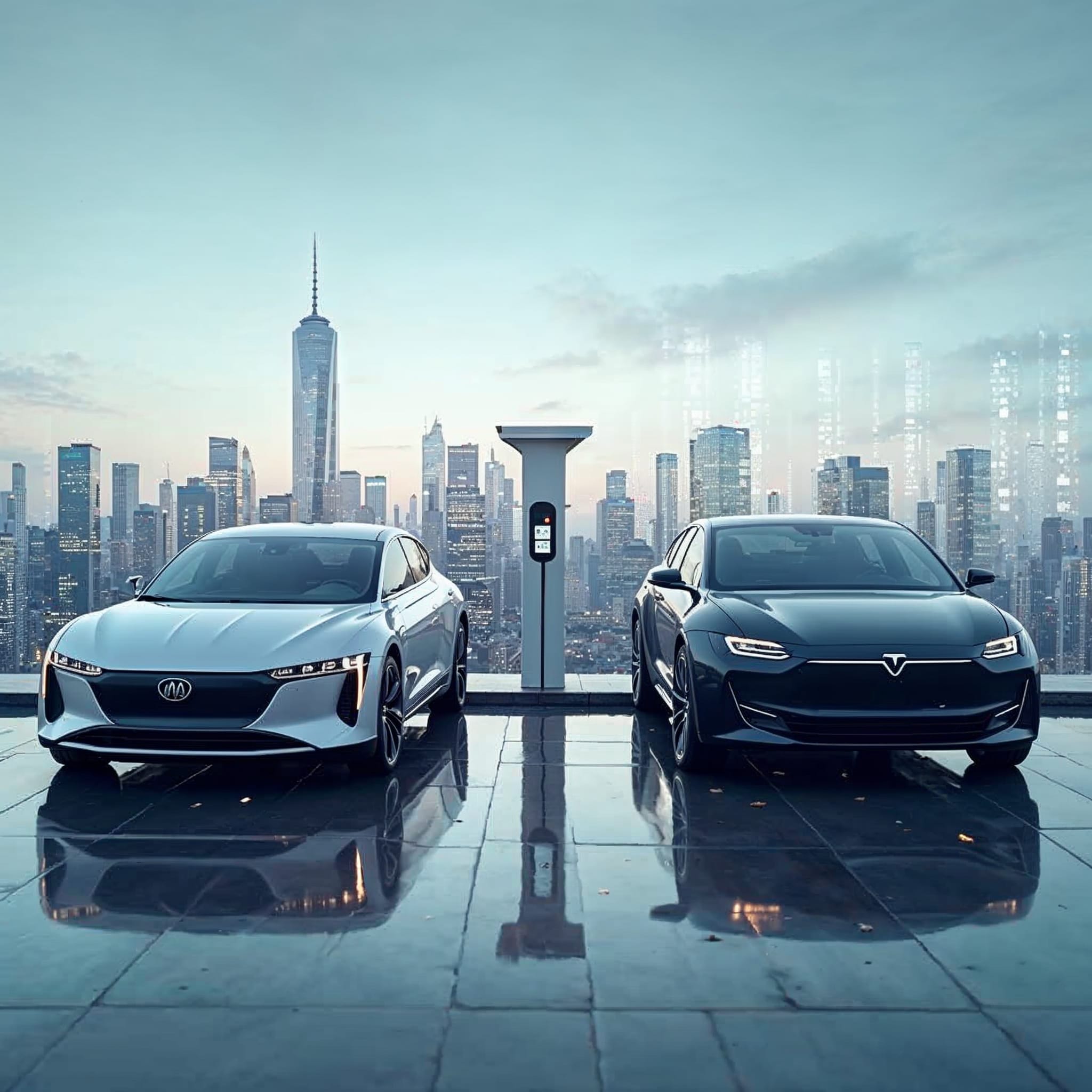
In an era increasingly defined by environmental consciousness and the relentless pursuit of efficiency, the automotive landscape is undergoing a monumental transformation. Traditional gasoline-powered vehicles are slowly but surely being supplanted by a new breed of automobiles designed to be cleaner, quieter, and often more economical to run. At the forefront of this revolution are two dominant contenders: Hybrid Electric Vehicles (HEVs) and Pure Electric Vehicles (EVs). For the modern commuter, choosing between these two innovative technologies can be a complex decision, fraught with considerations ranging from upfront cost and long-term savings to environmental impact and practical daily usage.
This comprehensive guide aims to dissect the core differences between HEVs and Pure EVs, offering a deep dive into their performance characteristics, operational nuances, and suitability for the rigors of daily commuting. We will explore everything from acceleration and range to charging infrastructure and total cost of ownership, providing you with the invaluable insights needed to make an informed choice. Whether you are an urban dweller navigating stop-and-go traffic or a suburbanite with a longer daily drive, understanding the strengths and weaknesses of each option is paramount. Prepare to embark on an enlightening journey into the heart of sustainable transportation, as we pit hybrid power against pure electric might in the ultimate commuter showdown.
Understanding Hybrid Electric Vehicles (HEVs)
Hybrid Electric Vehicles represent a fascinating bridge technology, combining the familiar internal combustion engine (ICE) with an electric motor and a small battery pack. This ingenious fusion allows HEVs to leverage the strengths of both systems, offering improved fuel efficiency and reduced emissions compared to conventional gasoline cars, without the need for external charging infrastructure in most cases. The fundamental principle behind a hybrid is to optimize energy usage by using the electric motor for low-speed driving and regenerative braking, while the gasoline engine handles higher speeds and provides range extension. The synergy between these components is what gives hybrids their unique character.
How HEVs Work: The Power of Synergy
The operational magic of an HEV lies in its sophisticated powertrain management system. This system constantly monitors driving conditions and seamlessly switches between, or combines, the gasoline engine and electric motor. During acceleration from a standstill or at low speeds, the electric motor often takes the lead, providing immediate torque and silent propulsion. As speed increases or more power is required, the gasoline engine kicks in to provide additional thrust. Crucially, when the vehicle decelerates or brakes, the electric motor acts as a generator, converting kinetic energy that would otherwise be lost as heat into electricity, which is then stored in the battery – a process known as regenerative braking. This recaptured energy is later reused, dramatically improving efficiency, particularly in stop-and-go urban traffic.
Types of Hybrid Systems: A Spectrum of Efficiency
While the core concept remains consistent, HEVs come in several configurations, each offering a slightly different balance of performance and efficiency:
- Parallel Hybrids: In this common setup, both the electric motor and the gasoline engine can directly power the wheels, either independently or together. They are connected in a way that allows them to “parallel” each other’s efforts. Many popular hybrids, such as the Toyota Prius, utilize a variant of this system. They excel at seamlessly blending power sources for optimal efficiency across various driving conditions.
- Series Hybrids: Here, the gasoline engine’s primary role is to generate electricity, which then powers the electric motor that drives the wheels. The engine does not directly power the wheels. This setup is simpler but less common for mainstream passenger vehicles, though it can be found in some range-extended EVs where the engine acts purely as a generator.
- Series-Parallel (or Power-Split) Hybrids: This sophisticated system, often associated with Toyota’s Hybrid Synergy Drive, combines elements of both parallel and series hybrids. It uses a planetary gear set to allow the engine and motor to power the wheels simultaneously, independently, or for the engine to generate electricity for the motor. This offers the greatest flexibility and efficiency, constantly optimizing power flow.
- Mild Hybrids (MHEVs): These are less complex and more affordable than full hybrids. They use a smaller electric motor, often integrated with the alternator, that cannot power the vehicle solely on electricity. Instead, it provides a boost during acceleration, assists with engine restart during stop-start systems, and enables more aggressive regenerative braking. While they offer modest fuel economy improvements, they are not designed for significant electric-only driving.
Advantages of HEVs for Commuters
For many commuters, HEVs offer a compelling package of benefits:
- Extended Range: With a gasoline tank and a small battery, HEVs boast ranges comparable to traditional gasoline cars, often exceeding 500-600 miles on a single tank and charge. This eliminates range anxiety for most drivers.
- Fuel Efficiency: Especially in city driving, HEVs significantly reduce fuel consumption by utilizing electric power at low speeds and regenerative braking.
- No Charging Dependency: Most HEVs are self-charging; the battery is recharged by the engine and regenerative braking. This means no need to plug in, making them ideal for those without easy access to charging points.
- Lower Upfront Cost: Generally, HEVs are more affordable than comparable Pure EVs, making them a more accessible entry point into electrified driving.
- Familiarity: The driving experience is largely similar to a conventional gasoline car, with the added benefit of electric silent running at times, easing the transition for many drivers.
Disadvantages of HEVs for Commuters
However, HEVs also come with certain trade-offs:
- Still Use Gasoline: While more efficient, they still rely on fossil fuels and produce tailpipe emissions, albeit less than conventional cars.
- Less Efficient at High Speeds: The benefits of electric assistance diminish at highway speeds where the gasoline engine does most of the work.
- Maintenance Complexity: They have two power systems (gasoline engine and electric motor), potentially leading to more complex maintenance requirements in the long run, though modern hybrids are highly reliable.
- Limited Electric-Only Driving: The electric range is typically very short, usually only a few miles at low speeds, meaning they are not truly zero-emission for significant portions of a commute.
Delving into Pure Electric Vehicles (EVs)
Pure Electric Vehicles, often simply referred to as EVs, represent the pinnacle of electrified transportation. These vehicles are powered exclusively by one or more electric motors, drawing energy from a large battery pack. With no internal combustion engine, no tailpipe, and no reliance on fossil fuels for propulsion, EVs offer a fundamentally different driving and ownership experience. They are the frontline of the zero-emission future, embodying a commitment to environmental sustainability and technological innovation.
How EVs Work: The Simplicity of Electric Drive
The operational principle of an EV is elegantly simple. A large battery pack, typically located in the vehicle’s floor for optimal weight distribution and safety, stores electrical energy. This energy is fed to an electric motor (or multiple motors) which, through a power inverter, converts direct current (DC) from the battery into alternating current (AC) to power the motor. When the driver presses the accelerator, the motor instantly delivers torque to the wheels, resulting in smooth, silent, and often surprisingly rapid acceleration. Just like hybrids, EVs also utilize regenerative braking to recapture energy when decelerating, sending it back to the battery to extend range. The absence of a complex transmission, spark plugs, oil changes, and exhaust systems greatly simplifies the powertrain compared to gasoline vehicles.
Components of an EV Powertrain
Key components that define an EV’s performance and functionality include:
- Battery Pack: The most significant component, storing the energy. Modern EVs use lithium-ion batteries, similar to those in your phone but much larger and more powerful. Battery capacity (measured in kWh) directly correlates to range.
- Electric Motor(s): Converts electrical energy into mechanical energy to drive the wheels. EVs can have one motor for front-wheel drive, rear-wheel drive, or multiple motors for all-wheel drive, offering immense power and precise control.
- Power Inverter: Manages the flow of power between the battery and the motor, converting DC to AC for the motor and AC to DC for charging the battery.
- On-board Charger: Converts AC electricity from a charging station or wall outlet into DC electricity that the battery can store.
- Charging Port: The physical interface for plugging the car into an external power source.
Advantages of EVs for Commuters
EVs present a host of benefits that are particularly appealing to daily commuters:
- Zero Tailpipe Emissions: This is arguably the biggest advantage, contributing to cleaner air in urban environments and a reduced carbon footprint, especially when charged with renewable energy.
- Lower Running Costs: Electricity is generally cheaper per mile than gasoline, and many utilities offer off-peak charging rates. Less moving parts also mean significantly reduced maintenance costs (no oil changes, spark plugs, exhaust systems).
- Instant Torque and Smooth Performance: Electric motors deliver maximum torque from 0 RPM, resulting in incredibly quick and responsive acceleration, making merging onto highways or navigating city traffic effortless and enjoyable.
- Quiet and Refined Ride: The absence of an engine means a serene cabin experience, reducing driver fatigue and enhancing comfort.
- Potential for HOV Lane Access: In many regions, EVs qualify for special perks like access to High-Occupancy Vehicle (HOV) lanes, even with a single occupant, saving valuable commute time.
- Home Charging Convenience: The ability to “fuel up” overnight at home, waking up to a full “tank” every day, is a significant convenience for many.
Disadvantages of EVs for Commuters
Despite their advantages, EVs also come with their own set of challenges:
- Higher Upfront Cost: EVs typically have a higher purchase price than comparable gasoline or hybrid vehicles, although government incentives can help offset this.
- Range Anxiety: While ranges are improving, the fear of running out of charge before reaching a charging station remains a concern for some, especially on longer trips or in areas with sparse charging infrastructure.
- Charging Time: Recharging an EV takes considerably longer than refueling a gasoline car. While fast chargers exist, they are not as ubiquitous as gas stations.
- Charging Infrastructure Dependence: Access to reliable home or public charging is essential. Those living in apartments or without dedicated parking may face challenges.
- Battery Degradation: Over time, EV batteries can experience some degradation in capacity, similar to smartphone batteries, which can reduce range. However, modern EV batteries are designed for longevity and come with long warranties.
- Weight: Large battery packs make EVs heavier than comparable ICE vehicles, which can slightly impact handling dynamics and tire wear.
Performance Metrics for Commuters: A Head-to-Head
When evaluating a vehicle for daily commuting, several performance metrics come into play. It’s not just about speed; it’s about efficiency, practicality, and the overall driving experience. Here’s how HEVs and Pure EVs stack up against each other across critical areas:
Acceleration and Responsiveness
Pure EVs: Without a doubt, EVs typically offer superior acceleration, especially from a standstill. Electric motors deliver instant torque, meaning there’s no lag or waiting for gears to shift. This translates into brisk, smooth, and often exhilarating acceleration, which can be highly beneficial for merging onto highways, navigating busy intersections, or making quick maneuvers in city traffic. Even entry-level EVs often feel more responsive than many gasoline or hybrid counterparts.
HEVs: Hybrids, while more responsive than conventional gasoline cars due to electric motor assistance, generally cannot match the immediate punch of a pure EV. The transition between electric and gasoline power, though largely seamless in modern hybrids, still introduces a slight delay compared to a purely electric drivetrain. However, for everyday commuting, HEV acceleration is perfectly adequate and often feels more robust than a non-hybrid equivalent.
Fuel Efficiency and Energy Consumption
Pure EVs: EVs measure efficiency in miles per kilowatt-hour (MPGe – Miles Per Gallon equivalent) or simply kWh per 100 miles. They are incredibly efficient at converting electrical energy into motion, especially in urban environments where regenerative braking maximizes energy recovery. Commuters will find their “fuel” costs dramatically reduced, particularly when charging at home during off-peak hours.
HEVs: Hybrids shine in fuel efficiency compared to conventional gasoline cars, particularly in stop-and-go city driving. Their ability to run on electric power at low speeds and utilize regenerative braking makes them significantly more economical than their non-hybrid counterparts. However, on long highway stretches where the gasoline engine is predominantly active, their efficiency advantage over a pure gasoline car can diminish, and they will always consume more energy (in terms of gasoline + electricity equivalent) than a pure EV over the same distance.
Range and Range Anxiety
Pure EVs: Modern EVs offer ranges well suited for most daily commutes, with many models exceeding 200-300 miles on a full charge. For the average American driver who covers about 40 miles daily, this means charging only a few times a week, or daily at home. However, for longer trips or in areas with limited charging infrastructure, range anxiety can still be a psychological barrier, though it’s becoming less of a practical issue with increasing range and charging availability.
HEVs: Range anxiety is practically non-existent with HEVs. Their combination of a gasoline tank and a battery means they offer a total driving range comparable to, or even exceeding, traditional gasoline vehicles. When the battery depletes its small electric charge, the gasoline engine seamlessly takes over, and refueling is as quick and easy as with any conventional car. This makes them an excellent choice for those who frequently undertake long journeys without reliable access to charging points.
Braking and Handling
Pure EVs: EVs often benefit from a lower center of gravity due to the heavy battery pack being mounted low in the chassis, contributing to stable handling. Regenerative braking is a key feature, slowing the vehicle down while recapturing energy. This often allows for “one-pedal driving” in many EVs, where lifting off the accelerator provides sufficient deceleration for most driving situations, reducing reliance on the friction brakes. This can be a very smooth and intuitive driving experience once accustomed to it.
HEVs: Hybrids also feature regenerative braking, which contributes to their efficiency. However, the blending of regenerative braking with traditional friction braking can sometimes lead to a slightly less linear or less predictable pedal feel compared to conventional cars or dedicated EV systems. Handling characteristics are generally similar to their gasoline counterparts, though the added weight of hybrid components can sometimes be noticeable.
Charging Infrastructure and Range Anxiety
The practicalities of “fueling” your vehicle are a significant differentiator between HEVs and Pure EVs, directly impacting daily commute convenience and long-distance travel feasibility. This is where range anxiety, a term once synonymous with electric vehicles, comes into sharp focus.
Charging an EV: Options and Considerations
For Pure EVs, the concept of “refueling” is entirely redefined:
- Level 1 Charging (120V AC): This uses a standard household outlet. It’s the slowest option, typically adding 2-5 miles of range per hour. It’s best for overnight charging for low-mileage commuters or as an emergency backup. While slow, it means you can literally plug in your car almost anywhere there’s a wall socket.
- Level 2 Charging (240V AC): This is the most common home charging solution and widely available at public charging stations. It requires a dedicated 240V circuit (similar to a clothes dryer outlet) and adds 20-30 miles of range per hour. Most EV owners install a Level 2 charger at home, allowing for a full charge overnight. Many workplaces and public destinations also offer Level 2 charging.
- DC Fast Charging (DCFC or Level 3): These are high-power chargers found primarily along major highways and in urban centers, designed for rapid charging during travel. DCFC can add 80% of an EV’s range in 20-60 minutes, depending on the charger’s power output (e.g., 50kW, 150kW, 350kW) and the vehicle’s acceptance rate. This technology is rapidly evolving, with faster chargers becoming more common.
While public charging networks are expanding rapidly (e.g., Electrify America, EVgo, ChargePoint, Tesla Superchargers), their availability can still vary significantly by region. Planning for longer trips and understanding charging etiquette are part of EV ownership.
“Fueling” an HEV: Business as Usual
Most HEVs (non-plug-in hybrids) operate exactly like conventional gasoline cars when it comes to “fueling.” They have a gasoline tank and are refueled at traditional gas stations. The electric battery is automatically recharged by the gasoline engine and through regenerative braking. There is absolutely no need for external charging for these types of hybrids. This offers a significant psychological advantage for many drivers, as the infrastructure is already fully mature and universally accessible.
It is important to distinguish this from Plug-in Hybrid Electric Vehicles (PHEVs), which are hybrids that *can* be plugged in to achieve a larger electric-only range (typically 20-50 miles) before the gasoline engine takes over. PHEVs offer the best of both worlds for some, allowing electric-only commuting for short distances while retaining the gasoline engine for long trips without charging concerns.
Addressing Range Anxiety
Range anxiety, the fear of running out of charge before reaching a destination or charger, is a psychological hurdle more than a practical one for many EV owners. For daily commutes, most modern EVs offer more than enough range. The key is developing new habits:
- Home Charging: The vast majority of EV charging happens at home overnight. Waking up to a full “tank” eliminates daily range worries.
- Workplace Charging: Many employers now offer charging facilities, further extending convenient charging options.
- Public Charging: For errands or longer trips, public Level 2 and DC Fast Chargers are becoming increasingly common. Navigation systems in EVs are also highly integrated with charging networks, making it easy to find available stations.
With increasing battery capacities and a rapidly expanding charging network, range anxiety for EVs is becoming less of an issue, especially for drivers who primarily stick to well-traversed routes or have reliable home charging. For HEVs, range anxiety is essentially a non-factor due to their gasoline engine.
Environmental Impact and Sustainability
The shift towards electric and hybrid vehicles is largely driven by a global imperative to reduce carbon emissions and combat climate change. Both HEVs and Pure EVs offer significant environmental benefits compared to conventional gasoline cars, but their impact differs in nature and scale.
Pure EVs: The Zero-Emission Promise
The most compelling environmental advantage of Pure EVs is their complete absence of tailpipe emissions. When driving an EV, zero greenhouse gases or local air pollutants (like NOx, PM2.5, carbon monoxide) are released directly into the atmosphere. This has immediate and profound benefits for urban air quality, reducing smog and respiratory illnesses in densely populated areas.
However, the full “well-to-wheel” environmental impact of an EV depends on the source of electricity used to charge it. If an EV is charged using electricity generated from renewable sources (solar, wind, hydroelectric), its lifetime carbon footprint is dramatically lower, often approaching near-zero. If the electricity comes primarily from fossil fuels (e.g., coal-fired power plants), the emissions are effectively shifted from the tailpipe to the power plant. Nevertheless, even when charged from a grid heavily reliant on fossil fuels, EVs are typically more efficient than gasoline vehicles at converting energy into motion, resulting in lower overall emissions on average. As grids worldwide transition to cleaner energy, the environmental benefits of EVs will only continue to grow.
Another consideration is the environmental impact of battery production, particularly the mining of raw materials like lithium, cobalt, and nickel. Manufacturers are investing heavily in sustainable mining practices, ethical sourcing, and, crucially, battery recycling technologies. As these processes mature, the lifecycle impact of EV batteries will further improve. The long lifespan of EV batteries (often 8-10 years or 100,000-150,000 miles with substantial warranties) and their potential for “second-life” applications (e.g., stationary energy storage) before full recycling also contribute to their sustainability profile.
HEVs: Bridging the Gap
Hybrid Electric Vehicles offer a tangible reduction in emissions compared to conventional gasoline cars. By using electric power at low speeds and during idling, and through the efficiency gains of regenerative braking, HEVs consume less gasoline and consequently produce fewer tailpipe emissions. This is particularly true in city driving where the electric motor is frequently engaged.
While HEVs do not achieve zero tailpipe emissions like Pure EVs, they serve as an important transitional technology. They help familiarize consumers with electric propulsion and regenerative braking, while still relying on the established gasoline infrastructure. Their lower environmental footprint compared to traditional ICE vehicles contributes to overall reductions in air pollution and greenhouse gas emissions. However, they still contribute to the demand for fossil fuels and have more complex manufacturing due to the presence of both an internal combustion engine and an electric powertrain.
Comparing Sustainability: A Holistic View
Ultimately, Pure EVs offer the greater long-term sustainability potential, especially as global electricity grids decarbonize. Their zero tailpipe emissions directly address local air quality concerns, and their simpler powertrains (fewer moving parts) can lead to less manufacturing waste over time once battery production and recycling are fully optimized. HEVs, while not as clean as EVs, offer a substantial improvement over gasoline cars and remain a viable, lower-emission option for drivers who are not yet ready or able to transition to a pure EV.
The environmental choice for a commuter often comes down to their driving patterns, access to charging, and the carbon intensity of their local electricity grid. For those with access to renewable energy or a clean grid, an EV offers the cleanest possible commute. For others, particularly those with long commutes or limited charging options, an HEV provides a significant step towards greener transportation without compromising convenience.
Total Cost of Ownership (TCO)
Beyond the sticker price, the total cost of ownership (TCO) is a critical factor for any commuter. TCO encompasses everything from initial purchase and financing to fuel, maintenance, insurance, and depreciation. While EVs often have a higher upfront cost, their operational savings can significantly offset this over time. HEVs typically sit between conventional gasoline cars and EVs in terms of TCO.
Upfront Purchase Price
Pure EVs: Generally, EVs have a higher manufacturer’s suggested retail price (MSRP) than comparable HEVs or gasoline cars. This is primarily due to the cost of the large battery pack, which remains the most expensive component of an EV. However, government incentives (federal tax credits, state rebates, local incentives) can substantially reduce the effective purchase price, sometimes making EVs competitive with or even cheaper than their internal combustion engine counterparts.
HEVs: HEVs typically carry a modest premium over their conventional gasoline versions, but they are generally less expensive than Pure EVs. This makes them a more accessible option for buyers looking to save on fuel without a significant initial investment. They usually do not qualify for the same level of tax credits as pure EVs, though some Plug-in Hybrids (PHEVs) do.
Fuel/Energy Costs
Pure EVs: This is where EVs truly shine. Electricity is significantly cheaper per mile than gasoline in most regions. The average cost of electricity per kWh is generally lower than the equivalent energy cost of gasoline. Furthermore, many EV owners charge at home during off-peak hours when electricity rates are lowest. This can lead to substantial savings, often reducing monthly “fuel” bills by 50-70% compared to gasoline cars.
HEVs: HEVs offer excellent fuel economy, especially in city driving, translating to lower gasoline expenses compared to conventional cars. While not as cheap to “fuel” as a pure EV, the savings over a traditional gasoline vehicle are considerable, making them attractive for commuters looking to cut down on gas station visits.
Maintenance and Repairs
Pure EVs: EVs have fewer moving parts than gasoline or hybrid vehicles. There’s no engine oil to change, no spark plugs to replace, no timing belt, no exhaust system, and significantly less wear on brake pads due to regenerative braking. This translates to considerably lower routine maintenance costs. Over the lifespan of the vehicle, EV owners can expect to save thousands in maintenance compared to gasoline cars.
HEVs: Hybrids have both a gasoline engine and an electric motor, along with complex systems to manage the interplay between them. While generally reliable, they do have more components that could potentially require service compared to a pure EV. Routine maintenance will involve oil changes, filter replacements, and other services typical of a gasoline car, in addition to checks on the hybrid system components. However, regenerative braking also reduces wear on friction brakes compared to conventional cars.
Insurance Costs
Insurance premiums can vary widely based on vehicle type, driver profile, and location. Both EVs and HEVs can sometimes have slightly higher insurance costs than comparable gasoline vehicles due to their advanced technology and potentially higher repair costs for specialized components (like battery packs). However, as these technologies become more mainstream and repair networks expand, insurance costs are becoming more competitive.
Resale Value and Depreciation
Historically, the resale value of EVs was a concern due to rapidly evolving battery technology and range improvements. However, recent trends show strong demand for used EVs, leading to more stable depreciation rates. The long warranties on EV batteries also bolster buyer confidence. HEVs have consistently demonstrated strong resale values, often holding their value better than conventional gasoline cars due to their enduring fuel efficiency appeal.
In summary, while EVs often demand a higher initial investment, their lower running and maintenance costs contribute to a more favorable TCO over time. HEVs provide a balanced approach, offering immediate fuel savings without the same level of upfront cost, making them a strong contender for those prioritizing a lower entry price with respectable long-term savings.
Driving Experience and Practicality
Beyond the technical specifications and cost analyses, the day-to-day driving experience and practical considerations are paramount for commuters. How a vehicle feels on the road, its ease of use, and how it integrates into one’s lifestyle often tip the scales in the decision-making process.
The Driving Dynamics: Quiet, Smooth, and Responsive
Pure EVs: The driving experience of a Pure EV is distinct and often transformative. The immediate, silent surge of torque from the electric motor provides effortless acceleration, making traffic maneuvers a breeze. The absence of engine noise and vibrations creates a remarkably quiet and serene cabin environment, reducing driver fatigue, especially during long commutes. The low center of gravity, thanks to the floor-mounted battery pack, often translates to stable and confident handling, making EVs feel planted on the road. Many EVs also offer adjustable regenerative braking, allowing for a unique “one-pedal driving” experience where lifting off the accelerator slows the car sufficiently for most situations, requiring less use of the brake pedal.
HEVs: HEVs offer a more familiar driving experience, blending the feel of a conventional car with periods of electric-only quietness. At low speeds or during gentle acceleration, the electric motor can provide silent propulsion. As more power is needed, the gasoline engine seamlessly engages, often with a subtle hum. While modern hybrids excel at smoothing these transitions, the presence of the gasoline engine means they will never be as quiet or as instantly responsive as a pure EV. The overall ride quality is typically comfortable and predictable, akin to their gasoline counterparts, with the added benefit of improved low-end torque from the electric motor.
Convenience and Lifestyle Integration
Pure EVs: The biggest shift in practicality for EV owners is the fueling routine. Instead of visiting a gas station, charging primarily occurs at home overnight, transforming the concept of “fueling.” Waking up to a “full tank” every morning is a significant convenience. However, longer trips require planning for charging stops, which can take 20 minutes to an hour at DC fast chargers. Public charging infrastructure is rapidly expanding, but accessibility varies. For commuters with a garage or dedicated parking space and ability to install a Level 2 charger, an EV integrates seamlessly into daily life. For those in apartments or without home charging, public charging reliance can be a hurdle.
HEVs: For commuters, HEVs offer unparalleled convenience in terms of fueling. They operate exactly like gasoline cars, with the added benefit of extended range and fewer stops at the pump due to better fuel economy. There’s no need to adapt to new charging habits or worry about charging infrastructure. This makes HEVs a very practical choice for those who value absolute flexibility and minimal disruption to their established routines. The blend of gasoline and electric power means you get the best of both worlds without the full commitment to electric-only infrastructure.
Space and Cargo Capacity
Both HEVs and EVs generally manage to integrate their battery packs and powertrains without significantly compromising passenger or cargo space. Most modern designs place batteries under the floor or seats, preserving cabin and trunk volume. However, in some older hybrid designs, the battery pack might intrude slightly into trunk space. EVs often benefit from not having an engine compartment as large as an ICE, sometimes offering a “frunk” (front trunk) for additional storage, a practical bonus for commuters.
Safety Features and Technology
Both types of vehicles are at the forefront of automotive safety and technology. They typically come equipped with advanced driver-assistance systems (ADAS) like adaptive cruise control, lane-keeping assist, automatic emergency braking, and sophisticated infotainment systems. EVs often feature over-the-air (OTA) updates for their software, allowing for continuous improvement and new features. The structural integrity of EVs is often enhanced by the robust battery enclosure, contributing to excellent crash safety ratings.
Ultimately, the choice between an HEV and an EV for the daily commute boils down to personal priorities. If a silent, ultra-responsive drive, minimal running costs, and a commitment to zero emissions are paramount, and home charging is feasible, an EV is a compelling choice. If convenience, long range without charging stops, a lower upfront cost, and a bridge to future technology are more important, an HEV offers a practical and efficient solution.
Future Trends and Technological Advancements
The automotive industry is in a state of perpetual innovation, and the trajectory for both HEVs and Pure EVs is one of continuous advancement. Understanding these evolving trends can provide valuable foresight for commuters considering their next vehicle purchase.
Battery Technology: The Heart of the EV Revolution
The biggest driver of EV progress is battery technology. We are witnessing rapid improvements in:
- Energy Density: Batteries are becoming smaller, lighter, and capable of storing more energy, leading to longer ranges and lighter vehicles.
- Charging Speeds: The power capacity of DC fast chargers is increasing, with vehicles now capable of adding hundreds of miles of range in just 15-20 minutes. Upcoming solid-state battery technology promises even faster charging and greater energy density.
- Cost Reduction: The cost of battery packs has fallen dramatically over the last decade and is projected to continue decreasing. This is a critical factor in bringing down the upfront price of EVs to parity with gasoline vehicles.
- Longevity and Recycling: Research into extended battery lifespans and more efficient recycling processes for battery components is accelerating, addressing long-term sustainability concerns.
These advancements mean that future EVs will offer even greater ranges, faster charging, and more affordable price points, making them increasingly practical for all types of drivers.
Charging Infrastructure Expansion
Governments and private companies worldwide are heavily investing in expanding public charging infrastructure. This includes:
- More Public Stations: An exponential increase in Level 2 and DC fast charging stations in urban centers, along highways, and at popular destinations.
- Improved Reliability: Focus on ensuring charging stations are operational, well-maintained, and easy to use.
- Smart Charging: Integration with smart grids allows for dynamic pricing and optimization of charging times to reduce strain on the electrical grid and take advantage of renewable energy sources.
- Plug and Charge: Simplified payment and authentication processes, where simply plugging in the vehicle initiates charging and billing automatically.
A robust and reliable charging network will effectively eliminate range anxiety and unlock the full potential of EV ownership for commuters and travelers alike.
Hybrid Evolution: Beyond Traditional HEVs
While Pure EVs capture much of the headlines, HEV technology is also evolving. We’re seeing:
- More Sophisticated Powertrains: Increasingly efficient gasoline engines designed specifically for hybrid applications, and more powerful electric motors.
- Advanced Plug-in Hybrids (PHEVs): PHEVs are gaining larger battery packs, offering longer electric-only ranges (e.g., 50-70 miles), making them even more viable for daily electric commuting with the gasoline backup for longer trips. This makes them a strong contender for those who can charge at home but also need extended range flexibility without public charging dependency.
- Performance Hybrids: Some manufacturers are using hybrid technology not just for efficiency but for performance enhancement, demonstrating the versatility of the hybrid powertrain.
Hybrids will continue to play a crucial role as a bridge technology, offering significant emissions reductions and fuel savings to a broad segment of the market not yet ready for a full EV.
Autonomous Driving and Connectivity
Both HEVs and EVs are at the forefront of integrating autonomous driving features and enhanced connectivity. Over-the-air (OTA) software updates, advanced driver-assistance systems (ADAS), and seamless integration with smartphone apps are becoming standard. This will lead to safer, more convenient, and more enjoyable commutes, regardless of the powertrain type.
In essence, the future promises an automotive landscape where both HEVs and EVs are more capable, more affordable, and more seamlessly integrated into our lives. For commuters, this means an expanding array of excellent choices that cater to diverse needs and preferences, all while contributing to a cleaner, more sustainable future.
Comparison Tables
Table 1: Key Performance and Practicality Comparison for Commuters
| Feature/Metric | Hybrid Electric Vehicle (HEV) | Pure Electric Vehicle (EV) |
|---|---|---|
| Upfront Cost (Avg.) | Moderate (Slightly higher than gasoline, lower than EV) | High (Can be offset by incentives) |
| Running Cost (Fuel/Energy) | Moderate (Significantly lower than gasoline, higher than EV) | Very Low (Electricity generally cheaper than gas) |
| Maintenance Cost | Moderate (Similar to gasoline, but less brake wear) | Very Low (Fewer moving parts, no oil changes) |
| Driving Range | High (500+ miles, similar to gasoline cars) | High (200-300+ miles, adequate for most commutes) |
| “Refueling” Time | 5-10 minutes (at gas station) | 20-60 minutes (DC Fast Charge), overnight (home Level 2) |
| Range Anxiety | Virtually none | Diminishing, but still a consideration for long trips without planning |
| Tailpipe Emissions | Reduced (compared to gasoline car) | Zero |
| Acceleration/Responsiveness | Good (Better than gasoline, with electric assist) | Excellent (Instant torque, often very quick) |
| Noise Level | Quiet at low speeds, engine noise at higher speeds | Virtually silent |
| Charging Infrastructure Needed | None (self-charging, gas stations) | Essential (Home charger, public Level 2 & DC Fast Chargers) |
| Best for Commuters Who… | Want fuel savings without charging, occasional long trips, lower upfront cost. | Have home charging, prioritize zero emissions, enjoy quiet/responsive drive, willing to adapt to charging habits. |
Table 2: Environmental and Economic Impact Comparison
| Aspect | Hybrid Electric Vehicle (HEV) | Pure Electric Vehicle (EV) |
|---|---|---|
| Carbon Footprint (Well-to-Wheel) | Reduced significantly compared to conventional ICE, but still has emissions. | Very low to near-zero (depending on electricity source). Lowest overall. |
| Local Air Pollution | Reduced tailpipe emissions (CO, NOx, PM) compared to ICE. | Zero tailpipe emissions, significant benefit for urban air quality. |
| Reliance on Fossil Fuels | Partial reliance on gasoline. | No direct reliance on fossil fuels for propulsion. Electricity generation may use fossil fuels. |
| Battery Size & Impact | Smaller battery pack, less raw material extraction. | Larger battery pack, more raw material extraction, but increasing recycling efforts. |
| Government Incentives | Limited, primarily for PHEVs. | Significant federal, state, and local incentives often available. |
| Long-term Economic Savings | Good savings on fuel, moderate on maintenance. | Excellent savings on fuel/energy and maintenance. |
| Grid Impact | Minimal direct impact on electrical grid. | Increasing load on electrical grid, but manageable with smart charging and renewable integration. |
| Recyclability Focus | Primarily vehicle recycling for metal components. | Intense focus on battery recycling and second-life applications. |
Practical Examples: Real-World Use Cases and Scenarios
To truly understand which vehicle type suits a commuter best, let’s look at a few real-world scenarios:
Scenario 1: The Urban Explorer
Commuter Profile: Lives in a city apartment with street parking, commutes 15 miles each way through congested traffic, and occasionally takes weekend trips up to 100 miles. Doesn’t have easy access to home charging, but has public Level 2 chargers near work or frequent destinations.
- HEV Recommendation: A standard HEV like a Toyota Corolla Hybrid or Honda Insight would be an excellent fit. The constant stop-and-go traffic would maximize the hybrid’s electric assistance and regenerative braking, leading to stellar city fuel economy. The lack of home charging isn’t an issue, as the HEV self-charges and refuels quickly at any gas station. The occasional 100-mile trip is easily handled.
- Pure EV Consideration: A Pure EV could work, but would require careful management of public charging. Relying solely on public Level 2 chargers (charging while at work or grocery shopping) might be feasible if consistently available. A more robust public DC Fast Charging network would be necessary for weekend trips. The upfront cost might be higher without federal tax credit benefits if leasing.
Verdict: For the Urban Explorer without home charging, a Hybrid Electric Vehicle offers the most practical and stress-free solution, maximizing efficiency where it matters most while retaining conventional fueling convenience.
Scenario 2: The Suburban Commuter with a Garage
Commuter Profile: Lives in a suburban house with a garage, commutes 40 miles each way primarily on highways, and takes longer 200-300 mile trips a few times a year. Wants to minimize environmental impact and running costs.
- Pure EV Recommendation: An EV like a Tesla Model 3 Long Range, Hyundai Ioniq 5, or Ford Mustang Mach-E would be ideal. With a Level 2 charger installed in their garage, they could plug in every night and wake up to a full charge. The 80-mile round trip commute would be well within the EV’s range, even in adverse weather. The longer 200-300 mile trips would require one or two DC fast-charging stops, which are becoming increasingly common along major routes. The substantial fuel savings and minimal maintenance costs would quickly offset the higher upfront price.
- HEV Consideration: A HEV would still offer good fuel economy, particularly in the city portions of the commute, but the highway driving would rely more heavily on the gasoline engine, reducing the electric advantage. While convenient for long trips, the ongoing fuel costs would be higher than an EV.
Verdict: For the Suburban Commuter with home charging and a desire for minimal running costs and environmental impact, a Pure Electric Vehicle is the clear winner, offering convenience and significant long-term savings.
Scenario 3: The Long-Distance Traveler with a Conscience
Commuter Profile: Drives 70 miles each way daily, mostly highway, but frequently takes spontaneous 400+ mile road trips across regions where public charging infrastructure might be sparse or unreliable. Wants to reduce environmental footprint but cannot compromise on travel flexibility.
- Plug-in Hybrid Electric Vehicle (PHEV) Recommendation: A PHEV like the Toyota RAV4 Prime or Hyundai Santa Fe PHEV could be the perfect compromise. For the 70-mile daily commute, they could potentially complete a significant portion, or even the entire commute, on electric power (if the PHEV has a 50+ mile EV range) by charging at home overnight. This covers the “commuter” aspect with zero emissions. For the long 400+ mile road trips, the gasoline engine provides the traditional range and fast refueling at gas stations, completely eliminating range anxiety in remote areas.
- Pure EV Consideration: While longer-range EVs (300+ miles) exist, a 400+ mile spontaneous trip into areas with unreliable charging would still be a source of stress and require careful planning.
Verdict: For the Long-Distance Traveler who prioritizes flexibility and range over absolute zero emissions, a Plug-in Hybrid Electric Vehicle (PHEV) offers the best of both worlds, bridging the gap effectively.
These examples illustrate that there isn’t a single “best” option. The ideal choice hinges on individual driving patterns, access to charging, budget, and priorities concerning environmental impact and convenience. Both HEVs and EVs are excellent steps towards a more sustainable automotive future.
Frequently Asked Questions
Q: What is the main difference between a Hybrid Electric Vehicle (HEV) and a Pure Electric Vehicle (EV)?
A: The main difference lies in their powertrain. An HEV combines a gasoline engine with an electric motor and a small battery. It uses both power sources to improve fuel efficiency and reduce emissions, but primarily relies on gasoline and self-charges its battery. A Pure EV, on the other hand, is powered solely by one or more electric motors and a large battery pack, with no gasoline engine. EVs produce zero tailpipe emissions and must be plugged in to recharge their batteries.
Q: Do HEVs need to be plugged in to charge?
A: Most standard Hybrid Electric Vehicles (HEVs) do not need to be plugged in. Their battery is recharged automatically through the gasoline engine and a process called regenerative braking, which captures energy normally lost during deceleration and braking. However, a specific type of hybrid called a Plug-in Hybrid Electric Vehicle (PHEV) *does* need to be plugged in to fully utilize its larger battery and extended electric-only range.
Q: How long does it take to charge a Pure EV?
A: The charging time for a Pure EV varies significantly based on the charging method and the vehicle’s battery size.
- Level 1 (standard wall outlet, 120V): Very slow, adding 2-5 miles of range per hour, best for overnight trickle charging.
- Level 2 (home/public charger, 240V): Adds 20-30 miles of range per hour. A full charge for a typical EV can take 6-12 hours, perfect for overnight at home.
- DC Fast Charging (public rapid chargers): The fastest option, capable of adding 80% of an EV’s range in 20-60 minutes, depending on the charger’s power (e.g., 50 kW, 150 kW, 350 kW) and the car’s acceptance rate.
The vast majority of EV charging happens at home overnight.
Q: Are EVs more expensive to maintain than HEVs?
A: Generally, Pure EVs are less expensive to maintain than HEVs over their lifespan. EVs have significantly fewer moving parts, no oil changes, no spark plug replacements, no exhaust systems, and their regenerative braking greatly reduces wear on conventional brake pads. HEVs, while reliable, still have a gasoline engine requiring traditional maintenance in addition to the hybrid system components. While the upfront cost of an EV might be higher, the long-term maintenance savings are substantial.
Q: What is “range anxiety” and is it still a major concern for EVs?
A: Range anxiety is the fear of an EV running out of power before reaching a charging station or destination. While it was a significant concern in the early days of EVs, it is becoming less of an issue for most drivers. Modern EVs offer ranges of 200-300+ miles, which is more than enough for daily commutes. The rapidly expanding charging infrastructure, especially DC fast chargers along major routes, and the convenience of home charging, mean that range anxiety is largely a psychological hurdle that diminishes as drivers adapt to EV ownership habits.
Q: Which is better for the environment: an HEV or a Pure EV?
A: A Pure EV generally has a lower overall environmental impact, particularly in terms of tailpipe emissions, which are zero. The full “well-to-wheel” emissions depend on the source of electricity; if charged with renewable energy, an EV’s carbon footprint can be near-zero. HEVs offer a significant reduction in emissions compared to conventional gasoline cars due to improved fuel efficiency and electric assistance, but they still produce tailpipe emissions and rely on fossil fuels. EVs represent the cleaner long-term solution as electricity grids transition to renewables.
Q: Can HEVs or EVs get access to HOV lanes?
A: In many regions, Pure Electric Vehicles (EVs) qualify for special incentives, including access to High-Occupancy Vehicle (HOV) or carpool lanes even with a single occupant. This is a significant perk for commuters. Some Plug-in Hybrid Electric Vehicles (PHEVs) may also qualify, especially if they meet certain all-electric range requirements. Standard HEVs (non-plug-in) typically do not qualify for these single-occupant HOV lane benefits, as they still rely heavily on gasoline.
Q: How do the driving experiences compare between HEVs and EVs?
A: The driving experiences are notably different. EVs offer instant torque, leading to brisk and silent acceleration from a standstill, and an exceptionally quiet ride with minimal vibration. Many also feature “one-pedal driving” due to strong regenerative braking. HEVs provide a smoother and quieter experience than conventional gasoline cars, with the electric motor assisting at low speeds. However, the gasoline engine will still engage, introducing some noise and a less immediate response compared to a pure EV. HEVs offer a more familiar transition from gasoline cars, while EVs provide a truly unique and often more refined driving sensation.
Q: What about battery life and replacement costs for EVs and HEVs?
A: Both EV and HEV batteries are designed for longevity, typically lasting 8-10 years or 100,000-150,000 miles, and are often covered by lengthy manufacturer warranties (e.g., 8 years/100,000 miles federally mandated for EVs). While battery degradation occurs over time (a gradual reduction in capacity), it’s usually slow and minor. Replacement costs for a full EV battery pack can be substantial, but significant failures outside warranty are rare, and prices are decreasing. HEV batteries are smaller and generally less expensive to replace, but also have similar durability. Many older hybrid batteries are now being refurbished rather than fully replaced, offering a more cost-effective solution.
Q: Are there any tax incentives or rebates for buying HEVs or EVs?
A: Yes, government incentives vary by region and type of vehicle. Pure Electric Vehicles (EVs) and Plug-in Hybrid Electric Vehicles (PHEVs) often qualify for substantial federal tax credits in the United States (up to $7,500), depending on the vehicle’s manufacturing location, battery components, and buyer’s income. Many states and even local municipalities offer additional rebates, tax exemptions, or other perks (like reduced registration fees or free parking). Standard HEVs typically do not qualify for the same level of incentives as PHEVs or EVs, although some state or local programs might offer minor benefits. It’s crucial to check current regulations and available incentives in your specific area before purchasing.
Key Takeaways
Navigating the choice between a Hybrid Electric Vehicle and a Pure Electric Vehicle for your daily commute involves weighing multiple factors. Here are the key takeaways:
- HEVs are a Great Bridge: They offer significant fuel savings and reduced emissions compared to gasoline cars, without requiring any changes to fueling habits or reliance on external charging infrastructure. Ideal for those seeking efficiency without lifestyle adjustments.
- EVs are the Future: Pure EVs deliver zero tailpipe emissions, incredibly low running costs, instant torque for a dynamic driving experience, and the convenience of home charging. They represent the most sustainable option in the long run.
- Commute Distance Matters: For short to medium daily commutes (under 150-200 miles) with reliable home charging, an EV is highly practical. For longer daily distances or frequent long-haul trips without guaranteed charging access, an HEV or PHEV provides greater peace of mind.
- Charging Access is Crucial: EV ownership is most convenient with consistent access to home (Level 2) charging. Reliance on public charging can be manageable but requires planning, especially in areas with limited infrastructure. HEVs are unconcerned with charging access.
- Total Cost of Ownership Favors EVs Long-Term: While EVs often have a higher upfront price, their significantly lower fuel/energy costs and reduced maintenance expenses often lead to a more favorable total cost of ownership over the vehicle’s lifespan, especially when factoring in available incentives.
- Environmental Impact: EVs offer the highest potential for environmental benefit, achieving zero tailpipe emissions. HEVs provide a substantial improvement over conventional gasoline vehicles, serving as an important step towards a cleaner fleet.
- Driving Experience: EVs offer a uniquely smooth, silent, and responsive driving experience. HEVs provide a familiar feel with quiet electric bursts.
- PHEVs Offer a Middle Ground: Plug-in Hybrid Electric Vehicles provide the best of both worlds for many commuters: a significant electric-only range for daily drives with the gasoline engine backup for longer journeys, minimizing range anxiety while maximizing efficiency.
Conclusion
The commuter showdown between Hybrid Electric Vehicles and Pure Electric Vehicles is not a simple case of one being inherently superior to the other. Instead, it’s a nuanced evaluation where the “winner” is ultimately determined by an individual’s unique driving habits, financial considerations, access to infrastructure, and personal commitment to environmental goals. Both technologies represent a significant leap forward from conventional gasoline-powered cars, offering compelling benefits for the modern driver.
Pure EVs stand at the vanguard of sustainable transportation, offering a truly zero-emission commute, unparalleled quietness, and dramatically lower running costs. They demand a shift in mindset regarding “refueling” and often a higher initial investment, but reward owners with a refined driving experience and a clear conscience about their environmental footprint. For those with home charging and a regular commute well within an EV’s range, the decision can be straightforward: embrace the electric revolution.
Hybrid Electric Vehicles, on the other hand, continue to serve as an indispensable bridge technology. They provide a seamless transition for drivers who desire improved fuel economy and reduced emissions without the need for charging infrastructure or concerns about range on long journeys. Their lower upfront cost and familiar operation make them an excellent choice for a wide spectrum of commuters, offering a practical and immediate step towards greener driving.
As battery technology continues to advance, charging networks expand, and public awareness grows, the distinctions between these two types of electrified vehicles may blur further, and new innovations like increasingly capable PHEVs will fill specific niches. For now, the ultimate commuter showdown concludes not with a single victor, but with a celebration of choice. Whether you opt for the proven efficiency of a hybrid or the groundbreaking sustainability of a pure EV, you are actively participating in a cleaner, more efficient, and ultimately brighter future for transportation. The best vehicle for you is the one that aligns most closely with your lifestyle, your budget, and your vision for a smarter commute.