
Samsung Galaxy Z TriFold hands-on, Galaxy Z Fold 7 vs TriFold comparison, Samsung trifold foldable differences, Z Fold 7 thinner design, and Galaxy Z TriFold productivity features are topping tech searches as the innovative TriFold launches in select markets, challenging the refined Z Fold 7 for foldable supremacy.
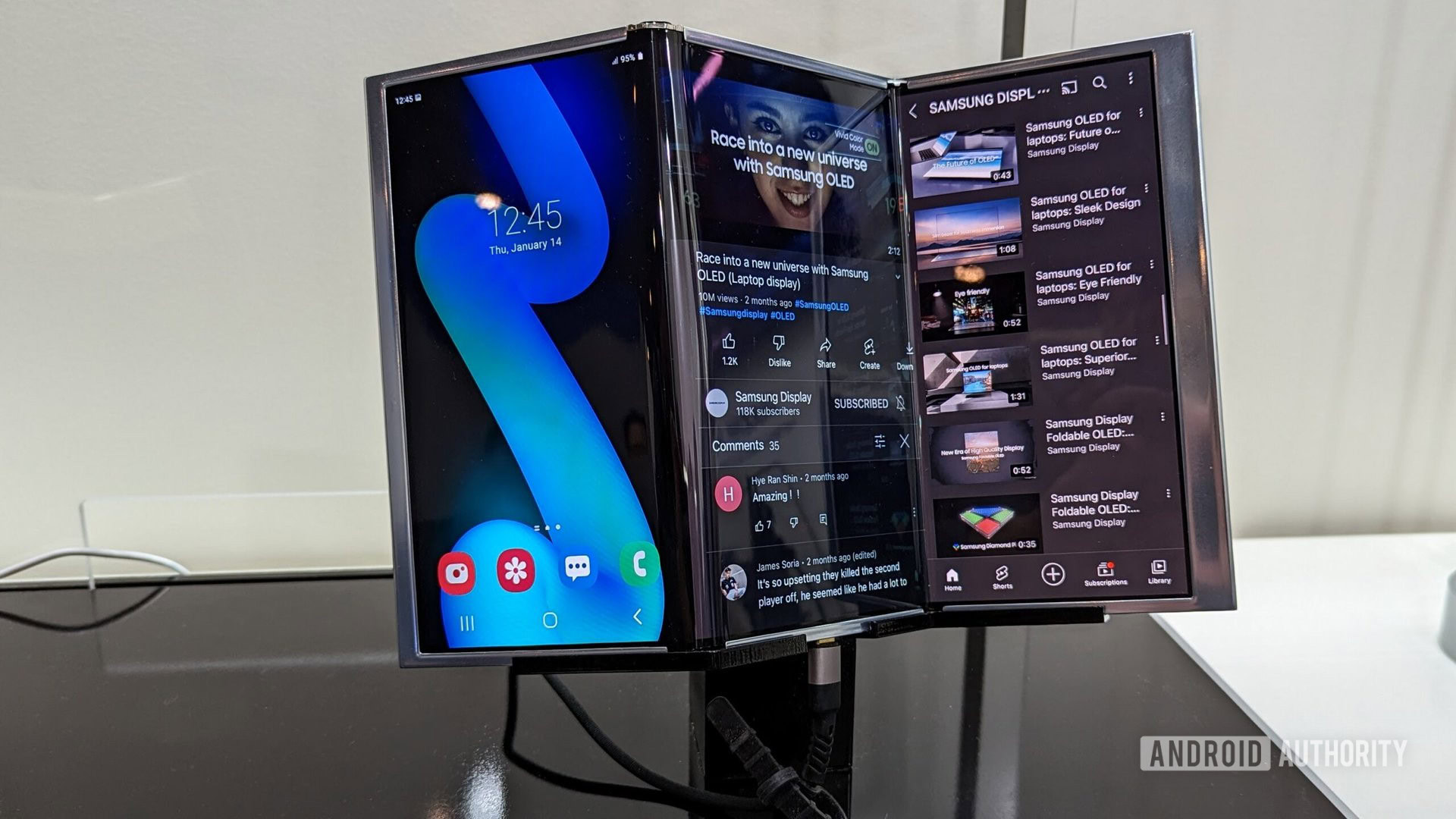
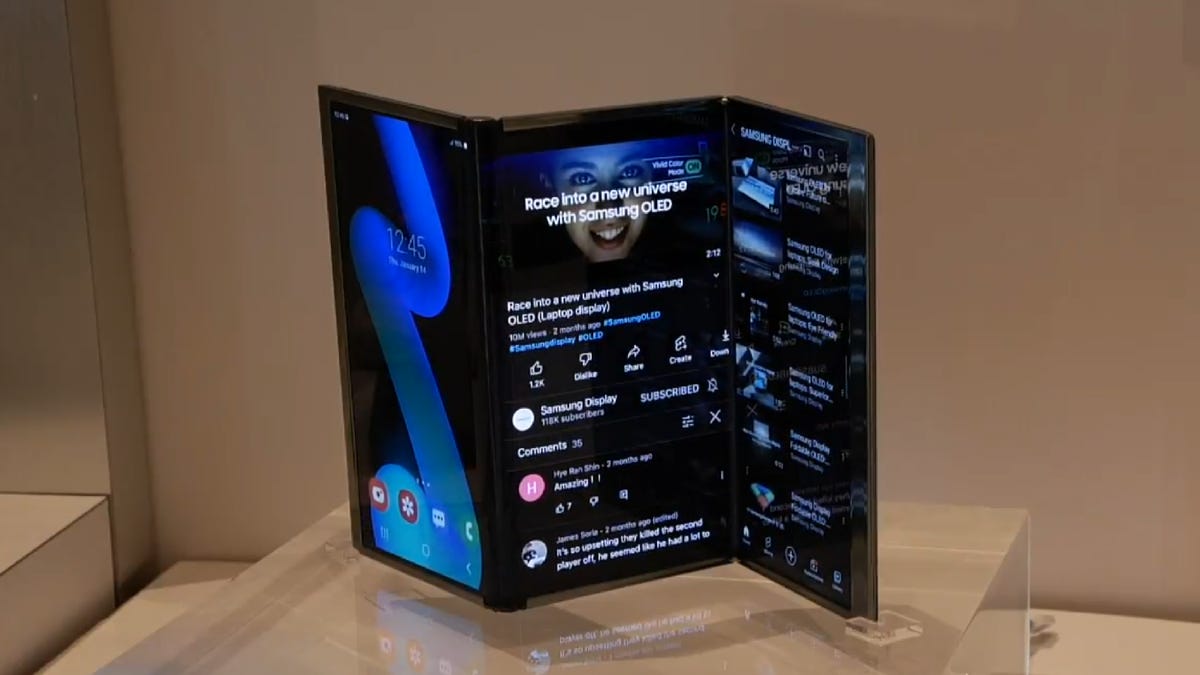
Samsung is pushing foldable boundaries harder than ever in 2025. The Galaxy Z Fold 7, released in July, perfected the book-style design, while the newer Galaxy Z TriFold—launched December 2 and rolling out globally—introduces a groundbreaking triple-fold mechanism for a massive tablet-like screen. I got hands-on time with both, and the differences are stark: one prioritizes portability and refinement, the other raw productivity power.
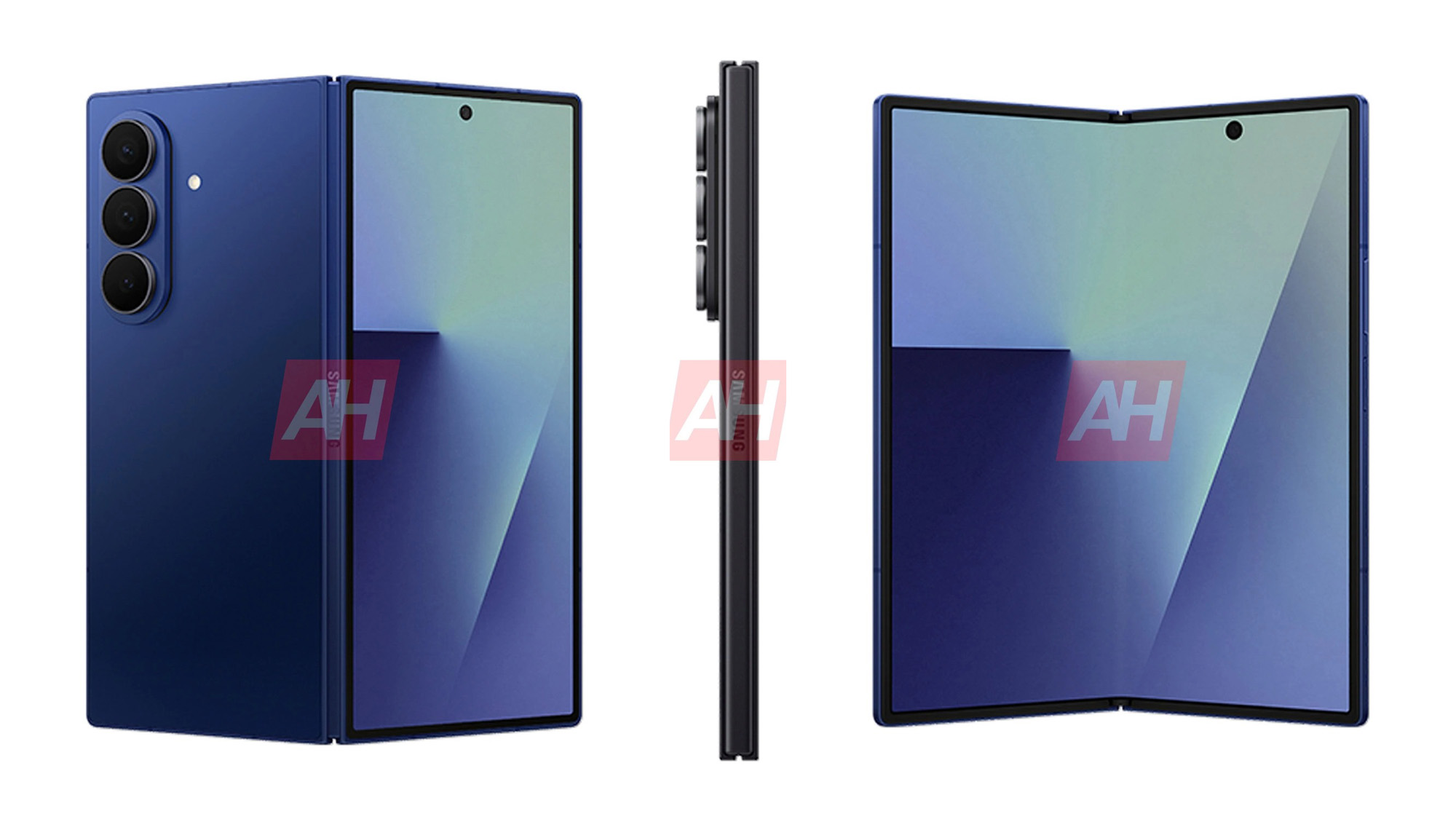
The Z Fold 7 feels like the mature evolution—thinner (4.2mm unfolded, 8.9mm folded), lighter (215g), and more pocketable than ever. Its 8.0-inch inner Dynamic AMOLED screen hits peak brightness of 2,600 nits, making it stunning outdoors, with a minimized crease and Flex Mode for hands-free propping. The cover screen is a practical 6.5-inch with a wider aspect ratio for easier one-handed use.
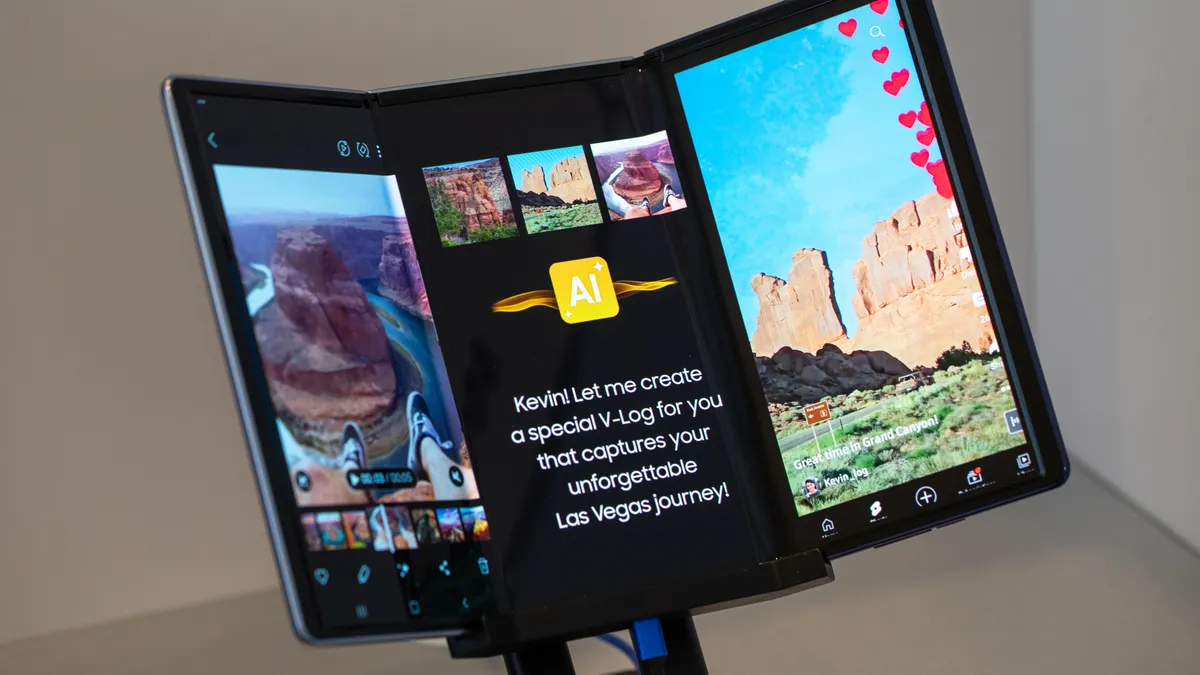
In contrast, the Z TriFold transforms into a true 10-inch tablet when fully unfolded, ideal for running three full apps side-by-side or immersive media. Its inner screen reaches 1,600 nits—dimmer but with a more square 4:3 ratio better for multitasking than the Fold 7’s taller panel. Unfolded thickness matches at around 4.2mm, but folded it’s bulkier (12.9mm) and heavier (309g), feeling like carrying a small notebook.
Hinges tell the story of complexity: The Fold 7’s single hinge is rated for 500,000 folds and feels buttery smooth. The TriFold’s dual hinges (one wider to accommodate stacked panels) pop open assistively on the thicker side, but early reports note potential quirks, with durability rated lower at around 200,000-250,000 folds.
Both run Snapdragon 8 Elite chips with One UI 8 on Android 16, delivering flagship performance. Battery edges to the TriFold (5,600mAh vs Fold 7’s 4,400mAh), supporting heavier workloads, plus faster 45W charging. Cameras are similar triple setups, led by 200MP mains, though the Fold 7’s brighter screen aids photography editing.
Software shines on the TriFold with enhanced multi-window support and Standalone DeX for PC-like setups, but it skips some Flex Mode flexibility. Price reflects the innovation: Fold 7 starts around $1,999, while TriFold commands $2,600+ in launch markets.
For everyday users, the Z Fold 7 wins on comfort and balance—it’s the lightest book-fold yet. Power users craving tablet replacement will love the TriFold’s expansive canvas, despite the weight trade-off. Samsung’s dual approach caters to different needs, proving foldables are maturing fast.
Hands-on verdict: The Z Fold 7 is the practical daily driver, while the TriFold is the bold future—exciting, but with first-gen compromises.


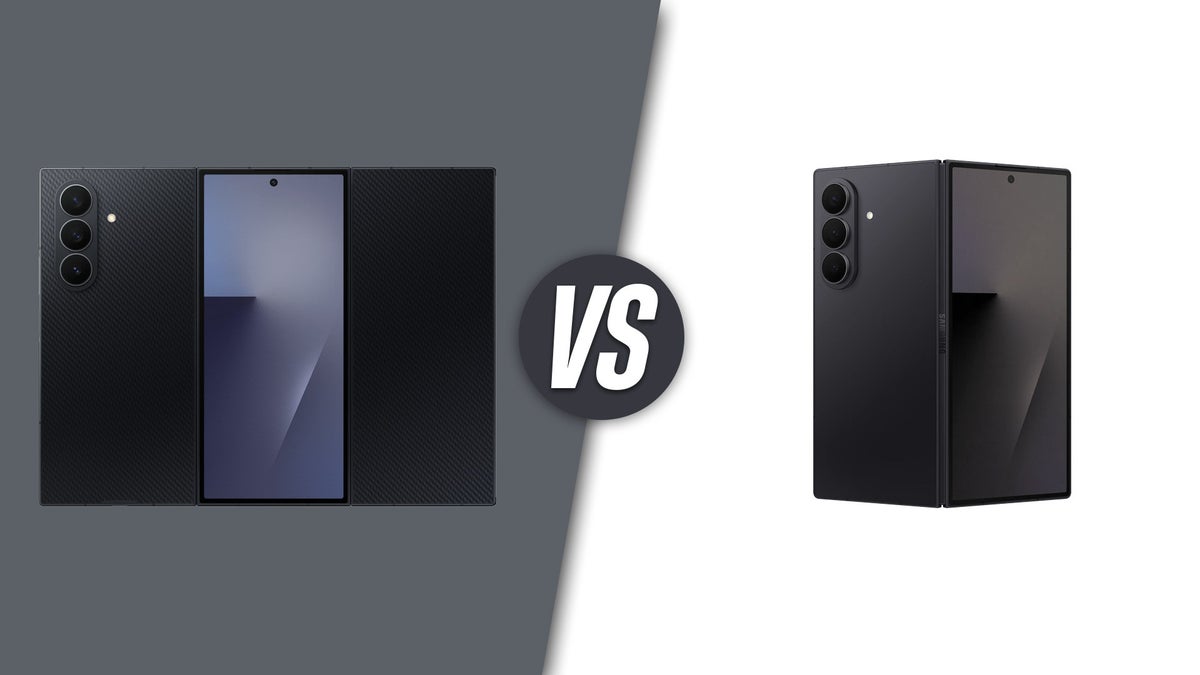


As Samsung expands foldable options, Galaxy Z TriFold hands-on reviews, Galaxy Z Fold 7 vs TriFold comparison insights, Samsung trifold foldable differences, Z Fold 7 thinner design advantages, and Galaxy Z TriFold productivity features continue trending, signaling a new era for multi-tasking mobiles.
In summary, the Z Fold 7 offers refined portability, while the TriFold delivers unmatched screen real estate—choose based on whether you prioritize pocketability or power.
By Sam Michael
Follow us on X @realnewshubs and subscribe for push notifications to stay locked on every US judge orders Kilmar Abrego Garcia’s release from ICE custody development!
Follow and subscribe us increase push notification.