
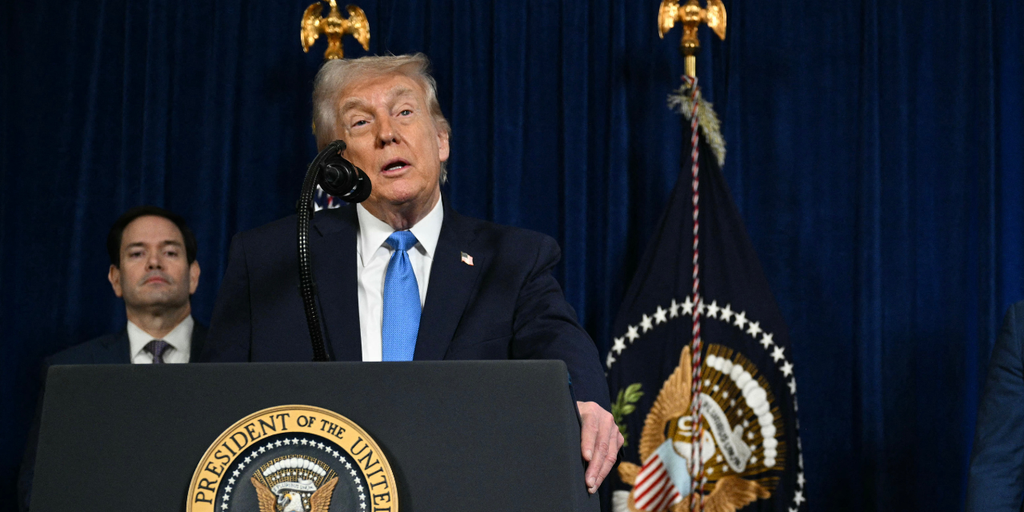
In a period of heightened geopolitical tension, former U.S. President Donald Trump made a series of striking comments regarding Venezuela's vast oil reserves, suggesting the United States was in a position to "take control" of them. These remarks, delivered amidst a severe political and economic crisis in Venezuela and an assertive U.S. "maximum pressure" campaign, sparked significant international debate and required careful interpretation against the backdrop of international law, U.S. foreign policy objectives, and the complex reality of Venezuela's collapsing oil industry. The statements, made at various points during his presidency, underscored Washington's firm stance against the Nicolás Maduro regime and its support for the opposition-led interim government of Juan Guaidó, while also raising questions about the practicalities and legality of such actions.
Background: A Nation Built on Oil, Plagued by Politics
Venezuela, a nation geographically blessed with the world's largest proven oil reserves, has seen its destiny inextricably linked to petroleum for over a century. This abundance, once the bedrock of its prosperity, has paradoxically become a central element in its profound political and economic decline, creating a complex tapestry of wealth, corruption, and international intrigue that culminated in the U.S. statements regarding its control.
The Rise of Venezuela’s Oil Power
The discovery of massive oil fields in Venezuela in the early 20th century, particularly the Barroso No. 2 well in 1922, transformed the agrarian nation into a global energy powerhouse. Foreign oil companies, primarily from the United States and Europe, initially dominated the industry, extracting vast quantities of crude and contributing significantly to the national treasury through concessions and taxes. By the mid-20th century, Venezuela had become one of the world's leading oil exporters, its cities booming and its infrastructure developing rapidly.
However, a growing nationalist sentiment sought greater control over this vital resource. This culminated in the nationalization of the oil industry on January 1, 1976, under President Carlos Andrés Pérez, leading to the creation of Petróleos de Venezuela S.A. (PDVSA). PDVSA rapidly grew into a vertically integrated state-owned enterprise, managing exploration, production, refining, and marketing. For decades, PDVSA was a symbol of national pride and economic prowess, often lauded as one of the most efficient oil companies globally. Its revenues funded social programs, infrastructure projects, and a robust public sector, making Venezuela a regional leader in living standards.
The Chávez Era and Bolivarian Revolution
The political landscape shifted dramatically with the election of Hugo Chávez Frías in 1999. Chávez, a charismatic former paratrooper, launched the "Bolivarian Revolution," a socialist political movement that aimed to redistribute wealth, empower the poor, and assert national sovereignty, often through anti-imperialist rhetoric directed at the United States. Oil, naturally, became the primary engine of this revolution.
Chávez significantly increased state control over PDVSA, replacing technocrats with political loyalists and diverting a substantial portion of the company's revenues directly to social programs known as "Misiones." These programs, addressing health, education, and housing, initially garnered immense popular support and dramatically reduced poverty rates. However, this political interference also began to erode PDVSA's operational efficiency, technical expertise, and investment capacity. Skilled workers were purged, maintenance was neglected, and long-term strategic planning was sacrificed for immediate political gains.
Under Chávez, Venezuela leveraged its oil wealth to forge new international alliances, particularly with Cuba, Russia, and China, often through oil-for-services or oil-for-loans agreements. This move diversified Venezuela's diplomatic and economic ties away from traditional Western partners, though the U.S. remained a significant buyer of Venezuelan heavy crude due to the compatibility of its Gulf Coast refineries. The Chávez era also saw a gradual consolidation of power, changes to the constitution, and increasing allegations of corruption and human rights abuses by opposition groups.
The Maduro Succession and Deepening Crisis
Upon Chávez's death in March 2013, his hand-picked successor, Nicolás Maduro, narrowly won the presidency. Maduro inherited a country already facing significant economic challenges, including rising inflation, declining productivity outside the oil sector, and growing public debt. The situation rapidly deteriorated under his leadership.
A steep decline in global oil prices starting in 2014, coupled with years of mismanagement, corruption, and lack of investment within PDVSA, crippled Venezuela's economy. Oil production, which had peaked at over 3 million barrels per day (bpd) in the late 1990s, plummeted dramatically. By 2019, it had fallen below 1 million bpd, and by 2020, it was often below 500,000 bpd. This collapse in revenue, combined with reckless monetary policy, led to hyperinflation, which peaked at over 1,000,000% in 2018.
The economic collapse triggered a severe humanitarian crisis. Basic necessities like food, medicine, and clean water became scarce and unaffordable. Public services, including electricity, transportation, and healthcare, crumbled. Millions of Venezuelans, facing starvation and lack of opportunities, began to flee the country, creating one of the largest displacement crises in recent history, with over 7 million people seeking refuge in neighboring countries and beyond.
Politically, Maduro's government became increasingly authoritarian. Opposition leaders were jailed, exiled, or disqualified from running for office. The judiciary and electoral bodies were brought under executive control. The National Assembly, the last bastion of opposition power, was stripped of its authority and effectively replaced by a Constituent Assembly loyal to Maduro in 2017. These actions led to widespread international condemnation and a further erosion of democratic norms.
US-Venezuela Relations: A Tumultuous History
The relationship between the United States and Venezuela has long been complex, shifting from periods of pragmatic cooperation to open hostility. For much of the 20th century, the U.S. was Venezuela's primary oil market and a significant investor. However, the rise of Chávez marked a sharp departure.
Chávez's anti-imperialist rhetoric, his close ties with U.S. adversaries like Cuba and Iran, and his nationalization policies created deep friction with Washington. The U.S. expressed concerns about Venezuela's democratic backsliding, human rights record, and alleged support for regional insurgent groups. Despite the rhetoric, the U.S. continued to import substantial amounts of Venezuelan oil due to the specific refining capabilities on its Gulf Coast.
Under President Barack Obama, the U.S. began to implement targeted sanctions against Venezuelan officials accused of corruption and human rights abuses, declaring Venezuela a national security threat in 2015. However, the "maximum pressure" campaign truly escalated under the Trump administration, which viewed the Maduro regime as an illegitimate dictatorship and a threat to regional stability. This shift set the stage for the dramatic pronouncements regarding Venezuela's oil.
Key Developments: The US “Maximum Pressure” Campaign and Guaidó’s Challenge
The trajectory of the Venezuelan crisis took a decisive turn in 2019, marked by a contested presidential election, the emergence of an opposition leader, and a forceful response from the United States. These events provided the immediate context for former President Trump's controversial remarks about taking control of Venezuela's oil reserves, signaling a significant escalation in the U.S. strategy to dislodge the Maduro regime.
The 2018 Election and International Rejection
Nicolás Maduro sought re-election in May 2018 in an election widely denounced as illegitimate by a significant portion of the international community. The vote was held earlier than constitutionally mandated, key opposition leaders were barred from participating, and the main opposition coalition boycotted the election, citing a lack of transparency and fairness. Despite a low turnout and widespread allegations of fraud, Maduro declared victory.
The United States, the European Union, Canada, and a coalition of Latin American nations, including the Lima Group, refused to recognize the results, viewing Maduro's second term as a usurpation of power. This rejection formed the legal and political basis for subsequent actions, as these countries argued that Maduro's government lacked democratic legitimacy.
Guaidó’s Ascent and US Recognition
In January 2019, the political landscape shifted dramatically within Venezuela. Juan Guaidó, then the president of the National Assembly—the last democratically elected institution in Venezuela—invoked articles 233, 333, and 350 of the Venezuelan Constitution. These articles outline provisions for a transitional government in the event of a presidential "absence" or "usurpation" of power. On January 23, 2019, Guaidó publicly declared himself interim president of Venezuela, vowing to hold free and fair elections and restore democracy.
The response from the international community was swift and polarized. Within hours, the United States, under President Trump, officially recognized Guaidó as the legitimate interim president of Venezuela. This recognition was quickly followed by Canada, Colombia, Brazil, Argentina, Chile, Peru, Ecuador, Paraguay, and a host of other nations, including many European countries. These nations argued that since Maduro's 2018 election was illegitimate, the presidency was vacant, and under the constitution, the head of the National Assembly should assume interim presidential powers. This move provided a crucial political and legal framework for the U.S. to channel its efforts to support the opposition and isolate Maduro.
Trump’s Remarks and Their Interpretation
It was in this charged atmosphere that former President Donald Trump made a series of statements that, on the surface, appeared to suggest a direct U.S. seizure of Venezuelan oil. For instance, in an interview in early 2019, Trump stated, "We're looking at Venezuela. We're looking at the whole thing. All options are on the table." Later, he remarked that the U.S. was "taking control" of Venezuela's oil reserves, or that it was "important to keep the oil in the ground for the people of Venezuela." These phrases, while rhetorically powerful, require careful interpretation within the context of U.S. policy.
Crucially, the U.S. was not, and legally could not, literally "take control" of Venezuela's oil fields on Venezuelan soil through military or direct administrative means. Such an action would constitute a blatant violation of international law, national sovereignty, and would likely trigger widespread international condemnation and potential military conflict.
Instead, Trump's remarks were understood by policy analysts and diplomats as a strong articulation of the U.S. strategy to *redirect* control and revenue from Venezuelan state assets, particularly oil, *away* from the Maduro regime and *towards* the internationally recognized interim government of Juan Guaidó. The underlying goal was to starve the Maduro government of its primary source of income, thereby increasing pressure on him to step down and facilitate a democratic transition. This redirection primarily occurred through the implementation of comprehensive economic sanctions.
The Architecture of US Sanctions
The U.S. sanctions regime against Venezuela evolved over several years but significantly intensified after Guaidó's declaration. The Department of the Treasury's Office of Foreign Assets Control (OFAC) became the primary executor of this "maximum pressure" campaign.
Financial Sanctions
The most impactful sanctions targeted PDVSA, Venezuela's state-owned oil company, in January 2019. These measures blocked all property and interests in property of PDVSA that were subject to U.S. jurisdiction. This effectively prevented U.S. entities from engaging in transactions with PDVSA, including purchasing Venezuelan crude oil. It also froze PDVSA's assets in the U.S., most notably its wholly-owned U.S. subsidiary, Citgo Petroleum Corporation.
Further financial sanctions targeted the Central Bank of Venezuela, prohibiting U.S. persons from engaging in transactions with it. Numerous individuals associated with the Maduro regime, including high-ranking military officials, ministers, and even Maduro himself, were also sanctioned, with their U.S. assets frozen and travel restricted. These financial restrictions severely limited Venezuela's access to international financial markets, its ability to process payments, and its capacity to engage in global trade.
Oil Embargo
While not a complete global embargo, the U.S. sanctions amounted to a de facto oil embargo for Venezuela's most significant market. U.S. refiners, particularly those on the Gulf Coast, were historically major purchasers of Venezuela's heavy sour crude, which their facilities were specifically designed to process. The sanctions effectively cut off this crucial revenue stream.
To manage the transition and avoid immediate market disruptions, OFAC issued several "General Licenses." For example, General License 8 permitted certain transactions related to Chevron Corporation's joint ventures in Venezuela, allowing it to maintain minimal operations to preserve assets, though not to generate revenue for PDVSA. Other licenses allowed for transactions related to humanitarian aid, certain financial services, and specific wind-down periods for companies. However, the overarching effect was to severely restrict Venezuela's ability to sell its oil to the international market, particularly for hard currency.
Secondary Sanctions
Beyond direct sanctions on Venezuelan entities, the U.S. also implemented "secondary sanctions." These measures targeted non-U.S. entities (companies, banks, shipping firms) that continued to engage in transactions with the Maduro regime or PDVSA, particularly those involving the transportation or sale of Venezuelan oil. The threat of being cut off from the U.S. financial system or facing asset freezes in the U.S. proved a powerful deterrent, forcing many international companies to cease dealings with Venezuela. This significantly isolated Venezuela from global trade and financial networks, making it exceedingly difficult for the regime to sell its oil or import essential goods.
Asset Freezes and the Citgo Case
A key aspect of the U.S. strategy was the freezing of Venezuelan state assets within U.S. jurisdiction. The most prominent of these was Citgo Petroleum Corporation, a U.S.-based refiner and marketer owned by PDVSA. With the U.S. recognition of Guaidó, the Trump administration moved to transfer control of Citgo's board of directors to representatives appointed by Guaidó's interim government. This move was intended to safeguard the asset from being used by the Maduro regime and potentially to provide a future source of revenue for a democratic Venezuela.
However, the control of Citgo became embroiled in complex legal battles. Creditors of Venezuela and PDVSA, holding billions in defaulted bonds and arbitration awards, sought to seize Citgo assets to recover their debts. The U.S. Treasury, through OFAC, largely protected Citgo from immediate seizure attempts by issuing licenses that prohibited its sale, but the underlying legal challenges persisted, highlighting the intricate legal landscape surrounding sovereign assets in times of political upheaval.
International Reactions and Divisions
The U.S. strategy and its recognition of Guaidó created deep divisions within the international community.
Support for Guaidó: The U.S., Canada, the majority of Latin American nations (including the Lima Group), and most European Union member states recognized Guaidó, condemned Maduro's government, and generally supported the U.S. sanctions regime, albeit with some nuances. Their shared goal was a democratic transition in Venezuela.
* Support for Maduro: Russia, China, Cuba, Iran, and Turkey staunchly supported the Maduro regime. Russia and China, in particular, have significant economic and strategic interests in Venezuela, including billions in loans, military contracts, and oil concessions. They condemned the U.S. sanctions as illegal interventionism and a violation of Venezuelan sovereignty. Cuba, heavily reliant on Venezuelan oil, provided political and security assistance to the Maduro government. Iran and Turkey also maintained trade and diplomatic ties, often facilitating ways to circumvent U.S. sanctions.
* Neutrality and Humanitarian Focus: The United Nations maintained a stance of neutrality regarding the recognition of governments, focusing instead on the severe humanitarian crisis and advocating for dialogue and a peaceful resolution. The UN and various international aid organizations called for unimpeded access to deliver humanitarian assistance, often criticizing the impact of sanctions on the civilian population while also blaming the Maduro regime's policies.

The divergent international responses underscored the complex geopolitical stakes in Venezuela, transforming the internal crisis into a proxy battleground for broader international power struggles and ideological differences.
Impact: A Nation in Crisis, Global Repercussions
The confluence of Venezuela's internal political strife, economic mismanagement, and the stringent U.S. "maximum pressure" campaign has had devastating and far-reaching consequences. Within Venezuela, the impact has been catastrophic, pushing millions into poverty and spurring a massive humanitarian crisis. Beyond its borders, the situation has created complex geopolitical dynamics, influencing regional stability and engaging major global powers.
Economic Devastation within Venezuela
The most immediate and profound impact of the crisis has been the near-total collapse of Venezuela's economy. Once Latin America's wealthiest nation, it now suffers from one of the deepest economic contractions in modern history.
Hyperinflation and Currency Collapse
Years of reckless monetary policy, excessive government spending financed by printing money, and the collapse of oil revenues led to hyperinflation. Prices soared at astronomical rates, rendering the national currency, the Bolívar, virtually worthless. At its peak, inflation reached over 1,000,000% annually, making it impossible for citizens to afford basic goods or save money. While the government attempted various currency re-denominations and introduced digital bolivars, the economy largely dollarized informally as people sought stable currency for transactions. This financial chaos destroyed purchasing power and wiped out savings.
Collapse of Oil Production
The lifeblood of Venezuela's economy, its oil industry, has been decimated. From a peak of over 3.2 million barrels per day (bpd) in the late 1990s, production plummeted to often below 500,000 bpd by 2020, and at times even lower. This collapse is attributable to a combination of factors:
* Underinvestment and Mismanagement: Decades of diverting PDVSA's profits to social programs, lack of reinvestment in infrastructure, and the appointment of political loyalists over experienced technocrats led to the decay of oil fields, refineries, and pipelines.
* Brain Drain: The exodus of skilled engineers, geologists, and technicians, fleeing the economic crisis and political purges, severely depleted PDVSA's human capital.
* Sanctions: U.S. sanctions, particularly those targeting PDVSA and its ability to sell crude or acquire diluents (light crude needed to process Venezuela's heavy oil), accelerated the production decline. Without buyers or the necessary inputs, many wells became inoperable.
* Infrastructure Decay: Refineries frequently break down, leading to fuel shortages in an oil-rich nation. Oil spills and environmental damage have become common due to neglected infrastructure.
The collapse of oil production translated directly into a catastrophic loss of government revenue, exacerbating the humanitarian crisis and limiting the regime's ability to provide essential services.
Food and Medicine Shortages
Venezuela, despite its agricultural potential, became heavily reliant on imports, funded by oil revenues. As oil revenues dried up and sanctions made imports difficult, the country faced severe shortages of food, medicine, and other basic necessities. Supermarket shelves often stood empty, and when goods were available, their prices were exorbitant. The healthcare system collapsed, lacking basic supplies, equipment, and personnel. Preventable diseases re-emerged, and mortality rates increased, particularly among vulnerable populations.
Widespread Poverty and Inequality
The economic meltdown plunged the vast majority of Venezuelans into extreme poverty. Poverty rates soared, with estimates suggesting over 90% of the population living below the poverty line. Inequality widened dramatically, with a small elite connected to the regime benefiting from illicit activities, while the general population struggled for survival. The once-vibrant middle class was largely obliterated.
The Humanitarian Crisis
The economic collapse directly fueled a profound humanitarian crisis, recognized by the United Nations and numerous international organizations.
Mass Exodus of Refugees and Migrants
One of the most visible impacts is the exodus of over 7 million Venezuelans, fleeing hunger, lack of healthcare, insecurity, and political persecution. This represents one of the largest displacement crises globally, surpassing even Syria in terms of population percentage. These migrants and refugees have strained the resources of neighboring countries, particularly Colombia, Peru, Ecuador, and Chile, which have borne the brunt of the influx. Many have undertaken perilous journeys on foot, facing xenophobia, exploitation, and dire living conditions.
Malnutrition and Disease Outbreaks
The severe food shortages led to widespread malnutrition, especially among children. Reports from humanitarian organizations documented alarming rates of stunted growth and wasting. The collapse of the healthcare system, coupled with poor sanitation and lack of access to clean water, resulted in outbreaks of diseases like measles, diphtheria, and malaria, which had previously been controlled.
Limited Access for International Aid
While international humanitarian organizations have attempted to provide assistance, their efforts have often been hampered by the Maduro government's initial reluctance to acknowledge the crisis, bureaucratic obstacles, and the logistical challenges posed by sanctions and internal instability. The U.S. and other nations have provided significant humanitarian aid, but its distribution within Venezuela remains contentious and often insufficient to meet the vast needs.
Geopolitical Ramifications
The Venezuelan crisis has become a significant geopolitical flashpoint, drawing in major global powers with diverse interests.
Russia and China's Strategic Interests
Russia and China have emerged as key allies and financial lifelines for the Maduro regime. Both nations have provided billions of dollars in loans, often collateralized by future oil shipments or stakes in Venezuelan oil projects. Russia has also been a major supplier of military equipment and has maintained a military presence, including sending military personnel and aircraft. Their interests are multifaceted:
* Debt Recovery: Protecting their significant investments and ensuring repayment of loans.
* Geopolitical Leverage: Challenging U.S. influence in Latin America and demonstrating their capacity to support allies against U.S. pressure.
* Oil Concessions: Gaining access to Venezuela's vast oil reserves through joint ventures and preferential agreements.
* Arms Sales: Venezuela has been a consistent customer for Russian military hardware.
These nations have consistently used their veto power in the UN Security Council to block resolutions critical of the Maduro government, providing crucial diplomatic protection.
Cuba's Dependence and Iran's Cooperation
Cuba has a deep historical and ideological alliance with Venezuela, dating back to the Chávez era. Venezuela provided Cuba with subsidized oil in exchange for medical personnel, intelligence, and security advisors. The Venezuelan crisis, particularly the decline in oil shipments, has severely impacted Cuba's economy.
Iran, also heavily sanctioned by the U.S., has developed a relationship with Venezuela based on mutual defiance of U.S. pressure. Iran has shipped gasoline, crude oil, and equipment to Venezuela, helping the Maduro regime circumvent U.S. sanctions and address its chronic fuel shortages. This cooperation highlights a growing network of sanctioned nations collaborating to bypass international restrictions.
Global Oil Markets
Despite holding the world's largest proven oil reserves, Venezuela's current diminished output means its direct impact on global oil prices is now relatively minor. However, its potential return to the market, or further disruption, could still have localized effects, particularly on the heavy crude market. The sanctions on Venezuela, alongside those on Iran, have removed significant volumes of heavy sour crude from the global supply, affecting specific refining segments. The future of Venezuela's oil production remains a key factor in long-term energy market projections.
Legal and Ethical Debates
The U.S. "maximum pressure" campaign and the broader international response have ignited significant legal and ethical debates.
Sovereignty and Intervention
Critics of the U.S. approach argue that sanctions and the recognition of an interim government constitute a violation of Venezuela's national sovereignty and non-intervention principles enshrined in international law. They contend that the U.S. is attempting to dictate the internal affairs of a sovereign nation. Supporters argue that the Maduro regime lost its legitimacy through fraudulent elections and human rights abuses, and that the international community has a responsibility to support democratic aspirations and address humanitarian crises.
Effectiveness and Ethics of Sanctions
There is an ongoing debate about the effectiveness and ethical implications of broad economic sanctions. Critics argue that comprehensive sanctions disproportionately harm the civilian population, exacerbating the humanitarian crisis, rather than solely targeting the regime. They contend that sanctions can entrench authoritarian regimes by providing a scapegoat for economic woes and limiting avenues for peaceful change. Proponents argue that sanctions are a non-military tool to pressure autocratic regimes, that they are carefully designed to target the government, and that the humanitarian crisis is primarily a result of the regime's corruption and mismanagement, not the sanctions themselves. They also point to humanitarian exemptions within the sanctions regime.
International Law and Asset Control
The legal battles over Venezuelan assets abroad, particularly Citgo, highlight the complexities of international law regarding state assets when there are competing claims of governmental legitimacy. The U.S. position is based on its recognition of Guaidó as the legitimate representative of the Venezuelan state. However, the legal challenges from creditors seeking to seize assets underscore the difficulties in establishing clear control and the potential for prolonged litigation. The precedent set by such actions could have implications for other states facing similar political crises.
The multifaceted impact of the Venezuelan crisis demonstrates how internal political and economic failures, when combined with assertive international pressure, can create a cascading series of consequences, affecting not only the immediate population but also regional stability and global power dynamics.
What Next: Uncharted Territory and Diplomatic Paths
The Venezuelan crisis remains deeply entrenched, characterized by a persistent stalemate between the Maduro regime and the opposition, a humanitarian catastrophe, and