
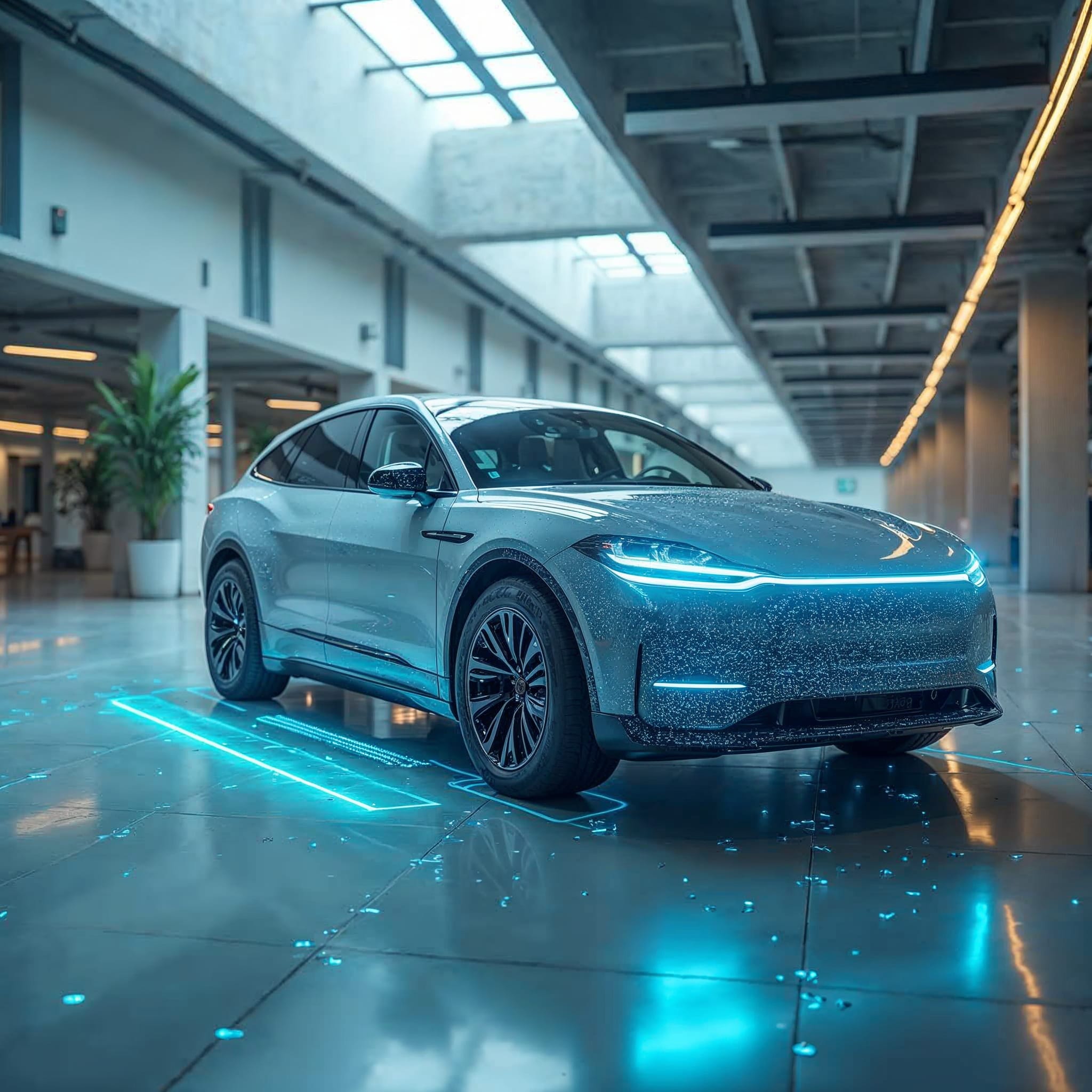
In an era increasingly defined by environmental consciousness and the pressing need to address climate change, the choices we make in our daily lives carry significant weight. Among these, how we choose to move from one place to another stands out as a critical factor in our individual and collective carbon footprints. For many years, the internal combustion engine (ICE) vehicle has been the dominant mode of personal transportation, but its reliance on fossil fuels has contributed substantially to greenhouse gas emissions and air pollution.
Enter the hybrid vehicle: a marvel of automotive engineering that elegantly combines the best aspects of gasoline engines with electric propulsion. More than just a stepping stone between conventional cars and fully electric vehicles, hybrids offer a powerful, practical, and immediately accessible solution for those seeking to reduce their environmental impact without compromising on range, convenience, or performance. This comprehensive guide will delve deep into the mechanics of how hybrid vehicles work, meticulously outlining their profound effects on reducing carbon emissions, detailing their often-overlooked economic advantages, and addressing common misconceptions. We will explore recent innovations, provide real-world examples, and arm you with the knowledge to understand why a hybrid vehicle could be your next smart step towards a greener, more sustainable future.
Our journey will cover everything from the intricate dance between gasoline and electric power to the broader societal benefits of reduced fossil fuel dependence and improved urban air quality. We will examine the lifecycle of these vehicles, discuss their financial incentives, and provide practical insights for current and prospective owners. By the end of this post, you will have a clear, well-rounded understanding of how hybrid vehicles are not just a trend, but a vital component in the global effort to unlock significant eco-savings and dramatically slash our collective carbon footprint.
How Hybrid Technology Works: A Symphony of Power and Efficiency
At the heart of every hybrid vehicle lies a sophisticated interplay between two distinct power sources: a traditional internal combustion engine (ICE) and an electric motor, often coupled with a battery pack. This synergistic design is what allows hybrids to achieve superior fuel efficiency and lower emissions compared to conventional gasoline-only vehicles. Understanding this intricate dance is key to appreciating their environmental benefits.
The Core Components and Their Roles
- Internal Combustion Engine (ICE): This is typically a smaller, more efficient gasoline engine compared to what you might find in a similarly sized conventional car. Its primary role is to provide power when electric-only driving isn’t sufficient, and to help recharge the battery in some configurations.
- Electric Motor(s): Hybrids usually feature one or more electric motors. These motors can propel the vehicle, assist the gasoline engine during acceleration, and act as generators during braking.
- Battery Pack: Unlike the small 12V battery that starts a conventional car, hybrids use a larger high-voltage battery (typically Nickel-Metal Hydride or Lithium-ion) to store electrical energy. This battery powers the electric motor and is recharged through various means.
- Power Control Unit (PCU): This is the “brain” of the hybrid system. It constantly monitors driving conditions, driver input, and battery state of charge to seamlessly switch between electric power, gasoline power, or a combination of both. It optimizes power delivery for efficiency and performance.
- Regenerative Braking System: A crucial innovation in hybrids, this system captures kinetic energy normally lost as heat during braking and converts it back into electricity, which is then stored in the battery. This not only recharges the battery but also reduces wear on traditional brake pads.
Types of Hybrid Systems: A Spectrum of Electrification
Not all hybrids are created equal. The degree of electrification and how the engine and motor interact define different hybrid types:
-
Mild Hybrid Electric Vehicles (MHEV):
These are the least electrified hybrids. They use a small electric motor and battery, primarily to assist the gasoline engine. The motor cannot propel the car independently for any significant distance, but it helps during acceleration, allows the engine to shut off more frequently (e.g., at stoplights), and facilitates regenerative braking. MHEVs provide a modest improvement in fuel economy and emissions compared to conventional cars.
-
Full Hybrid Electric Vehicles (FHEV):
Also known as “self-charging” hybrids, FHEVs are the most common type. They have larger electric motors and battery packs than MHEVs, allowing them to drive on electric power alone for short distances and at low speeds (typically up to 25-40 mph). The electric motor and gasoline engine can work independently or together, with the PCU deciding the optimal mode. The battery is recharged by the gasoline engine and regenerative braking, meaning they never need to be plugged in.
-
Plug-in Hybrid Electric Vehicles (PHEV):
PHEVs represent a significant leap in electrification. They feature much larger battery packs and more powerful electric motors than FHEVs, enabling them to travel substantial distances solely on electric power (typically 20-50 miles or more) before the gasoline engine even kicks in. This electric-only range is ideal for daily commutes. Crucially, PHEVs require external charging, similar to a fully electric vehicle, but they also have a gasoline engine for extended range, eliminating range anxiety.
Regardless of the specific type, the fundamental principle remains the same: hybrids leverage the strengths of both electric and gasoline power to operate more efficiently, using less fuel, and consequently, emitting fewer greenhouse gases into the atmosphere. This seamless integration is what makes them such a powerful tool in the fight against climate change.
Direct Carbon Emissions Reduction: Beyond the Tailpipe
The most immediate and tangible benefit of hybrid vehicles is their ability to significantly reduce direct carbon dioxide (CO2) emissions from the tailpipe. This reduction stems from a combination of advanced technologies and optimized operational strategies that are inherent to hybrid design. For individuals and for the planet, this translates into a measurable decrease in our carbon footprint.
Superior Fuel Efficiency: Less Fuel, Less CO2
The primary mechanism for carbon reduction in hybrids is their enhanced fuel efficiency. By combining an internal combustion engine with an electric motor, hybrids can achieve higher miles per gallon (MPG) ratings than their conventional gasoline-powered counterparts. This is because:
- Electric-only Operation: In FHEVs and especially PHEVs, the vehicle can operate purely on electric power at low speeds, during acceleration from a standstill, and sometimes even at moderate cruising speeds. When running on electricity, there are zero tailpipe emissions.
- Engine Shutdown: At stops, during coasting, or when idling, the gasoline engine in a hybrid can often shut off completely, drawing power from the battery for accessories or using the electric motor to maintain momentum. A conventional car, in contrast, continues to burn fuel and emit CO2 while idling.
- Engine Optimization: The gasoline engine in a hybrid can be designed to run at its most efficient RPM range more often, as the electric motor can provide supplementary power when needed, allowing the engine to avoid less efficient operating points.
The result is that for every mile driven, a hybrid consumes less gasoline, directly translating to less CO2 released into the atmosphere. For instance, a conventional compact sedan might average 30 MPG, emitting approximately 290 grams of CO2 per mile. A hybrid version of the same car could easily achieve 45-50 MPG, cutting CO2 emissions to around 190-200 grams per mile. This represents a substantial reduction of 30-35% in direct tailpipe CO2 emissions.
The Power of Regenerative Braking
Regenerative braking isn’t just about recharging the battery; it’s a critical component in reducing fuel consumption and, by extension, emissions. In a conventional car, energy generated during braking is dissipated as heat through friction in the brake pads. This is wasted energy. Hybrid vehicles, however, convert much of this kinetic energy back into usable electricity, storing it in the battery. This stored energy can then be used to power the electric motor, effectively giving the vehicle “free” propulsion and reducing the reliance on the gasoline engine. By recovering energy that would otherwise be lost, regenerative braking enhances overall system efficiency and further reduces fuel consumption.
Plug-in Hybrids: The Game Changer for Daily Commutes
PHEVs take direct emissions reduction to another level. With their extended electric-only range, many drivers can complete their daily commutes, run errands, and make short trips without using a single drop of gasoline. For a PHEV driver who charges regularly, a significant portion of their annual mileage could be driven with zero tailpipe emissions. The environmental impact then shifts from direct fossil fuel combustion to the source of electricity used for charging. When charged using renewable energy sources, the effective carbon footprint of these electric-only miles approaches zero, making PHEVs incredibly powerful tools for slashing individual carbon footprints, especially for those living in areas with clean energy grids.
The cumulative effect of these technologies means that choosing a hybrid vehicle is a clear and measurable step towards reducing one’s environmental impact. It’s an accessible way for millions of drivers to actively participate in the transition to a lower-carbon future, immediately seeing the benefits in both their fuel gauge and the reduction of their personal carbon footprint.
Indirect Environmental Benefits: A Wider Impact on Our Planet
Beyond the direct reduction of tailpipe emissions, hybrid vehicles contribute to a healthier planet through a range of indirect environmental benefits. These advantages extend beyond individual vehicles, influencing urban environments, resource demands, and the broader energy landscape.
Reduced Reliance on Fossil Fuels
Every gallon of gasoline saved by a hybrid vehicle contributes to a decrease in global demand for crude oil. This reduction has far-reaching consequences:
- Energy Security: Less dependence on imported oil can enhance a nation’s energy security, reducing vulnerability to geopolitical fluctuations and oil price volatility.
- Resource Extraction Impact: Lower demand for oil can alleviate some of the environmental pressures associated with fossil fuel extraction, refining, and transportation, such as oil spills, habitat destruction, and greenhouse gas emissions from industrial processes.
- Economic Diversification: The shift away from fossil fuels encourages investment and innovation in renewable energy and alternative transportation technologies, fostering a more sustainable global economy.
While hybrids still use gasoline, their increased efficiency means they contribute less to the overall fossil fuel consumption matrix, paving the way for a more sustainable energy future.
Improved Urban Air Quality
Conventional gasoline vehicles are significant contributors to urban air pollution, emitting not only CO2 but also harmful pollutants like nitrogen oxides (NOx), volatile organic compounds (VOCs), carbon monoxide (CO), and particulate matter (PM). These pollutants contribute to smog, acid rain, and respiratory illnesses.
Hybrid vehicles, particularly in stop-and-go city traffic where conventional cars are least efficient and most polluting, offer significant improvements:
- Reduced Idling Emissions: As discussed, hybrids frequently shut off their gasoline engines when stopped, eliminating emissions during idle periods.
- Electric-Only City Driving: Full hybrids can operate on electric power alone at low speeds, and PHEVs can do so for extended periods, resulting in zero tailpipe emissions within urban centers. This directly translates to cleaner air in populated areas.
- Optimized Engine Operation: When the gasoline engine is running, the hybrid system ensures it operates more efficiently, reducing the release of harmful pollutants.
The cumulative effect of more hybrids on the road is a noticeable improvement in urban air quality, leading to better public health outcomes and more pleasant living environments in cities.
Reduced Noise Pollution
Noise pollution, often an overlooked environmental concern, significantly impacts quality of life in urban areas. Hybrid vehicles, especially when operating in electric-only mode, are remarkably quiet. The absence of engine noise during startup, low-speed maneuvers, and while idling makes for a more serene driving experience for occupants and reduces ambient noise for pedestrians and residents. This seemingly small benefit contributes to a less stressful and more livable urban soundscape.
More Efficient Resource Use and Innovation
The development and adoption of hybrid technology drive innovation across the automotive and energy sectors. It encourages:
- Material Efficiency: Hybrid systems are designed for optimal energy management, pushing engineers to create lighter, more durable, and more efficient components.
- Battery Technology Advancements: The demand for hybrid batteries accelerates research and development in battery chemistry, energy density, and recycling processes, which also benefits fully electric vehicles.
- Sustainable Manufacturing: As manufacturers produce more hybrids, there’s an increasing focus on sustainable manufacturing practices, from raw material sourcing to assembly line efficiency, aiming to reduce the overall embedded carbon footprint of the vehicle.
In essence, hybrid vehicles do more than just burn less fuel; they are catalysts for broader environmental improvements, pushing the automotive industry and society towards a more sustainable and resource-efficient future.
Economic Advantages for the Savvy Driver
While the environmental benefits of hybrid vehicles are compelling, their economic advantages are equally significant, offering tangible savings and financial incentives that make them an attractive choice for many drivers. Investing in a hybrid isn’t just a decision for the planet; it’s a smart financial move.
Significant Fuel Cost Savings
The most direct economic benefit of owning a hybrid is the substantial reduction in fuel expenses. Because hybrids achieve superior fuel efficiency compared to conventional gasoline vehicles, drivers spend less money at the pump. This saving accumulates significantly over the lifespan of the vehicle and can offset a potentially higher initial purchase price over time. For example, if a conventional car gets 30 MPG and a hybrid gets 45 MPG, and gasoline costs $3.50 per gallon, a driver traveling 12,000 miles annually would save approximately $466 per year. Over five years, that’s over $2,300 in fuel savings alone, and these savings only increase with higher gasoline prices and more miles driven.
Government Incentives and Tax Credits
Many governments worldwide offer incentives to encourage the adoption of more fuel-efficient and low-emission vehicles. These can include:
- Federal Tax Credits: For Plug-in Hybrid Electric Vehicles (PHEVs), a significant federal tax credit may be available, substantially reducing the effective purchase price. The amount often depends on the battery capacity.
- State and Local Rebates: Some states, cities, or utility companies offer additional rebates or grants for hybrid and PHEV purchases or leases.
- HOV Lane Access: In certain regions, hybrids and PHEVs may be eligible for single-occupancy access to High Occupancy Vehicle (HOV) lanes, saving drivers valuable time during commutes.
- Reduced Registration Fees: A few jurisdictions offer lower annual registration fees for eco-friendly vehicles.
- Parking Benefits: Some cities provide preferential parking spots or reduced parking fees for hybrids and EVs.
These incentives can dramatically lower the total cost of ownership, making hybrids an even more financially appealing option.
Lower Maintenance Costs
Contrary to some misconceptions, hybrid vehicles often incur lower maintenance costs in certain areas compared to conventional cars:
- Brake Longevity: The regenerative braking system significantly reduces wear and tear on traditional friction brakes. Since the electric motor does much of the deceleration work, brake pads and rotors can last much longer, saving on replacement costs.
- Less Engine Strain: Because the electric motor assists the gasoline engine, the ICE often operates under less stress and for shorter durations, potentially leading to a longer engine lifespan and reduced wear on components.
- Oil Change Frequency: Due to engine shutdowns and electric-only operation, some hybrids might require less frequent oil changes, depending on manufacturer recommendations and driving habits.
While specialized components like the hybrid battery might eventually need replacement (typically after 8-15 years), their longevity is often covered by extensive warranties, and their overall lifespan is proving to be much longer than early predictions suggested.
Strong Resale Value
As environmental awareness grows and fuel prices remain volatile, the demand for fuel-efficient vehicles like hybrids continues to be strong. This consistent demand often translates into higher resale values for hybrids compared to their conventional counterparts. A hybrid vehicle maintains its appeal in the used car market, allowing owners to recoup a larger portion of their initial investment when it’s time to sell or trade in.
Considering the combination of direct fuel savings, government incentives, potentially lower maintenance, and strong resale value, hybrid vehicles present a compelling economic case. They empower drivers to save money over the long term, making the transition to greener transportation not just an ethical choice, but a financially prudent one.
Demystifying Hybrids: Addressing Common Misconceptions
Despite their growing popularity and proven track record, hybrid vehicles are still subject to several common myths and misunderstandings. Addressing these misconceptions with accurate, up-to-date information is crucial for potential buyers to make informed decisions and fully appreciate the value hybrids offer.
Myth 1: Hybrid Batteries Don’t Last and Are Expensive to Replace
Reality: This is perhaps the most persistent myth. Modern hybrid batteries, primarily Lithium-ion or Nickel-Metal Hydride, are engineered for longevity and are incredibly durable. Most manufacturers offer extensive warranties on hybrid components, often covering the battery for 8 years or 100,000 miles, and in some states, up to 10 years or 150,000 miles. Real-world data shows that many hybrid batteries surpass these warranty periods, lasting for the entire useful life of the vehicle (150,000 to 200,000 miles or more). When replacement is eventually needed, the cost has come down significantly, and often only specific modules within the battery pack need replacing, rather than the entire unit. Furthermore, a robust aftermarket for reconditioned hybrid batteries exists, offering more affordable options.
Myth 2: Hybrids Have Poor Performance and Are Slow
Reality: Early hybrids might have emphasized economy over sportiness, but modern hybrids often offer surprisingly spirited performance. The instant torque provided by the electric motor can lead to quick acceleration off the line, making them feel nimble in city traffic. When the electric motor and gasoline engine work in tandem, they can deliver a combined horsepower output that is comparable to, or even exceeds, that of a conventional car with a larger engine. Many performance-oriented luxury brands now incorporate hybrid technology not just for efficiency, but to boost horsepower and optimize power delivery, demonstrating that hybrids are far from sluggish.
Myth 3: Hybrid Maintenance Costs Are Higher Due to Complex Technology
Reality: As discussed in the economic advantages section, maintenance costs for hybrids can often be lower in several key areas. Regenerative braking extends the life of brake pads and rotors significantly. The gasoline engine often runs less and under less strain, which can reduce wear on engine components. While there are more electronic components, they are generally robust and designed to last. Routine maintenance like oil changes and tire rotations are similar to conventional cars, and general service costs are comparable. Specialized repairs for hybrid systems are rare, and technicians are increasingly trained to service these vehicles.
Myth 4: Hybrids Aren’t Truly “Green” Because They Still Use Gasoline
Reality: While it’s true that hybrids still use gasoline, they undeniably represent a significant step towards greener transportation compared to conventional ICE vehicles. They consume substantially less fuel and emit considerably less CO2 and other pollutants. Plug-in Hybrids (PHEVs) can even achieve zero tailpipe emissions for significant portions of driving if regularly charged. Hybrids are a crucial bridge technology, allowing drivers to reduce their carbon footprint without the infrastructure limitations or range anxiety sometimes associated with fully electric vehicles. They make sustainable driving accessible to a broader audience, contributing to overall emissions reductions across the fleet.
Myth 5: Charging a Plug-in Hybrid is Inconvenient or Restrictive
Reality: PHEVs offer incredible flexibility. While they benefit greatly from being charged, they do not require it to operate. If you forget to charge or are on a long road trip without charging access, the gasoline engine will simply kick in, and the vehicle will operate like a regular full hybrid. This eliminates range anxiety. For daily use, charging is often done overnight at home using a standard 120V outlet (Level 1) or a faster 240V charger (Level 2). Public charging infrastructure for PHEVs (which use the same chargers as EVs) is also rapidly expanding, making it easier than ever to top up your battery on the go.
By dispelling these common myths, we can see that hybrid vehicles are a reliable, efficient, and environmentally responsible choice, offering a compelling blend of technology, performance, and practicality for the modern driver.
Recent Innovations and the Evolving Hybrid Landscape
The world of hybrid vehicles is far from static; it is a dynamic field constantly undergoing innovation and technological advancement. Manufacturers are continuously refining hybrid systems, pushing the boundaries of efficiency, performance, and integration. These recent developments underscore the enduring relevance and increasing sophistication of hybrid technology in the automotive industry.
Advanced Battery Technologies
While Nickel-Metal Hydride (NiMH) batteries served early hybrids well, Lithium-ion (Li-ion) batteries are now the standard for most new hybrids and almost all PHEVs. Li-ion offers higher energy density, allowing for smaller, lighter battery packs that can store more energy. Research continues into even more advanced chemistries, such as solid-state batteries, which promise even greater energy density, faster charging times, enhanced safety, and longer lifespans. These advancements enable longer electric-only ranges for PHEVs and more robust electric assistance for FHEVs.
More Powerful and Compact Electric Motors
Electric motors are becoming more powerful, lighter, and smaller, improving overall packaging efficiency and allowing for more creative vehicle designs. Advanced motor designs and materials (e.g., permanent magnets) increase efficiency and torque output, contributing to better acceleration and electric-only driving capabilities, particularly in performance hybrids.
Sophisticated Power Management Systems
The “brain” of the hybrid system – the Power Control Unit (PCU) – is continuously evolving. Modern PCUs use increasingly complex algorithms and artificial intelligence to optimize the seamless transition between electric and gasoline power. They can predict traffic conditions, analyze driving patterns, and even use navigation data to anticipate terrain changes (e.g., upcoming hills) to strategically manage battery charge and power delivery, maximizing efficiency in real time. This predictive energy management further enhances fuel economy and reduces emissions.
Enhanced Regenerative Braking
Innovations in regenerative braking allow for even more efficient capture and conversion of kinetic energy. Systems are now more finely tuned to mimic the feel of traditional brakes while maximizing energy recovery. Some advanced systems even integrate with radar and cameras to initiate regenerative braking preemptively when a vehicle ahead slows down, further improving efficiency.
Integration with All-Wheel Drive (AWD) Systems
Many modern hybrid SUVs and sedans now offer hybrid AWD systems, where an electric motor powers the rear wheels, eliminating the need for a mechanical driveshaft. This not only improves traction and handling but also saves weight and space, contributing to overall efficiency. This integration broadens the appeal of hybrids, offering versatile options for various driving needs and climates.
Performance Hybrids and Electrified Performance
Hybrid technology is no longer exclusive to economy cars. Luxury and performance brands like Porsche, Ferrari, McLaren, and Mercedes-AMG are leveraging hybrid powertrains to boost horsepower, improve acceleration, and enhance overall driving dynamics. The instant torque of electric motors provides a “fill” for turbo lag, offering a more immediate and thrilling driving experience. This demonstrates the versatility of hybrid technology, proving it can be both eco-conscious and exhilarating.
The Future Outlook: Greater Electrification and Diversification
The trajectory of hybrid innovation points towards greater electrification. We can expect:
- Longer EV Ranges for PHEVs: As battery technology improves, PHEVs will likely offer even more substantial electric-only ranges, potentially covering the vast majority of daily driving needs for more people.
- More Diverse Hybrid Models: Hybrids are expanding across all vehicle segments, from compacts to trucks and SUVs, offering choices for every lifestyle.
- Hydrogen Hybrids: While still nascent, research into hydrogen fuel cell hybrids combines the best of fuel cell technology with battery-electric storage, offering zero-emission driving with rapid refueling.
These ongoing innovations ensure that hybrid vehicles will continue to play a crucial role in the transition to a sustainable transportation future, continuously offering more efficient, powerful, and practical solutions for reducing our carbon footprint.
Hybrids as the Bridge: A Strategic Choice in the Transition to EVs
In the grand narrative of automotive evolution, hybrid vehicles occupy a critical and indispensable position: they serve as the ideal bridge technology between traditional gasoline-powered cars and the fully electric future. For many drivers, hybrids offer a pragmatic and strategic entry point into electrified driving, addressing common concerns that often deter immediate adoption of battery electric vehicles (BEVs).
Overcoming Range Anxiety
One of the most significant barriers to BEV adoption is range anxiety – the fear of running out of charge before reaching a destination or a charging station. Hybrids, particularly Plug-in Hybrid Electric Vehicles (PHEVs), effectively eliminate this concern. While PHEVs offer a substantial electric-only range suitable for most daily commutes (typically 20-50 miles), their integrated gasoline engine provides the ultimate backup. If the battery runs low, or for longer journeys, the gasoline engine seamlessly takes over, ensuring the driver can continue without interruption or the need to locate a charging station. This dual-fuel capability provides peace of mind that BEVs currently cannot offer to all drivers, especially those in areas with less developed charging infrastructure or those who frequently undertake long road trips.
Addressing Charging Infrastructure Concerns
While the charging infrastructure for BEVs is rapidly expanding, it is not yet as ubiquitous or as rapid as gasoline fueling stations. For those without reliable home charging access, or in regions where public charging is sparse, a BEV can present logistical challenges. Hybrids, especially FHEVs, require no external charging at all, operating just like a conventional car with superior fuel economy. PHEVs, while benefiting greatly from charging, do not depend on it. This flexibility allows drivers to ease into the habit of charging without the pressure of it being a mandatory requirement for operation, making the transition smoother and less intimidating.
A Practical Step Towards Electrification
For many consumers, the leap from a conventional gasoline car directly to a BEV can feel too large. It involves a shift in driving habits, a learning curve for charging, and a higher initial investment. Hybrids offer a gradual and practical introduction to electrified mobility. They allow drivers to experience the benefits of electric power (instant torque, quiet operation, reduced emissions) without having to fully commit to the BEV ecosystem. This makes them an excellent choice for:
- First-time electric vehicle curious drivers: They can test the waters of electric driving.
- Drivers with varying needs: Ideal for a combination of daily short-range electric commutes and occasional long-distance gasoline-powered trips.
- Those on a budget: Often more affordable than equivalent BEVs, making green technology more accessible.
Reducing Overall Fleet Emissions Immediately
From a broader environmental perspective, hybrids play a crucial role in accelerating the reduction of overall fleet emissions. While BEVs are the ultimate goal for zero tailpipe emissions, the immediate and widespread adoption of hybrids can have a faster and more significant impact on reducing CO2 emissions from the vast number of gasoline vehicles currently on the road. They are a practical, mass-market solution that can be adopted today by millions, rather than waiting for the full maturation of BEV technology and infrastructure.
In conclusion, hybrids are not merely a temporary fix; they are a strategic and essential component of the global transition to sustainable transportation. By mitigating the practical concerns associated with full electrification, they enable a broader segment of the population to embrace greener driving, thereby facilitating a more rapid and equitable shift towards a lower-carbon future.
The Lifecycle Carbon Footprint: A Holistic View of Hybrid Impact
When discussing the environmental impact of any vehicle, it is essential to consider its entire lifecycle, from manufacturing to operation to end-of-life disposal. While hybrid vehicles offer significant reductions in tailpipe emissions during their operational phase, a comprehensive assessment requires looking at the bigger picture to truly understand their overall carbon footprint.
Manufacturing Impact: The Initial Footprint
The manufacturing process of any vehicle, whether gasoline, hybrid, or electric, involves resource extraction, energy consumption, and emissions. For hybrids, the primary difference compared to a conventional ICE vehicle is the addition of a battery pack and electric motor components. The production of hybrid batteries, particularly lithium-ion ones, requires mining of materials like lithium, cobalt, and nickel, which can be energy-intensive and have environmental implications if not managed responsibly. However, the carbon footprint associated with battery manufacturing is generally offset relatively quickly by the operational savings of the vehicle:
- Studies suggest that the “payback period” for the extra manufacturing emissions of a hybrid (compared to an ICE car) is often within the first 1-2 years of driving, or after approximately 20,000-30,000 miles, due to superior fuel efficiency.
- Continuous advancements in manufacturing processes, increased use of renewable energy in factories, and more efficient material sourcing are steadily reducing the embedded carbon of these components.
It’s also important to note that a hybrid’s gasoline engine is often smaller and more optimized than in a comparable conventional car, which can slightly reduce its own manufacturing footprint.
Operational Impact: Where Hybrids Shine
This is where hybrids demonstrate their strongest environmental advantage. As extensively discussed, the ability of hybrids to:
- Operate on electric power alone at low speeds and during idling.
- Utilize regenerative braking to recapture energy.
- Optimize the gasoline engine’s operation for peak efficiency.
— all lead to significantly lower fuel consumption and reduced tailpipe CO2 emissions over the vehicle’s driving life. For Plug-in Hybrid Electric Vehicles (PHEVs), the operational footprint becomes even smaller if drivers regularly charge their vehicles and utilize their electric-only range. The overall operational carbon footprint of a PHEV is heavily influenced by the carbon intensity of the electricity grid used for charging; charging with renewable energy sources makes its operational impact nearly zero for those electric miles.
End-of-Life: Recycling and Disposal
The end-of-life stage, particularly the disposal and recycling of hybrid components, is another area of focus. Hybrid batteries contain valuable materials that can be recovered. Automotive manufacturers are increasingly investing in battery recycling infrastructure and developing processes to efficiently dismantle and reuse or recycle battery components. This not only prevents hazardous materials from entering landfills but also reduces the need for virgin material mining, further closing the loop on the lifecycle impact.
- Many manufacturers have established programs for battery collection and recycling.
- Recycled battery materials can be used in new batteries or other industrial applications.
- The overall recyclability of the rest of the vehicle (steel, aluminum, plastics) is similar to conventional cars.
Continuous Improvement and Future Prospects
The lifecycle carbon footprint of hybrid vehicles is not a static number. It is continuously being improved through:
- Greener Manufacturing: Factories powered by renewable energy, more efficient material use.
- Extended Battery Life: Reducing the frequency of replacements.
- Enhanced Recycling Technologies: Higher recovery rates for valuable materials.
- Cleaner Energy Grids: Making the electricity used for PHEVs (and BEVs) more carbon-neutral.
When evaluated holistically, hybrid vehicles offer a clear and compelling reduction in overall lifecycle carbon footprint compared to conventional gasoline vehicles. They represent a significant step in making personal transportation more sustainable, providing immediate and long-term environmental benefits that extend beyond just what comes out of the tailpipe.
Comparison Tables: Hybrid Impact at a Glance
To further illustrate the tangible benefits of hybrid vehicles, the following tables provide a clear comparison between hybrids and conventional gasoline cars, as well as a breakdown of the different types of hybrid vehicles. These comparisons highlight the practical advantages in terms of fuel efficiency, environmental impact, and suitability for various driving needs.
Hybrid vs. Conventional Gasoline Vehicle Comparison
This table compares key metrics for a typical compact sedan, showing the advantages of its hybrid variant.
| Feature | Conventional Gasoline Vehicle (Example: 2024 Honda Civic Sedan 2.0L) | Hybrid Electric Vehicle (Example: 2024 Honda Civic Hybrid Sedan) | Benefit of Hybrid |
|---|---|---|---|
| Combined Fuel Economy (EPA Est. MPG) | 33 MPG | 50 MPG | ~50% better fuel efficiency |
| Annual Fuel Cost (Est. 12,000 miles/yr @ $3.50/gal) | ~$1,273 | ~$840 | ~$433 savings per year |
| CO2 Emissions (EPA Est. grams/mile) | 290 g/mile | 180 g/mile | ~38% reduction in CO2 emissions |
| Electric-only Driving Capability | No | Yes (short distances, low speeds) | Zero tailpipe emissions for certain driving segments |
| Regenerative Braking | No | Yes | Recovers energy, extends brake life |
| Range Anxiety | Low (gas stations readily available) | Very Low (gas engine backup) | Combines convenience of gas with efficiency of electric |
| Engine Idling at Stoplights | Yes (burns fuel, emits pollutants) | No (engine shuts off, silent operation) | Eliminates idle emissions, saves fuel |
Note: Figures are illustrative based on current EPA estimates for comparable models and average fuel prices; actual results may vary.
Understanding Hybrid Vehicle Types
This table outlines the distinct characteristics and ideal use cases for the three main types of hybrid vehicles.
| Hybrid Type | Electric-Only Range (Approx.) | Charging Required | Primary Benefit | Ideal Use Case | Complexity (vs. ICE) |
|---|---|---|---|---|---|
| Mild Hybrid Electric Vehicle (MHEV) | Very limited / None (assist only) | No (self-charging) | Modest fuel efficiency boost, smoother stop/start | Drivers seeking slight fuel economy improvements without system changes | Low to Medium |
| Full Hybrid Electric Vehicle (FHEV) | 1-3 miles (low speeds) | No (self-charging) | Significant fuel efficiency, silent electric driving in city | General drivers, frequent city driving, no access to charging | Medium |
| Plug-in Hybrid Electric Vehicle (PHEV) | 20-50+ miles | Yes (external charging recommended) | Maximized electric driving for daily commutes, gas backup for long trips | Drivers with home charging, desire for EV experience without range anxiety, diverse travel needs | High |
Note: Electric-only ranges are approximate and vary significantly by model, battery size, and driving conditions.
Practical Examples: Real-World Hybrid Impact
To truly grasp the value of hybrid vehicles, it helps to see them in action through real-world scenarios. These examples illustrate how different types of hybrids benefit various drivers and contribute to eco-savings and reduced carbon footprints.
The Urban Commuter: Toyota Camry Hybrid
Consider Sarah, a resident of a bustling city who commutes 25 miles each way to work daily. Her route involves stop-and-go traffic, city streets, and some highway driving. Before, she drove a conventional sedan averaging 28 MPG. Switching to a Toyota Camry Hybrid, which boasts an EPA estimated 52 MPG combined, has transformed her commute.
- Fuel Savings: Sarah now spends significantly less on gasoline. With 50 miles round trip, five days a week, she drives 1,000 miles a month. At $3.50/gallon, her monthly fuel cost dropped from approximately $125 to about $67, saving her nearly $60 a month, or over $700 a year.
- Carbon Footprint Reduction: By cutting her fuel consumption by nearly half, Sarah’s personal carbon emissions from commuting are also almost halved, contributing directly to cleaner urban air.
- Quiet Operation: During low-speed traffic jams, her Camry Hybrid often operates in silent electric-only mode, reducing noise pollution and providing a more peaceful driving experience.
The Road Tripper with Flexibility: Honda CR-V Hybrid
Mark loves taking his family on long weekend road trips, often covering hundreds of miles. He needs space and reliability but also wants to be environmentally conscious. A conventional SUV might get 25 MPG. Mark chose a Honda CR-V Hybrid, which offers a combined 37 MPG.
- Extended Range and Fewer Stops: On a 500-mile trip, a conventional SUV would need roughly 20 gallons of gas. His CR-V Hybrid uses only about 13.5 gallons. This means fewer stops at the gas station, saving time and hassle, especially with kids.
- Reduced Emissions on Long Drives: Over several road trips throughout the year, Mark’s family reduces their total gasoline consumption by hundreds of gallons, significantly lowering the carbon emissions associated with their leisure travel.
- No Range Anxiety: Unlike a fully electric SUV, Mark never has to worry about finding a charging station in remote areas; he has the convenience of gasoline for long stretches, coupled with hybrid efficiency.
The Eco-Conscious Family: Kia Sorento PHEV
The Rodriguez family, with two school-aged children, wanted to maximize their electric driving while still having the versatility of an SUV for longer family vacations. They opted for a Kia Sorento PHEV, which offers an estimated 32 miles of electric-only range.
- Zero-Emission Daily Driving: The family’s daily routine—school drop-offs, grocery runs, and local errands—totals about 25 miles. By charging the Sorento PHEV overnight in their garage, they complete almost all their weekday driving entirely on electric power, with zero tailpipe emissions.
- Significant Fuel Savings: They rarely use gasoline during the week, dramatically reducing their monthly fuel bill. Their reliance on gasoline is reserved for longer weekend excursions or annual road trips.
- Flexibility for Vacations: For their 500-mile trip to the grandparents’ house, the Sorento seamlessly transitions to hybrid mode once the battery is depleted, still offering excellent fuel economy (e.g., 34 MPG combined after EV range) and ensuring they reach their destination without range concerns.
The Green Fleet Manager: Ford Maverick Hybrid
Maria manages a small delivery fleet for a local business. Operating 10 vehicles, fuel costs and environmental impact are major concerns. She started replacing older vans with Ford Maverick Hybrid pickups, which offer an impressive 37 MPG combined, compared to the 25 MPG of their previous trucks.
- Massive Fleet-wide Savings: For each truck traveling 20,000 miles a year, the fuel savings are substantial. Multiplied by 10 vehicles, the annual savings quickly run into tens of thousands of dollars, directly impacting the company’s bottom line.
- Enhanced Corporate Image: Advertising their use of hybrid vehicles demonstrates the company’s commitment to sustainability, attracting eco-conscious customers and enhancing their brand reputation.
- Reduced Operational Carbon Footprint: The entire fleet’s carbon emissions are significantly reduced, helping the company meet sustainability targets and comply with local environmental regulations.
These examples highlight the diverse applications and profound impact of hybrid technology, proving that these vehicles offer practical, immediate, and significant benefits for both individual drivers and commercial operations, all while contributing to a healthier planet.
Frequently Asked Questions
Q: How long do hybrid batteries typically last?
A: Modern hybrid batteries are designed for exceptional longevity. Most manufacturers offer extensive warranties, typically 8 years or 100,000 miles, with some states requiring even longer coverage (e.g., 10 years or 150,000 miles). Real-world data consistently shows that many hybrid batteries surpass these warranty periods, often lasting for the entire useful life of the vehicle, which can be 15 to 20 years or more. Factors like extreme heat, frequent deep discharging, and aggressive driving can affect lifespan, but generally, drivers can expect their hybrid battery to be a reliable component for well over a decade.
Q: Are hybrid cars more expensive to maintain than conventional cars?
A: Not necessarily. While hybrids have some unique components, many studies and long-term ownership reports indicate that overall maintenance costs are often comparable to, or even lower than, conventional gasoline vehicles. This is primarily due to the regenerative braking system significantly extending the life of brake pads and rotors. Additionally, the gasoline engine often runs less and under less strain, potentially reducing wear on engine components. Specialized hybrid components are generally robust and covered by long warranties, and routine maintenance like oil changes and tire rotations are similar to any other car. Any potentially higher cost for specialized repairs is often offset by fuel savings and reduced common wear-and-tear items.
Q: Do hybrids perform well in all weather conditions, including cold winters?
A: Yes, modern hybrids are designed to perform reliably in a wide range of weather conditions. In cold weather, you might observe a slight decrease in fuel economy because the battery’s efficiency can be reduced, and the gasoline engine may run more frequently to both provide heat for the cabin and to help warm the battery to its optimal operating temperature. However, cold weather performance is generally robust, and issues are rare. Most hybrids have sophisticated thermal management systems for their batteries. While extreme heat can also impact battery life over time, these systems mitigate such effects.
Q: Can I drive a Plug-in Hybrid (PHEV) without charging it?
A: Yes, you absolutely can drive a Plug-in Hybrid without ever plugging it in. If a PHEV’s battery is depleted or not charged, the vehicle will simply operate as a conventional full hybrid (FHEV), using its gasoline engine and regenerative braking to provide power and charge the small hybrid battery. However, to maximize the environmental and economic benefits of a PHEV, regular charging is highly recommended. Not charging a PHEV means you lose out on its significant electric-only range and its potential for zero-emission driving and maximized fuel savings.
Q: What’s the environmental impact of hybrid battery production and disposal?
A: The production of hybrid batteries, particularly for lithium-ion packs, involves mining for materials like lithium, cobalt, and nickel, which can be energy-intensive and have environmental impacts. However, the carbon footprint of battery manufacturing is generally offset relatively quickly by the operational emissions savings of the hybrid vehicle (typically within 1-2 years of driving). At the end of a battery’s life, manufacturers are increasingly developing and implementing robust recycling programs to recover valuable materials and prevent hazardous waste. These processes are continuously improving to reduce the overall lifecycle impact of hybrid batteries.
Q: Do hybrids have good resale value?
A: Generally, yes. Hybrid vehicles tend to hold their value well in the used car market. This is driven by consistent consumer demand for fuel-efficient vehicles, especially as gasoline prices fluctuate and environmental consciousness grows. Their proven reliability, lower running costs, and strong warranties also contribute to their appeal, often leading to better resale values compared to similar conventional gasoline models. The increased awareness of climate change further strengthens the market for eco-friendly transportation.
Q: Are hybrids truly fuel-efficient in real-world driving, or just in EPA tests?
A: Hybrid vehicles generally perform very well in real-world driving conditions, often meeting or exceeding their EPA estimated fuel economy, especially in city driving. This is because their electric motors and regenerative braking systems are most effective in stop-and-go traffic, where conventional cars are least efficient. On the highway, where the gasoline engine runs more continuously, the efficiency advantage may be slightly less pronounced compared to city driving, but hybrids still typically outperform their conventional counterparts. Driving style, terrain, and weather conditions will always play a role in actual fuel economy.
Q: How do hybrids handle highway driving versus city driving?
A: Hybrids excel in city driving due to frequent opportunities for the engine to shut off, for electric-only propulsion, and for regenerative braking. This is where their fuel economy gains are most significant. On the highway, the gasoline engine typically remains on for sustained periods, and the benefits of regenerative braking are less frequent. However, hybrids are still very efficient on the highway, often benefiting from smaller, more optimized engines and aerodynamic designs. Many hybrids are designed to cruise efficiently, and some can even utilize electric assist at higher speeds, offering a good balance of performance and economy across different driving environments.
Q: Is it safe to own and operate a hybrid vehicle?
A: Absolutely. Hybrid vehicles undergo the same rigorous safety testing as conventional vehicles and meet all federal and international safety standards. There are no inherent safety risks associated with the high-voltage battery or electrical components; these systems are extensively shielded and designed with multiple layers of safety cut-offs. In the event of an accident, these systems automatically deactivate. Additionally, the weight distribution of the battery pack often contributes to a lower center of gravity, which can enhance vehicle stability and handling. Emergency responders are also well-trained in handling hybrid and electric vehicles.
Q: What’s the main difference between a hybrid and an electric vehicle (EV)?
A: The main difference lies in their power sources and reliance on fuel. A hybrid vehicle combines a gasoline engine with an electric motor and battery. It uses gasoline and can sometimes drive short distances on electricity alone (FHEV) or longer distances on electricity with a gasoline backup (PHEV). It offers reduced emissions but still emits tailpipe pollutants when the gasoline engine runs. An electric vehicle (EV), or Battery Electric Vehicle (BEV), runs solely on electricity stored in a large battery pack. It has no gasoline engine, produces zero tailpipe emissions, and must be plugged in to recharge. EVs offer the ultimate in zero-emission driving but require a more developed charging infrastructure and longer charging times compared to refueling a hybrid’s gas tank.
Key Takeaways: Your Path to Eco-Savings
As we navigate the complexities of modern transportation and the urgent need for environmental responsibility, hybrid vehicles stand out as a smart, practical, and highly effective solution. Here are the core insights to remember:
- Significant Carbon Footprint Reduction: Hybrids, especially Plug-in Hybrids, dramatically lower tailpipe CO2 emissions by optimizing fuel usage, enabling electric-only driving, and leveraging regenerative braking.
- Substantial Fuel Cost Savings: Higher MPG ratings translate directly into less money spent at the gas pump, offering tangible financial benefits over the vehicle’s lifespan.
- Diverse Economic Incentives: Government tax credits, rebates, and sometimes even HOV lane access further reduce the total cost of ownership, making hybrids an attractive investment.
- Broader Environmental Gains: Beyond direct emissions, hybrids contribute to cleaner urban air, reduced noise pollution, and decreased reliance on fossil fuels, fostering a more sustainable energy landscape.
- Proven Reliability and Lower Maintenance: Modern hybrid batteries are long-lasting and often covered by extensive warranties, while regenerative braking can extend the life of conventional brake components, leading to comparable or even lower maintenance costs.
- A Practical Bridge to Electrification: Hybrids mitigate range anxiety and charging infrastructure concerns, offering a flexible and accessible pathway for drivers to transition towards a fully electric future.
- Continuous Innovation: The hybrid landscape is constantly evolving with advancements in battery technology, power management, and motor efficiency, ensuring their ongoing relevance and increasing capabilities.
- Variety of Options: From mild to full to plug-in hybrids, there’s a hybrid solution tailored to virtually every driving need and preference, providing flexibility without compromise.
Choosing a hybrid vehicle is more than just buying a car; it’s an empowered decision to embrace cleaner transportation, reduce your environmental impact, and simultaneously unlock significant economic savings. It’s a choice that benefits your wallet, your community, and the planet.
Conclusion: Driving Towards a Sustainable Tomorrow with Hybrids
The journey towards a sustainable future demands thoughtful innovation and pragmatic solutions, and in the realm of personal transportation, hybrid vehicles unequivocally deliver on both fronts. As we have explored in detail, these sophisticated machines are much more than just a passing trend; they are a critical and enduring component of our collective strategy to combat climate change and foster healthier living environments.
Hybrid vehicles empower individuals to make an immediate and meaningful difference in their carbon footprint. By seamlessly blending the efficiency of electric propulsion with the proven reliability of gasoline engines, they offer a compelling package that addresses many of the practical concerns associated with a full transition to electric vehicles. From the silent, emission-free miles driven on electric power in congested city streets to the reduced fuel stops on long highway journeys, hybrids consistently deliver on their promise of lower emissions and greater efficiency.
Beyond the direct environmental benefits, the economic advantages of hybrids are equally profound. The substantial savings at the gas pump, coupled with various government incentives and a strong resale value, make them a financially shrewd investment. This powerful combination of ecological responsibility and economic prudence ensures that choosing a hybrid is not a compromise, but an intelligent upgrade for the modern driver.
The continuous advancements in hybrid technology, from more powerful batteries to smarter power management systems, confirm their pivotal role in the ongoing evolution of sustainable mobility. They are not merely a step between gasoline and electric; they are a robust and adaptable solution that meets the diverse needs of today’s drivers while actively paving the way for a cleaner, greener tomorrow. As we look ahead, hybrids will continue to be a vital bridge, guiding us confidently towards a future where driving is synonymous with environmental stewardship and shared prosperity. Embrace the hybrid revolution, and unlock your own eco-savings for a more sustainable world.