
The United States’ electric vehicle market is hitting the brakes hard in late 2025, with sales plunging after federal tax credits expired in September. This pull-forward rush followed by a sharp drop is reshaping global auto strategies, and Australia—already leaning toward hybrids amid its own infrastructure challenges—could see even stronger growth in blended powertrains. Drawing on fresh sales data from Cox Automotive and the Federal Chamber of Automotive Industries, this piece explores the trans-Pacific ripple effects.
US EV Boom Turns to Bust Post-Incentives
What started as a record year for US EVs has soured quickly. Through September 2025, over 1 million units sold, capturing 10.5% market share, fueled by buyers rushing to snag $7,500 credits before their end. But October brought a 53% sales plummet to 6.0% share, with November deliveries down 8% year-over-year as prices rose and demand cooled.
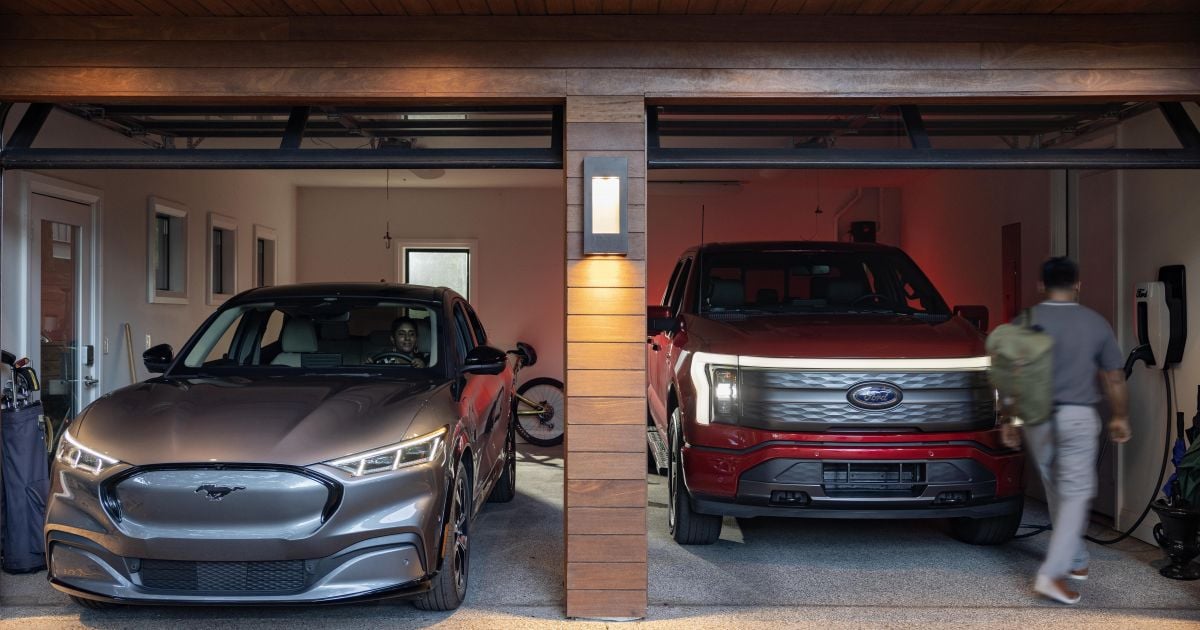
Tesla felt the pinch hardest, with US sales dipping to 39,800 in November—the lowest monthly total this year—down from August’s 55,500 peak. Ford’s EVs, like the Mustang Mach-E, fell 61% to 4,247 units, while Hyundai’s Ioniq models dropped over 55%. Automakers are scaling back: Ford halted F-150 Lightning production, and Nissan paused its Ariya crossover imports amid tariffs and weak demand.
Key US stats underscoring the slump:
- Q3 EV sales: Record 438,487 units, but October: Down to 74,897.
- Luxury EVs hit hardest: High-end models like the Hummer EV stalled, shifting buyers to sub-$40,000 options like Chevy Equinox.
- Losses mounting: Ford’s EV division eyes $5.5 billion red ink for 2025.
Experts at J.D. Power note consumer interest remains—24.2% “very likely” to buy an EV next year—but affordability trumps all without subsidies.
Hybrids Emerge as US Safety Net
As pure EVs falter, hybrids are surging stateside. Hyundai’s hybrid sales jumped 42% in November, offsetting a 57% EV drop and lifting overall electrified sales 8%. This pivot highlights hybrids’ appeal: no charging needed, lower upfront costs, and fuel savings without range anxiety.
The trend mirrors broader caution—only nine of 90 EV models sold over 10,000 units in Q3, with Tesla dominating at 43.1% share. Automakers like GM and Stellantis, bleeding cash on EVs, are glad for fewer luxury sales to stem losses. J.D. Power forecasts 62% of returning EV lessees will stick with electrics, but many more opt for hybrids amid 2026’s influx of affordable models.
Australia’s Electrified Shift: Hybrids Lead the Charge
Down under, the story echoes but with local flavor. Total new vehicle sales through November 2025 hit 1,097,992 units, up slightly, but EVs slipped to 8.5% share from 2024’s levels. Hybrids, however, exploded: Conventional hybrids claimed 17.8% in October (up 25% year-over-year), PHEVs 4.7% (up 95%), with year-to-date hybrid growth at 12% and PHEVs at 137%.
Electrified vehicles now dominate 29.2% of sales, up from 25.6% last year, pushing petrol below 70% for the first time. Toyota leads with 55,282 hybrids sold halfway through 2025, nearly 60% market share, while BYD’s Shark 6 PHEV ute racked up 10,424 units.
Notable Australian figures:
- September quarter: 29,298 BEVs (9.7% record), 49,929 hybrids, 12,460 PHEVs.
- Market forecast: Hybrids to hit 2,710.5 thousand units by 2033, CAGR 25%+.
- November: PHEVs up, with 110 BEV models available but hybrids stealing share.
The New Vehicle Efficiency Standard (NVES), kicking in 2025, tightens CO2 rules, nudging makers toward hybrids without full EV mandates.
Global Echoes: Why US Trends Resonate in Australia
The US slump isn’t isolated—it’s a cautionary tale for export-reliant markets like Australia. Shared challenges like high EV prices (post-subsidy US averages $55,000+) and sparse charging (Australia’s 68:1 EV-to-station ratio) amplify hybrid appeal. Globally, tariffs and policy flips deter pure EV bets, with hybrids offering a bridge: Toyota and Hyundai, thriving in both nations, prioritize them for profitability.
Australia’s ute-heavy culture favors PHEVs like BYD’s Shark 6 (80km electric range), filling gaps where BEVs lag in towing and range. As US firms recalibrate—more hybrids by 2026—expect Aussie lineups to follow, blending local NVES pressures with proven US demand signals.
Barriers Persist: Infrastructure and Affordability Hurdles
Both markets grapple with realities: US range tests show most EVs fall short of claims (e.g., MG4 misses 31%), mirroring Australian Automobile Association trials where Tesla’s Model Y came closest but still 16km shy. Fuel costs (AUD 1.14/liter) and inflation push hybrids as practical picks, but experts warn without faster charging rollout, full electrification stalls.
The US EV market’s 2025 volatility—record highs to Q4 lows—serves as a blueprint for Australia’s path ahead. While BEVs hold steady at 8-9% share, hybrids’ surge to nearly 30% electrified total signals a pragmatic pivot. With NVES enforcing efficiency and global lessons favoring blends, expect hybrids to anchor growth through 2030, balancing emissions cuts with buyer realities. For full VFACTS breakdowns, visit CarExpert’s analysis. Track the buzz on X at FCAI’s sales thread.