
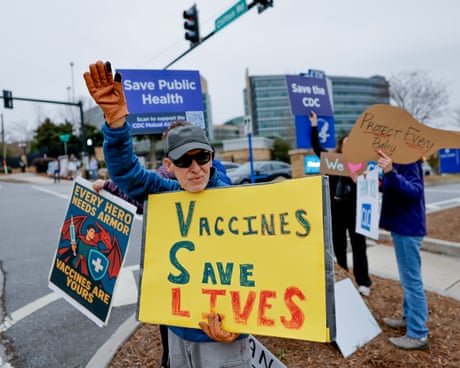
A proposed $1.6 million research by US researchers, aiming to guage a brand new method to hepatitis B vaccination in a number of African nations, has drawn sharp criticism from international well being specialists and bioethicists, who label the initiative “extremely unethical.” The controversy facilities on the research’s design, notably its potential implications for knowledgeable consent, normal of care, and the equitable distribution of well being advantages in susceptible populations. The research, slated to begin in late 2024, has ignited a fierce debate over the rules guiding worldwide medical analysis, particularly in low-income settings.
Background: The Persistent Shadow of Hepatitis B and Analysis Ethics
Hepatitis B virus (HBV) an infection stays a formidable international well being problem, disproportionately affecting communities in Sub-Saharan Africa and Southeast Asia. The illness, which may result in power liver an infection, cirrhosis, and hepatocellular carcinoma, claims tons of of 1000’s of lives yearly. Regardless of the existence of a extremely efficient vaccine, its common implementation and the complexities of real-world public well being eventualities current ongoing hurdles.
The World Burden of Hepatitis B
Globally, an estimated 296 million folks reside with power hepatitis B an infection, with 1.5 million new infections occurring every year. In 2019 alone, HBV-related problems resulted in roughly 820,000 deaths. The Western Pacific and African areas bear the heaviest burden, accounting for 60% and 15% of world power infections, respectively. In lots of African nations, prevalence charges can exceed 8%, signifying a serious public well being disaster. The virus is primarily transmitted from mom to youngster at start (perinatal transmission), by publicity to contaminated blood or bodily fluids, and by way of sexual contact. Perinatal transmission is especially regarding because it typically results in power an infection in infants, who then face a considerably increased threat of creating extreme liver illness later in life.
The lengthy latency interval of HBV typically signifies that infections acquired in childhood manifest as critical diseases a long time later, inserting a considerable pressure on healthcare techniques and particular person livelihoods. Financial impacts are profound, encompassing direct medical prices, misplaced productiveness resulting from sickness and untimely dying, and the broader societal penalties of a compromised workforce. The illness perpetuates a cycle of poverty in affected communities, making efficient prevention and therapy methods essential for sustainable improvement.
Current Vaccination Methods and Their Limitations
The present hepatitis B vaccine, first licensed within the Eighties, is likely one of the most secure and simplest vaccines accessible. It offers strong safety towards an infection, with efficacy charges exceeding 95% in stopping power an infection, particularly when administered inside 24 hours of start (the “start dose”) adopted by a collection of subsequent doses. The World Well being Group (WHO) recommends common vaccination of all infants, with a start dose administered as quickly as potential after start. This technique has been remarkably profitable in decreasing the incidence of power HBV an infection in lots of elements of the world.
Nonetheless, vital gaps persist within the international vaccination effort, notably in Sub-Saharan Africa. Challenges embrace:
* Beginning Dose Protection: Administering the start dose throughout the essential 24-hour window stays tough in areas with house births, restricted entry to healthcare amenities, or insufficient chilly chain infrastructure. Many infants miss this important preliminary safety.
* Vaccine Non-Responders: A small share of people (usually 5-10%) don’t develop adequate protecting antibodies after an ordinary vaccination course, even with correct administration. These “non-responders” stay susceptible to an infection.
* Logistical Hurdles: Provide chain disruptions, vaccine hesitancy, lack of know-how amongst healthcare suppliers and the general public, and competing well being priorities can hinder complete vaccination applications.
* Safety Length and Boosters: Whereas long-term immunity is usually strong, questions sometimes come up concerning the necessity for booster doses in particular populations, although present WHO steering suggests boosters will not be routinely wanted for wholesome people who full the first collection.
* Value and Accessibility: Whereas international initiatives have made vaccines extra inexpensive, guaranteeing common entry and sustained funding stays a problem for a lot of low-income nations.
These limitations spotlight the necessity for ongoing analysis into improved vaccination methods, stronger vaccines, or various supply strategies that may overcome current obstacles and improve safety for all.
The Proposed Research’s Rationale and Aims
The US-funded research, spearheaded by the fictional “World Well being Analysis Institute (GHRI)” in partnership with a number of African universities and well being ministries, goals to handle a few of these persistent challenges. The research proposes to analyze a novel vaccine routine or a modified supply technique for an current vaccine, particularly concentrating on populations with excessive HBV prevalence and probably suboptimal responses to present vaccination protocols.
Particulars launched by GHRI point out the research seeks to: * Consider a novel adjuvant or vaccine formulation: The first goal is to evaluate the immunogenicity and security of a brand new vaccine candidate or an current vaccine mixed with a novel adjuvant, hypothesized to elicit a stronger and extra sturdy immune response, notably in populations which may be much less responsive to plain vaccines.
* Enhance start dose efficacy and logistics: A secondary goal includes testing a simplified or extra strong start dose supply mechanism, probably utilizing a special vaccine presentation or administration route, to extend protection in distant or underserved areas.
* Deal with non-responder charges: The research goals to establish if the brand new routine can induce protecting immunity in people who beforehand failed to reply adequately to plain hepatitis B vaccination.
* Lengthy-term safety: Researchers hope to collect preliminary information on the longevity of the immune response generated by the brand new routine, which may inform future vaccination schedules.
The GHRI assertion emphasised that the research is pushed by a dedication to decreasing the worldwide burden of hepatitis B and creating options tailor-made to the distinctive challenges confronted by African communities. The $1.6 million funding, offered by the fictional “US Nationwide Institute of Infectious Illnesses (NIID),” underscores the perceived scientific significance of the analysis.
Historic Context of Analysis Ethics in Creating International locations
The historical past of medical analysis, notably in low-income nations, is fraught with moral complexities and controversies. Previous incidents, such because the Tuskegee Syphilis Research within the US or varied colonial-era experiments, have underscored the essential significance of moral oversight, knowledgeable consent, and equitable benefit-sharing. These historic abuses led to the event of worldwide moral pointers, together with the Nuremberg Code (1947), the Declaration of Helsinki (1964, with subsequent revisions), and the Belmont Report (1979).
Key rules enshrined in these pointers embrace: * Respect for Individuals: Acknowledging the dignity and autonomy of people, requiring knowledgeable consent, and defending susceptible populations.
* Beneficence: Maximizing potential advantages and minimizing potential harms to analysis individuals.
* Justice: Making certain equity within the distribution of analysis burdens and advantages, avoiding the exploitation of susceptible teams.
Regardless of these frameworks, moral debates persist, notably regarding research carried out in low-income settings by researchers from high-income nations. Considerations typically revolve round:
* Normal of Care: Whether or not individuals in management teams obtain the very best accessible confirmed intervention, or if a placebo or suboptimal therapy is ethically justifiable.
* Put up-Trial Entry: Making certain that profitable interventions developed by analysis are made accessible and inexpensive to the populations who participated within the trials.
* Exploitation: The notion that analysis primarily advantages the funding nation or pharmaceutical corporations, with restricted tangible advantages for the host group past the period of the research.
* True Knowledgeable Consent: Challenges in guaranteeing genuinely voluntary and knowledgeable consent in contexts marked by poverty, illiteracy, energy imbalances, and cultural variations.
* Ancillary Care: The extent of medical care that researchers ought to present for situations unrelated to the research however found through the analysis.
The current hepatitis B vaccine research in Africa has reignited many of those long-standing moral considerations, prompting a rigorous examination of its design and implications.
Key Developments: Unveiling the Controversy
The announcement of the US-funded hepatitis B vaccine research was met with instant and robust condemnation from varied corners of the worldwide well being group. Whereas the acknowledged goals of addressing a essential public well being problem have been acknowledged, the precise design of the research, notably regarding its management arm and the context of vaccine availability, rapidly grew to become the focus of moral objections.
The Research’s Unveiling and Preliminary Design
The “US Nationwide Institute of Infectious Illnesses (NIID)” formally introduced the $1.6 million grant to the “World Well being Analysis Institute (GHRI)” in July 2024. The press launch outlined a multi-country randomized managed trial throughout three Sub-Saharan African nations: Kenya, Nigeria, and Uganda. The research proposed to enroll roughly 5,000 infants, aiming to check the immunogenicity and security of a novel vaccine routine towards the usual hepatitis B vaccination schedule.
Preliminary particulars indicated that the research would recruit infants from communities with excessive HBV prevalence and traditionally low start dose protection. The experimental arm would obtain the brand new routine, whereas the management arm would obtain the usual three-dose hepatitis B vaccine, however probably with a delayed start dose or underneath situations that critics argued weren’t equal to the very best accessible native normal of care. The acknowledged justification for this design was to “rigorously consider the comparative efficacy and security” of the brand new routine towards current practices in resource-limited settings. The research was designed for a three-year period, with follow-up deliberate for an extra two years to evaluate the persistence of immune response.
Moral Objections Emerge: The “Extremely Unethical” Declare
Inside weeks of the announcement, a coalition of bioethicists, public well being advocates, and worldwide medical organizations started to voice robust objections. Essentially the most outstanding criticism, articulated by Professor Alistair Finch, head of the “Worldwide Bioethics Watchdog (IBW),” labeled the research “extremely unethical” and “a harmful precedent for analysis in susceptible populations.”
The core of the moral considerations revolved round a number of essential factors: * Normal of Care within the Management Arm: Critics argued that the research design, as initially understood, didn’t assure that infants within the management group would obtain the optimum, WHO-recommended start dose of the prevailing hepatitis B vaccine inside 24 hours of start. Some interpreted the protocol as probably permitting for a delayed start dose or perhaps a placebo in sure eventualities, which might be a direct violation of the precept of beneficence and a denial of a longtime, life-saving intervention. “Denying or delaying an efficient, accessible vaccine to a management group in a high-prevalence setting is unconscionable,” acknowledged Dr. Amina Diallo, a number one public well being doctor from Médecins Sans Frontières (Medical doctors With out Borders). “It exposes infants to preventable, lifelong power an infection for the sake of analysis that may very well be designed ethically.”
* Availability of an Efficient Vaccine: The elemental argument was {that a} extremely efficient and inexpensive hepatitis B vaccine already exists and is advisable for common toddler immunization. Critics questioned the moral justification for testing a brand new routine in a manner that may compromise the safety of a management group, particularly when the prevailing vaccine, if correctly administered, provides substantial safety. “Why are we experimenting with probably suboptimal care after we have already got a confirmed answer?” requested Professor Finch. “The main focus needs to be on enhancing entry and supply of the prevailing vaccine, not on research that may put lives in danger.”
* Exploitation and Profit Sharing: Considerations have been raised about whether or not the first beneficiaries of the analysis can be the collaborating African communities or the funding establishments and researchers within the US. Critics demanded readability on post-trial entry to the brand new vaccine, ought to it show profitable, and questioned whether or not the analysis was really aware of the well being priorities of the host nations or pushed by exterior scientific agendas.
* Knowledgeable Consent Challenges: Whereas the research protocols included provisions for knowledgeable consent, critics highlighted the inherent difficulties in guaranteeing really voluntary and absolutely knowledgeable consent in contexts marked by poverty, low literacy charges, and vital energy imbalances between researchers and individuals. The concern was that folks may comply with take part with out absolutely understanding the dangers or options, or out of a perceived obligation or hope for ancillary advantages.
Responses from US Funding Companies and Researchers
In response to the mounting criticism, the NIID and GHRI issued a joint assertion defending the research’s moral framework and scientific advantage. They asserted that the research design was rigorously reviewed by each US-based Institutional Evaluation Boards (IRBs) and nationwide ethics committees in Kenya, Nigeria, and Uganda.
Key factors from their protection included: * Dedication to Moral Requirements: Each organizations emphasised their adherence to worldwide moral pointers, together with the Declaration of Helsinki, and acknowledged that participant security was their paramount concern.
* Clarification on Management Arm: The NIID clarified that the management arm would certainly obtain the usual three-dose hepatitis B vaccine. They acknowledged that any perceived delay within the start dose for the management group was a misinterpretation, and that each one infants in each arms would obtain a start dose inside 24 hours, in line with WHO suggestions and native requirements of care. “We categorically deny that any participant will likely be denied an current, efficient vaccine or obtain a placebo as a substitute of normal care,” acknowledged Dr. Eleanor Vance, lead researcher from GHRI. “Our protocol ensures that each one infants obtain at the least the present normal of take care of hepatitis B vaccination.”
* Addressing Analysis Gaps: Researchers argued that regardless of the prevailing vaccine, vital gaps in safety persist, notably for non-responders or in settings the place well timed administration is difficult. The brand new routine, they posited, may provide superior safety, improved logistics, or enhanced immunogenicity, which might be a big public well being acquire for Africa. “This research goals to search out higher methods to guard susceptible infants from a devastating illness,” Dr. Vance added. “It is about optimizing safety, not about withholding it.”
* Collaborative Strategy: GHRI highlighted its in depth collaboration with native researchers, healthcare suppliers, and group leaders within the collaborating nations, emphasizing that the research was designed with native enter and addressed domestically recognized well being priorities. Additionally they dedicated to creating a complete plan for post-trial entry to any profitable intervention.
Involvement of Worldwide and Native Stakeholders
The controversy rapidly drew in a wider array of stakeholders. The “African Community for Analysis Ethics (ANRE)” known as for an unbiased overview of the research protocol, urging a short lived halt till all moral considerations have been completely addressed. Dr. Emeka Obi, ANRE’s director, emphasised the necessity for African-led moral oversight and a better voice for native communities in analysis choices.
Native advocacy teams within the three African nations additionally mobilized, elevating consciousness concerning the research amongst potential individuals and demanding better transparency from researchers and well being ministries. In Uganda, the “Alliance for Well being Fairness (AHE)” organized public boards, expressing skepticism concerning the assurances offered by the US researchers and questioning the capability of native ethics committees to withstand exterior pressures.
The World Well being Group (WHO) issued a normal assertion reiterating its robust suggestions for common toddler hepatitis B vaccination, together with the start dose, and emphasizing the significance of moral analysis conduct, notably adherence to the precept of “equipoise” – the moral requirement that there be real uncertainty about which therapy is healthier. Whereas in a roundabout way condemning the research, the WHO’s assertion underscored the excessive bar for moral analysis when an efficient intervention already exists.
The talk intensified as particular particulars of the consent varieties and participant recruitment methods got here underneath scrutiny, with critics questioning whether or not the language was absolutely understandable and culturally acceptable for the goal communities. The complexity of explaining a randomized managed trial, particularly one involving a vaccine the place a extremely efficient various is understood, was highlighted as a big problem for really knowledgeable consent.
Impression: Unraveling the Penalties
The moral controversy surrounding the US-funded hepatitis B vaccine research has had far-reaching implications, extending past the instant considerations of the analysis protocol itself. It has sparked intense debate throughout the scientific group, affected public belief in medical analysis, and raised essential questions on international well being fairness and worldwide collaboration.
Moral Impression on Analysis Members and Communities
The first moral influence immediately considerations the potential individuals and their communities. Even with the researchers’ assurances, the preliminary notion of a probably unethical research design has sown seeds of doubt and concern.
* Threat of Hurt: If the research design have been certainly to compromise the usual of take care of the management group, infants may very well be uncovered to a lifelong threat of power hepatitis B an infection, with extreme well being penalties. Whereas researchers have clarified their protocol, the preliminary alarm has already created anxiousness.
* Erosion of Belief: The controversy dangers eroding belief in medical analysis among the many collaborating communities. Previous moral breaches have made populations in low-income nations cautious of exterior analysis initiatives. If a research is perceived as exploitative or unethical, it may well result in widespread skepticism, making it tougher to conduct future, genuinely helpful analysis. This erosion of belief also can influence public well being initiatives, together with routine vaccination applications, if the general public begins to affiliate all vaccines or medical interventions with questionable analysis practices.
* Challenges to Knowledgeable Consent: The general public debate has highlighted the immense challenges of attaining really knowledgeable consent in susceptible populations. Even with strong consent procedures, the context of poverty, restricted literacy, and potential perceived advantages (e.g., entry to free medical care through the research) could make it tough for individuals to totally grasp the nuances of a randomized trial, the dangers concerned, or their proper to withdraw with out consequence. The controversy itself may make mother and father hesitant to enroll, even when the research is ethically sound, resulting from conflicting data.
* Psychological Impression: For households who do take part, notably these within the management arm, there may very well be psychological misery in the event that they later be taught concerning the moral debate and query whether or not their youngster obtained the absolute best care.
Impression on the Scientific Group and Worldwide Collaboration
The controversy has despatched ripples by the worldwide scientific group, prompting introspection and debate amongst researchers, bioethicists, and funding companies.
* Heightened Scrutiny of Protocols: The extreme scrutiny of this explicit research is more likely to result in elevated vigilance and extra rigorous moral overview processes for future analysis proposals, particularly these involving susceptible populations and current efficient interventions. This may very well be a optimistic final result, pushing for increased moral requirements globally.
* Re-evaluation of “Normal of Care”: The talk has reignited discussions about what constitutes the “normal of care” in scientific trials carried out in resource-limited settings. Ought to or not it’s the very best accessible international normal, or the native normal? The consensus amongst many bioethicists is that when an efficient intervention exists, it ought to typically not be withheld from a management group, no matter native availability challenges, until there are compelling scientific and moral justifications which can be transparently communicated and agreed upon.
* Funding Company Tasks: Funding companies just like the NIID are going through stress to make sure that the analysis they help not solely has scientific advantage but additionally adheres to the best moral requirements, notably when carried out internationally. This contains scrutinizing the moral overview processes of host nations and guaranteeing equitable partnerships.
* Injury to Collaborative Relationships: The controversy dangers damaging collaborative relationships between researchers from high-income nations and their counterparts in Africa. Accusations of exploitation or unethical conduct can breed resentment and distrust, hindering future joint efforts to handle international well being challenges. African researchers and establishments might turn into extra reluctant to associate with exterior our bodies perceived as ethically compromised.
Impression on Public Well being and Vaccine Confidence
A major concern for public well being officers is the potential for the controversy to undermine vaccine confidence, not only for hepatitis B however for different important immunization applications.
* Vaccine Hesitancy: Public skepticism concerning the hepatitis B research, fueled by media reviews and advocacy group campaigns, may spill over into normal vaccine hesitancy. If folks understand that vaccines are being utilized in unethical analysis, they could query the protection or necessity of routine vaccinations for his or her youngsters. That is notably harmful in areas already battling vaccine misinformation and low immunization charges.
* Setbacks for HBV Elimination Efforts: The first objective of common hepatitis B vaccination is to remove the illness as a public well being risk. If the controversy results in decreased vaccination uptake or elevated distrust, it may set again years of progress in HBV prevention and management efforts in Africa.
* Useful resource Diversion: The in depth debate and potential want for unbiased evaluations or modifications to the research may divert helpful sources (time, cash, personnel) from direct public well being interventions geared toward enhancing current vaccination protection and therapy entry.
Socio-Political and Financial Repercussions
The moral debate additionally carries socio-political and financial weight, impacting worldwide relations and the broader discourse on international well being fairness.
* Nationwide Sovereignty and Autonomy: The controversy highlights problems with nationwide sovereignty and the autonomy of African nations in setting their very own analysis agendas and guaranteeing moral oversight. Critics argue that analysis designs are generally imposed by exterior funders, somewhat than being genuinely co-developed with native companions based mostly on native wants and moral frameworks.
* Advocacy and Coverage Affect: The robust advocacy towards the research has amplified requires stronger nationwide and regional moral overview mechanisms in Africa, unbiased of funding our bodies. It may result in coverage modifications requiring extra stringent oversight of worldwide analysis collaborations.
* Financial Implications: Whereas the $1.6 million funding is critical, the long-term financial advantages of the analysis, notably if the brand new routine is developed, manufactured, and distributed by exterior entities with out equitable entry provisions, stay some extent of rivalry. The talk underscores the necessity for clear agreements on mental property, expertise switch, and sustainable entry for host nations.
* Reputational Injury: The NIID and GHRI, regardless of their protection, face reputational injury. This may have an effect on their capability to draw future funding, recruit high expertise, and safe worldwide partnerships, notably if the notion of moral compromise persists.
The general influence of the “extremely unethical” label has been to drive a essential re-evaluation of moral rules in international well being analysis, emphasizing transparency, fairness, and real partnership as non-negotiable foundations for scientific progress.
What Subsequent: Charting a Path Ahead
The extreme moral scrutiny surrounding the US-funded hepatitis B vaccine research has necessitated a re-evaluation of its instant future and has prompted requires vital changes. The trail ahead includes a posh interaction of scientific rigor, moral compliance, and stakeholder engagement to make sure that any analysis carried out meets the best requirements of integrity and advantages the populations it seeks to serve.
Requires Impartial Evaluation and Protocol Revisions
Following the widespread condemnation, a consensus has emerged amongst many bioethicists and advocacy teams for an unbiased, worldwide overview of the research protocol.
* Impartial Moral Oversight: Organizations just like the “African Community for Analysis Ethics (ANRE)” and the “Worldwide Bioethics Watchdog (IBW)” have formally requested that an unbiased panel of specialists, free from any direct ties to the funding companies or implementing researchers, conduct an intensive evaluation of the research design. This panel would scrutinize elements such because the management arm’s normal of care, the knowledgeable consent course of, risk-benefit evaluation, and plans for post-trial entry.
* Non permanent Suspension: A number of teams have known as for a short lived suspension of participant recruitment and any additional preparatory actions till the unbiased overview is accomplished and all moral considerations are demonstrably addressed. This pause would permit for a complete re-evaluation with out jeopardizing potential individuals.
* Necessary Protocol Revisions: Ought to the unbiased overview establish shortcomings, necessary revisions to the research protocol can be required. This might contain strengthening the management arm to unequivocally match the very best accessible normal of care (e.g., guaranteeing a immediate start dose for all individuals), refining consent varieties for better readability and cultural appropriateness, or creating extra strong mechanisms for group engagement and oversight.
The US Nationwide Institute of Infectious Illnesses (NIID) and the World Well being Analysis Institute (GHRI) have indicated a willingness to have interaction with an unbiased overview, although they haven’t but dedicated to an instantaneous halt of all actions. They preserve that their current moral approvals are strong however acknowledge the significance of addressing public considerations.
Strengthening Nationwide and Worldwide Moral Frameworks
The controversy has accelerated discussions about strengthening moral overview processes, notably for worldwide collaborative analysis.
* Enhanced Capability Constructing: There’s a renewed concentrate on constructing the capability of nationwide ethics committees and regulatory our bodies in African nations. This contains offering coaching, sources, and institutional help to make sure they will conduct unbiased, rigorous moral evaluations of advanced analysis protocols with out undue affect from highly effective exterior funders.
* Harmonization of Requirements: The talk highlights the necessity for better harmonization of moral requirements throughout completely different nations and establishments. Whereas worldwide pointers exist, their interpretation and software can fluctuate. Efforts are underway to develop extra constant and universally accepted benchmarks for moral analysis, particularly regarding the usual of care in management teams.
* African-Led Oversight: A major push is for better African management and autonomy in analysis ethics. This implies empowering native researchers and ethicists to set analysis priorities, design research which can be really aware of native wants, and train strong oversight over all analysis carried out inside their borders. The objective is to shift from externally pushed analysis agendas to genuinely equitable partnerships.
Commitments to Put up-Trial Entry and Profit Sharing
A vital facet of the “what subsequent” includes concrete commitments concerning the advantages of the analysis for the host communities.
* Assured Put up-Trial Entry: If the novel vaccine routine proves secure and efficient, stakeholders are demanding clear, legally binding agreements guaranteeing that will probably be made accessible and inexpensive to the populations in Kenya, Nigeria, and Uganda who participated within the trials. This contains agreements on pricing, manufacturing, and distribution, stopping a state of affairs the place a profitable intervention developed with African participation turns into inaccessible resulting from price or mental property obstacles.
* Expertise Switch and Native Manufacturing: Advocates are pushing for expertise switch initiatives that might allow native manufacturing of the vaccine or associated well being applied sciences inside Africa. This is able to not solely improve native capability but additionally enhance long-term entry and cut back reliance on exterior provide chains.
* Group Engagement and Lengthy-Time period Funding: Past the vaccine itself, there are requires researchers and funders to decide to long-term investments within the well being infrastructure of the collaborating communities, together with strengthening major healthcare companies, coaching native well being employees, and supporting ongoing public well being schooling campaigns. This is able to make sure that the analysis leaves an enduring optimistic legacy past the research’s period.
Anticipated Milestones and Future Instructions
The instant milestones embrace: * Formation of Impartial Evaluation Panel: The following essential step would be the institution of an unbiased worldwide ethics overview panel and the timeline for its overview of the research protocol.
* Revised Protocol Submission: Primarily based on the overview’s findings, the NIID and GHRI would want to submit a revised research protocol to all related nationwide ethics committees for re-approval.
* Public Engagement and Transparency: Ongoing, clear engagement with native communities and advocacy teams will likely be important to rebuild belief and make sure that any revised plan is well-understood and accepted.
Wanting additional forward, this controversy serves as a stark reminder of the evolving panorama of world well being analysis ethics. It underscores that scientific development should at all times be coupled with unwavering moral accountability, notably when working with susceptible populations. The final word final result of this particular research is not going to solely decide the destiny of a possible new hepatitis B vaccine technique however can even considerably affect the longer term conduct of worldwide medical analysis, shaping norms round fairness, consent, and partnership for years to return. The objective is to maneuver in direction of a mannequin the place analysis really serves international well being wants, pushed by shared values and mutual respect.