

JD Vance Refuses to Set ‘Red Lines’ on Bigotry Amid GOP Infighting at Turning Point USA’s AmericaFest
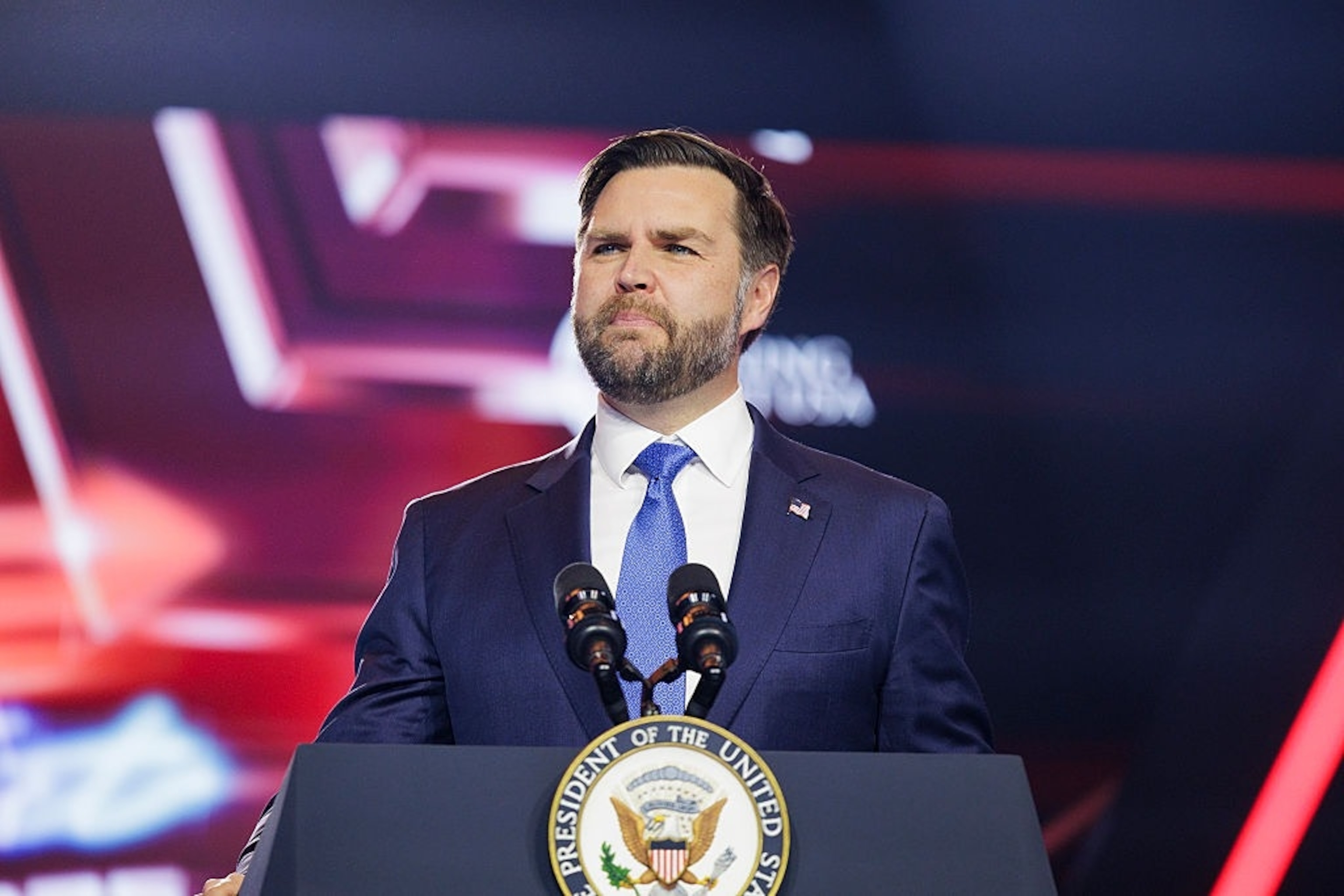
Hey there! If you’ve been following the post-election buzz in conservative circles, you might have caught wind of the drama unfolding at Turning Point USA’s AmericaFest 2025 in Phoenix this weekend. Vice President JD Vance closed out the event on Sunday, December 21, with a speech that sidestepped the heated debates over antisemitism and bigotry roiling the Republican Party. Instead of drawing clear boundaries—or “red lines”—against controversial figures, Vance emphasized unity and openness, as long as folks “love America.” It’s a move that’s sparking conversations about the future of the MAGA movement, especially with 2028 on the horizon. Let’s break it down, including the context, key quotes, and what it all means.
The Backdrop: A Weekend of Conservative Clashes
AmericaFest, hosted by Turning Point USA (founded by the late Charlie Kirk), drew thousands of young conservatives, influencers, and GOP heavyweights for panels, speeches, and networking. But this year’s event was overshadowed by internal feuds, particularly around antisemitism, Israel’s role in U.S. policy, and whether the movement should platform or exclude bigoted voices.
The spark? Figures like Nick Fuentes—a far-right podcaster known for Holocaust denial and white nationalist views—and Candace Owens, who’s been accused of promoting antisemitic conspiracy theories. Tucker Carlson, a prominent conservative commentator, recently hosted Fuentes on his podcast, drawing sharp criticism from others like Ben Shapiro, who called out “charlatans” and “grifters” trafficking in “conspiracism.” Shapiro didn’t name names but made it clear he was targeting those giving platforms to antisemites. Carlson fired back, dismissing the drama as “totally fake” and defending the idea of open dialogue.
This isn’t just infighting—it’s a preview of the battles ahead as the GOP figures out its identity post-Trump, who can’t run again in 2028. With Vance often floated as a potential successor (Trump himself called him the “favorite” recently), his stance here matters.
Vance’s Speech: Unity Over ‘Purity Tests’
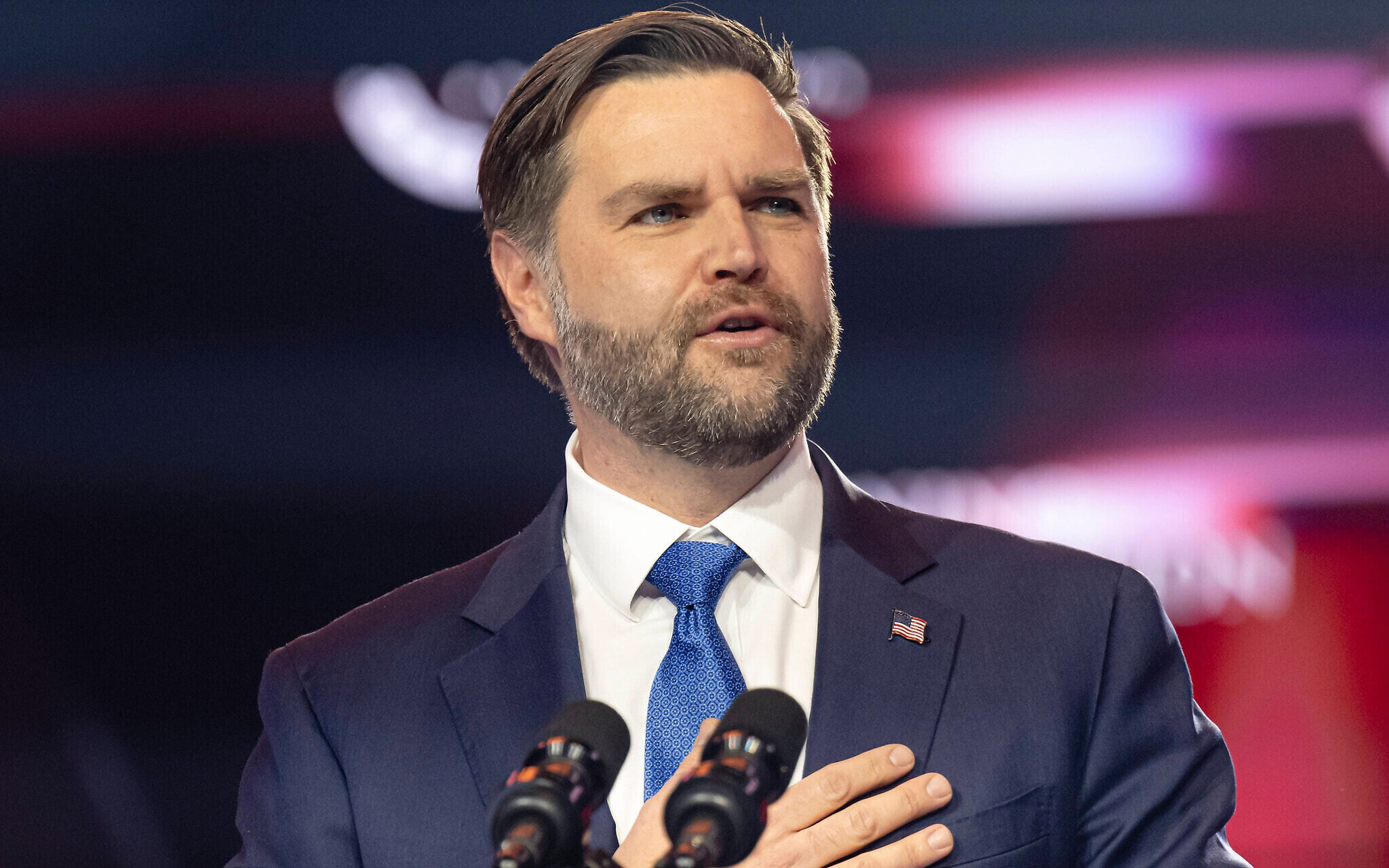
Vance, speaking for about 30 minutes, acknowledged the controversies but refused to condemn specific individuals or set firm boundaries against bigotry. He positioned himself against “purity tests,” saying, “I didn’t bring a list of conservatives to denounce or to de-platform.” Instead, he called for a big-tent approach: “We don’t care if you’re white or black, rich or poor, young or old, rural or urban, controversial or a little bit boring, or somewhere in between.”
He doubled down on cultural themes, declaring, “In the United States of America, you don’t have to apologize for being white anymore,” and affirming that “The U.S. always will be a Christian nation,” describing Christianity as “America’s creed.” Vance urged the crowd to focus on policy wins like border security, economic growth, and scrapping DEI (diversity, equity, and inclusion) programs, which he said were now in the “dustbin of history.” “We have far more important work to do than canceling each other,” he added.
Vance also paid tribute to Charlie Kirk, who was assassinated earlier this year, noting his personal role in handling Kirk’s remains and praising Turning Point’s volunteer network. The event even featured a surprise appearance by Nicki Minaj, who gushed about Trump and Vance.
Reactions: Cheers from Fans, Concerns from Critics
Attendees largely cheered Vance’s message. Young supporters like 18-year-old Isaiah White-Diller from Arizona backed Vance for president, appreciating the emphasis on free speech and Christian values. Emily Meck, also 18, from New York, liked the space for disagreement: “It’s really good to have a place where people can disagree and have their own thoughts.”
Turning Point spokesperson Andrew Kolvet framed the discord positively: “We’re not hive-minded commies… Let it play out.” But critics see it as a reluctance to confront extremism, potentially alienating moderate Republicans or Jewish conservatives amid rising antisemitism debates.
On social media, the story’s gaining traction, with shares from news outlets highlighting Vance’s stance as a refusal to draw lines against bigotry. It’s fueling speculation about Vance’s 2028 prospects—Turning Point endorsed him as Trump’s heir, and with rivals like Marco Rubio in the mix, navigating these divides will be key.
What Does This Mean for the GOP?
This episode underscores the challenges ahead for Republicans: Holding together a coalition that includes mainstream conservatives, MAGA die-hards, and fringe elements without imploding. Vance’s approach—prioritizing patriotism over ideological purity—might appeal to Trump’s base but risks broader backlash if bigotry goes unchecked. As one observer put it, it’s “healthy debate” for now, but it could foreshadow a messy primary season.
If you’re into politics, this is one to watch—Vance is betting on inclusivity (of a sort) to build momentum. What do you think: Smart strategy or risky move? Let me know! 😎