
‘We Can Only Guess’: 9th Circuit Rejects SCOTUS Stay’s Sway in Venezuela TPS Battle
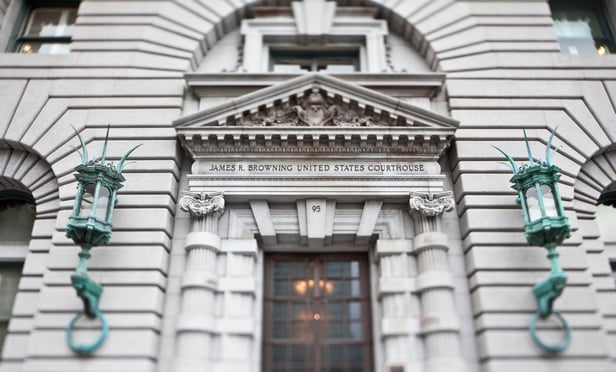
In a sharp rebuke to the Trump administration’s immigration crackdown, the 9th Circuit Court of Appeals ruled that a cryptic Supreme Court stay from May 2025 holds no weight in a challenge to protect Temporary Protected Status (TPS) for nearly half a million Venezuelans. Issued on August 29, 2025, this decision exposes tensions over judicial overreach and keeps TPS recipients in a precarious limbo, spotlighting America’s immigration policy tug-of-war.
9th Circuit’s Defiant Ruling: DHS Oversteps Statutory Bounds
A unanimous panel, led by Judge Kim McLane Wardlaw, upheld U.S. District Judge Edward Chen’s March 2025 injunction blocking Homeland Security Secretary Kristi Noem’s attempt to scrap a Biden-era TPS extension for Venezuelans. The court ruled that the TPS statute (8 U.S.C. § 1254a) limits DHS to designating, extending, or terminating TPS based on country conditions—not vacating prior valid designations on vague grounds like “national interest.”
Noem’s February 2025 notices aimed to end the 2023 redesignation and limit 2021 TPS holders to September 10, 2025, citing alleged Venezuelan stabilization and administrative “confusion.” Wardlaw called this a “political” overreach, violating the Administrative Procedure Act and Congress’s intent for a stable TPS framework. The panel emphasized irreparable harm—deportation risks to a crisis-racked Venezuela—tipping the scales for plaintiffs.
Yet, a SCOTUS stay (No. 24A1059) keeps Noem’s termination active, freezing Chen’s order extending TPS to October 2026.
The Shadow Docket Puzzle: SCOTUS Silence Sparks Frustration
The 9th Circuit didn’t mince words on the Supreme Court’s unexplained stay. “We can only guess” its intent, Wardlaw wrote, dismissing the government’s claim that it signals a likely reversal. Shadow docket orders—emergency rulings without full briefing—don’t bind merits decisions, the panel stressed, citing Labrador v. Poe (2024).
This reflects growing unease with SCOTUS’s opaque interventions, criticized for shaping policy without transparency. Chen’s final order on September 5, 2025, reaffirmed the extension, but the stay—granted after a DOJ appeal—holds firm, leaving TPS holders vulnerable.
Venezuela TPS: A Lifeline Caught in Political Crossfire
TPS shields nationals from unsafe countries from deportation, offering work permits. Venezuela’s program, launched in 2021 under Trump and expanded by Biden in 2023, protects ~472,000 from a nation reeling under economic collapse and violence. Biden’s January 2025 redesignation extended coverage to October 2026, but Noem’s reversal aligns with Trump’s mass deportation rhetoric, targeting “costly” migrants.
The National TPS Alliance and ACLU sued in March 2025, alleging arbitrary action. This case joins battles over TPS for Haiti and El Salvador, where courts have curbed executive overreach since Ramos v. Nielsen (2018).
Voices from the Ground: Relief and Resolve
Advocates cheered the ruling. ACLU’s Ahilan Arulanantham called it a “vital check on unlawful policy,” while TPS holder Freddy Arape said, “This gives us hope to keep contributing.” The National TPS Alliance rallied supporters, noting 600,000 Venezuelans bolster U.S. communities.
The DOJ vowed to press for certiorari, arguing TPS flexibility is executive prerogative. Immigration scholar Stephen Yale-Loehr warned the stay’s persistence delays relief, with deportations looming if SCOTUS sides with DHS. On X, #ProtectTPS trended, with posts like: “Venezuelans are our nurses, builders—stop the cruelty!”
Why It Matters to Americans: Jobs, Families, and Policy Fights
This case hits U.S. wallets and values. Venezuelan TPS holders add $20 billion annually to GDP, filling jobs in healthcare and construction amid 4.1% unemployment. Deportations could spike labor costs, raising prices for goods and services.
Lifestyle impacts are stark: Mixed-status families face separation, with 100,000 U.S.-citizen kids at risk of losing parents. Politically, it fuels 2026 midterm battles, with Democrats pushing TPS permanence and Republicans eyeing border crackdowns. Technologically, it questions AI-driven immigration tools, urging ethical oversight. Economically, remittances—$4 billion to Venezuela—could dry up, destabilizing allies.
Outlook: A Fragile Lifeline Awaits Clarity
The 9th Circuit’s ruling, shrugging off the SCOTUS stay in the Venezuela TPS case, reaffirms judicial checks on executive power but leaves beneficiaries dangling until the stay lifts. With 9th Circuit Venezuela TPS, SCOTUS shadow docket, Kristi Noem TPS, Temporary Protected Status 2025, and immigration policy reform trending, this fight tests America’s commitment to its immigrant backbone. A looming SCOTUS appeal could seal TPS’s fate—either as a humanitarian cornerstone or a political casualty.
9th Circuit TPS Venezuela ruling, SCOTUS shadow docket stay, Kristi Noem TPS termination, Temporary Protected Status Venezuelans, National TPS Alliance lawsuit, immigration policy reform 2025, DHS TPS vacatur challenge, Venezuelan deportation risks, Biden TPS extension, ACLU immigration lawsuit