
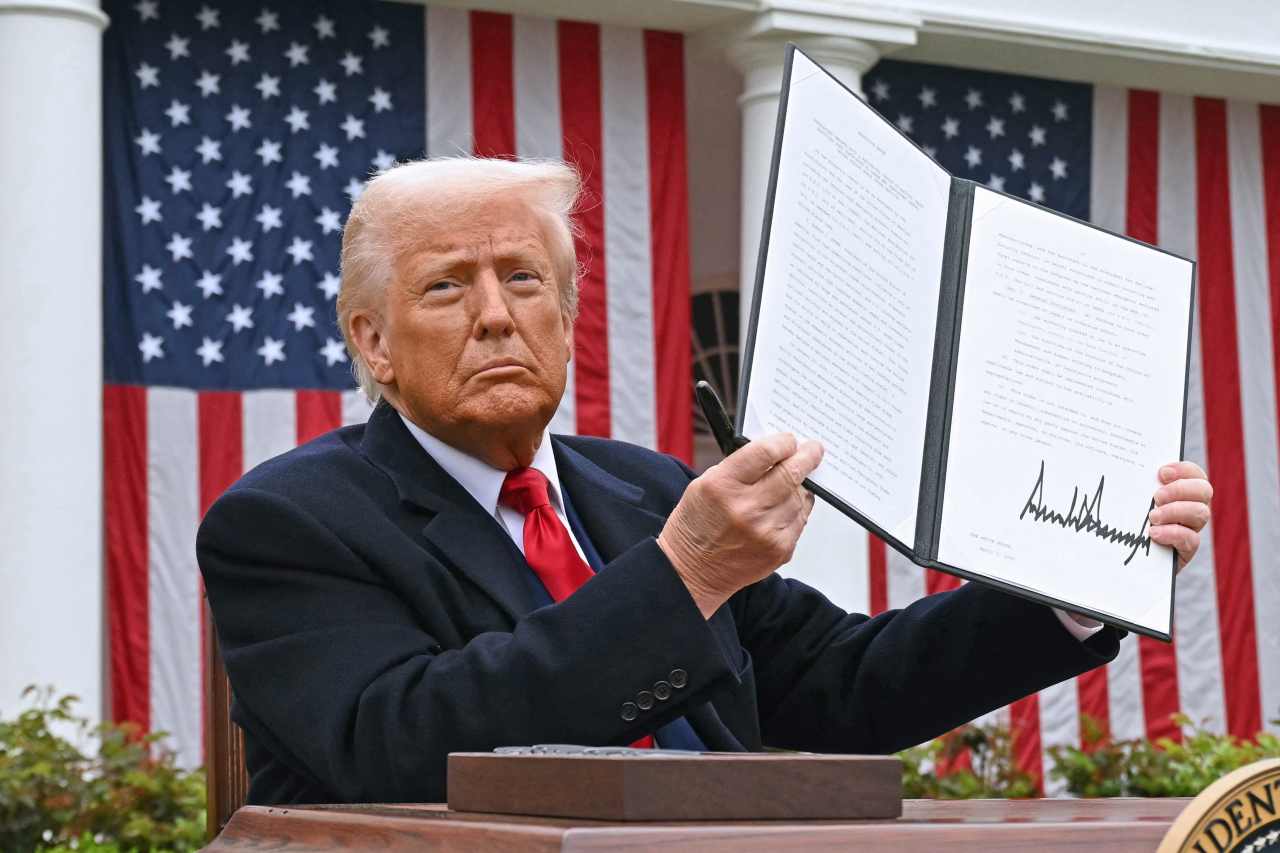
Tariff Revenue Collected in 2025
As of July 25, 2025, the U.S. Treasury Department reported that tariff collections for the 2025 fiscal year reached a record $150 billion, with $28 billion collected in July alone, surpassing the previous monthly record of $27 billion in June. This represents a significant increase from the $49.3 billion collected in the same period of fiscal year 2024, with tariff revenue now accounting for approximately 5% of federal revenue, up from a historical 2%. Earlier in the year, April saw $15.9 billion collected, May hit a record $22.2 billion, and June quadrupled the previous year’s June total to $26.6 billion net after refunds. Treasury Secretary Scott Bessent has projected that annual collections could reach $300 billion by the end of 2025 if the current pace continues, though some analysts, like Yale’s Ernie Tedeschi, suggest monthly collections might peak at $37 billion after businesses exhaust stockpiles and higher “reciprocal” tariffs kick in post-August 1.
Where the Tariff Money Goes
Tariff revenue, paid by U.S. importers, flows into the U.S. Department of the Treasury’s general fund, where it can be allocated for any federal expenditure, such as infrastructure, defense, or social programs. Economists note that this revenue is fungible, meaning it’s not earmarked for specific purposes unless explicitly legislated. During Trump’s first term, for example, $28 billion in tariff revenue was used to compensate U.S. farmers affected by China’s retaliatory tariffs, suggesting a precedent for targeted relief.
President Trump has outlined several potential uses for the tariff revenue, though no specific legislation has been passed to direct these funds as of August 1, 2025:
- Rebate Checks for Americans: On July 25, 2025, Trump announced he is considering issuing rebate checks to Americans funded by tariff revenue, describing it as a “little rebate” to offset rising consumer costs. He emphasized, however, that his primary goal is to reduce the federal debt, which exceeds $36 trillion. No details on the rebate amount, eligibility, or timeline have been confirmed.
- Reducing Federal Debt: Trump and his administration have highlighted tariffs as a tool to address the federal deficit and debt. The Congressional Budget Office (CBO) projects that if current tariffs remain in place for a decade, they could reduce the federal debt by $2.8 trillion, though this assumes no retaliatory trade disruptions.
- Offsetting Tax Cuts: Trump has proposed using tariff revenue to fund tax cuts, including those in the “One Big Beautiful Bill Act” signed on July 4, 2025, which includes new tax breaks but no tariff-based rebates. He has also floated the idea of replacing federal income taxes with tariffs, though analysts estimate this would require an unsustainable 74% average tariff rate, far exceeding the current 18.4% average as of July 2025. The Committee for a Responsible Federal Budget estimates that tariffs could raise $1.3 trillion by 2035 if made permanent, but this falls short of the $4 trillion cost of extending Trump’s 2017 tax cuts.
- Subsidizing Affected Sectors: Economists suggest that some revenue might be used to mitigate the economic fallout from retaliatory tariffs, as seen in 2018 with farmer relief. Sectors like agriculture, automotive, and manufacturing, hit by retaliatory tariffs from China, Canada, and the EU affecting $330 billion in U.S. exports, could require similar support.
- Promoting Domestic Manufacturing: Trump’s administration argues that tariffs will boost U.S. manufacturing by reducing trade deficits, with revenue indirectly supporting this goal through economic growth. However, no direct allocation for manufacturing subsidies has been specified.
Trump’s Statements and Claims
Trump has frequently touted tariffs as a major revenue source, sometimes exaggerating their impact. On April 14, 2025, he claimed tariffs were generating $3 billion daily, but Treasury data showed a daily average of $918 million in April. On June 11, he stated that $88 billion was collected in two months, but the actual total from October 2024 to May 2025 was $81.4 billion, covering a longer period and including time under the Biden administration. More recently, on April 25, Trump claimed tariffs were bringing in $2 billion daily, but the actual figure was $285 million per day, with a monthly total of $16.1 billion in April. These discrepancies highlight Trump’s tendency to overstate short-term revenue to underscore his trade policy’s success.
Trump has framed tariffs as a tool to “make America wealthy again,” linking them to economic sovereignty, job creation, and national security. He has also tied tariffs to non-trade issues, such as curbing illegal immigration and fentanyl smuggling from Mexico, Canada, and China, suggesting revenue could indirectly support border security or public health initiatives. On July 26, 2025, he reiterated his focus on using tariffs to fund government operations while reducing reliance on income taxes, though economists remain skeptical of their long-term viability due to potential reductions in import volumes.
Economic Context and Challenges
While tariffs have boosted federal revenue, they come with trade-offs. The Penn Wharton Budget Model estimates that tariffs as of April 8, 2025, could raise $5.2 trillion over a decade but reduce GDP by 6% and wages by 5%, with a $22,000 lifetime loss for middle-income households. The Tax Foundation projects an average tax increase of $1,270 per household in 2025, as importers pass costs to consumers. Retaliatory tariffs from China, Canada, and the EU, coupled with reduced import demand, could shrink revenue over time, as seen in historical trade wars. The Federal Reserve and OECD have downgraded 2025 GDP forecasts to 1.7% and 2.2%, respectively, citing tariff-related uncertainty.
In summary, Trump’s tariffs have generated $150 billion in 2025 so far, with projections of up to $300 billion annually. The revenue enters the general fund, with Trump proposing uses like rebates, debt reduction, tax cut offsets, and sector relief, though no specific allocations are confirmed. His claims often inflate the figures, and while tariffs provide short-term revenue, their long-term economic impact remains contentious.