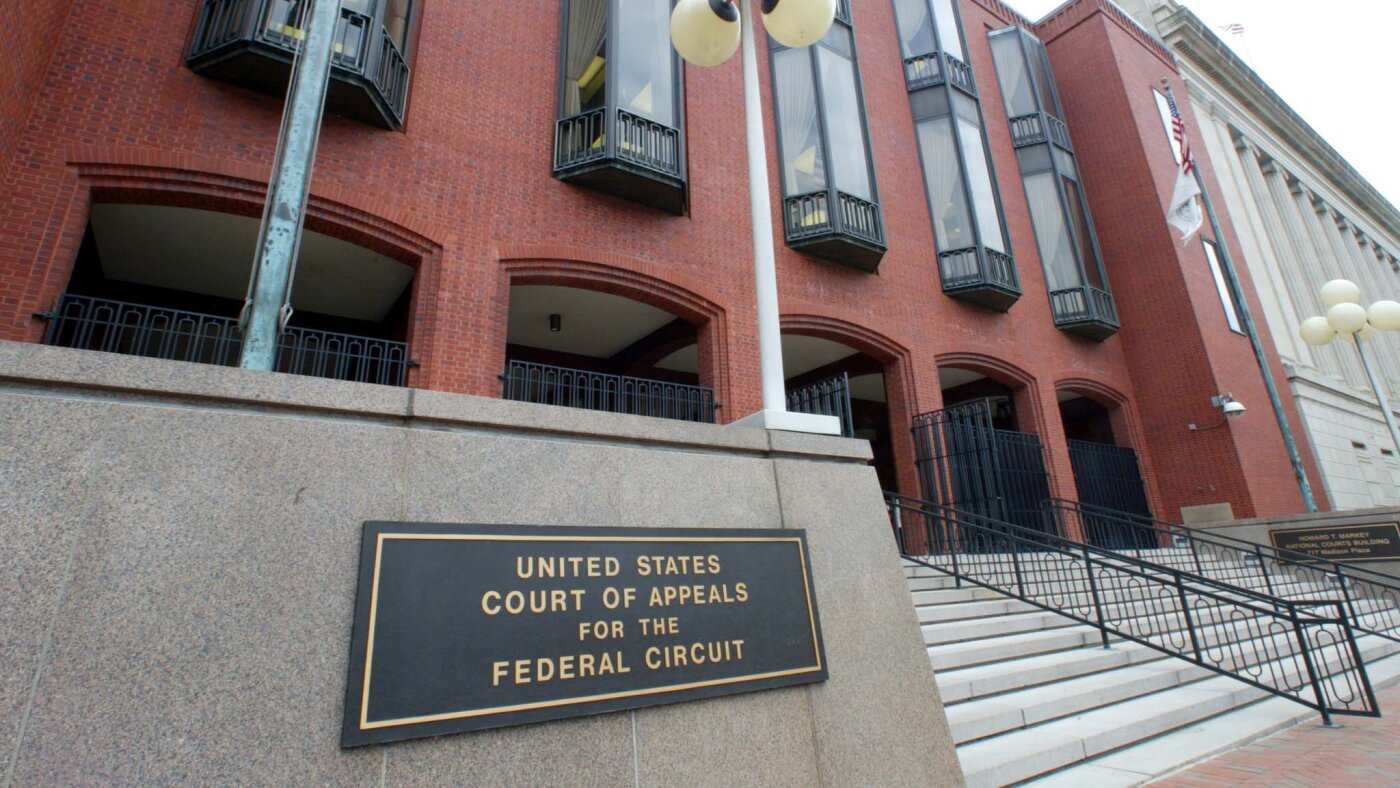
98-Year-Old Federal Judge Demands Supreme Court Give Her Job Back
A 98-year-old federal judge is grabbing national attention as Pauline Newman, the oldest active federal judge, files a bold Supreme Court petition to end her federal judge suspension and reclaim her seat on the bench. The high-stakes case centers on judicial independence, lifetime tenure federal judges, and whether colleagues can sideline a veteran jurist without clear constitutional authority.
At nearly 99, Judge Pauline Newman refuses to fade away quietly. On March 12, 2026, she asked the U.S. Supreme Court to step in and lift a suspension that has kept her off the Federal Circuit bench for nearly three years — one of the longest such removals in modern history.
The dispute began in 2023 when the U.S. Court of Appeals for the Federal Circuit’s judicial council raised concerns about Newman’s mental fitness. Colleagues cited reports of memory issues and confusion. They ordered neuropsychological evaluations as part of a formal investigation under the Judicial Conduct and Disability Act of 1980. Newman declined the tests. She insisted she remains fully capable and has passed independent cognitive exams from three different doctors.
Instead of complying, she fought back. Newman sued in federal district court, arguing the suspension amounts to an unconstitutional “removal” from her lifetime appointment — a power the Constitution reserves solely for Congress through impeachment. Lower courts dismissed her challenge, citing limits on judicial review of council orders. The D.C. Circuit and the Judicial Conference of the United States upheld the sanctions as recently as March 24, 2026.
Yet Newman and her legal team from the New Civil Liberties Alliance (NCLA) say the council went too far. Their Supreme Court petition frames two key questions: Does the law’s bar on reviewing council orders protect ultra vires actions that exceed statutory authority? And can judges still seek forward-looking relief to stop future unlawful suspensions?
Newman, appointed by President Ronald Reagan in 1984, brings a remarkable résumé to the fight. A New York native born in 1927, she earned degrees from Vassar College, Columbia University, Yale, and New York University School of Law. Before joining the bench, she worked as a research scientist, patent attorney, and corporate counsel. On the Federal Circuit — the nation’s premier court for patent and intellectual property appeals — she has shaped rulings that influence America’s tech economy, innovation, and global competitiveness for more than four decades.
Her lawyers argue the indefinite suspension violates the Act’s requirement for only “temporary” measures. They call it “bullying” designed to force retirement or senior status. “This is not what the Constitution intended,” Newman’s team has stated, warning that unchecked internal discipline threatens every federal judge’s independence.
Legal experts are divided but agree the case highlights growing tension in the judiciary. With lifetime appointments under Article III, federal judges serve as long as they maintain “good behavior.” But as the bench ages — average age now well into the 60s — questions about fitness, retirement, and accountability grow louder. Some observers see Newman’s stand as a principled defense against age discrimination. Others view it as a necessary safeguard to ensure courts function effectively for the American people.
The implications reach far beyond one courtroom. A Supreme Court decision to hear the case could clarify limits on judicial councils nationwide. It might affect how the federal system handles aging judges, influence public trust in the courts, and even touch everyday issues like patent disputes that drive jobs, technology, and economic growth. For U.S. readers, this isn’t abstract legal drama — it’s about whether lifetime tenure still serves justice or risks becoming a shield against reasonable oversight.
Newman has continued drawing her full salary and maintains her office and staff, but she cannot hear cases or participate in decisions. She calls the situation a violation of due process and a dangerous precedent that could let chief judges sideline colleagues they disagree with.
As the Supreme Court considers whether to add the petition to its docket — a long shot, given the justices accept only a small fraction of requests — the case has sparked fresh debate about the balance between judicial independence and accountability. Supporters of Newman emphasize that she has dedicated her life to public service and deserves a fair hearing. Critics of the suspension worry it sets a troubling example for future generations of judges.
Whatever the outcome, Pauline Newman’s determined fight underscores deeper questions facing America’s courts in 2026: How do we honor lifetime appointments while protecting the public’s right to competent, capable justice? The 98-year-old federal judge Pauline Newman Supreme Court petition, the federal judge suspension of the oldest active federal judge, and the broader fight over judicial independence and lifetime tenure federal judges could shape those answers for years to come.
By Sam Michael Follow us on X @realnewshubs and subscribe for push notifications
Follow and subscribe us for push notifications to never miss breaking updates.