
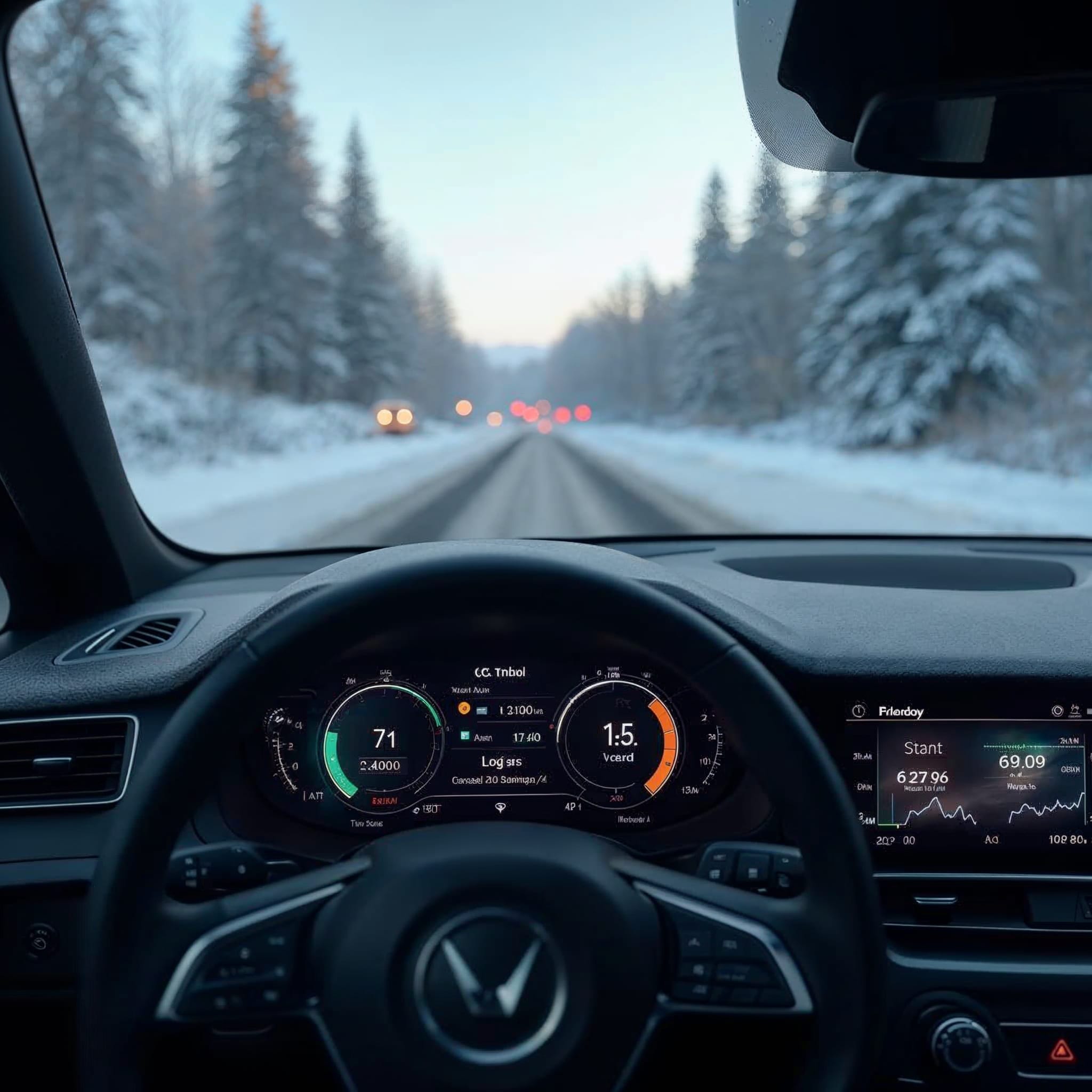
As the mercury drops and winter tightens its icy grip, many hybrid electric vehicle owners notice an undeniable dip in their beloved car’s fuel economy. That impressive mileage figure you boasted about during warmer months seems to shrink, leaving you wondering if your eco-friendly investment is truly paying off. The good news is, this phenomenon is entirely normal and, more importantly, largely manageable. Cold weather poses unique challenges for hybrids, affecting everything from battery performance to engine warm-up cycles. However, with the right knowledge and a few clever hacks, you can significantly mitigate these effects and keep your hybrid running efficiently, even in the most frigid conditions. This comprehensive guide will delve into the intricacies of winter driving for hybrids, offering practical, actionable advice to help you maintain optimal fuel economy, enhance safety, and extend the life of your vehicle’s critical components.
We will explore the underlying reasons why cold impacts hybrids differently, uncover essential pre-drive preparations, detail smart driving techniques, and discuss crucial maintenance considerations. From understanding your hybrid’s unique systems to adopting energy-saving habits, you will find a wealth of information designed to empower you. Prepare to transform your winter driving experience from a struggle against declining efficiency into a masterclass in fuel economy preservation. Let us embark on a journey to unlock your hybrid’s full potential, even when the thermometer plummets.
Understanding How Cold Weather Affects Your Hybrid’s Performance and Fuel Economy
Before diving into solutions, it is crucial to grasp why cold weather presents such a formidable challenge to a hybrid’s celebrated fuel economy. Unlike conventional gasoline vehicles, hybrids rely on a delicate dance between their internal combustion engine (ICE) and electric motor, orchestrated by a sophisticated battery pack. Each of these components, along with other vehicle systems, reacts uniquely to sub-zero temperatures, leading to a noticeable reduction in overall efficiency.
The Impact on the Hybrid Battery System
The core of a hybrid’s efficiency lies in its high-voltage battery. These batteries, typically lithium-ion or nickel-metal hydride, are engineered to operate within an optimal temperature range. When temperatures fall significantly below freezing, several adverse effects come into play:
- Reduced Energy Capacity: Cold dramatically diminishes a battery’s ability to store and release energy. Imagine trying to run a marathon in freezing conditions; your body simply cannot perform at its peak. Similarly, a cold battery cannot hold as much charge nor deliver power as effectively. This means less pure electric driving range and a quicker transition to the gasoline engine.
- Slower Charging and Discharging Rates: The chemical reactions within the battery cells slow down in the cold. This affects both how quickly the battery can accept a charge from regenerative braking and how quickly it can discharge power to assist the engine or drive the vehicle purely electrically. The system prioritizes battery protection, meaning it might limit power input and output to prevent damage.
- Increased Internal Resistance: Cold causes the electrolyte within the battery to become thicker, increasing internal resistance. This means more energy is lost as heat during charging and discharging, further reducing efficiency and making the battery work harder for the same output.
- Limited Regenerative Braking: Regenerative braking, a cornerstone of hybrid efficiency, becomes less effective. A cold battery cannot accept a full charge rapidly, so the vehicle might resort to more traditional friction braking, wasting kinetic energy that would otherwise be converted back into electricity. This is a significant factor in reduced winter fuel economy.
Engine Warm-up Cycles and Auxiliary Systems
The internal combustion engine in a hybrid plays a more prominent role in cold weather, which directly impacts fuel consumption:
- Extended Warm-up Periods: For efficient operation and emissions control, an internal combustion engine needs to reach its optimal operating temperature. In cold weather, it takes much longer for the engine to warm up. During this period, the engine runs richer (consumes more fuel) and often stays on for extended durations, even at a standstill, specifically to generate heat for the cabin and to warm itself to operating temperature. This is often referred to as the “warm-up tax.”
- Increased HVAC Demand: Unlike the waste heat from a conventional engine that readily warms the cabin, hybrids often rely on electric heaters or dedicated engine cycles to generate cabin heat. Electric resistive heaters, while effective, draw significant power directly from the battery, thereby reducing the available electric range and forcing the engine to run more frequently to recharge the battery.
- Thicker Fluids: Engine oil, transmission fluid, and even power steering fluid (if applicable) become thicker and more viscous in cold temperatures. This increases drag and resistance within the engine and drivetrain components, requiring more energy to move the vehicle. It is like trying to stir cold molasses compared to warm water.
Tire Pressure and Aerodynamics
Even factors external to the powertrain contribute to reduced efficiency:
- Tire Pressure Drop: For every 10-degree Fahrenheit (approx. 5.5-degree Celsius) drop in ambient temperature, tire pressure can decrease by about 1 PSI. Underinflated tires have increased rolling resistance, meaning the engine and motor have to work harder to maintain speed, directly impacting fuel economy.
- Aerodynamic Drag: While not directly a cold weather phenomenon, winter often brings snow, ice, and slush that can accumulate on the vehicle’s exterior. This accumulation can slightly alter the car’s aerodynamics, leading to minor increases in drag. Furthermore, driving through snow or slush requires more power, akin to driving through deep sand.
Understanding these intertwined challenges provides the foundation for adopting the hacks and strategies we will discuss. It is not just one factor, but a combination of several, that conspires against your hybrid’s efficiency when winter arrives.
Pre-Drive Preparations for Optimal Cold Weather Performance
Proactive preparation before you even turn the key can make a substantial difference in your hybrid’s winter fuel economy and overall reliability. These steps focus on minimizing the initial cold shock to the vehicle’s systems and ensuring everything is ready to perform its best.
Strategic Parking and Battery Management
Where you park your hybrid can be a surprisingly effective hack for cold weather efficiency:
- Park in a Garage or Covered Area: This is perhaps the simplest yet most impactful strategy. Parking in an insulated garage, even one that is unheated, can keep your vehicle several degrees warmer than the outside air. This slight temperature difference can be enough to significantly improve battery performance upon startup, reduce the engine’s warm-up time, and prevent fluids from becoming excessively viscous. If a garage is not an option, parking under a carport or even close to a building can offer some protection from direct wind and extreme cold. The less extreme the temperature drop for the battery, the better it will perform.
- Consider a Block Heater (If Applicable): Some hybrids, especially those in extremely cold climates, might benefit from a block heater for the internal combustion engine. This accessory, which plugs into a standard electrical outlet, pre-warms the engine’s coolant and oil. A pre-warmed engine starts more easily, reaches optimal operating temperature faster, and runs more efficiently from the outset, reducing that initial “warm-up tax.” Consult your vehicle’s manual or a certified mechanic to see if a block heater is available and recommended for your specific hybrid model.
- Pre-conditioning (PHEVs and some HEVs): For Plug-in Hybrid Electric Vehicles (PHEVs) or some advanced Hybrid Electric Vehicles (HEVs) with remote start or app-based features, pre-conditioning the cabin and battery while still plugged into a charger is a game-changer. This allows the vehicle to draw power directly from the electrical grid to warm the battery and the interior, rather than using precious battery power or forcing the engine to run solely for heat. This ensures you start your journey with a warm cabin and a battery already at a more optimal temperature, ready to deliver peak performance and electric range.
Meticulous Tire Care
Your tires are the only contact point with the road, and their condition and pressure are paramount for both safety and efficiency:
- Regular Tire Pressure Checks: As discussed, tire pressure drops in cold weather. It is critical to check your tire pressure at least once a month, or even weekly during extreme cold snaps, using an accurate gauge. Inflate your tires to the manufacturer’s recommended PSI (found on a sticker inside your driver’s side door jamb, not on the tire sidewall itself) when the tires are cold. Properly inflated tires reduce rolling resistance, which translates directly into better fuel economy and improved handling. Do not solely rely on your vehicle’s Tire Pressure Monitoring System (TPMS) warning light, as it typically only illuminates when pressure is significantly low.
- Consider Winter Tires: While an investment, dedicated winter tires offer superior grip, braking performance, and handling on snow and ice compared to all-season tires. Their softer rubber compounds remain flexible in cold temperatures, and their aggressive tread patterns are designed to bite into snow and slush. While they might slightly increase rolling resistance on dry pavement compared to summer tires, the safety and performance benefits in true winter conditions often outweigh this minor efficiency trade-off. For hybrids, the enhanced grip can also indirectly aid regenerative braking by providing more stable traction.
Fluid Checks and Engine Health
Ensure your vehicle’s vital fluids are in optimal condition for cold weather operation:
- Engine Oil Viscosity: Modern hybrids typically recommend low-viscosity synthetic oils, such as 0W-20. The “W” stands for winter, and the first number indicates the oil’s viscosity at cold temperatures. A lower number means the oil flows more easily when cold, reducing friction during startup and warm-up. Always use the manufacturer-recommended oil type and weight. If you live in an exceptionally cold region, discuss oil options with your mechanic.
- Coolant Levels and Strength: Ensure your engine’s coolant (antifreeze) is at the proper level and has the correct mixture ratio. This prevents the coolant from freezing in extreme cold, which can cause severe engine damage. A simple hydrometer test can verify the antifreeze protection level.
- Windshield Washer Fluid: This might seem minor, but clear visibility is critical for safety. Use only winter-specific washer fluid that is rated for sub-zero temperatures to prevent it from freezing in the reservoir or on the windshield.
By taking these preparatory steps, you establish a solid foundation for your hybrid to face winter’s challenges with resilience, helping to preserve its efficiency and prolong its lifespan.
Smart Driving Techniques to Maximize Efficiency in Cold Weather
Once your hybrid is prepared for the cold, your driving habits become the next critical factor in preserving fuel economy. Adopting a mindful and strategic approach behind the wheel can significantly reduce the impact of winter on your hybrid’s performance.
Gentle Acceleration and Braking: The Hybrid Mantra
This principle is always important for hybrids, but it becomes even more critical in winter:
- Smooth Acceleration: Avoid heavy-footed acceleration. Rapid acceleration forces the internal combustion engine to kick in more frequently and work harder, consuming more fuel. In cold weather, this also puts greater strain on a cold engine and battery. Aim for gradual, smooth take-offs, allowing the electric motor to do as much work as possible before the ICE engages. Think of it as gently coaxing your car forward, rather than demanding an instant burst of speed. This also helps to reduce wheel spin on slippery surfaces.
- Maximize Regenerative Braking: Hybrids excel at converting kinetic energy back into electricity during deceleration. In winter, with reduced battery capacity for regeneration, it is even more important to maximize what is available. Anticipate stops well in advance, and gently lift off the accelerator, allowing the car to coast and regenerate energy for as long as possible before applying the friction brakes. Avoid sudden, hard braking, which wastes energy as heat and reduces the amount of electricity recovered. Remember that cold weather and icy conditions will also reduce the effectiveness of friction brakes, so smoother driving is inherently safer.
Anticipatory Driving and Maintaining Momentum
Looking ahead and planning your movements can make a huge difference:
- Look Far Ahead: By observing traffic patterns, traffic lights, and road conditions further down the road, you can anticipate slowdowns and stops. This allows you to ease off the accelerator earlier, coast more, and make smoother transitions, all of which contribute to better fuel economy. Think about how a train approaches a station smoothly, rather than braking sharply at the last moment.
- Maintain Consistent Speeds: Once up to speed, try to maintain a consistent velocity. Frequent acceleration and deceleration cycles, especially at higher speeds, are fuel inefficient. Use cruise control on appropriate roads, but be mindful that on very slippery surfaces, manual control might be safer.
- Avoid Unnecessary Stops: If possible, adjust your route or timing to avoid areas with heavy stop-and-go traffic. Each stop and restart, especially when the engine is cold, consumes extra fuel. If you encounter a situation where you can either stop or creep forward, creeping at a very low speed (if safe) might be slightly more efficient than coming to a complete stop and restarting, as long as it aligns with traffic flow and safety.
Strategic Use of EV Mode and Minimizing Idling
Leverage your hybrid’s electric capabilities intelligently:
- Understand EV Mode Limitations: In cold weather, the conditions for entering and staying in pure EV mode become much stricter. The battery needs to be warm enough, and the engine often needs to run to maintain its own temperature or to provide cabin heat. Do not fight the system; if the engine insists on running, it is likely for a good reason (battery warm-up, cabin heat, or engine temperature). Trying to force EV mode when the car wants the engine on can sometimes lead to less efficiency overall by disrupting the system’s optimal flow. Focus on gentle driving that allows EV mode to engage when the system deems it appropriate.
- Utilize EV Mode for Short Bursts: When the system allows, use EV mode for short distances, especially in slow-moving traffic or parking lots. However, avoid trying to drive extended distances in EV mode if the car is clearly trying to warm up.
- Minimize Idling: While hybrids are inherently better at managing idling than conventional cars (as the engine can shut off), avoid excessive idling just to “warm up” the vehicle. The most efficient way to warm up a hybrid is to drive it gently. If your car has a remote start and pre-conditioning feature (especially for PHEVs), use it while plugged in to warm the cabin and battery with grid power, not by idling the engine. For short stops, the engine will likely shut off; for longer stops, it might restart to maintain cabin temperature, but still, this is generally more efficient than a conventional car.
By integrating these smart driving techniques into your daily routine, you will not only save fuel but also contribute to a smoother, safer, and more enjoyable winter driving experience for your hybrid.
Managing Your Hybrid’s HVAC System for Fuel Efficiency
Heating the cabin is one of the biggest drains on a hybrid’s fuel economy in cold weather. Understanding how your hybrid’s heating and ventilation system works and managing its use intelligently can lead to significant fuel savings.
The Hidden Cost of Cabin Heat
Unlike conventional cars that use waste heat from the engine to warm the cabin, hybrids often need to actively manage heat generation. In pure electric mode or when the engine is off, hybrids cannot rely on waste heat. Instead, they typically use electric resistive heaters or run the gasoline engine specifically to generate heat for the cabin. Both options consume energy:
- Electric Heaters: These directly draw high voltage from the hybrid battery. While effective, this significantly reduces the electric range for PHEVs and forces the engine in HEVs to run more frequently to recharge the battery. It is a substantial power drain.
- Engine Cycling for Heat: If electric heat is not sufficient or available (depending on the model), the hybrid system will run the gasoline engine to generate warmth. This means the engine will stay on even when the vehicle is stationary or when it would otherwise be in EV mode, solely for the purpose of heating the cabin and maintaining its own operating temperature.
Smart HVAC Strategies
Here’s how to use your HVAC system wisely:
- Utilize Pre-conditioning While Plugged In (PHEVs and some HEVs): As mentioned in pre-drive preparations, if your hybrid has a remote start or app-controlled pre-conditioning feature, use it while the vehicle is still plugged into a charger. This allows the car to draw power from the grid to warm the battery and the cabin before you even get in. You start your drive with a warm car and a battery already at a better operating temperature, preventing the engine from having to run just for cabin heat or battery warm-up. This is by far the most effective heating hack.
- Targeted Heating Options First: Instead of immediately blasting the cabin heater, prioritize targeted heating solutions. Many modern hybrids come equipped with heated seats and heated steering wheels. These use significantly less energy than heating the entire cabin and can make you feel comfortable much faster. Turn on your seat and steering wheel heaters first, and allow them to warm you up before cranking up the cabin temperature. Once you feel warm, you might find you only need a lower cabin temperature setting or less intense fan speed.
- Use Recirculation Mode Smartly: Once your cabin is warm, switch the air conditioning system to “recirculation” mode (usually an icon with a U-turn arrow inside the car). This prevents the system from constantly drawing in cold outside air and having to heat it up. Instead, it reuses the already warmed air inside the cabin, requiring less energy to maintain the desired temperature. However, use recirculation in moderation, especially on long trips, to avoid stale air and excessive humidity buildup which can fog windows.
- Set the Temperature Wisely: Resist the urge to set the temperature to its maximum. Find a comfortable setting (e.g., 68-70°F or 20-21°C) and let the system maintain it. Overheating the cabin not only wastes energy but can also make you feel drowsy. Wear appropriate winter clothing inside the car so you do not need excessive heating.
- Defogging: When your windows fog up, you will often need to use the defrost function, which may automatically engage the air conditioning compressor (even in winter) to dry the air, and also direct air to the windshield. While necessary for safety, this uses additional energy. Try to minimize its use by ensuring your car’s interior is not excessively damp and by using the recirculation button strategically to manage humidity. If your car has an “Auto” climate control setting, it often manages these parameters efficiently, but sometimes manual adjustment for minimal heat is better.
By being mindful of how and when you use your hybrid’s heating system, you can significantly reduce the energy drain and help your vehicle achieve better fuel economy throughout the winter months. It is a balancing act between comfort and efficiency.
Essential Vehicle Maintenance Specifics for Winter
Regular maintenance is always crucial, but certain aspects become paramount for a hybrid facing the rigors of winter. A well-maintained hybrid is not only more efficient but also safer and more reliable when temperatures drop.
Pre-Winter Service Check-Up
Before winter truly sets in, schedule a comprehensive check-up with a reputable mechanic, preferably one experienced with hybrids:
- General Inspection: Have your mechanic inspect the entire vehicle, focusing on the undercarriage for any potential rust or damage from road salt. Check all lights, wipers, and defrosters for proper function.
- Brake System Check: While hybrids rely heavily on regenerative braking, the friction brakes are still essential and take over when regeneration is limited (like in cold weather) or when hard stops are required. Ensure your brake pads, rotors, and fluid are in excellent condition. Unevenly worn brakes can lead to reduced stopping power and inefficiency.
- 12V Battery Health: Do not overlook the conventional 12V battery in your hybrid. While it does not power the drivetrain, it is responsible for starting the car’s computer systems, lights, and other accessories. A weak 12V battery can leave you stranded, especially in cold weather where battery performance is already diminished. Have it tested for charge and cold cranking amps.
- Fluid Levels and Quality: Reiterate the importance of checking engine oil, coolant, transmission fluid, and brake fluid. Ensure all are at correct levels and are the correct type for cold weather.
Hybrid-Specific Maintenance Considerations
Beyond general car care, hybrids have unique components that need attention:
- High-Voltage Battery Health Monitoring: While you cannot perform a detailed diagnostic yourself, a qualified hybrid technician can assess the health of your high-voltage battery using specialized scan tools. They can identify any potential issues with cell balance or overall capacity, which might be exacerbated by cold weather. Addressing these proactively can prevent more significant problems and ensure optimal performance.
- Inverter/Converter Cooling System: Hybrids have power electronics that generate heat and require cooling. Ensure the cooling system for these components (if separate from the engine’s) is in good working order and the fluid levels are correct. Overheating can damage these sensitive components, and underperforming components can lead to reduced efficiency.
- Hybrid Air Filters (If Applicable): Some hybrids have filters for their high-voltage battery cooling systems (often located in the cabin). Ensure these are clean, as a clogged filter can lead to reduced battery cooling, which can impact performance and longevity, especially when the battery is working harder to generate heat or accept charge in cold weather.
Visibility and Safety Aids
Winter often brings reduced visibility, making these items non-negotiable:
- Windshield Wipers: Replace worn wiper blades before winter. Snow, ice, and road salt can quickly obscure your view. Consider winter-specific wiper blades designed to handle heavy snow and ice.
- Headlights and Taillights: Ensure all lights are clean and functional. Check for any condensation inside the lenses, which can reduce light output. Keep an ice scraper and brush in your car to clear snow and ice from all windows, mirrors, and lights before driving.
- Emergency Kit: Always carry a winter emergency kit. This should include jumper cables (for the 12V battery), a shovel, sand or kitty litter for traction, a flashlight, warm blankets, non-perishable food, and a fully charged cell phone.
By diligently maintaining your hybrid throughout the year, with a special emphasis on winter preparedness, you are investing in its long-term reliability and ensuring it continues to deliver the efficiency you expect, even in the harshest conditions.
Advanced Strategies and Hybrid Technology Nuances
Beyond the fundamental hacks, understanding some of the finer points of hybrid technology and leveraging advanced features can further refine your winter driving efficiency.
Plug-in Hybrid (PHEV) Specifics: Maximizing Electric Range in Cold
PHEV owners have a distinct advantage in winter if they manage their charging and driving strategically:
- Charge Just Before Departure: If possible, schedule your charging to complete just before you intend to drive. A recently charged battery is warmer than one that has been sitting fully charged in the cold for hours. This “warm” battery will be more receptive to regenerative braking and can provide a longer electric range before the engine kicks in.
- Prioritize EV Mode for Short Trips: For very short trips where the engine might barely warm up, prioritizing EV mode (if the battery is warm enough and the system allows) can be more efficient than letting the engine struggle to reach operating temperature for a few minutes. However, for longer trips, it might be more efficient to let the engine run to warm up the entire system.
- Strategic Use of “Hold” or “Charge” Modes: Some PHEVs offer modes to hold the battery’s charge or even charge it using the engine. In cold weather, it is generally more efficient to use the electric range first (after pre-conditioning) and then let the engine take over. Using the engine to charge the battery is typically less efficient than charging from the grid. However, if you know you will be entering a low-emission zone later in your journey, using a “hold” mode to save electric charge might be beneficial.
Understanding and Utilizing Hybrid Eco Modes
Most hybrids come with different driving modes, such as Eco, Normal, and Sport:
- Eco Mode in Winter: Eco mode typically dulls throttle response and may optimize HVAC output to save fuel. In winter, using Eco mode can reinforce gentle driving habits, but be aware that if it significantly limits engine power, it might make it harder for the engine to warm up quickly, which could be counterproductive in extreme cold for very short trips. For general driving, it is usually beneficial, but listen to your car. If the engine is struggling to maintain speed or heat, a slightly more aggressive throttle might be needed for a brief period to get things up to temperature.
- Adaptive Cruise Control (ACC): If your hybrid is equipped with ACC, use it judiciously in winter. While it can help maintain consistent speeds and anticipate braking, some systems might accelerate or decelerate more abruptly than an efficiency-minded driver would, especially if the vehicle ahead changes speed suddenly. On snowy or icy roads, manual control is always safer.
Leveraging Your Car’s Energy Flow Display
Your hybrid’s dashboard or infotainment screen often features an energy flow display, showing whether power is coming from the engine, battery, or being regenerated:
- Real-time Feedback: Use this display as a real-time coach. It provides immediate feedback on how your driving style is affecting energy consumption. You can see when the engine is running unnecessarily, when regeneration is occurring, or when you are drawing heavily on the battery for acceleration.
- Optimize Regeneration: Observe how braking impacts the regeneration bar. This can help you refine your deceleration technique to maximize energy recovery, which is particularly valuable when the battery’s cold-weather capacity for regeneration is already limited.
- Understand Engine Behavior: In cold, you will notice the engine running more frequently and for longer periods. The display helps you understand why (e.g., warming up, providing heat, or battery charging) and how your driving influences its on/off cycles.
Addressing the “Warm-up Tax” and Its Nuances
The concept of the “warm-up tax” is central to winter hybrid efficiency:
- Engine Prioritization: In very cold weather, the hybrid system’s top priority upon startup is to get the internal combustion engine to its optimal operating temperature. This is crucial for emissions control and efficient combustion. The system will deliberately run the engine, even when stationary or at low speeds, to achieve this.
- Cabin Heating Role: Once the engine is warm, its waste heat can then be directed to the cabin, making the heating system more efficient than relying solely on electric heaters. This means sometimes letting the engine run initially is the most efficient path to long-term cabin comfort and system performance.
- Short Trip Efficiency: Be mindful that very short trips (under 5-10 minutes) in extreme cold will almost always result in significantly worse fuel economy because the engine will spend most of that time trying to warm up and provide initial heat, rarely reaching its most efficient operating state. If possible, combine short errands or walk instead.
By combining these advanced insights with your daily driving, you gain a deeper appreciation for your hybrid’s sophisticated engineering and empower yourself to extract every ounce of efficiency, even when winter is at its fiercest.
Comparison Tables
To further illustrate the unique challenges and solutions for hybrids in winter, let us look at some comparative data and considerations.
Table 1: Winter Driving Impact on Fuel Economy – Hybrid vs. Conventional ICE Vehicle
This table highlights the differing ways cold weather affects the fuel efficiency of hybrid electric vehicles compared to traditional internal combustion engine vehicles.
| Factor | Hybrid Electric Vehicle (HEV/PHEV) | Conventional Internal Combustion Engine (ICE) Vehicle |
|---|---|---|
| Overall Fuel Economy Drop | Typically 20-40% reduction, sometimes more for short trips. Significant due to battery inefficiency and extended ICE warm-up. | Typically 10-20% reduction. Primarily due to thicker fluids, extended warm-up, and increased load from heating. |
| Battery Performance | Reduced capacity, slower charging/discharging, limited regenerative braking. Major impact on electric drive potential. | Not applicable (except for 12V battery which starts the engine, also affected by cold but not for propulsion). |
| Engine Warm-up Cycles | ICE runs more frequently and for longer periods to warm up itself, generate cabin heat, and warm the battery. Overrides EV mode more often. | ICE runs longer to warm up, but typically operates continuously once started. Waste heat readily available for cabin. |
| HVAC System Drain | Electric resistive heaters draw heavily from the hybrid battery, reducing electric range, or forcing ICE to run for heat. | Cabin heat derived from engine’s waste heat, less direct impact on fuel economy once engine is warm, but engine still works harder to warm up. |
| Regenerative Braking | Severely limited by cold battery, leading to increased reliance on friction brakes and wasted kinetic energy. | Not applicable. All braking uses friction. |
| Fluid Viscosity | Thicker engine oil and transmission fluid increase drag, reducing efficiency for both ICE and electric motor. | Thicker engine oil and transmission fluid increase drag, reducing efficiency. |
| Cold Start Emissions | Often higher until catalytic converter warms up, similar to ICE, but hybrid may run ICE specifically for this. | Higher until catalytic converter warms up. |
Table 2: Winter Tire Types vs. All-Season Tires for Hybrid Efficiency and Safety
Choosing the right tires is a crucial decision for winter driving, impacting both safety and fuel economy. This table compares dedicated winter tires with common all-season options.
| Feature | Dedicated Winter Tires | All-Season Tires |
|---|---|---|
| Rubber Compound | Softer, flexible rubber compound designed to remain pliable in temperatures below 7°C (45°F), providing better grip. | Harder compound, designed for a wider range of temperatures, but hardens in cold, reducing grip. |
| Tread Design | Aggressive, deeper tread patterns with numerous sipes (small slits) that bite into snow, ice, and slush for superior traction. | Moderate tread depth, less aggressive pattern, fewer sipes. Adequate for light snow but struggles in deeper snow or ice. |
| Braking Performance (Snow/Ice) | Significantly shorter stopping distances on snow and ice. Critical for safety. | Longer stopping distances; reduced grip can compromise safety. |
| Handling/Traction (Snow/Ice) | Excellent grip and control, enhancing stability and confidence in adverse conditions. | Reduced traction and control, increasing risk of skidding or losing control. |
| Fuel Economy Impact | Slightly higher rolling resistance than summer tires on dry pavement due to softer compound, potentially minor efficiency reduction. But overall system efficiency can be better due to increased traction for regeneration. | Moderate rolling resistance. May be slightly more efficient on dry roads but lose significant efficiency due to poor grip in snow (engine works harder). |
| Road Noise | Generally louder due to aggressive tread patterns. | Quieter. |
| Cost & Maintenance | Higher initial cost (set of four), plus seasonal changeover fees. But prolongs life of all-season/summer tires. | Lower initial cost (one set), no changeover fees. But may wear out faster if used year-round in all conditions. |
| Recommended Use | Regions with consistent winter temperatures below 7°C (45°F), frequent snow/ice. Essential for maximizing safety and hybrid efficiency in severe winter. | Regions with mild winters, occasional light snow, or where winter tires are not mandated/necessary. A compromise solution. |
Practical Examples: Real-World Scenarios and Solutions
Let us translate these hacks into real-life situations. Understanding how to apply these strategies in your daily driving can make a tangible difference in your winter hybrid experience.
Case Study 1: The Daily Commuter in a Snowy City (Toyota Prius)
Scenario:
Sarah commutes 20 miles each way in her Toyota Prius through a medium-sized city in the Midwest, where winter mornings can regularly drop to 10-20°F (minus 12 to minus 7°C) with occasional snowfall. Her usual average MPG of 50-55 has plummeted to 35-40 MPG, and she feels her car is struggling to stay in EV mode.
Hacks in Action:
- Strategic Parking: Sarah starts parking her Prius in her unheated garage overnight instead of her driveway. This simple change keeps the car’s battery and fluids a few degrees warmer, making a noticeable difference on cold starts.
- Pre-Drive Check: Before leaving, she now checks her tire pressure weekly, finding them consistently 2-3 PSI below recommended levels due to the cold. Inflating them to the correct 35 PSI reduces rolling resistance. She also keeps her windshield wiper fluid topped up with winter-rated fluid.
- Gentle Driving: Sarah consciously adopts a smoother driving style. She anticipates traffic lights, lifting off the accelerator earlier and allowing the car to coast and regenerate energy for longer. She also accelerates very gently from stops, letting the electric motor assist as much as possible before the engine fully engages. She notices the energy flow display on her dashboard, trying to keep the green “charge” bar active during deceleration.
- HVAC Management: Instead of immediately blasting the heat at 75°F, she sets her climate control to 68°F and turns on her heated seats and steering wheel first. She notices she feels warm faster, and the engine cycles less frequently to provide cabin heat. She uses the recirculation mode once the cabin is warm.
- Result: Within two weeks, Sarah sees her average MPG climb back to 42-45 MPG. While still lower than summer, it is a significant improvement, and she feels more in control of her hybrid’s performance. The car also feels less sluggish.
Case Study 2: The Winter Road Tripper (RAV4 Hybrid)
Scenario:
The Miller family plans a 300-mile ski trip to the mountains in their Toyota RAV4 Hybrid. Temperatures along the route are expected to be well below freezing, with potential for snow and icy patches. They are concerned about both fuel economy for the long drive and safety.
Hacks in Action:
- Tire Investment: Knowing the mountain roads, the Millers invested in a set of dedicated winter tires. This was their biggest upfront cost, but they prioritized safety and recognized the long-term benefit of better grip reducing engine strain.
- Pre-Trip Service: A week before the trip, they took their RAV4 Hybrid for a full pre-winter check-up. The mechanic confirmed coolant strength, checked the 12V battery, and inspected the brakes, ensuring everything was optimal.
- Pre-conditioning at Home: The RAV4 Hybrid has remote start. On the morning of departure, while the car was plugged in for its Level 2 charger, Mr. Miller used the app to pre-condition the cabin and battery. They started their journey with a warm interior and a prepared battery.
- Strategic HVAC for Long Drives: For the long journey, they relied more on heated seats for individual comfort, only using the main cabin heat to maintain a comfortable but not overly warm ambient temperature. They toggled recirculation mode on and off to manage air quality and humidity for defogging.
- Maintaining Momentum: On the highway, Mrs. Miller used adaptive cruise control cautiously, disengaging it on particularly slippery stretches. She focused on maintaining consistent speeds, avoiding unnecessary accelerating and braking, especially on long uphill climbs and downhill descents where careful regenerative braking was key.
- Result: Despite the challenging conditions, the RAV4 Hybrid maintained a respectable 30-32 MPG, only a few points below its summer highway average. The winter tires provided immense confidence and safety, and the family arrived at their destination feeling comfortable and secure.
Case Study 3: The Plug-in Hybrid Owner Optimizing Daily Charging (Hyundai Ioniq PHEV)
Scenario:
David owns a Hyundai Ioniq PHEV and relies heavily on its electric range for his 15-mile round-trip commute. In summer, he easily completes his commute on electric power alone. In winter, however, his electric range drops significantly, and the engine frequently starts, even for short distances.
Hacks in Action:
- Timed Charging: David adjusts his Level 2 charger to finish charging his Ioniq just 30 minutes before his scheduled departure each morning. This ensures the battery is still warm from the charging process, improving its immediate cold-weather performance.
- Consistent Pre-conditioning: Every morning, 15 minutes before leaving, David uses the Hyundai Bluelink app to pre-condition his Ioniq while it is still plugged in. This warms the cabin and the battery using grid power, not the car’s battery or engine.
- Gentle Driving & Energy Display: He pays close attention to the energy flow display. He has learned that on cold mornings, even with pre-conditioning, the engine might still kick in briefly to warm itself up. He does not fight it, but drives gently, allowing the system to manage the power flow. He tries to keep his speed below 40 mph for the initial part of his commute, as he found this helps the car stay in EV mode more effectively once the engine finishes its brief warm-up cycle.
- Targeted Heating: He primarily uses the heated steering wheel and heated seats, only turning on the main cabin heat to a low setting if absolutely necessary.
- Result: David’s electric range in winter, while still lower than summer, has improved significantly. He is now able to complete about 70-80% of his daily commute on electric power again, whereas before he was struggling to get 50%. His overall fuel consumption for the week has decreased as a result.
These examples illustrate that applying a combination of these winter driving hacks can yield substantial benefits, making your hybrid a more efficient and reliable companion throughout the colder months.
Frequently Asked Questions
Here are common questions hybrid owners have about winter driving and their fuel economy, along with detailed answers.
Q: Why does my hybrid’s MPG drop so much in winter?
A: Your hybrid’s fuel economy drops significantly in winter due to a combination of factors. The high-voltage battery performs less efficiently in cold, reducing its capacity, power output, and ability to accept regenerative braking energy. This forces the internal combustion engine (ICE) to run more frequently and for longer durations to generate power, recharge the battery, and produce cabin heat. Additionally, engine and transmission fluids thicken in cold, increasing drag. Tires also lose pressure, increasing rolling resistance, and the need for defrosting and cabin heating further strains the system, leading to higher fuel consumption.
Q: Should I warm up my hybrid’s engine in winter?
A: Unlike older conventional cars, extensive idling to “warm up” a modern hybrid is generally not recommended nor efficient. Hybrids are designed to warm up most effectively by being driven gently. The system will manage the engine’s warm-up cycles. If your hybrid has a remote start or pre-conditioning feature (especially for PHEVs), use it while plugged into a charger to warm the cabin and battery with grid power. Otherwise, start your car, give it a minute or two for initial system checks, and then drive off gently. The engine will run as needed to reach optimal operating temperature.
Q: Are winter tires worth it for a hybrid?
A: Absolutely, yes, if you live in an area with consistent winter temperatures below 7°C (45°F) and/or regular snow and ice. Winter tires offer significantly better grip, braking, and handling on cold, wet, snowy, and icy roads compared to all-season tires. While they might have a slight increase in rolling resistance on dry pavement, the safety benefits are paramount. For hybrids, improved traction also means the vehicle’s systems (including regenerative braking) can operate more effectively, as the tires maintain better contact with the road. The peace of mind and enhanced safety far outweigh the investment.
Q: How does regenerative braking change in cold?
A: Regenerative braking is severely limited in cold weather. When the hybrid battery is cold, its internal resistance increases, and its ability to accept a rapid charge decreases. This means that when you decelerate, the battery cannot efficiently absorb all the kinetic energy that would normally be converted into electricity. The hybrid system will then rely more heavily on the traditional friction brakes (disc/drum brakes), effectively wasting that energy as heat instead of storing it as electricity. This is a major contributor to reduced fuel economy in winter.
Q: Can extreme cold damage my hybrid battery?
A: Modern hybrid batteries are designed with sophisticated thermal management systems to protect them from extreme temperatures. While extreme cold will temporarily reduce the battery’s performance (capacity, power output), it is unlikely to cause permanent damage under normal operating conditions. The car’s computer will limit power output and input to prevent harm. However, repeatedly parking a completely depleted battery in sub-zero temperatures for extended periods, or subjecting it to very rapid charging/discharging in extreme cold, could potentially accelerate degradation over a very long time. Always follow manufacturer guidelines and ideally park in a garage when possible.
Q: Is it better to use seat heaters or cabin heat for efficiency?
A: It is significantly more fuel-efficient to use seat heaters and a heated steering wheel (if available) than to blast the main cabin heater. Heated seats and steering wheels directly warm you, the occupant, using much less electrical energy. The main cabin heater, especially electric resistive heaters, draws a substantial amount of power from the hybrid battery or forces the engine to run to generate heat for the entire passenger compartment. Prioritize targeted heating for personal comfort, then use minimal cabin heat to maintain an ambient temperature.
Q: How often should I check my tire pressure in winter?
A: You should check your tire pressure at least once a month in general, but during winter, it is advisable to check it weekly, especially during periods of significant temperature fluctuations or extreme cold snaps. For every 10°F (approx. 5.5°C) drop in ambient temperature, tire pressure can decrease by about 1 PSI. Properly inflated tires are crucial for safety, handling, and maximizing fuel economy by reducing rolling resistance. Always check pressure when the tires are cold.
Q: Does parking in a garage help my hybrid in winter?
A: Yes, parking in a garage, even an unheated one, can significantly help your hybrid in winter. A garage keeps the ambient temperature around your vehicle several degrees warmer than outside. This helps maintain the hybrid battery at a more optimal temperature, preventing it from getting excessively cold. It also keeps engine and transmission fluids warmer, reducing their viscosity and making the vehicle start and operate more efficiently from the outset. This directly contributes to better fuel economy and quicker warm-up times for the engine and cabin.
Q: What’s the ideal engine oil for my hybrid in cold?
A: For modern hybrids, the ideal engine oil in cold weather is almost always the manufacturer-recommended low-viscosity synthetic oil, such as 0W-20. The “0W” indicates that the oil maintains a very low viscosity (i.e., it stays thin) at cold temperatures, allowing it to flow quickly upon startup. This reduces friction and wear during initial operation and helps the engine reach its optimal operating temperature faster, improving fuel efficiency. Always consult your vehicle’s owner’s manual for the precise specification.
Q: Does “Eco Mode” help much in winter for hybrids?
A: “Eco Mode” can help in winter by softening throttle response, which encourages smoother, more fuel-efficient driving habits and may optimize HVAC settings. This can indirectly lead to better fuel economy by preventing sudden accelerations that would force the engine to work harder. However, be aware that in very extreme cold, if Eco Mode makes the car too sluggish, it might slightly delay the engine’s warm-up process. It is generally beneficial, but always balance its use with safe driving conditions and your car’s actual feedback.
Key Takeaways: Mastering Winter Driving for Your Hybrid
Navigating winter conditions with your hybrid does not have to mean sacrificing its renowned fuel efficiency. By understanding the unique challenges and implementing these hacks, you can maintain optimal performance and save money at the pump. Here are the core principles to remember:
- Understand the Cold Impact: Acknowledge that cold directly affects battery performance, engine warm-up, and fluid viscosity, all contributing to reduced MPG.
- Prioritize Pre-Drive Prep: Strategic parking (garage), regular tire pressure checks, and pre-conditioning (PHEVs) are foundational for winter efficiency.
- Drive Gently: Smooth acceleration and anticipatory braking are paramount for maximizing regenerative braking and minimizing engine strain.
- Manage HVAC Smartly: Use heated seats/steering wheel first, utilize recirculation, and pre-condition while plugged in to reduce the energy drain from heating the cabin.
- Maintain Diligently: Ensure your hybrid’s 12V battery, fluids, and overall braking system are in top shape with a pre-winter check-up. Consider winter tires for safety and efficiency.
- Leverage Technology: Use your hybrid’s energy flow display as a guide and understand how Eco Mode and PHEV charging strategies can be optimized.
- Be Patient: Accept that the engine will run more in cold weather to warm itself, the cabin, and the battery; this is the system working as designed to achieve overall efficiency and safety.
- Safety First: Never compromise safety for efficiency. Clear visibility and adequate tire traction are non-negotiable.
Conclusion
Winter driving presents a distinct set of challenges for hybrid electric vehicles, often leading to a noticeable decline in fuel economy that can be disheartening for eco-conscious owners. However, as we have thoroughly explored, this reduction is not an insurmountable problem but rather a call to action for informed and proactive driving and maintenance. By understanding the intricate ways cold weather impacts your hybrid’s battery, engine, and auxiliary systems, you gain the power to counteract these effects effectively.
From the simple yet impactful act of parking in a warmer environment to the sophisticated management of your HVAC system and the adoption of mindful driving techniques, every hack outlined in this guide contributes to preserving your hybrid’s inherent efficiency. We have delved into the specifics of tire care, fluid checks, and crucial winter maintenance, highlighting the importance of a holistic approach to vehicle well-being during the colder months. The real-world examples showcased how these strategies translate into tangible savings and improved driving experiences for diverse hybrid owners.
Ultimately, embracing these winter driving hacks is about more than just maximizing miles per gallon; it is about extending the life of your vehicle’s critical components, enhancing your safety on potentially treacherous roads, and reinforcing your commitment to sustainable transportation year-round. Do not let the chill of winter diminish the spirit of your hybrid. Equip yourself with this knowledge, apply these practical insights, and continue to enjoy the remarkable fuel efficiency and environmental benefits your hybrid electric vehicle offers, no matter how low the temperature drops.