
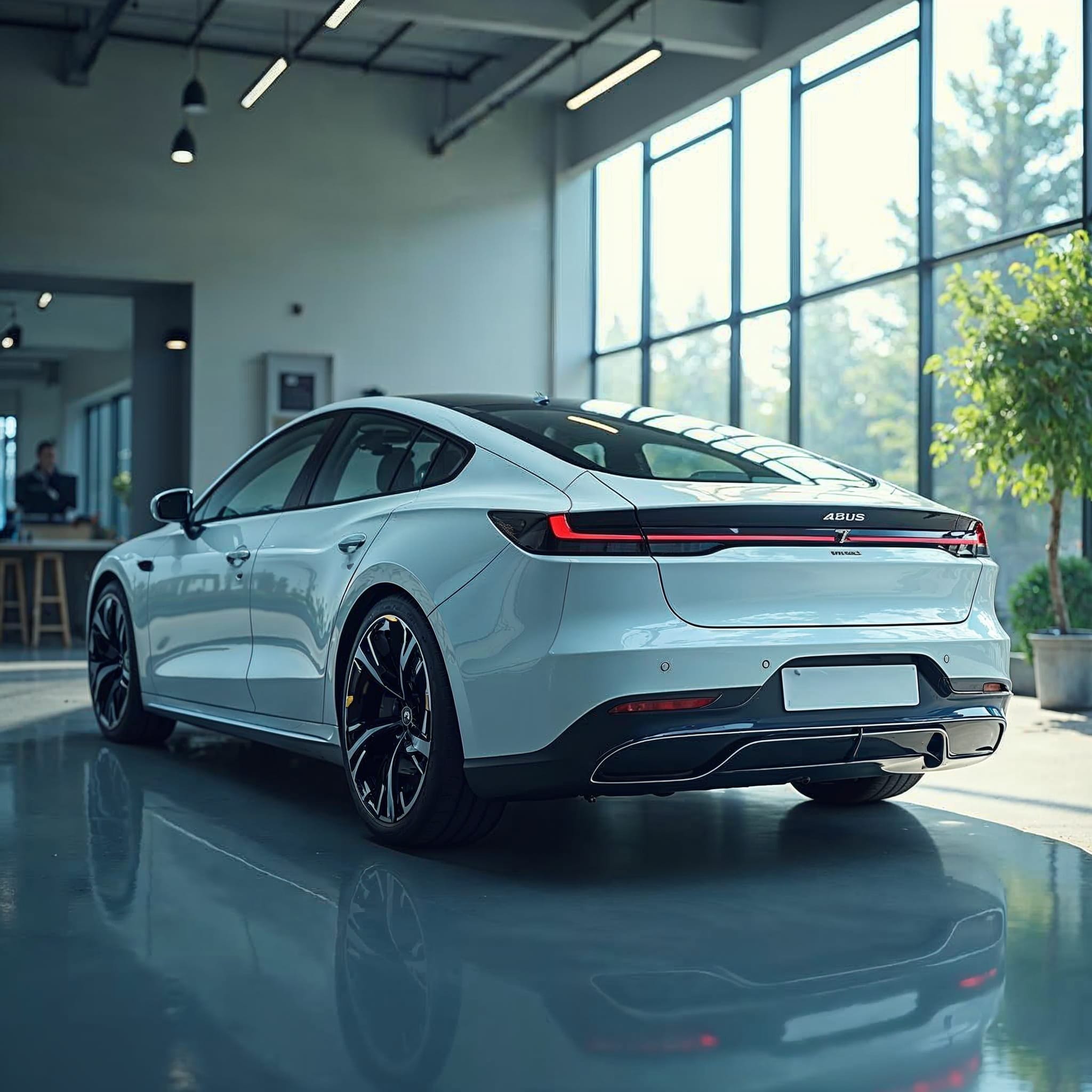
Exploring the Environmental Benefits of Driving a Hybrid Electric Vehicle
Introduction: Paving the Way for a Greener Tomorrow, One Drive at a Time
In an era increasingly defined by environmental consciousness and the urgent need for sustainable practices, the automotive industry stands at a pivotal crossroads. As individuals, our choices in transportation hold significant weight in the collective effort to mitigate climate change and improve air quality. While fully electric vehicles (EVs) often grab the spotlight for their zero tailpipe emissions, hybrid electric vehicles (HEVs) offer a compelling and practical bridge technology, delivering immediate and tangible environmental benefits that are often underestimated.
This comprehensive blog post delves into the profound and direct environmental impact of switching from a traditional gasoline-powered car to a hybrid. We will explore how these ingenious machines, combining internal combustion engines with electric motors, contribute significantly to a healthier planet. From dramatically reduced greenhouse gas emissions and enhanced fuel efficiency to a quieter urban soundscape and cleaner air, the ‘green drive’ initiated by hybrids is more than just a trend; it’s a measurable step towards ecological responsibility. Prepare to uncover the intricate ways your choice of a hybrid vehicle directly benefits the environment, offering a practical pathway for many to participate actively in global sustainability efforts right now.
Understanding these direct benefits is crucial for anyone considering a new vehicle, providing not just financial incentives through fuel savings, but also the invaluable satisfaction of contributing to a cleaner, more sustainable future for all. Let’s embark on this journey to understand the tangible environmental dividends of hybrid technology, solidifying the understanding that every conscious choice on the road contributes to a grander ecological victory.
1. The Hybrid Principle: An Ingenious Blend for a Better Planet
At the core of a hybrid vehicle’s environmental prowess lies its innovative powertrain, which seamlessly integrates a traditional internal combustion engine (ICE) with an electric motor and a battery pack. This dual-power source system is not merely about adding an electric component; it’s about optimizing efficiency in ways a standalone ICE cannot. The intelligence of a hybrid system allows it to dynamically switch between electric power, gasoline power, or a combination of both, depending on driving conditions, thereby maximizing efficiency and minimizing waste.
How Hybrids Optimize Efficiency:
- Electric-Only Driving (EV Mode): At lower speeds, such as in city traffic or parking lots, many hybrids can operate solely on electric power. This means zero tailpipe emissions during these critical periods, significantly reducing pollution in densely populated areas where air quality is often a concern. This capability is invaluable for short bursts of acceleration or cruising through neighborhoods.
- Regenerative Braking: One of the most brilliant features of a hybrid is its ability to recapture energy typically lost during deceleration and braking. Instead of dissipating this energy as heat through friction, the electric motor acts as a generator, converting kinetic energy back into electricity to recharge the battery. This not only dramatically improves fuel efficiency but also significantly reduces wear and tear on traditional brake components, leading to less particulate matter from brake dust.
- Engine Shutdown at Idle: When the vehicle comes to a stop, such as at a traffic light, in heavy congestion, or even when coasting at low speeds, the gasoline engine often automatically shuts off. This eliminates idling emissions and saves fuel, a common culprit of urban air pollution and wasted resources in conventional vehicles. The engine seamlessly restarts when acceleration is needed.
- Electric Assist: During acceleration, especially from a standstill or when extra power is needed, the electric motor can provide a boost of power, reducing the load on the gasoline engine. This allows the engine to operate at its most efficient RPMs, further improving fuel economy and reducing emissions, as the gasoline engine isn’t constantly straining.
- Optimized Engine Operation: The sophisticated control unit in a hybrid system can strategically turn the gasoline engine on and off, or operate it in its most efficient range, maximizing fuel economy by avoiding inefficient operating points that plague conventional engines during stop-and-go driving. This ensures that when the engine is running, it’s doing so as cleanly and efficiently as possible.
This sophisticated interplay of power sources ensures that energy is used far more efficiently than in a conventional vehicle, translating directly into less fuel consumed and fewer pollutants emitted. It’s a masterful exercise in energy management, designed from the ground up to minimize environmental impact without compromising performance or convenience for the driver. The result is a vehicle that offers a smoother, quieter, and significantly greener driving experience that benefits both the driver’s wallet and the planet’s health.
2. Significant Reduction in Greenhouse Gas Emissions
Perhaps the most widely recognized and crucial environmental benefit of switching to a hybrid vehicle is the substantial reduction in greenhouse gas (GHG) emissions, particularly carbon dioxide (CO2). CO2 is the primary driver of climate change, and the transportation sector is a major contributor to its atmospheric concentration. Hybrids tackle this challenge head-on by burning less fossil fuel overall, thereby directly lessening the amount of heat-trapping gases released into our atmosphere.
Direct Impact on CO2 Emissions:
- Lower Fuel Consumption: As discussed, hybrids consume significantly less gasoline than their conventional counterparts. Since CO2 emissions are directly proportional to the amount of fuel burned, a reduction in fuel usage automatically translates into a substantial reduction in CO2 released into the atmosphere. For every gallon of gasoline saved, approximately 8,887 grams of CO2 are prevented from entering the atmosphere. Over the lifespan of a vehicle, this adds up to several tons of CO2 avoided, making a noticeable difference in an individual’s carbon footprint.
- Efficient Combustion: The hybrid system allows the internal combustion engine to operate more frequently in its optimal efficiency range. This means that when the gasoline engine is running, it does so more effectively, leading to more complete combustion and consequently, lower emissions per unit of energy produced compared to a conventional engine that might frequently operate outside its peak efficiency.
- Zero-Emission Driving During EV Mode: While not entirely zero-emission over its full operational cycle (due to gasoline use at higher speeds), the ability of hybrids to operate on electric power alone for short distances, especially in urban environments, means localized zero tailpipe emissions. This is particularly beneficial in congested areas where CO2 concentrations can be high, contributing to better air quality for local residents.
Beyond CO2: Other Harmful Pollutants Reduced:
While CO2 is a major concern for global climate change, hybrids also play a vital role in curbing other harmful pollutants that contribute to smog, acid rain, and various respiratory illnesses. These pollutants have a more immediate and direct impact on local air quality and public health:
- Nitrogen Oxides (NOx): These gases are major components of smog and acid rain, and can cause serious respiratory problems, exacerbating conditions like asthma and bronchitis. The more efficient engine operation and reduced fuel use in hybrids lead to significantly lower NOx emissions compared to conventional gasoline vehicles, especially during stop-and-go driving.
- Volatile Organic Compounds (VOCs): VOCs contribute to ground-level ozone (smog) formation and are often linked to various health issues, including cancer and nervous system damage. By improving combustion efficiency and reducing overall fuel consumption, hybrids emit fewer VOCs, helping to reduce the precursors to smog.
- Particulate Matter (PM): Although less of an issue with modern gasoline engines than diesel, hybrids still contribute to reducing fine particulate matter emissions (PM2.5 and PM10), which can penetrate deep into the lungs and bloodstream, causing serious health effects. The start-stop technology and electric-only operation at low speeds mean fewer instances of inefficient engine operation that can produce harmful PM.
- Carbon Monoxide (CO): A colorless, odorless, and highly toxic gas produced by incomplete combustion. While modern catalytic converters greatly reduce CO, hybrids, by operating on electric power or optimizing engine efficiency, further decrease CO emissions, particularly during engine warm-up phases when catalytic converters are less effective.
The cumulative effect of these reductions is a healthier environment, both globally through climate change mitigation and locally through improved air quality. Switching to a hybrid isn’t just a personal financial decision; it’s a direct, measurable contribution to cleaner air and a more stable climate for everyone, making it a responsible choice for modern driving.
3. Enhanced Fuel Efficiency and Reduced Fuel Consumption
The core promise of a hybrid vehicle, and perhaps its most immediate appeal to consumers, is its superior fuel efficiency. This isn’t just about saving money at the pump; it’s a direct translation into significant environmental gains that extend far beyond the tailpipe. When a vehicle consumes less fuel, it inherently reduces its environmental footprint across multiple dimensions, from resource extraction to emissions during transport.
The Mechanisms Behind Hybrid Fuel Economy:
Hybrid vehicles achieve their impressive miles per gallon (MPG) ratings through a combination of sophisticated technologies and intelligent energy management:
- Energy Recovery: The regenerative braking system is a game-changer. In a conventional car, the kinetic energy used to move the vehicle forward is lost as heat when the brakes are applied. Hybrids convert this kinetic energy back into electricity, storing it in the battery for later use, effectively getting “free” energy during deceleration that would otherwise be wasted. This significantly boosts efficiency, especially in urban stop-and-go driving.
- Optimized Engine Cycling: Unlike conventional cars where the engine runs continuously (even when idling), hybrids intelligently shut off the gasoline engine when the car is stopped, coasting, or operating at low speeds on electric power. This eliminates fuel consumption during these inefficient periods, which are particularly prevalent in urban driving, where a conventional car might spend a significant amount of time idling.
- Electric Motor Assistance: During acceleration, especially from a standstill, the electric motor provides supplemental power, reducing the strain on the gasoline engine. This allows the gasoline engine to operate more frequently in its most efficient RPM range, where it consumes less fuel per unit of power produced. This “power boost” means the engine doesn’t have to work as hard, thus using less fuel.
- Aerodynamics and Lightweight Materials: While not exclusive to hybrids, many hybrid vehicles are designed with optimal aerodynamics in mind to minimize drag, and often incorporate lighter materials in their construction. These design choices further reduce the energy required to move the vehicle, contributing to overall efficiency and reduced fuel consumption.
- Low Rolling Resistance Tires: Many hybrids come equipped with special tires designed to reduce friction with the road, further improving fuel economy. While a small factor, it contributes to the overall efficiency package.
The Environmental Dividend of Less Fuel:
Every drop of gasoline not burned represents a direct environmental saving. This extends beyond tailpipe emissions to the entire lifecycle of fossil fuels:
- Reduced Resource Extraction: Less demand for gasoline means less crude oil needs to be extracted from the earth. Oil extraction is an energy-intensive process with its own set of environmental impacts, including habitat disruption, water pollution, land degradation, and potential spills, particularly in sensitive ecosystems.
- Less Energy in Refining and Transportation: Refining crude oil into usable gasoline is an energy-intensive process that also generates emissions. Transporting crude oil and refined gasoline via pipelines, tankers, and trucks to distribution centers and gas stations further consumes energy and contributes to emissions. By reducing the overall volume of gasoline needed, hybrids indirectly lessen the environmental burden associated with these upstream processes, known as “well-to-pump” emissions.
- Lower Risk of Spills and Accidents: While rare, accidents during the extraction, transportation, and refining of crude oil and gasoline can have catastrophic environmental consequences for marine and terrestrial ecosystems, impacting biodiversity and human communities for decades. Reducing the overall volume in circulation, even incrementally, contributes to a lower statistical risk of such events occurring.
Ultimately, enhanced fuel efficiency is a multifaceted environmental benefit. It’s not just about what comes out of the tailpipe; it’s about reducing the entire lifecycle impact associated with fossil fuel production and consumption. For the environmentally conscious driver, this means a significantly smaller carbon footprint from the moment oil is extracted to the final exhaust emitted, representing a comprehensive approach to green driving.
4. Quieter Operation and Noise Pollution Reduction
Beyond the invisible gases and microscopic particles that pollute our air, hybrid vehicles offer a tangible, audible environmental benefit: significantly reduced noise pollution. This advantage is particularly pronounced in urban and suburban settings, where constant traffic noise can have detrimental effects on both human well-being and local ecosystems. The quiet revolution of hybrids is making our communities more serene and healthful.
The Acoustic Advantage of Electric Drive:
- Silent Electric-Only Mode: When operating in pure electric vehicle (EV) mode at low speeds (typically up to 25-40 mph, depending on the model), hybrids are remarkably quiet, producing only the subtle hum of electric motors and tire noise. This contrasts sharply with the rumble and roar of a gasoline engine, especially during start-up and low-speed acceleration, where conventional vehicles are at their loudest.
- Engine Shutdown at Idle: The automatic engine stop-start feature, which disengages the gasoline engine when the vehicle is stationary, completely eliminates idling noise. This is a noticeable improvement in traffic jams, at stoplights, in drive-thrus, or when waiting for passengers, where conventional cars contribute significantly to ambient noise levels.
- Smoother Transitions: Even when the gasoline engine does engage, hybrid systems are designed for smooth, often imperceptible transitions. This avoids the sudden bursts of noise associated with conventional engine revving, contributing to a more consistent and lower overall noise profile.
- Reduced Need for High RPMs: The electric motor’s instant torque means the gasoline engine doesn’t always need to rev high to get the vehicle moving or accelerate, leading to less engine noise in general driving scenarios.
Impact on Human Well-being:
Chronic exposure to noise pollution is not merely an annoyance; it has well-documented negative health consequences that impact millions of people worldwide:
- Reduced Stress and Improved Mental Health: Less traffic noise contributes to a more peaceful living and working environment. Studies have linked high noise levels to increased stress, anxiety, irritability, and even cardiovascular problems like hypertension. Hybrids offer a step towards creating quieter urban landscapes that promote well-being and reduce psychological strain.
- Better Sleep Quality: For residents living near busy roads, the continuous drone of traffic, particularly at night, can significantly disrupt sleep patterns, leading to fatigue, reduced cognitive function, and other health issues. A shift towards quieter vehicles like hybrids can lead to better sleep quality and overall restorative health.
- Enhanced Outdoor Experiences: Quieter streets make outdoor activities more enjoyable, whether it’s walking, cycling, dining al fresco, or simply sitting in a park. It allows for better appreciation of natural sounds and reduces the pervasive encroachment of mechanical noise on public spaces, making urban areas feel more natural and inviting.
- Improved Communication: In quieter environments, it’s easier for pedestrians and cyclists to communicate with each other, and for drivers to hear emergency vehicle sirens, enhancing safety for everyone.
Benefits for Wildlife and Ecosystems:
Noise pollution extends its negative reach beyond human health, profoundly affecting animal populations and ecological balance:
- Reduced Disturbance to Wildlife: Many animals rely heavily on sound for communication (e.g., mating calls, warning signals), hunting, avoiding predators, and navigating their environments. Constant anthropogenic noise can interfere with these vital functions, leading to altered behaviors, increased stress levels, reduced reproductive success, and even displacement from critical habitats. Quieter vehicles help minimize this disruption, particularly in areas bordering natural habitats, parks, and green corridors.
- Improved Auditory Landscape: For animals, a natural soundscape is crucial for survival and well-being. The reduction in vehicle noise allows animals to better hear natural cues, such as the rustling of leaves, the calls of other animals, or the sounds of approaching predators, which are essential for their survival.
- Enhanced Urban Biodiversity: By creating quieter environments, especially in urban green spaces and corridors, hybrids contribute to making these areas more hospitable for a wider range of species. This can potentially support increased urban biodiversity, allowing more birds, insects, and small mammals to thrive closer to human populations.
The contribution of hybrids to reducing noise pollution is a quiet victory for the environment, fostering more serene and healthier communities for both people and wildlife. It’s an often-overlooked yet profoundly impactful environmental benefit that directly improves the quality of life in our increasingly urbanized world.
5. Less Reliance on Fossil Fuels and Energy Security
The environmental benefits of hybrid vehicles extend beyond immediate emissions and fuel efficiency to a broader impact on global energy dynamics: a reduced reliance on fossil fuels. This shift has far-reaching implications for energy security, geopolitical stability, and the transition to a truly sustainable energy future, lessening our dependence on a finite and volatile resource.
Reducing Demand for Crude Oil:
By consuming significantly less gasoline, hybrid vehicles directly contribute to a measurable decrease in the overall demand for crude oil. This reduction has several positive ripple effects on a global scale:
- Decoupling from Volatile Oil Markets: Nations heavily dependent on imported oil are highly vulnerable to price fluctuations and supply disruptions caused by geopolitical events, natural disasters, or cartel decisions. By reducing oil consumption, hybrids help insulate economies from this volatility, contributing to greater energy independence and stability for consuming nations.
- Less Incentive for Environmentally Damaging Extraction: A sustained decrease in global oil demand can reduce the economic incentive to pursue highly environmentally damaging extraction methods. These include deep-sea drilling (with risks of catastrophic oil spills), fracking in sensitive ecosystems (associated with water contamination and seismic activity), or the exploitation of tar sands (which are incredibly energy-intensive and produce significant greenhouse gas emissions during production). Reduced demand lessens the pressure to pursue these methods.
- Slower Depletion of Finite Resources: Fossil fuels are finite resources that took millions of years to form. By using them more sparingly, hybrids contribute to their conservation, extending their availability for critical non-combustion uses (e.g., plastics, pharmaceuticals, fertilizers) where alternatives are not yet commercially viable or widespread. This stewardship of natural resources is crucial for future generations.
- Reduced Funding for Unstable Regimes: A decrease in global oil demand and price can reduce the revenues for oil-producing nations, some of which may have unstable governments or human rights issues. This indirectly contributes to greater global stability.
Paving the Way for Renewable Energy Integration:
While hybrids still use gasoline, their incorporation of electric components and battery technology is a crucial stepping stone towards greater renewable energy integration in the transportation sector. They prepare the ground for a future where vehicles are primarily powered by clean electricity.
- Stimulating Demand for Battery Technology: The widespread adoption of hybrids stimulates critical research, development, and scaling of battery technologies. Improvements in battery capacity, longevity, cost, and safety directly benefit fully electric vehicles (BEVs), which are powered entirely by electricity that can be sourced from renewables.
- Consumer Acclimation to Electric Drive: Hybrids introduce drivers to the experience of electric propulsion, instant torque, regenerative braking, and battery management. This hands-on acclimation helps normalize electric vehicle technology, making the eventual transition to full EVs smoother and less intimidating for the general public, overcoming psychological barriers like range anxiety.
- Reduced Strain on Electrical Grids: Compared to fully electric vehicles, hybrids place a much smaller, if any, direct charging demand on the electrical grid (with the exception of plug-in hybrids, which still have a gasoline backup). This allows for a gradual evolution of grid infrastructure to accommodate future widespread electrification without immediate, heavy investments solely for private vehicles.
- Fostering Electric Motor and Power Electronics Expertise: The hybrid market requires advanced manufacturing capabilities for efficient electric motors, sophisticated power inverters, and intelligent control systems. This expertise is directly transferable to, and beneficial for, the development and mass production of full EVs.
The shift away from absolute reliance on fossil fuels in transportation is a monumental task. Hybrid vehicles, by significantly reducing gasoline consumption and fostering technological advancements in electric drive, play a crucial role in accelerating this transition, thereby enhancing energy security and laying the groundwork for a truly sustainable energy future where transportation is powered by clean, domestically produced energy sources.
6. Lower Lifecycle Environmental Impact (Manufacturing, Usage, Disposal)
When assessing the true environmental footprint of any product, it’s essential to consider its entire lifecycle, from raw material extraction and manufacturing to its operational usage and eventual end-of-life disposal. Hybrid vehicles, while not entirely impact-free, generally demonstrate a lower overall lifecycle environmental impact compared to conventional gasoline cars, particularly due to their vastly more efficient operational phase which dominates a vehicle’s total footprint.
Manufacturing Considerations:
It’s often argued that hybrids have a higher manufacturing footprint due to the additional components like electric motors and battery packs, especially regarding the mining of specific minerals. However, a nuanced perspective reveals:
- Continuous Improvement in Battery Production: The automotive industry is making significant strides in optimizing battery production processes, reducing the energy and resource intensity. Innovations in cell chemistry are also reducing the reliance on specific critical minerals, such as cobalt and rare earth metals. Modern battery factories are increasingly powered by renewable energy, further lowering their carbon footprint.
- Slightly Higher Initial Footprint Offset: While a hybrid might have a marginally higher initial manufacturing carbon footprint than a conventional gasoline car due to its battery and electric motor, this difference is typically offset within the first 1-2 years of driving, thanks to the hybrid’s superior fuel efficiency and lower operational emissions. The long operational life of a hybrid then continues to yield environmental savings.
- Longer Component Lifespans: Due to regenerative braking, hybrid brake pads and rotors typically last significantly longer than those in conventional cars, reducing the need for replacement parts and their associated manufacturing impact. The electric motor also reduces wear and tear on the gasoline engine in some scenarios, potentially extending its life and reducing maintenance-related waste.
The Usage Phase: Where Hybrids Excel:
The most substantial environmental savings of a hybrid occur during its operational life, directly offsetting any potentially higher manufacturing footprint and cementing its status as an eco-friendlier option:
- Reduced Emissions Over Millions of Miles: The cumulative effect of lower fuel consumption and reduced tailpipe emissions (CO2, NOx, VOCs, PM) over hundreds of thousands of miles (or even just 100,000 miles) far outweighs the initial manufacturing impact. The average car owner drives approximately 12,000-15,000 miles per year. Over a typical 10-15 year lifespan, a hybrid’s reduced emissions per mile lead to significant overall savings in greenhouse gases and other pollutants. This is the period where the hybrid’s ‘green’ benefits truly shine.
- Lower Fuel Footprint: As discussed in Section 3, the reduced need for fuel means fewer environmental impacts associated with oil extraction, refining, and transportation. This ‘upstream’ impact from the “well-to-tank” phase is a major component of a vehicle’s total lifecycle footprint, and hybrids significantly diminish this.
- Operational Efficiency: The intelligent energy management system ensures that the vehicle is almost always operating at peak efficiency, whether using electric power or the gasoline engine, leading to sustained low environmental impact during daily use.
End-of-Life and Disposal:
The disposal of hybrid batteries is a common concern, but the industry is rapidly developing robust recycling and repurposing solutions to ensure sustainability:
- High Recycling Rates for Batteries: Automotive manufacturers are increasingly implementing sophisticated recycling programs for hybrid and EV batteries. Materials like lithium, cobalt, nickel, and copper are valuable and can be recovered and reused in new batteries or other products. In some regions, recycling rates for automotive batteries are already very high (e.g., over 95% in some European countries for specific battery types), ensuring these resources are not lost.
- Second-Life Applications: Before full recycling, many hybrid batteries can be repurposed for ‘second-life’ applications. This includes stationary energy storage for homes, businesses, or grid stabilization projects, powering streetlights, or even as backup power systems. This innovative reuse significantly extends their useful life and delays disposal, enhancing their overall environmental value.
- Recycling of Other Components: Like conventional vehicles, hybrids are subject to established and efficient recycling practices for steel, aluminum, plastics, and other materials, minimizing landfill waste across all vehicle components.
While continuous improvement is always needed, especially in battery technology, mining practices, and recycling infrastructure, the overall lifecycle assessment clearly demonstrates that hybrid vehicles offer a more environmentally sound choice. Their vastly superior performance during the usage phase, which is the longest and most impactful part of a vehicle’s life, makes them a crucial part of a sustainable transportation ecosystem. The industry’s commitment to improving battery sustainability from cradle to grave further solidifies their environmental credentials.
7. Air Quality Improvement in Urban Areas
For city dwellers, the benefits of hybrid vehicles are not just theoretical; they translate into a palpable improvement in local air quality. Urban areas are particularly vulnerable to vehicle-generated pollution due to high traffic density, frequent stop-and-go driving patterns, often narrow streets, and sometimes limited air circulation, leading to concentrated levels of harmful pollutants. Hybrids are uniquely suited to mitigate these challenges, offering immediate relief to urban populations.
Targeting Urban Pollutants:
The pollutants that most critically impact urban air quality, and are significantly reduced by hybrids, include:
- Ground-Level Ozone (Smog): Formed when Nitrogen Oxides (NOx) and Volatile Organic Compounds (VOCs) react in the presence of sunlight, ground-level ozone is a severe respiratory irritant and a major component of smog. Hybrid vehicles, with their reduced emissions of both NOx and VOCs, directly contribute to lowering ozone formation, especially during warmer months when smog is most prevalent and dangerous.
- Nitrogen Dioxide (NO2): A harmful reddish-brown gas primarily emitted from vehicle exhaust, NO2 contributes to respiratory problems, acid rain, and the formation of secondary particulate matter. Hybrids significantly reduce NO2 output, particularly at lower speeds and during idle where conventional engines are less efficient and produce higher concentrations of this pollutant.
- Particulate Matter (PM2.5 and PM10): These microscopic particles, often invisible to the naked eye, can penetrate deep into the lungs and bloodstream, exacerbating heart and lung diseases and even contributing to strokes. While modern gasoline engines are cleaner than older ones, hybrids further reduce PM emissions through more efficient combustion and less frequent engine operation during urban driving. Regenerative braking also reduces brake dust, a source of non-exhaust PM.
- Carbon Monoxide (CO): A colorless, odorless, and highly toxic gas produced by incomplete combustion. While catalytic converters greatly reduce CO, hybrids, by operating on electric power or optimizing engine efficiency, further decrease CO emissions, particularly during the engine warm-up phase when catalytic converters are not yet at optimal operating temperature.
Mechanisms for Urban Air Quality Improvement:
- Extended Electric-Only Operation in Cities: Hybrids are most efficient and often operate for significant periods in pure EV mode during low-speed, stop-and-go city driving. This means prolonged stretches of zero tailpipe emissions precisely where air pollution is most concentrated and impacts the highest number of people. Imagine a bustling city street with dozens of vehicles moving silently and emission-free for blocks, drastically altering the local air quality.
- Reduced Idling Emissions: Traffic congestion is a ubiquitous hallmark of urban driving. The automatic engine shut-off feature in hybrids completely eliminates all tailpipe emissions while the vehicle is stationary. This dramatically reduces the cumulative pollution from hundreds or thousands of idling cars across a city at any given moment, leading to a noticeable improvement in ambient air quality.
- Less Fuel Evaporation: While a smaller factor, reducing overall fuel consumption also slightly lessens evaporative emissions from fuel tanks and refueling, which contribute to VOCs. This contributes to a holistic reduction in air pollutants.
- Better Cold-Start Performance: Hybrid engines often reach optimal operating temperature faster than conventional engines due to their intermittent operation and thermal management strategies, leading to more efficient combustion and lower emissions during the crucial warm-up phase.
The cumulative effect of widespread hybrid adoption in urban centers would be transformative. Cleaner air leads to fewer respiratory illnesses, reduced hospitalizations, and overall better public health outcomes. It fosters a more pleasant urban environment, making cities more livable, walkable, and breathable for everyone. The direct environmental benefit here is not abstract; it’s the quality of the air we breathe every day, directly impacting the health and well-being of millions.
8. Paving the Way for Electrification: A Crucial Stepping Stone
While the long-term goal for many environmental advocates and policymakers is a full transition to battery electric vehicles (BEVs) and other zero-emission transportation technologies, hybrid electric vehicles play an indispensable role as a crucial stepping stone. They bridge the gap between conventional gasoline cars and fully electric ones, preparing both consumers and infrastructure for a future primarily powered by electricity, making the transition more accessible and gradual.
Consumer Acceptance and Education:
For many drivers, jumping directly from a traditional gasoline car to a full EV can feel like a significant leap, accompanied by legitimate concerns about range anxiety, the availability of charging infrastructure, initial purchase cost, and the perceived unfamiliarity of the technology. Hybrids offer a gentle, low-risk introduction to electric propulsion:
- Familiarity with Electric Drive: Drivers experience the benefits of electric torque (instant acceleration), quiet operation, and regenerative braking without the need for external charging or a complete change in refueling habits. This hands-on experience demystifies electric technology and highlights its advantages.
- Building Confidence: By providing a “best of both worlds” solution, hybrids allow drivers to enjoy enhanced efficiency and reduced emissions while maintaining the familiarity and convenience of gasoline for longer trips or when external charging isn’t available (in the case of PHEVs). This builds confidence in electric drivetrains and mitigates range anxiety.
- Normalizing New Technologies: As more hybrids appear on the road, the sight and experience of electrically assisted vehicles become commonplace. This normalization of advanced automotive technologies paves the way for wider EV adoption by making the transition feel less radical and more like a natural progression.
- Altering Driving Habits: Hybrid drivers often become more conscious of their driving style to maximize EV mode usage and regenerative braking, subtly preparing them for the more efficiency-focused driving style often adopted by full EV owners.
Infrastructure and Technological Development:
The hybrid market also stimulates vital technological and infrastructural advancements that directly benefit the broader electrification movement and accelerate the shift away from fossil fuels:
- Battery Technology Advancement: The sustained demand for hybrid batteries (for HEVs and especially PHEVs) drives intensive research and development in battery chemistry, energy density, cost reduction, manufacturing processes, and safety. These advancements directly feed into the development of more capable, affordable, and safer batteries for full EVs.
- Electric Motor and Power Electronics Expertise: Hybrid production fosters deep expertise in designing and manufacturing efficient electric motors, sophisticated power inverters, and complex control systems that seamlessly manage the flow of power between the engine, motor, and battery. This accumulated knowledge base is directly transferable to and essential for BEV development and scaling.
- Recycling Infrastructure Development: The increasing number of hybrid and plug-in hybrid batteries entering the market encourages the development of robust battery recycling infrastructure and advanced processes. This infrastructure is essential for the long-term sustainability of all electric vehicles, ensuring valuable materials are recovered and reused.
- Demand for Green Electricity: While standard hybrids don’t plug in, their existence demonstrates a public appetite for cleaner transportation. As more people adopt hybrids, and then eventually full EVs, it indirectly increases the overall demand and political will for developing and expanding renewable energy generation to power these vehicles, thus greening the grid itself.
- Supply Chain Development: The hybrid industry helps to build out the necessary supply chains for electric vehicle components, from raw materials to sub-assemblies, making it easier and more cost-effective to produce full EVs in the future.
In essence, hybrids are not just a temporary solution; they are an evolutionary step. They actively contribute to environmental protection today while simultaneously preparing the ground—both technologically and socially—for the fully electric, zero-emission transportation systems of tomorrow. This dual impact makes them incredibly valuable in the journey towards a truly sustainable automotive future, serving as a pragmatic and effective pathway to widespread electrification.
Comparison Tables: Hybrid Impact at a Glance
Table 1: Fuel Economy and Emissions Comparison (Typical Mid-Size Sedans)
| Vehicle Type | Combined MPG (Est.) | Annual CO2 Emissions (Est. in kg, 12k miles/yr) | Relative Fuel Cost (Index) | Urban Noise Level (Subjective) |
|---|---|---|---|---|
| Conventional Gasoline (ICE) | 28-32 MPG | 3,800 – 4,200 kg | 1.0 (Baseline) | Moderate to High |
| Hybrid Electric Vehicle (HEV) | 45-55 MPG | 2,200 – 2,600 kg | 0.6 – 0.7 | Low to Moderate (Silent in EV mode) |
| Plug-in Hybrid Electric Vehicle (PHEV, blended) | 40-50 MPG (gas) + 30-50 miles EV range | 1,500 – 2,000 kg (with regular charging) | 0.3 – 0.5 (depending on EV usage) | Very Low (extended EV range, silent) |
| Battery Electric Vehicle (BEV) | ~100 MPGe | 0 kg (tailpipe) / 0-1,000 kg (well-to-wheel, depending on grid source) | 0.1 – 0.2 (electricity cost) | Very Low (silent) |
| Note: MPGe (Miles Per Gallon equivalent) for EVs represents energy consumption relative to gasoline. Annual CO2 estimates vary based on driving habits, specific vehicle models, and electricity source for EVs/PHEVs. These are typical ranges for comparable mid-size sedan classes. |
Table 2: Environmental Impact Spectrum: Conventional vs. Hybrid
| Environmental Factor | Conventional Gasoline Vehicle | Hybrid Electric Vehicle (HEV) | Direct Hybrid Advantage |
|---|---|---|---|
| Greenhouse Gas Emissions (CO2) | High | Significantly Lower (30-40% reduction) | Less contribution to global warming, cleaner atmosphere. |
| Local Air Quality (NOx, PM, VOCs) | Moderate to High | Lower, especially in urban areas (due to EV mode/start-stop) | Reduced smog, improved respiratory health in cities, cleaner urban air. |
| Fuel Consumption & Fossil Fuel Reliance | High | Significantly Lower | Less demand for oil extraction, enhanced energy security, conservation of finite resources. |
| Noise Pollution | Moderate to High | Low (silent in EV mode, quiet engine operation) | Quieter urban environments, reduced stress for humans, less disturbance to wildlife. |
| Brake Wear & Particulate Matter (Non-Exhaust) | Standard | Reduced (due to regenerative braking) | Less brake dust pollution, longer component life, reduced maintenance needs. |
| Lifecycle Resource Use (Manufacturing) | Standard | Slightly higher initial (due to battery/motor) but improving | Offset quickly by operational efficiency; increasing battery recycling and sustainable sourcing. |
| End-of-Life Battery Management | N/A | Developing robust recycling/repurposing infrastructure | Progressive efforts for circular economy of materials, second-life applications for batteries. |
| This table highlights the direct and indirect environmental advantages of HEVs across various categories, demonstrating their comprehensive positive impact. |
Practical Examples: Real-World Green Impact
The environmental benefits of hybrid vehicles are not just theoretical statistics or abstract figures; they translate into tangible, real-world impacts for individuals, businesses, and communities alike. These examples illustrate how the ‘green drive’ in action makes a measurable difference:
-
The Urban Commuter: Sarah’s Daily Drive
Sarah lives in a bustling city and commutes 30 miles round trip to work, mostly through challenging stop-and-go traffic. Her old gasoline sedan averaged 25 MPG. After switching to a hybrid sedan averaging 50 MPG, Sarah immediately noticed a significant difference. Instead of filling up twice a week, she now fills up roughly once. Over a year, driving approximately 12,000 miles, she saves 240 gallons of gasoline (calculated as: 12,000 miles / 25 MPG = 480 gallons for old car; 12,000 miles / 50 MPG = 240 gallons for hybrid; 480 – 240 = 240 gallons saved). This translates to preventing over 2,130 kg (approximately 4,700 lbs) of CO2 emissions annually, which is roughly equivalent to the carbon sequestered by about 2.5 acres of U.S. forest in one year. Furthermore, her hybrid operates silently in EV mode through her neighborhood, contributing to a quieter, cleaner local environment for her and her neighbors, enhancing community well-being.
-
The Ride-Sharing Driver: Alex’s Eco-Friendly Service
Alex is a full-time ride-sharing driver, putting over 40,000 miles on his vehicle annually. His decision to switch from a conventional sedan (averaging 30 MPG) to a hybrid (averaging 48 MPG) had a profound impact. This change saves him over 444 gallons of gasoline per year (calculated as: 40,000 miles / 30 MPG = 1333 gallons for old car; 40,000 miles / 48 MPG = 833 gallons for hybrid; 1333 – 833 = 500 gallons saved). Annually, this prevents approximately 4,443 kg (approximately 9,796 lbs) of CO2 emissions from entering the atmosphere. For his passengers, this means knowing their ride is contributing less to urban air pollution and climate change, a factor increasingly valued by environmentally conscious consumers who appreciate the quiet, smooth ride of an eco-friendly vehicle.
-
Small Business Fleet: The Green Delivery Service
A local organic produce delivery service decides to replace its fleet of five aging gasoline vans with hybrid minivans. Each conventional van averaged 20 MPG in mixed delivery routes, while the new hybrids achieve 38 MPG. With each vehicle covering 25,000 miles per year, the fleet’s total annual mileage is 125,000 miles. With the old vans, they consumed 6,250 gallons of fuel (125,000 / 20). With hybrids, they consume 3,289 gallons (125,000 / 38). This represents a remarkable saving of nearly 3,000 gallons of fuel annually for the fleet, preventing approximately 26,661 kg (approximately 58,788 lbs) of CO2 emissions. Beyond the significant financial savings, the company gains a strong eco-friendly brand image, resonates positively with its customer base, and contributes directly to cleaner air and reduced traffic noise in the communities it serves daily.
-
The Suburban Family: A Weekend Explorer
The Chen family loves taking weekend trips to national parks, local hiking trails, and camping spots. Their old SUV, while spacious, guzzled gas at 22 MPG. Upgrading to a hybrid SUV with a much-improved 38 MPG allowed them to continue their adventures with a significantly smaller environmental footprint. For their typical 15,000 miles of mixed driving annually, they now save over 250 gallons of fuel (calculated as: 15,000 miles / 22 MPG = 682 gallons for old SUV; 15,000 miles / 38 MPG = 395 gallons for hybrid SUV; 682 – 395 = 287 gallons saved), preventing more than 2,221 kg (approximately 4,900 lbs) of CO2. The quieter electric mode is also a bonus when driving slowly through campgrounds or nature reserves, minimizing disturbance to wildlife and fellow campers, making their “green drive” literal and impactful on their beloved natural environments.
-
The Taxi Industry: A City-Wide Shift
Many major cities around the world have seen a significant shift in their taxi fleets towards hybrids. For instance, New York City’s taxi fleet largely transitioned to hybrids over the past two decades. With taxis often covering 50,000 to 70,000 miles annually in dense urban environments, the collective impact of thousands of hybrid taxis is immense. These vehicles spend significant time idling or in stop-and-go traffic, conditions where hybrids are most efficient, running on electric power and shutting off their engines. This shift has led to colossal reductions in urban air pollution, lower fuel consumption for the industry, and a quieter cityscape, benefiting millions of residents and visitors.
These diverse examples vividly highlight how switching to a hybrid vehicle offers immediate, measurable environmental benefits across various sectors and lifestyles, making it an accessible, practical, and highly effective choice for a wide range of drivers and businesses committed to sustainability and a healthier planet.
Frequently Asked Questions About Hybrid Vehicles and Their Environmental Impact
Q: Are hybrid vehicle batteries environmentally friendly, considering their manufacturing and disposal?
A: The environmental footprint of hybrid batteries is a complex but rapidly improving area. While manufacturing does require energy and raw materials (like lithium, nickel, and cobalt, though modern batteries use less or no “rare earth” metals), the industry is making significant strides to mitigate this. For instance, many battery factories are increasingly powered by renewable energy, and production processes are becoming more efficient. More importantly, the substantial operational savings in fuel and emissions over the vehicle’s entire lifespan (often 10-15 years) typically outweigh the manufacturing impact within the first few years of driving. For end-of-life disposal, robust recycling programs are being implemented by manufacturers. Valuable materials are recovered and reused in new batteries or other products. Additionally, battery “second-life” applications (e.g., repurposing for stationary energy storage in homes or for grid stabilization) are extending their utility before final recycling, thereby maximizing their overall environmental value and aiming for a truly circular economy.
Q: Do hybrids perform well in all driving conditions, or are their environmental benefits limited to specific scenarios?
A: Hybrids excel particularly in stop-and-go city driving and urban environments, where their electric-only mode and regenerative braking capabilities can maximize fuel efficiency and minimize emissions. In these conditions, their environmental benefits are most pronounced, as they can operate without the gasoline engine for significant periods. However, hybrids still offer considerable advantages in highway driving compared to conventional vehicles, albeit to a slightly lesser extent than in the city. On the highway, the electric motor can assist during acceleration, the engine can sometimes shut off during coasting or light load, and the overall system is designed to operate the gasoline engine at its most efficient RPMs. Therefore, while city driving is their sweet spot, hybrids provide significant environmental benefits across a wide range of driving conditions, making them a versatile eco-friendly choice.
Q: What is the typical lifespan of a hybrid vehicle and its battery?
A: The lifespan of a modern hybrid vehicle is generally comparable to that of a conventional gasoline car, typically lasting 150,000 to 200,000 miles or even more with proper and consistent maintenance. Hybrid batteries are specifically designed to last for the entire life of the vehicle, not just a few years. Most manufacturers offer extensive warranties on hybrid battery packs, often covering 8 years or 100,000 miles, and in some regions (like California and others adhering to its standards), this can extend to 10 years or 150,000 miles, indicating high confidence in their durability. While battery capacity can slightly degrade very gradually over a long period, it usually doesn’t significantly impact performance for many years, and a complete battery failure that requires replacement is a relatively rare occurrence.
Q: How much fuel can I realistically save by switching to a hybrid?
A: The realistic fuel savings depend on several factors, including the specific hybrid model you choose, your personal driving habits (city vs. highway driving), and the conventional vehicle you’re comparing it to. Generally, full hybrids offer an impressive 30-50% better fuel economy than comparable gasoline-only vehicles, sometimes even more in predominantly city driving where their electric mode is frequently engaged. For instance, if your current car gets 30 MPG and you switch to a hybrid that consistently achieves 50 MPG, you’re effectively saving 40% of your fuel. Over an average of 12,000 miles per year, this could translate to a saving of over 160 gallons annually (400 gallons vs. 240 gallons). These savings directly translate to significant reductions in your carbon footprint and considerably lower annual fuel costs.
Q: Are hybrids more expensive to maintain than conventional cars?
A: Generally, hybrid maintenance costs are comparable to, or even slightly lower than, conventional vehicles over the long term. While they have more sophisticated powertrains, the electric components (motor, inverter, battery) are often highly reliable and require less routine maintenance compared to complex gasoline engine systems. For example, the regenerative braking system significantly reduces wear on traditional friction brake pads and rotors, making them last considerably longer, which is a major cost saving. The gasoline engine also experiences less wear due to less frequent and optimized operation. The main potential difference might be the eventual cost of battery replacement, but as noted, batteries are very durable, last the life of the vehicle for most owners, and are often covered by long warranties, making this a rare and often distant expense that is frequently offset by fuel savings.
Q: Do hybrids require special charging infrastructure at home or public charging stations?
A: Standard (non-plug-in) hybrid electric vehicles (HEVs) do not require any external charging whatsoever. Their batteries are automatically recharged by the gasoline engine (acting as a generator) and, more importantly, through regenerative braking, which captures energy during deceleration. You simply fill them up with gasoline like a conventional car, making the transition seamless. Plug-in hybrid electric vehicles (PHEVs) do have a larger battery and can be charged by plugging them into an external power source (a standard 120V household outlet or a faster 240V Level 2 charger, often called a Wall Connector). This allows for a longer electric-only range (typically 20-50 miles). However, PHEVs still have a gasoline engine and can operate solely on gasoline if the battery is depleted or not charged, providing complete flexibility and eliminating range anxiety, as you always have a backup.
Q: How do hybrids specifically contribute to cleaner air in dense urban areas?
A: Hybrids contribute significantly to cleaner urban air primarily through two key mechanisms: extended electric-only operation at low speeds and automatic engine shutdown at idle. In stop-and-go city traffic, hybrids frequently switch to pure EV mode, producing zero tailpipe emissions of harmful pollutants like nitrogen oxides (NOx), volatile organic compounds (VOCs), and particulate matter (PM), which are primary components of urban smog and air pollution. When the vehicle is stopped at a traffic light, in congestion, or parked, the gasoline engine turns off, completely eliminating idling emissions. These features are critically important in urban environments where air pollution is often concentrated and affects the highest number of people, directly leading to healthier, more breathable air and improved public health outcomes for city residents.
Q: Is a hybrid a good stepping stone if I’m considering a full electric vehicle in the future?
A: Absolutely, a hybrid serves as an excellent and highly practical transitional technology to full electric vehicles (BEVs). They introduce drivers to many key aspects of electric driving, such as instant torque from the electric motor, quiet operation, the feel of regenerative braking, and the concept of battery management, without the need for a complete change in fueling habits or immediate concerns about charging infrastructure. This hands-on experience helps drivers become comfortable with electric drivetrains, understand their benefits, and appreciate the advantages of electrification. It can significantly ease the psychological and practical transition to a full EV when you’re ready to make that leap, offering a low-risk, high-reward entry into the world of electric mobility and preparing you for the future of transportation.
Q: What are the main types of hybrid systems, and do they all offer similar environmental benefits?
A: There are generally three main types of hybrid systems, each offering varying levels of environmental benefit:
- Mild Hybrid (MHEV): Uses a small electric motor to assist the engine during acceleration, enable engine start-stop functionality, and provide regenerative braking. It cannot drive on electric power alone for any significant distance. Offers modest but still valuable fuel economy and emissions improvements compared to conventional gasoline cars.
- Full Hybrid (HEV): Features a more powerful electric motor and a larger battery, allowing for significant electric-only driving at low speeds (typically up to 25-40 mph for short distances) and strong regenerative braking. This is what most people typically refer to as a “hybrid” and offers substantial environmental benefits, including a 30-50% improvement in fuel economy.
- Plug-in Hybrid (PHEV): Has an even larger battery and motor than a full hybrid, allowing for an extended electric-only range (e.g., 20-50 miles on a full charge) and the ability to be plugged in and charged from an external power source. Once the battery is depleted, it functions like a full hybrid. PHEVs offer the greatest environmental benefits when regularly charged, as they can significantly reduce or even eliminate gasoline consumption for daily commutes, approaching zero tailpipe emissions for many trips.
While all types offer some environmental benefits, full hybrids and plug-in hybrids provide the most significant reductions in emissions and fuel consumption due to their greater reliance on electric power and advanced energy management systems.
Q: Are there government incentives for buying hybrids, and do these contribute to their environmental impact?
A: Government incentives for hybrid vehicles vary significantly by country, region, and specific model, and they are generally more commonly available for plug-in hybrids (PHEVs) and fully electric vehicles (BEVs) due to their larger batteries and greater potential for emissions reduction. These incentives can include federal tax credits, state rebates, sales tax exemptions, reduced vehicle registration fees, and even access to HOV (High-Occupancy Vehicle) lanes for single occupants in some areas. While these incentives are primarily economic, designed to reduce the upfront cost burden on consumers, they indirectly contribute immensely to environmental impact. By making hybrid (especially PHEV) adoption more financially attractive and accessible, these programs accelerate the transition away from conventional gasoline vehicles and increase the overall environmental benefits (e.g., reduced emissions, improved air quality) across the entire vehicle fleet. They are a crucial policy tool for promoting sustainable transportation.
Key Takeaways: Why Your Green Drive Matters
Switching to a hybrid electric vehicle is a practical, powerful, and impactful choice for environmental stewardship. Here are the core, undeniable benefits that make your ‘green drive’ count:
- Significant Emissions Reduction: Hybrids dramatically lower greenhouse gas (CO2) emissions by 30-40% or more compared to conventional cars, directly combating global climate change and reducing your carbon footprint.
- Cleaner Local Air: By substantially reducing tailpipe emissions of harmful pollutants like Nitrogen Oxides (NOx), Volatile Organic Compounds (VOCs), and particulate matter (PM), especially in densely populated urban environments, hybrids contribute directly to healthier, more breathable air in our communities and cities.
- Enhanced Fuel Efficiency: Consuming significantly less gasoline means a reduced demand for fossil fuel extraction, refining, and transportation, thereby lowering the entire upstream environmental footprint associated with fuel production.
- Reduced Noise Pollution: The unique ability to operate silently on electric power at low speeds creates noticeably quieter urban soundscapes, fostering more peaceful communities and causing less disturbance to urban wildlife.
- Greater Energy Independence: Lower reliance on gasoline contributes to national and individual energy security, reducing vulnerability to volatile global oil markets and promoting a more stable energy future.
- Lower Lifecycle Impact: While manufacturing has an initial footprint, the substantial environmental savings generated during a hybrid’s operational life (which is the longest phase), coupled with advancing battery recycling and repurposing initiatives, result in a net lower overall environmental impact from “cradle to grave.”
- Paving the Way for EVs: Hybrids serve as an indispensable and crucial stepping stone, familiarizing consumers with electric technology and actively driving vital advancements in battery chemistry, electric motors, and recycling infrastructure for the fully electric future.
- Tangible Real-World Impact: From individual commuters saving fuel and reducing emissions on their daily trips, to businesses operating greener and more cost-effective fleets, the environmental and economic benefits of hybrids are measurable, widespread, and immediate.
Embracing a hybrid vehicle is a powerful statement of commitment to a healthier planet, offering immediate environmental dividends without compromising convenience, performance, or the joy of driving. It’s a practical solution for today’s challenges, contributing significantly to a more sustainable tomorrow.
Conclusion: Driving Towards a Sustainable Future, One Hybrid at a Time
As we’ve explored throughout this comprehensive journey, the decision to switch to a hybrid electric vehicle is far more than a personal preference or a mere nod to efficiency; it is a direct, measurable, and impactful contribution to environmental sustainability. Hybrids stand as a testament to intelligent engineering, offering a compelling blend of traditional familiarity and innovative green technology that effectively addresses some of our most pressing ecological challenges, proving that accessible solutions can make a profound difference.
From the moment a hybrid begins its journey, its meticulously managed powertrain ensures significantly reduced fuel consumption, which directly translates into fewer greenhouse gas emissions, actively mitigating the effects of climate change. Its quieter operation in urban settings curtails noise pollution, fostering more peaceful and less stressful communities for residents and protecting urban wildlife from acoustic disruption. By substantially improving local air quality, particularly in dense metropolitan areas prone to smog and particulate matter, hybrids offer a tangible benefit to public health, making our cities more breathable and livable for everyone. Furthermore, their invaluable role as a bridge technology is gently guiding both consumers and infrastructure towards a fully electric future, while simultaneously driving crucial advancements in battery technology, recycling processes, and the overall understanding of electric mobility.
The cumulative effect of individual choices to adopt hybrid vehicles creates a powerful ripple effect, contributing to a collective ‘green drive’ that extends far beyond the tailpipe. It’s a commitment to a future with cleaner air, quieter streets, enhanced public health, and a more stable global climate. In a world where every sustainable action counts, choosing a hybrid is a pragmatic, powerful, and accessible way for millions to become active participants in building a healthier, more resilient planet without compromising their daily needs.
We urge you to consider the immediate and lasting environmental benefits discussed here. Your next vehicle choice holds the power to make a significant difference, not just for your personal well-being and finances, but for the collective health of our planet. By embracing hybrid technology, you’re not just buying a car; you’re investing in a greener future, one mile, one gallon, and one emission-free moment at a time. The road to sustainability is paved with such conscious decisions, and the hybrid vehicle is a sturdy, reliable, and increasingly sophisticated guide on that essential path. Make your drive count for the environment today.