
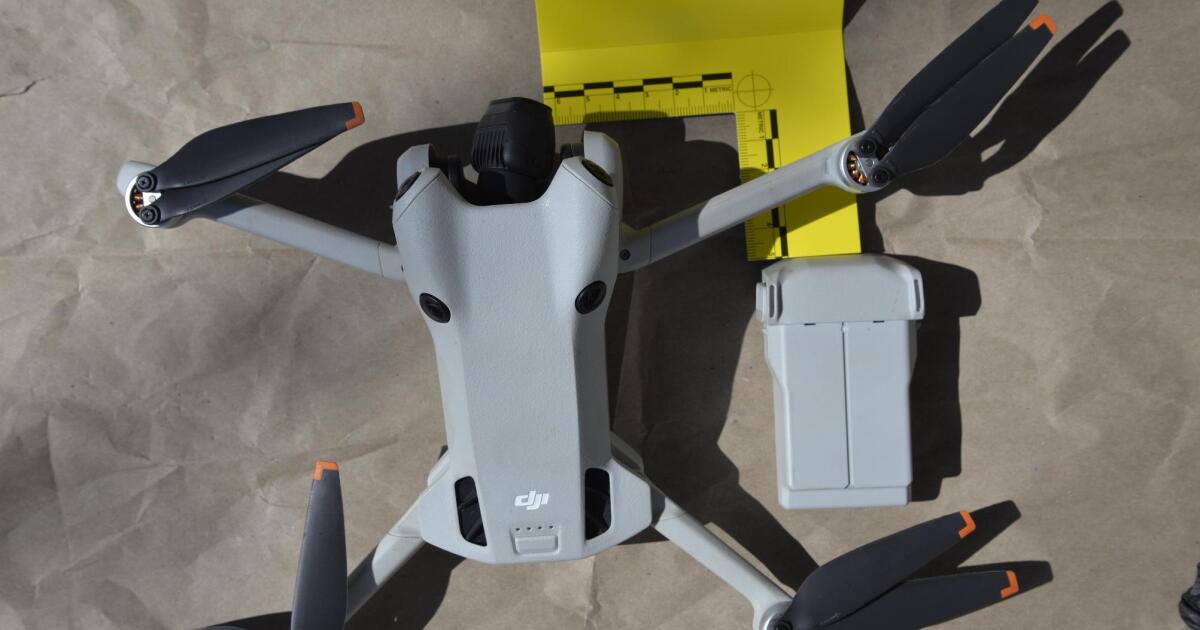
Inside the FBI’s Battle to Keep Drones Out of World Cup Sites Amid Heightened Terrorism Fears
Los Angeles, June 18, 2026 — As soccer fans pack stadiums across the United States for the FIFA World Cup 2026, FBI agents are engaged in a high-stakes effort to neutralize one of the most persistent and evolving security threats: unauthorized drones.
From command centers monitoring live feeds to rapid-response teams on the ground, federal agents are working around the clock to detect, track, and disable drones that enter restricted airspace around World Cup venues.
A Growing Aerial Threat
The FBI has seized dozens of drones violating temporary flight restrictions at host sites, including SoFi Stadium and the Los Angeles Memorial Coliseum. In Atlanta, agents arrested a Mexican national for flying a drone over a World Cup fan fest in Centennial Olympic Park.
These incidents are part of a broader pattern. The Bureau has established counter-unmanned aircraft systems (C-UAS) operations in all 11 U.S. host cities. Teams equipped with detection technology are actively scanning for drones that could be used for surveillance, disruption, or — in a worst-case scenario — as weapons.
FBI officials say they have not identified any credible, specific plots targeting the tournament. However, the general threat environment remains elevated due to global terrorism concerns and the proliferation of commercial drone technology.
Temporary Flight Restrictions and Enforcement
The federal government has imposed strict Temporary Flight Restrictions (TFRs) around all World Cup stadiums, fan festivals, and associated venues. These no-fly zones are designed to protect players, spectators, and critical infrastructure such as power lines and communications towers.
Violating these restrictions is a federal crime. The FBI is authorized to use counter-drone technology to mitigate threats while preserving evidence for prosecution. Warnings have been issued to drone operators nationwide, and the Bureau is urging the public to report suspicious activity immediately.
Local and state law enforcement agencies have received specialized FBI training on counter-drone tactics ahead of the tournament. The agency has deployed approximately 60 trained officers across host cities to support these efforts.
Why Drones Are a Top Concern
Drones present unique challenges for large-scale events. They are inexpensive, widely available, difficult to detect in crowded urban environments, and capable of carrying cameras or small payloads. Security experts have long warned that malicious actors could use them for reconnaissance or to create chaos.
The current World Cup comes amid heightened global terrorism alerts. Recent incidents, including a foiled drone-related plot targeting a high-profile UFC event in Washington, D.C., have reinforced the need for robust aerial defenses.
FBI Co-Deputy Director Christopher Raia has noted that while major attacks are not expected, “security events” of varying severity are anticipated during the month-long tournament.
Protecting Fans and the Event
The layered security approach includes:
- Advanced detection and tracking systems
- Rapid interdiction capabilities
- Close coordination with local police and stadium security
- Public awareness campaigns
FBI Director Kash Patel has praised the interagency teams working to keep the skies safe, emphasizing that protecting the public remains the top priority.
As the World Cup continues, the FBI’s counter-drone operations represent one of the most visible and technologically intensive aspects of the overall security plan. The agency says it remains vigilant and prepared to respond to any aerial threat.
Fans are encouraged to enjoy the matches while remaining aware of their surroundings and reporting any suspicious drone activity to authorities.
Mark Smith
Follow us on X @realnewshubs and subscribe for push notifications






LAUSD to cut thousands of jobs, but saves Black student achievement program in budget plan