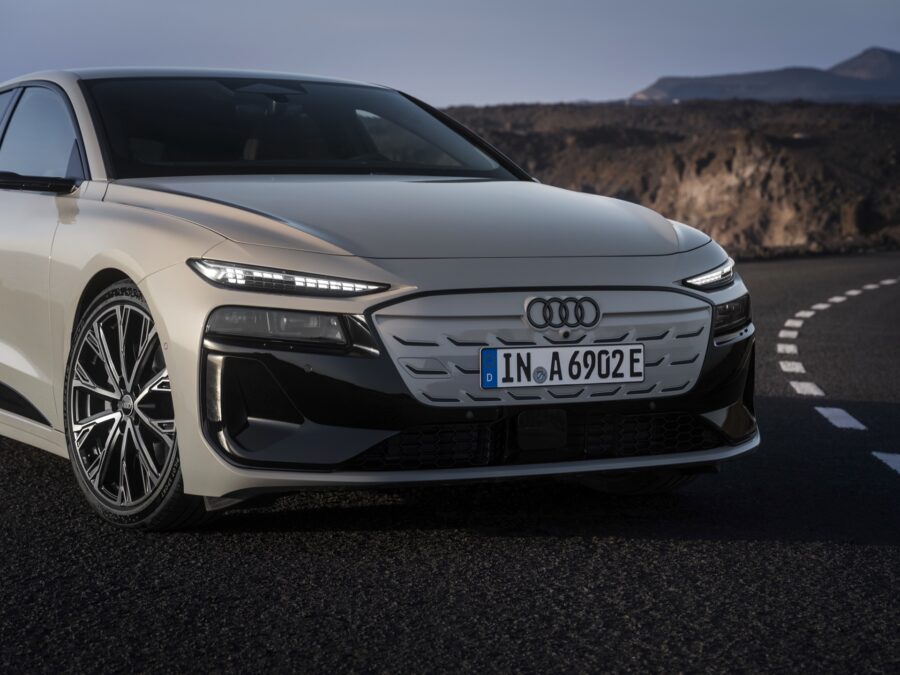
Ingolstadt, Germany — Audi is reassessing its longstanding plan to launch its final new gasoline-powered vehicle in 2026, with CEO Gernot Döllner indicating that internal combustion engine models will likely remain part of the lineup well into the 2030s.
The shift reflects a more pragmatic approach to the transition to electric vehicles amid slower-than-expected EV adoption in key markets and continued strong demand for gas and hybrid powertrains.
What Happened?
Originally announced in 2021 under then-CEO Markus Duesmann, Audi had committed to launching its last new model with an internal combustion engine in 2026. After that point, the brand planned to introduce only battery-electric vehicles, with a full phase-out of gas-powered sales targeted for 2033 in most markets.
In recent updates, current CEO Gernot Döllner has made clear that Audi is removing or significantly softening those hard deadlines. The company will continue developing and offering gas and hybridized models beyond the original 2026 cutoff for new launches and well past the 2033 target, depending on customer demand and regulatory environments.
Key Facts and Details
- Original Timeline: Last new ICE/hybrid model launch targeted for 2026; EV-only new launches thereafter; complete ICE phase-out by 2033 in most regions.
- Current Stance: No fixed deadline for an all-electric lineup. Gas and hybrid models (including high-performance RS variants) will continue to be developed and sold for “another seven, eight, maybe 10 years” or longer after 2026.
- CEO Comments: Döllner has emphasized flexibility, stating that Audi will refine existing platforms with increasing hybridization rather than rushing entirely new ICE architectures. A decision on next-generation combustion platforms could come in the early 2030s if demand persists, particularly in the U.S.
- Market Drivers: Slower EV adoption globally than anticipated when the original plan was set. Strong ongoing customer preference for ICE and hybrid vehicles in several key markets.
- Complementary Moves: Audi is investing more heavily in hybrid technology and plans a robust product offensive through 2026 that includes both electrified and traditional powertrains.
- Exceptions: Smaller vehicles (such as the A3 and below) are still expected to move toward all-electric powertrains earlier due to stricter regulations in Europe and China.
Why This Matters
Audi’s original aggressive timeline positioned it as one of the more ambitious legacy automakers in the shift to electric mobility. Revising that plan highlights the challenges facing the broader industry as real-world EV demand growth has moderated in several regions while infrastructure, pricing, and consumer preferences continue to evolve.
For luxury buyers, the decision preserves choice in high-performance and long-range vehicles where hybrid or advanced ICE powertrains still offer compelling attributes. It also gives Audi more time to scale its electric portfolio without abruptly cutting off profitable gas and hybrid segments.
Expert Analysis
Automotive analysts see Audi’s adjustment as part of a wider industry recalibration. Several premium brands have tempered earlier all-EV targets as battery costs, charging infrastructure, and total cost of ownership realities have proven more complex than initial projections.
Döllner’s comments suggest Audi is prioritizing “flexibility” — maintaining the ability to meet diverse customer needs across different regions while still advancing its electric vehicle technology and production capabilities. This balanced approach may help protect market share and profitability during the multi-year transition.
Industry and Market Reaction
The news has been welcomed by enthusiasts and dealers who value Audi’s performance-oriented gas and hybrid models, particularly the RS lineup. Some observers note that extending ICE development allows Audi to compete more effectively against rivals like BMW and Mercedes-Benz, which have also adopted more measured electrification timelines in certain segments.
At the same time, environmental groups and EV advocates have expressed disappointment, arguing that clearer phase-out dates are needed to accelerate the shift away from fossil fuels. Audi maintains that its long-term direction remains toward electrification, with the revised timeline reflecting market-driven pragmatism rather than a reversal of strategy.
What Happens Next?
Audi is expected to continue rolling out updated and new gas/hybrid models through at least the late 2020s while simultaneously expanding its electric vehicle range. The brand will monitor demand, regulatory changes, and infrastructure development before making further decisions on next-generation ICE platforms.
Investors and analysts will watch upcoming product launches and financial results for signs of how the dual powertrain strategy affects margins and market positioning. Audi’s parent company, Volkswagen Group, is also navigating similar strategic adjustments across its portfolio.
Conclusion
Audi’s decision to rethink its 2026 deadline for the last new gas-powered car represents a significant course correction in one of the auto industry’s most prominent electrification strategies. By extending the life of internal combustion and hybrid models based on real customer demand, the luxury brand is adopting a more flexible approach that balances environmental goals with commercial realities. While the long-term direction toward electric vehicles remains intact, Audi is giving itself — and its customers — more time to navigate the transition.
FAQs
Why is Audi changing its plan for the last gas car?
Slower-than-expected adoption of electric vehicles in key markets and continued strong demand for gas and hybrid models have prompted Audi to maintain flexibility in its powertrain strategy.
Will Audi still go all-electric eventually?
Audi’s long-term goal remains a shift toward electrification. However, there is no longer a fixed deadline for an all-EV lineup, and gas/hybrid models are expected to remain available well into the 2030s.
What does this mean for current Audi gas car owners?
Existing gas and hybrid models will continue to be supported with parts and service for many years. New or updated ICE/hybrid models are also planned in the near term.
How does this compare to other automakers?
Several premium brands have similarly adjusted aggressive EV timelines. Audi’s revised approach aligns with a broader industry trend toward more gradual, demand-driven transitions rather than strict phase-out dates.
When will Audi decide on future ICE platforms?
CEO Gernot Döllner indicated that decisions about next-generation combustion-engine platforms could come in the early 2030s, depending on market demand, particularly in the United States.
Source: RealNewsHub.com
Editorial Team
RealNewsHub.com