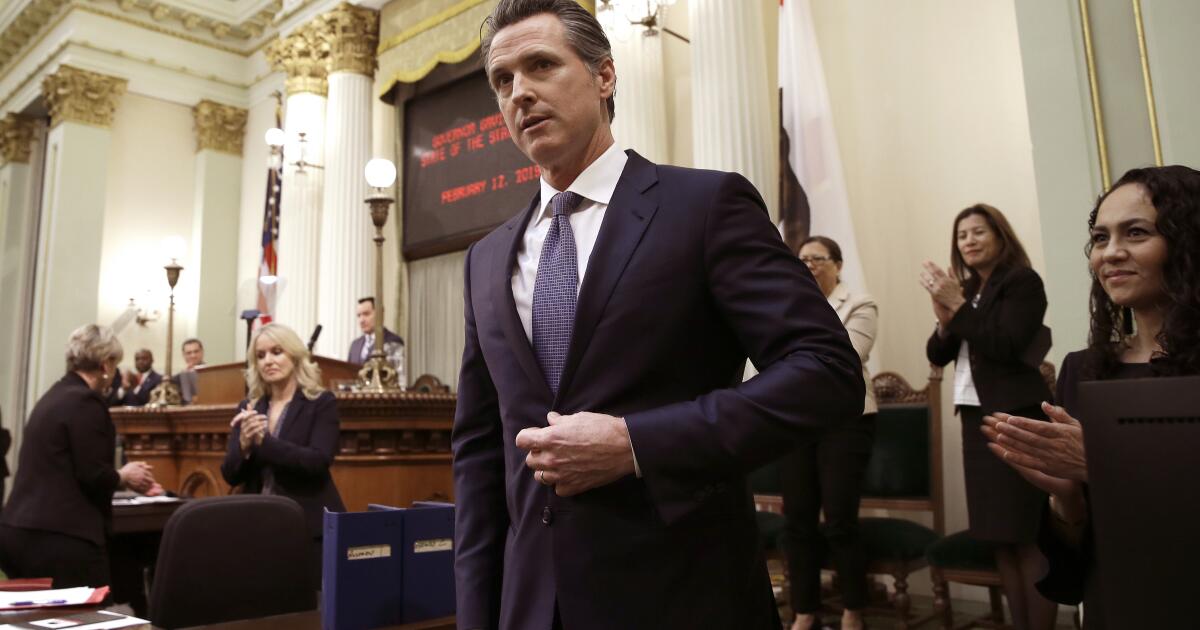
California Governor Gavin Newsom signed the state’s $351.7 billion spending plan for the 2026–27 fiscal year. Marking his final budget before leaving office in January 2027, the plan focuses heavily on long-term fiscal stability, leaving his successor with a clean slate rather than a structural deficit.
The budget reflects a major turnaround from early 2026, when the state initially projected a $12.6 billion deficit. A massive surge in income tax collections—driven heavily by stock market gains in California’s booming artificial intelligence tech sector—erased the shortfall and left the state with a $4.5 billion surplus.
1. The Fiscal Balance & The “AI Windfall”
The administration is highlighting this as a major victory for long-term planning.
- Zero Deficit: The budget is structurally balanced with no projected deficit for this fiscal year or the next (2027–28). The state is putting more than $6 billion into a special holding account to guarantee next year remains balanced.
- Massive Reserves: The state is preserving nearly $30 billion in total reserves (climbing over $35 billion when including specific holding funds) to guard against future economic downturns.
- Rainy Day Reform: Alongside the budget, Newsom signed the Save for California’s Future Act. This places a constitutional amendment on an upcoming ballot to modernize and expand the state’s Rainy Day Fund, helping capture future revenue spikes (like anticipated AI-company IPOs) rather than overspending them.
2. Healthcare Cuts Avoided (For Now)
With the tech-driven surplus in hand, lawmakers successfully pushed back on several severe social service cuts that Newsom had initially proposed:
- Medi-Cal Defended: The final deal rejected a plan to strip dental benefits from low-income immigrants without legal status.
- Premium Hikes Delayed: Newsom originally wanted to raise monthly Medi-Cal premiums for undocumented adults to $50 a month to save cash. The budget leaves premiums alone, effectively passing the final decision on long-term healthcare restructuring to the next governor.
3. Brand New Revenues: The “Software Tax”
To secure these billions without relying strictly on the volatile stock market, the budget relies on a few targeted revenue reforms:
- Taxing Digital Software: For the first time, California will extend its sales tax to prewritten software downloaded from the web (previously, only software sold on physical discs was taxed). It is projected to eventually raise $900 million annually for the state.
- Corporate Caps: The budget permanently caps large corporate tax credits at $5 million or 50% of a company’s tax liability to limit corporations from stacking deductions.
- Small Business Relief: In contrast to the corporate caps, small businesses organized as LLCs will see their filing fees slashed by 50% over the next three years.
4. Major Spending Highlights
- Education: Delivers the largest single-year investment in special education in California history while maintaining commitments to universal school meals and universal transitional kindergarten (TK). It also shifts direct management of the Department of Education to the Governor’s office in an attempt to streamline accountability.
- Housing & Disasters: Restructures the state housing finance system to cut local red tape fees, which the state says will save tens of thousands of dollars per affordable housing unit built. It also establishes a $100 million Disaster Rebuilding Fund to aid homeowners whose private insurance falls short after wildfires.
- Speeding Up Election Counts: Ahead of the November elections, the budget carves out $29 million for the Secretary of State’s office to hire staff and upgrade technology, explicitly aiming to accelerate California’s historically slow vote-counting process.
The Big Picture: By kicking long-term debates over healthcare restructuring and cap-and-trade revenue to the next administration, this budget acts as a financial bridge. It aims to insulate California from potential federal funding cuts while giving Newsom a clean “fiscally disciplined” record to tout on the national stage.