Sure You Want to Set Off That Illegal Firework? Police Drones Might Be Watching This July 4th
Police drones are taking to the skies this Independence Day to crack down on illegal fireworks in multiple U.S. cities, giving officers a powerful new tool to spot violators from above and respond faster on the ground. As families prepare for barbecues and celebrations tomorrow, law enforcement in parts of California and other areas is sending a clear message: lighting banned fireworks could bring an unexpected aerial witness.
Departments in Southern California have expanded drone programs specifically for fireworks enforcement after successful pilots last year. The Chino Police Department, for example, is deploying multiple drones alongside 65 dedicated officers. Officials there warned residents in advance that aerial units will help identify people setting off illegal devices, with citations and fines likely to follow. Similar efforts are underway in Riverside, where drones equipped with night vision, zoom cameras, and mapping software can pinpoint launch locations even after dark and record clear video evidence for enforcement.
Hemet police have also integrated drone resources to handle fireworks complaints more efficiently. Officers can launch a drone quickly to assess a situation, direct patrol cars to the exact spot, and document violations without putting responders in unnecessary danger. San Bernardino is using drones for fireworks enforcement for the first time this year, while other cities like Santa Ana and San Jose have incorporated aerial surveillance into their broader public safety strategies.
The Real Risks Behind the Crackdown
Illegal fireworks remain a serious hazard every summer. According to U.S. Consumer Product Safety Commission data, fireworks caused an estimated 13,000 injuries treated in emergency rooms last year, along with 15 reported deaths. Burns account for a large share of injuries, with hands, fingers, head, and face most commonly affected. Young people between 15 and 24 suffer disproportionately. Beyond personal harm, illegal devices have sparked devastating wildfires in dry regions, strained emergency services, and created noise and safety issues for veterans, pets, and entire neighborhoods.
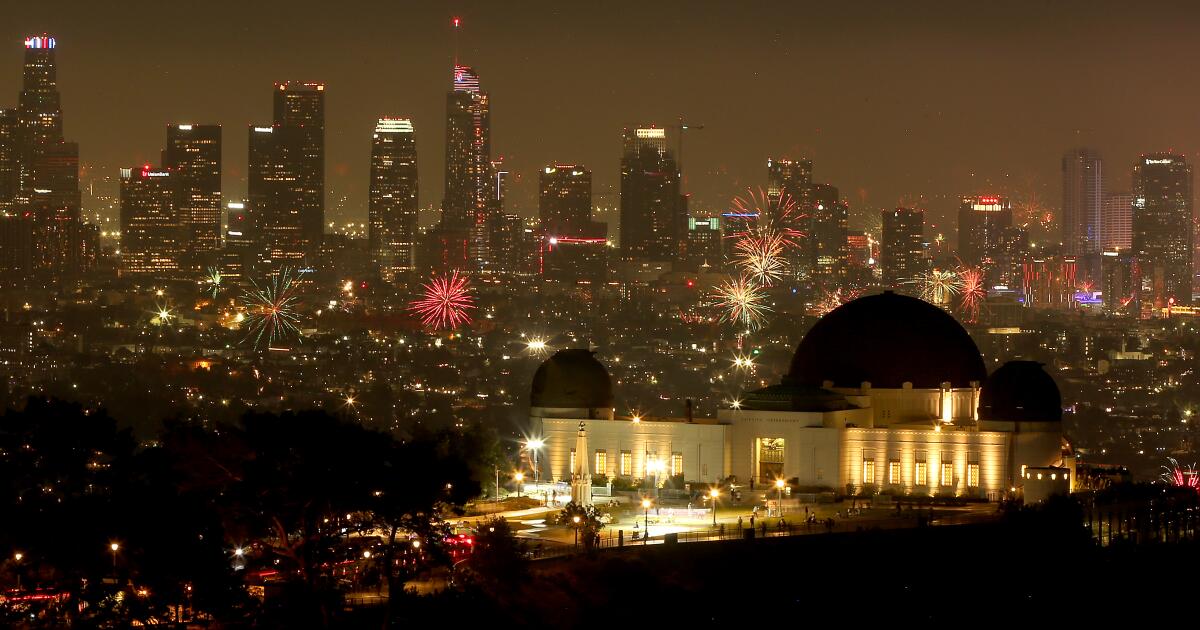
Many cities already ban most or all consumer fireworks. In Los Angeles and surrounding areas, nearly everything beyond basic sparklers is prohibited. Fines often start at $1,000 and climb quickly with repeat offenses. Police say the goal is not just punishment but prevention—deterring reckless behavior before it leads to tragedy.
How Drone Technology Changes the Game
Traditional enforcement has limits. Officers cannot be everywhere at once on a busy holiday night when calls flood in. Drones solve part of that problem by providing real-time overhead views. Many units feature thermal or heat-detection capabilities that help spot launches even when operators try to hide. Live feeds let ground teams respond only when needed, saving resources and reducing response times.
Departments emphasize that the technology improves safety for everyone involved. It also creates strong visual evidence that holds up if citations are challenged. Chino officials noted they expanded their program after last year’s results showed it worked. Riverside police highlighted how drones give them “eyes on” problems they previously struggled to reach quickly.
Public reaction has been mixed but largely supportive of the safety focus. Many residents appreciate the extra layer of protection, especially in communities still recovering from recent wildfire seasons. Others point out that enforcement can be challenging in neighborhoods where illegal use has become widespread over the years. Police departments have responded with public warnings on social media and local news, urging people to celebrate responsibly or attend official displays instead.
Safer Celebrations for American Communities
For U.S. readers, the growing use of police drones reflects a broader shift toward technology that protects public safety during high-risk holidays. It reduces the chance of preventable injuries, protects homes and open spaces from fire, and eases pressure on already busy first responders. Some cities are even replacing traditional fireworks with large-scale drone light shows that deliver spectacle without the smoke, noise, or debris.
As more departments adopt and refine these aerial tools, the message to anyone considering illegal fireworks is becoming harder to ignore. The combination of visible patrols, recorded evidence, and faster response makes it riskier than ever to break the rules. Officials across the country continue to stress the same point: there are plenty of legal ways to enjoy the holiday without endangering yourself or your neighbors.
By Mark Smith
Follow us on X @realnewshubs and subscribe for push notifications