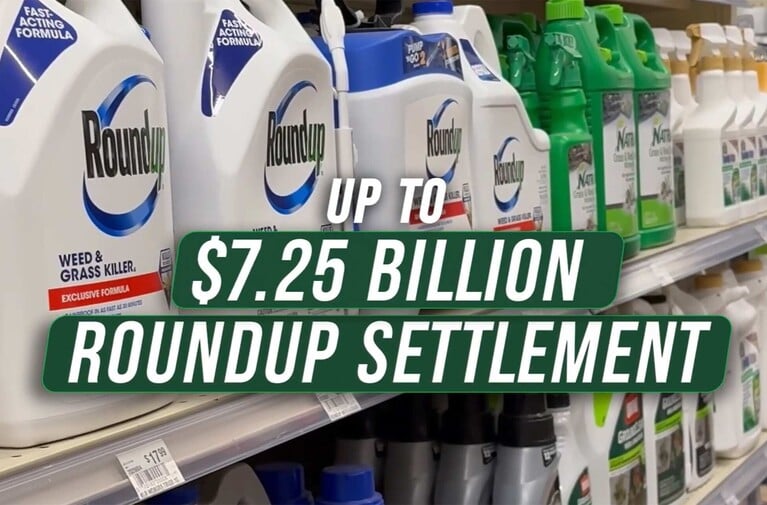
The massive $7.25 billion settlement proposed by Bayer AG to resolve future litigation over its weedkiller, Roundup, is facing intense scrutiny. More than 100 objectors—ranging from legal scholars and consumer advocacy groups to individual plaintiffs—have officially flagged significant flaws in the deal, arguing that it compromises victims’ rights while protecting the corporate giant.
Here is a breakdown of the core controversies and why the settlement is drawing such heavy fire.
The Core Controversy: Future Claims vs. Corporate Protection
The settlement was designed to handle future class-action lawsuits from people who used Roundup and may develop Non-Hodgkin Lymphoma (NHL) in the future. However, critics argue the terms are heavily tilted in Bayer’s favor.
The Major Stumbling Block: The deal attempts to create a “science panel” whose findings on whether glyphosate causes cancer would be binding on class members, effectively stripping individuals of their right to a jury trial.
Top 3 Faults Flagged by Objectors
| Objection Category | Specific Flaw Identified by Critics |
| 1. Constitutional Rights | It forces future victims to surrender their Seventh Amendment right to a jury trial in exchange for a capped compensation fund. |
| 2. The “Science Panel” Lock | A 5-member panel would decide the science once and for all. If they rule glyphosate doesn’t cause cancer, future victims can never sue, regardless of new medical breakthroughs. |
| 3. Inadequate Compensation | The $7.25 billion fund is capped. Objectors argue that given the latency period of cancer, the funds will run out long before all future victims manifest symptoms. |
Why Plaintiffs’ Attorneys Are Divided
The legal community is deeply split over this proposal:
- Proponents argue it provides a faster, guaranteed payout for sick individuals without the multi-year gamble of a court trial.
- Opponents call it a “sweetheart deal” for Bayer that locks out everyday citizens who haven’t even been diagnosed yet, meaning they wouldn’t even know they need to “opt out” of the class action.
What Happens Next?
Because of the sheer volume of objections, the federal judge overseeing the multi-district litigation (MDL) must hold a fairness hearing to determine if the settlement is truly “fair, reasonable, and adequate.” Legal experts predict that in its current form, the settlement faces a high probability of being rejected or heavily modified by the court.
Would you like to know more about the specific scientific arguments regarding glyphosate, or are you tracking how this affects individual lawsuits currently moving toward trial?